2026-04-27. Nomoyu Daily for Indie Developers (Issue 345)
📰 News
MIT President: Lick the Lollipop of Mediocrity Once, and You May Rot in Place
MIT president Sally Cornbluth shared a particularly harsh metaphor in an interview.
She said a colleague at Duke had a line hanging in the office: if you lick the lollipop of mediocrity, you will keep rotting in place.
It is not elegant. It even sounds abrasive.
But it may be one of the most accurate survival reminders in the AI era.
Because the biggest misunderstanding many people have about AI today is not that they overestimate AI’s ability. It is that they overestimate their own ability after using AI.
You cannot write, so you let AI write.
You cannot understand code, so you let AI change it.
You do not want to judge, so you let AI summarize.
You do not want to learn, so you ask AI for a ten-minute explanation.
On the surface, your efficiency improves. In reality, you may just be wrapping your low standards in a technological shell.
AI does not automatically turn an ordinary person into an expert. It is more like an amplifier: excellent people become more excellent with it, and mediocre people amplify their mediocrity too.
The scariest thing is not machines starting to think. It is humans starting to stop thinking.
In the interview, Cornbluth talked about how MIT maintains excellence: admissions without legacy preference, no back doors because someone makes a call, high hiring standards, and calm, clear, fast course correction during crises.
But in the AI era, all of this points to one core question:
When tools become stronger, should people still keep becoming stronger?
Many young people ask: will AI replace me?
That matters, but it is not harsh enough.
The harsher question is: if AI does not replace you, will you train yourself into uselessness first?
AI gives everyone a never-before-seen illusion: it feels like I can do it now.
Cannot write an article? No problem. Throw in a prompt and get a draft in three seconds.
Cannot make slides? No problem. Use a template and it looks presentable.
Cannot program? No problem. Generate code, copy, paste, and if it runs, ship it.
This workflow easily creates an illusion of competence.
You think you have become stronger. You have only made outputs faster.
You think you understand. You have only not been questioned yet.
Once someone asks: why did you write it this way? Is this conclusion reliable? Does the model have bias? How will you debug this code when it breaks? What is the cost of this plan?
Many people are exposed immediately.
AI gives you answers, but it does not grow judgment for you.
In the future, the valuable thing is not answers. It is judgment.
When discussing education, Cornbluth made a key point: students still need to learn basic programming and writing. Why? Because if your mind has no basic concepts, you cannot tell when AI is talking nonsense.
That matters.
If you do not understand code, you cannot judge whether AI-generated code contains hidden traps.
So the real threshold in the AI era is not whether you can ask questions, but whether you deserve good answers.
Someone without structure in their mind cannot ask good questions.
Someone without standards cannot recognize good answers.
That is why low standards become more dangerous.
In the past, a low-standard person might simply work more slowly, produce rougher results, and grow more slowly.
But in the AI era, low standards can be mass-produced.
You can use AI to write ten mediocre articles faster than you once wrote one mediocre article by hand.
Technology does not eliminate mediocrity. It gives mediocrity industrial capacity.
That is what we should worry about most.
Many people think the AI era is about who uses tools better. Wrong.
Tools are only the entry ticket. Standards are the dividing line.
Two people may both use AI for writing. One keeps asking: is this point sharp enough? Is there a counterintuitive insight? Is there evidence? Is there emotional tension? Is there one line readers will remember?
Another only says: write me a WeChat article, make the tone sharp.
Then copy, paste, publish.
The first person is training a judgment system. The second is outsourcing their brain.
You can let AI help you write, but you cannot let AI think for you.
AI works best as leverage. It is dangerous as a crutch.
Use a crutch too long, and you forget how to walk.
This is also why MIT’s meritocracy matters more now.
When resources, information, and tools become increasingly equal, what separates people is not whether they have tools, but whether they have standards.
MIT refusing back doors is not a gesture. It is a self-protection mechanism.
Once one door opens, everyone will try to squeeze through it.
Companies work the same way.
Founders care deeply about hiring at the start. They interview personally, guard standards, and protect culture. But at 150 people or 500 people, standards start slipping: this person is probably good enough; the role is urgent, hire first; the candidate is not strong, but there is no obvious problem.
That is how organizations become mediocre.
Not because they collapse one day, but because every day contains a little “good enough.”
“Good enough” is the most hidden poison inside excellent organizations.
Young people are the same.
You do not become mediocre suddenly.
You become mediocre through repeated “let’s just do it this way for now.”
Let AI write this article first.
Do not dig too deeply into this problem.
This answer looks right, no need to verify.
This skill is not useful short term, so skip it.
This job is not challenging, but it is comfortable enough.
When you look back, you may find that you are no longer using tools. You are being domesticated by comfortable tools.
Who will the AI era eliminate?
Not simply people who cannot use AI.
It will eliminate people without judgment, without desire to learn, without standards for work, and without deep training.
In other words, AI will first eliminate not the unintelligent, but the low-standard.
Being slow is not terrible. You can learn, practice, and improve with time and method.
Low standards are terrible because they make you believe you do not need to improve.
A high-standard person, even if currently ordinary, will force themselves to evolve.
The future competition is not humans versus AI. It is high-standard people using AI crushing low-standard people using AI.
That is the brutal truth.
So stop asking which major will not be replaced by AI.
That question is too passive.
Ask instead:
What field gives me long-term energy?
Can I ask better questions than others?
Can I judge whether an answer is actually good?
Am I willing to revise again and again instead of accepting the first draft?
Am I using AI to accelerate growth, or using it to hide laziness?
Cornbluth says university education is not just one class or one skill. It is an environment that shapes people. The same is true in the AI era.
Truly capable people build high-standard environments for themselves.
They read difficult things, do difficult projects, accept sharp feedback, collaborate with stronger people, and treat AI as a training ground instead of a comfort zone.
Ordinary people use AI to look for shortcuts. Experts use AI to add weight.
The former slide faster into mediocrity. The latter move faster toward excellence.
In the end, the rarest abilities in the AI era are surprisingly old:
Seriousness.
Judgment.
Writing.
Questioning.
Critical thinking.
Hunger for excellence.
The faster technology changes, the more valuable these things become.
Because machines can generate content, but they cannot decide for you what is worth generating.
Machines can give answers, but they cannot bear the consequences of judgment for you.
Machines can imitate intelligence, but they cannot truly become smart on your behalf.
So do not lick that lollipop of mediocrity.
It is sweet.
But after the sweetness, mediocrity may no longer taste unbearable.

🖥️ Software
SEOLint
SEOLint is an MCP-based SEO audit tool that connects to Claude, automatically scans website issues, and generates structured fix suggestions.

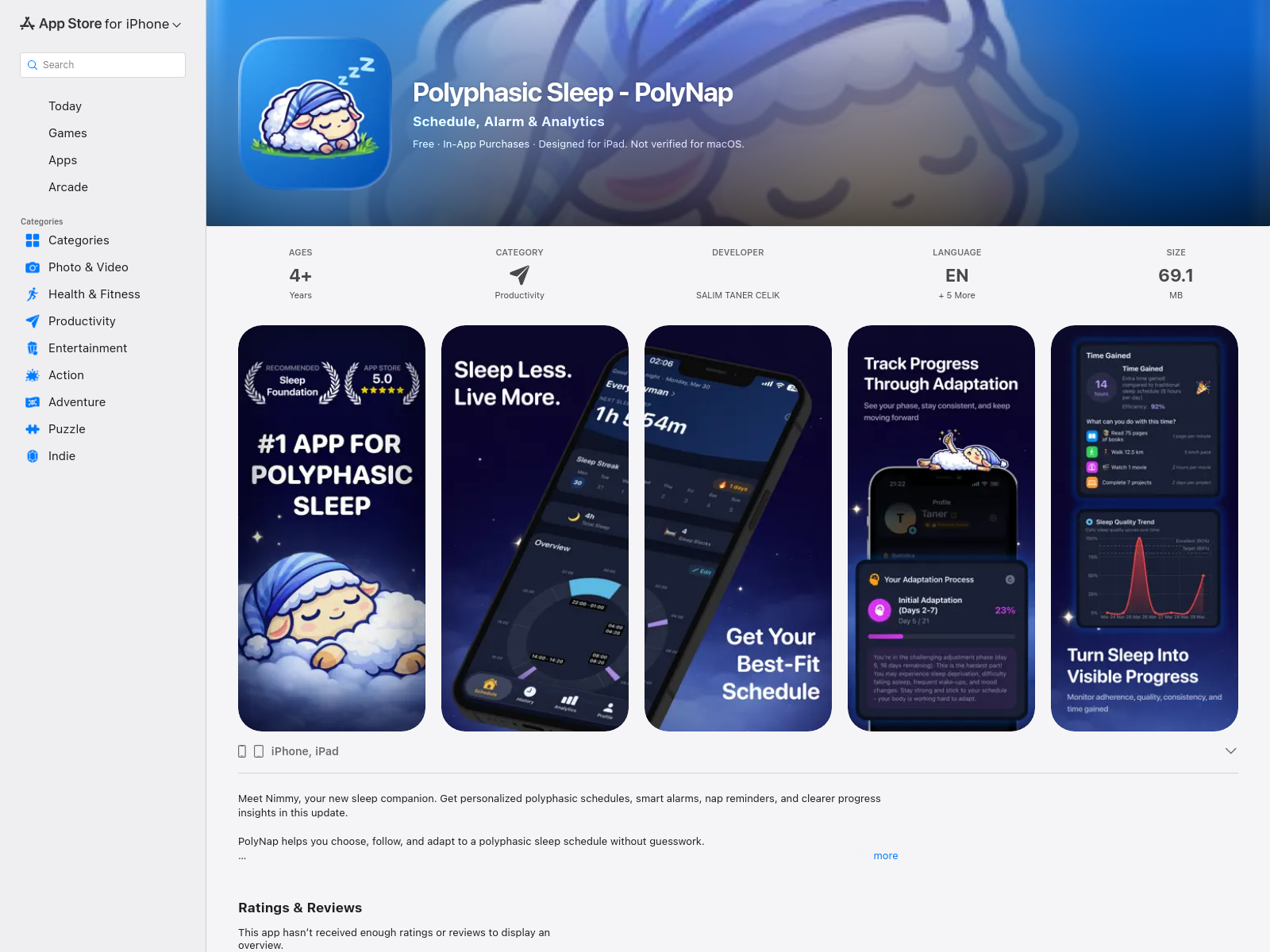
PolyNap
PolyNap is an iPhone app for following biphasic or polyphasic sleep schedules, with schedule recommendations, timeline visualization, and alarms.
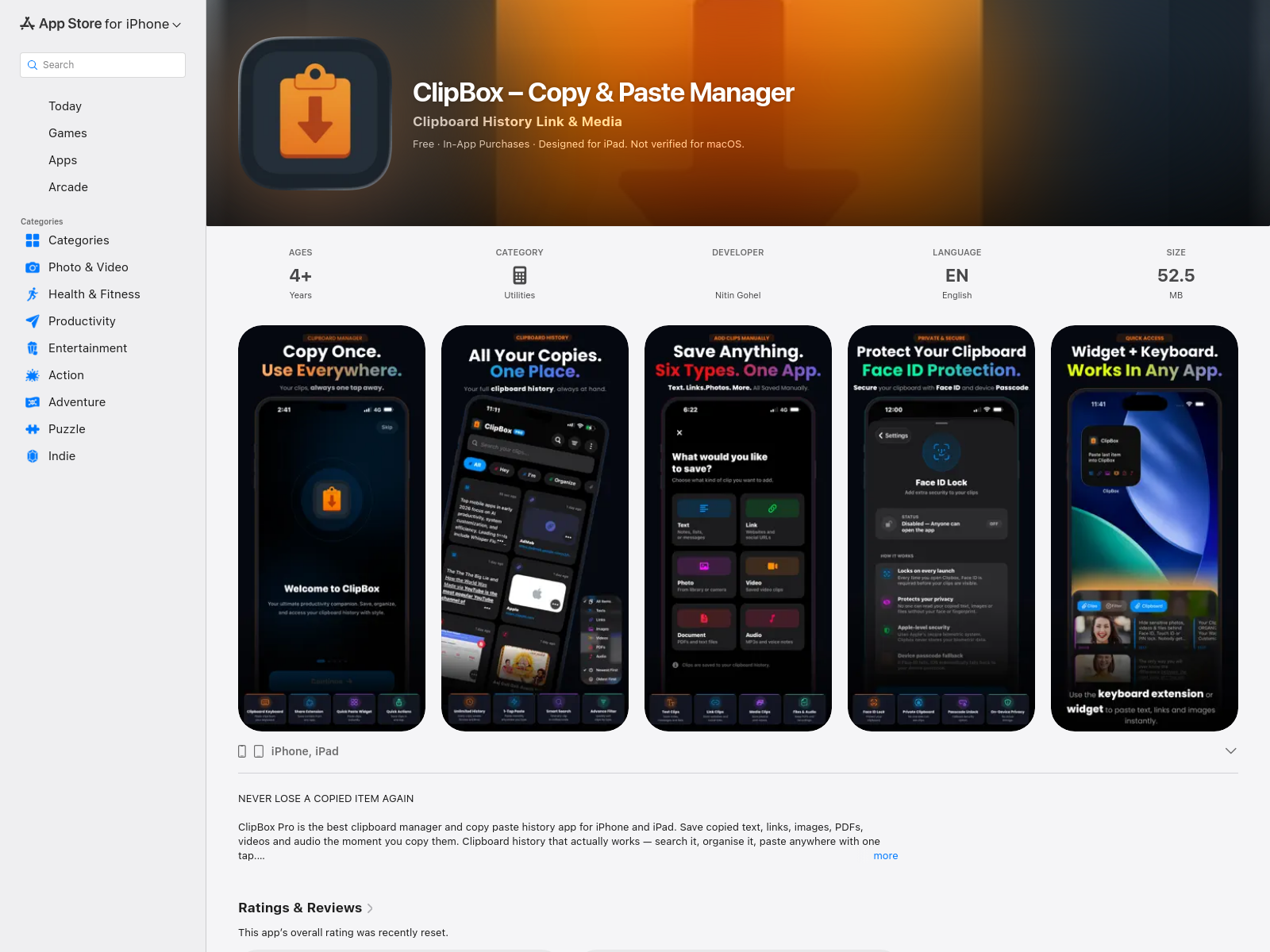
ClipBox
ClipBox is an iPhone clipboard history manager supporting text, images, videos, PDFs, and other formats for quick reuse.
ExpenseEasy
ExpenseEasy is a localized personal finance tool that scans receipts in real time, uploads bills, and answers simple questions about spending details.

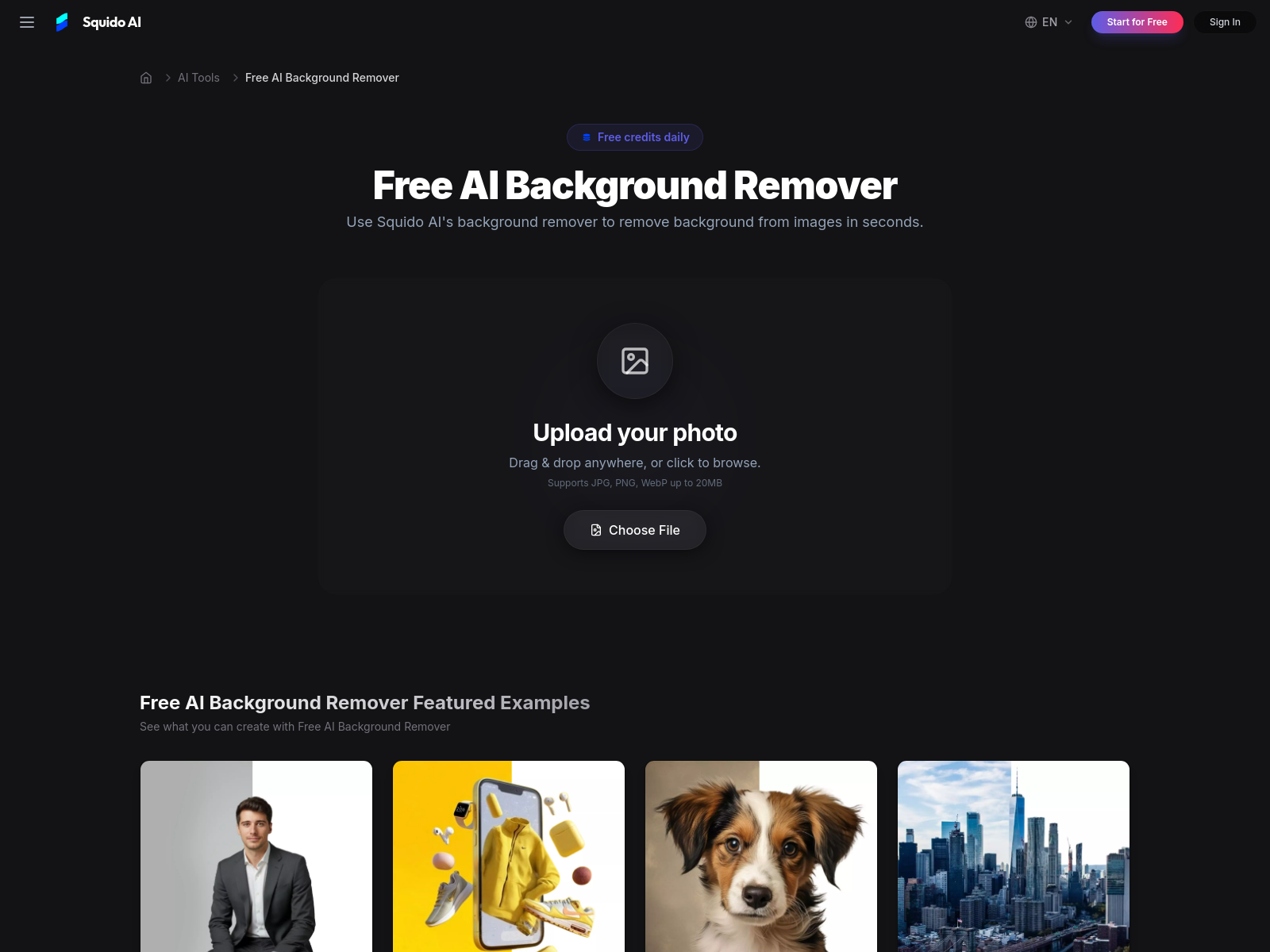
Squido AI Background Remover
Squido AI Background Remover is an AI cutout tool with hair-level precision, ready to use without registration, suitable for designers and indie developers processing image assets quickly.
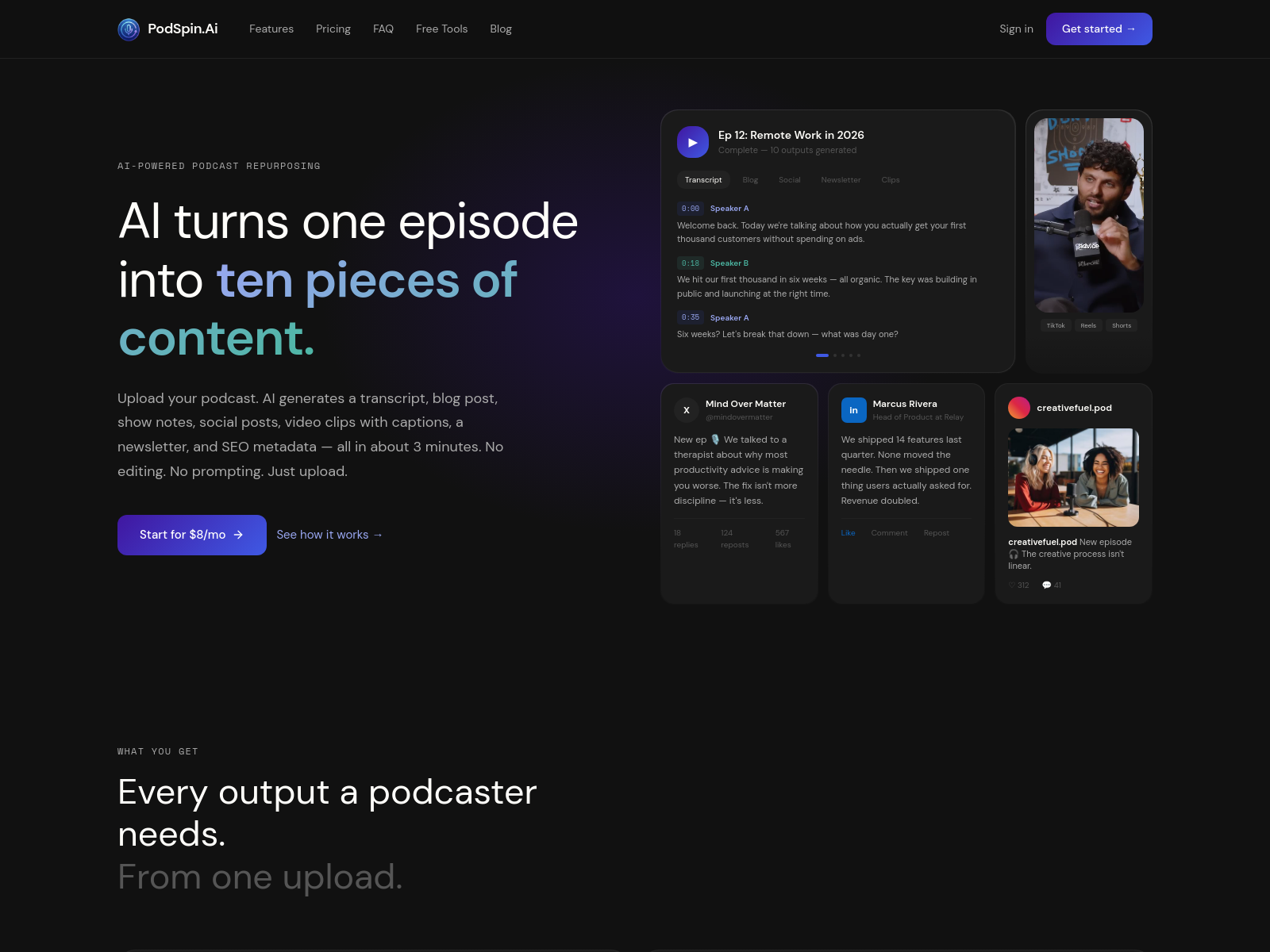
PodSpin
PodSpin turns a single podcast episode into 10 types of content, accepting audio, video, or YouTube links and automatically generating subtitles, blogs, social posts, and more.
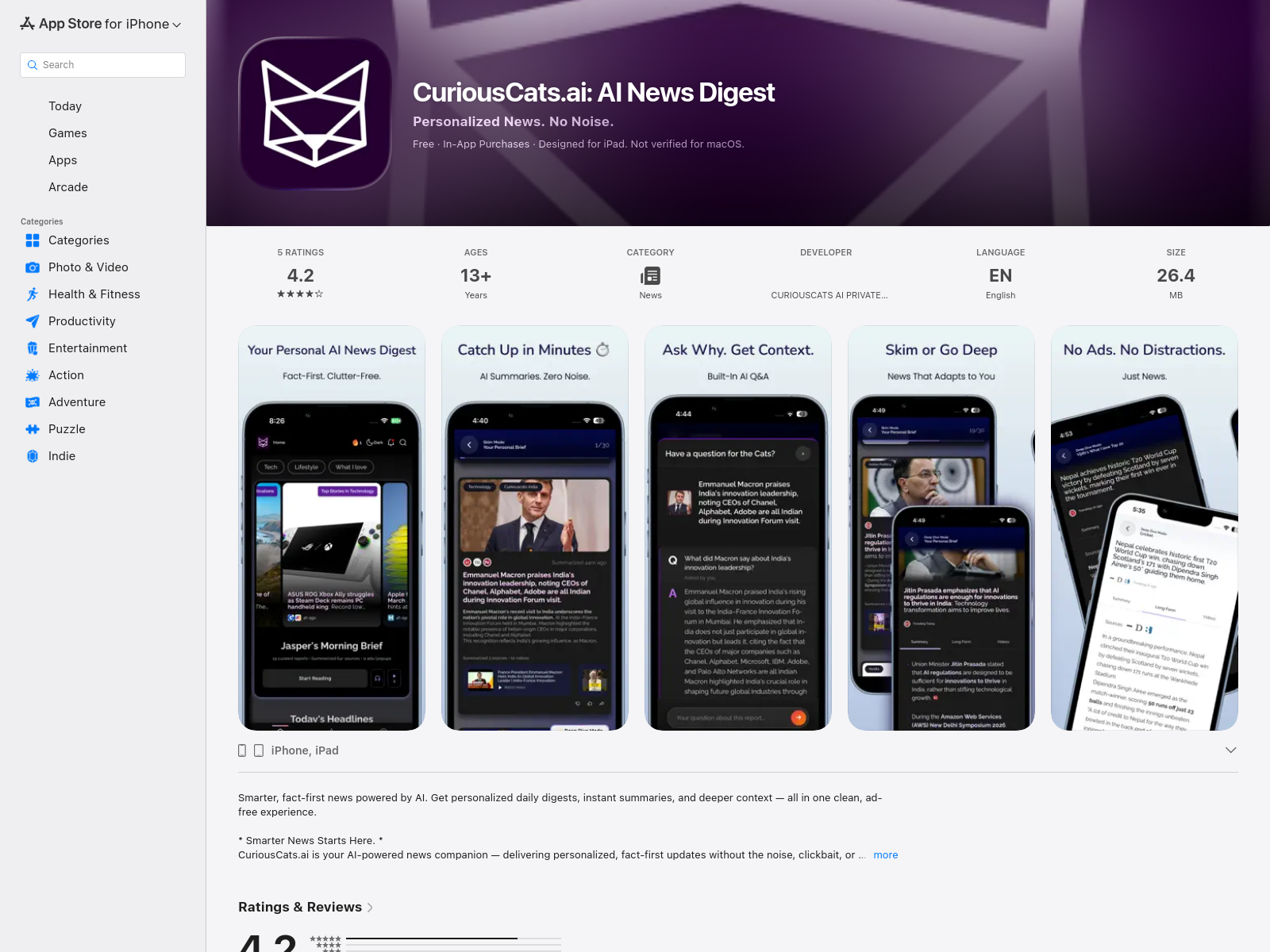
CuriousCats AI
CuriousCats AI is an AI news digest app that offers story summaries, multiple perspectives, and Q&A, differing from traditional news aggregators.
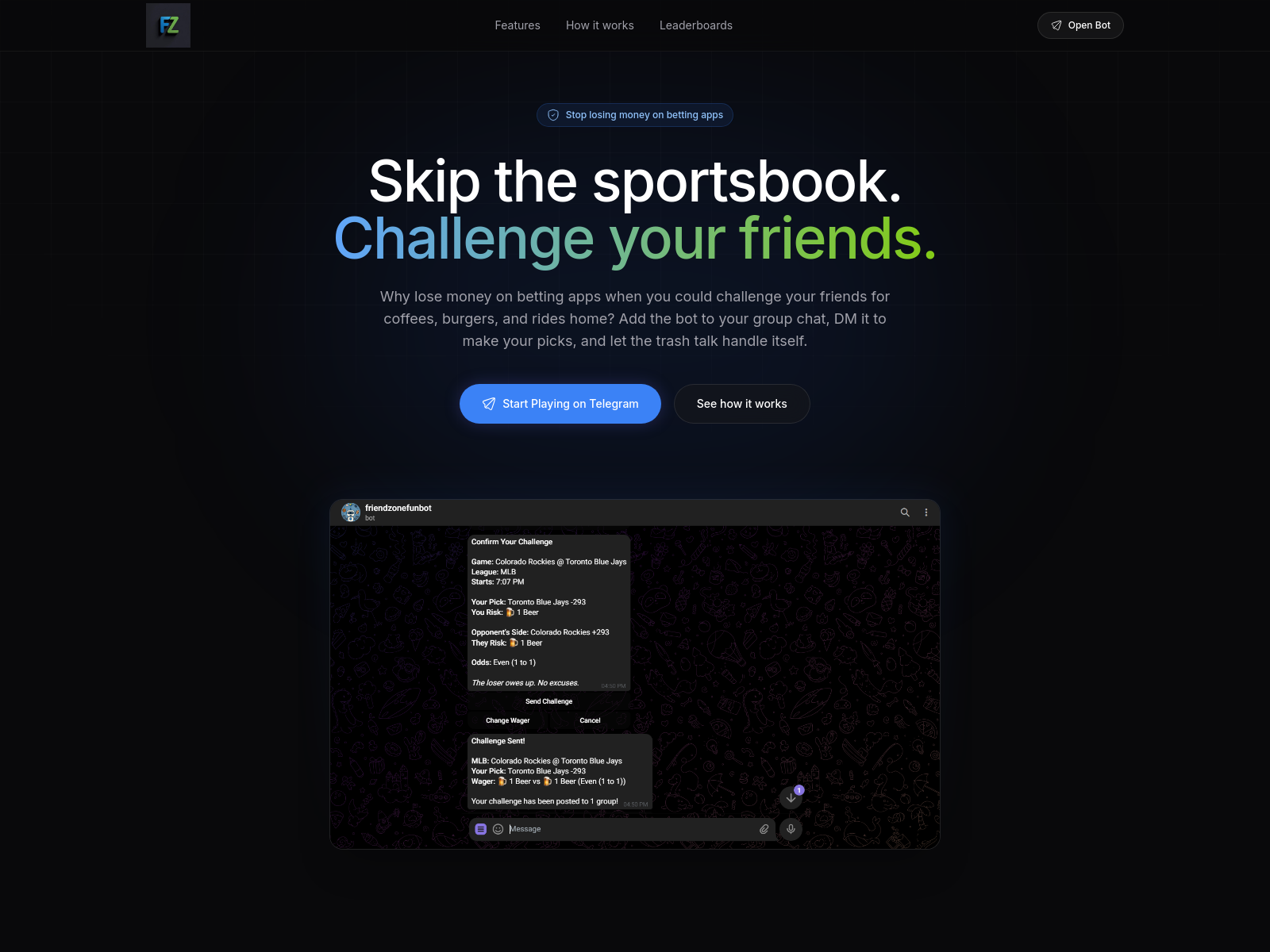
Play Ball
Play Ball is an open-source Telegram bot for playful sports challenges in group chats, offering a casual alternative to mainstream sports betting apps among friends.
🌐 Websites
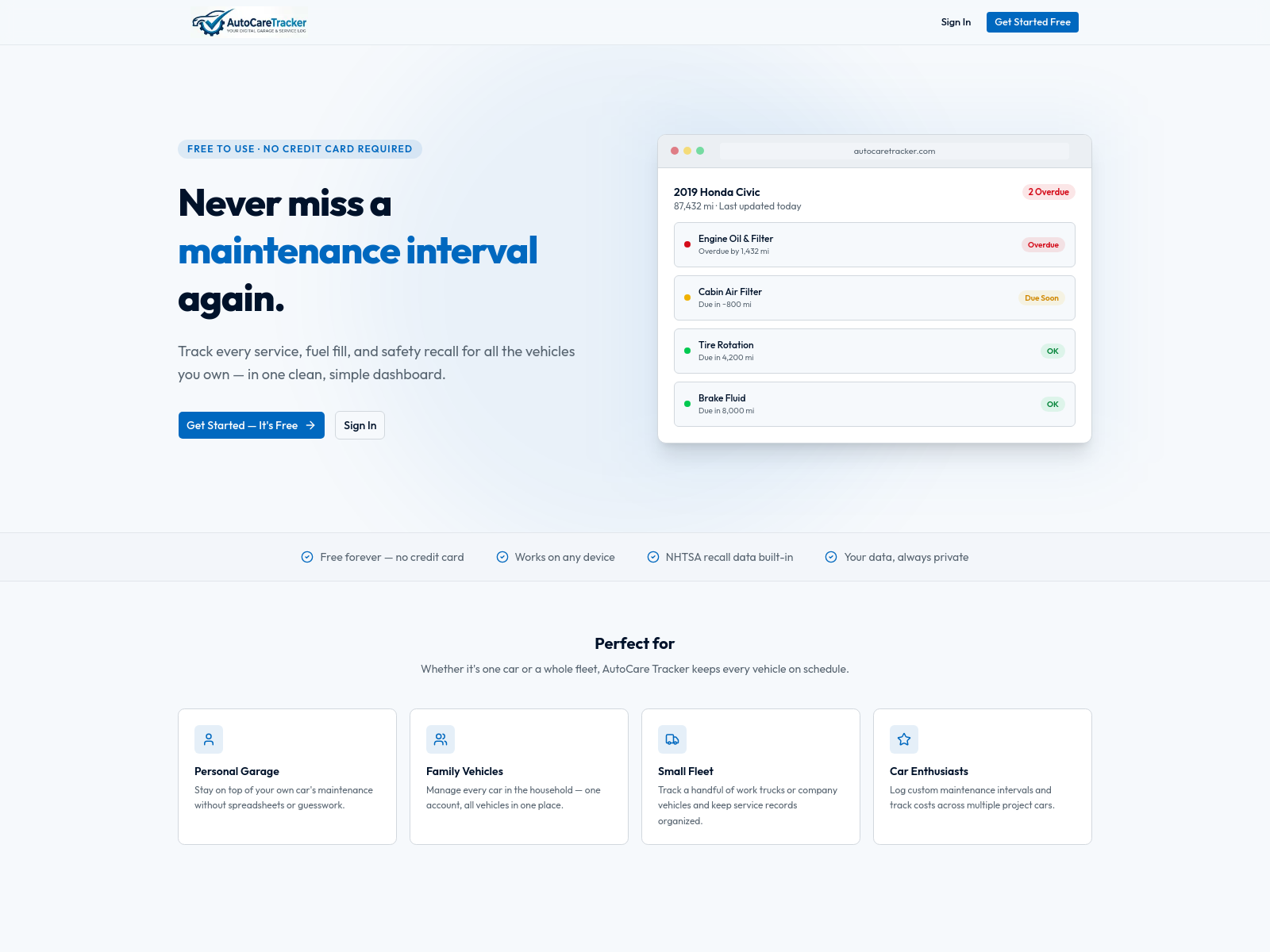
AutoCareTracker
AutoCareTracker is a comprehensive management tool for family vehicle maintenance, with VIN auto-decoding and smart maintenance reminders.
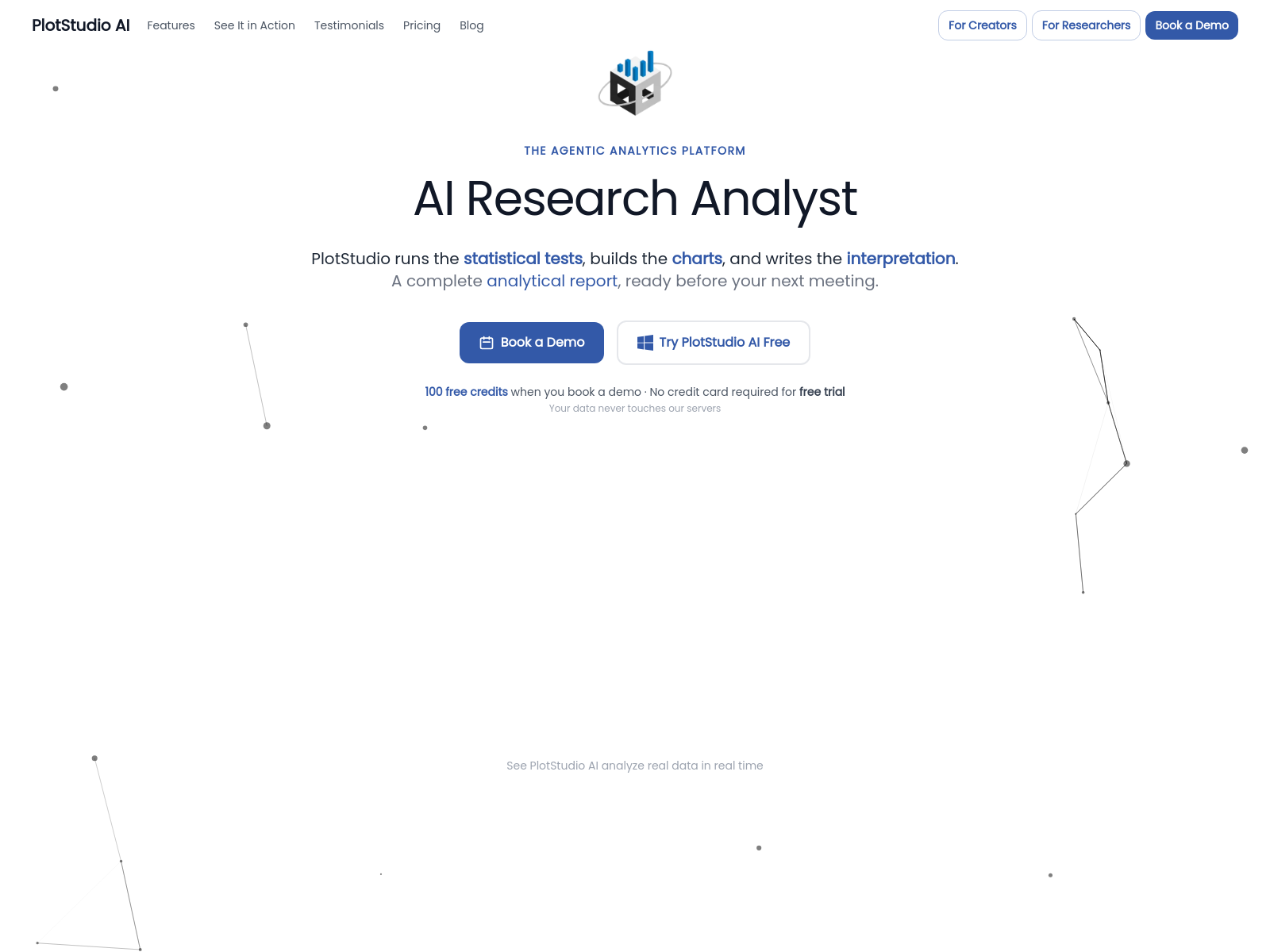
PlotStudio AI
PlotStudio AI is a desktop data analysis tool with local processing, using multi-agent collaboration for statistical tests and interactive report generation.
✍️ Notes
Daily project information:
Website: https://www.nomoyu.com/
RSS: https://www.nomoyu.com/rss/rss.xml
WeChat Official Account: 明航的AI副业
Feel free to connect and exchange ideas
See the website for all links.