2026-04-28. Nomoyu Daily for Indie Developers (Issue 346)
📰 News
AI Smashes the Barrier to Creation: The Era of Mass Creation Has Arrived
A small game that once required a 14-year-old to spend a week grinding through programming can now be generated as a complete 3D version in 90 seconds by typing one sentence.
Even more striking, you can add guns, change the gameplay, or remix someone else’s work without writing a single line of code.
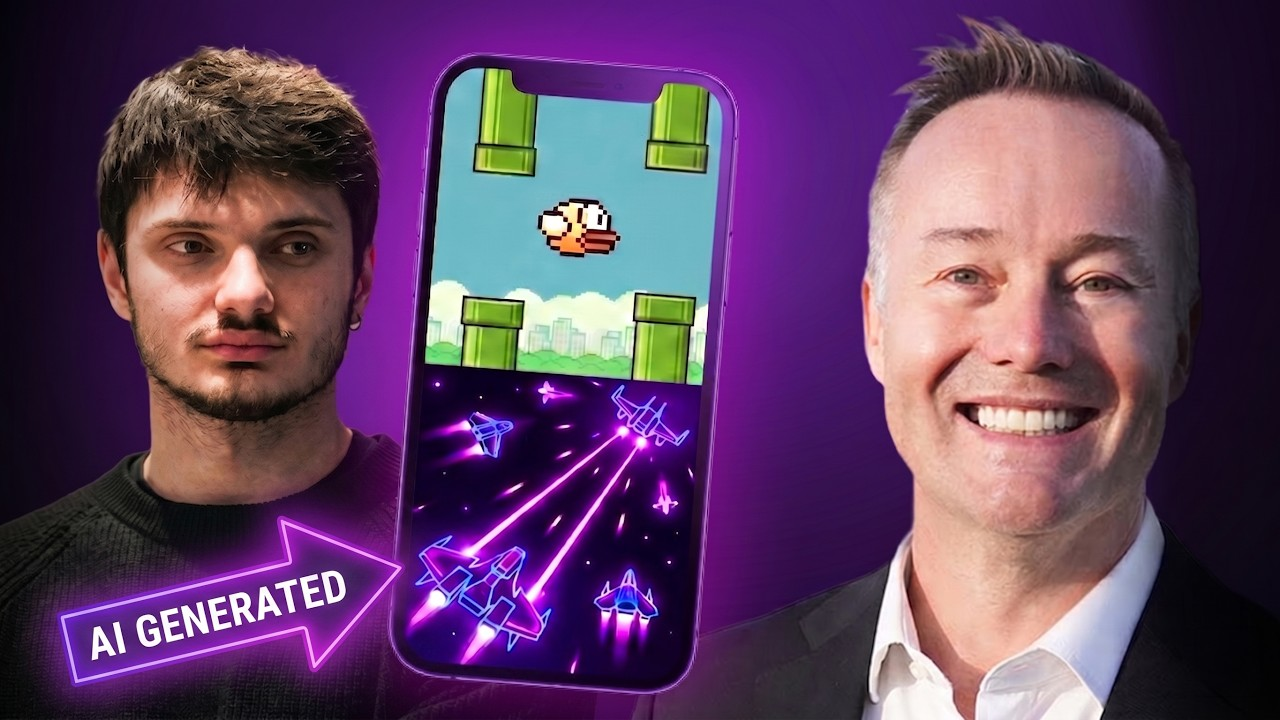
The product is called Nanog, and people call it the “TikTok of games.” Open the app and you get an endless feed of games. When you are bored, swipe away and switch to the next one in a second. Its real weapon is that it flattens the barrier to game creation.
Its two founders, 22-year-old dropout Albert and 24-year-old Boris, combined a custom game engine with Gemini to package modeling, coding, art, and gameplay tuning into a single prompt. Want a 3D Flappy Bird? Type it in, and 90 seconds later you have a playable game.
This is not a toy. Since launching in mid-January, it has reached 100,000 users. Average session time is 21 minutes. Twenty percent of core users play more than 25 games in one session, spending nearly an hour per day in the app.
This is not another round of game-industry competition. It is a paradigm shift. Just as TikTok used short video to tear apart long video’s monopoly over content, game creation is no longer reserved for hundreds of developers, years of production, and huge budgets. Even indie games once required developers to painfully accumulate many skills. Now anyone with an idea can make a game of their own.
That is the future of content creation: publishing is not the end, but the start of co-creation.
You build a basic game. Others add mechanics, change the world, and create endless variations. Brands still trapped in an elite-creator mindset look outdated, like the stiff McDonald’s CEO video mentioned in the podcast: a suit taking a tiny bite of a burger and sounding like a product manual. It cannot match the authenticity of an ordinary employee sharing something real. Closed-door elite creation no longer keeps up.
If creative rights in the digital world are being handed down, what about the physical world?
Most humanoid robots on the market live inside perfect YouTube demos, performing preset movements precisely while remaining far from real homes. 1X’s Neo humanoid robot goes in the opposite direction: instead of starting with industrial use cases, it goes straight into the most complex and unpredictable environment, the home.
Founder Bernt has worked in robotics for 11 years and summarizes the essence clearly: the home is the best training ground for general intelligence. Just as children first learn to understand the world through daily life before mastering language and skills, robots can only develop true general capability inside diverse home scenarios and complex social contexts.
Unlike competitors patching systems with visual-language models, Neo’s core is a world model. Like humans, it can simulate 3D space-time dynamics before acting, predicting outcomes and risks. It weighs only 30 kg, about one-third of many peers, and uses soft biomimetic structure so it can safely enter homes, fold clothes, open doors, pick up parcels, and even accompany elderly people.
What is rare is its honesty. Bernt says early consumer products will be “rough,” but they must be placed into users’ hands first. Because the real interaction data from 10,000 home robots may be worth as much as all of YouTube’s video uploads. Perfect lab demos are almost worthless. Rough iteration in the real world is the only shortcut for AI evolution.
Everyone is debating whether AI will take human jobs.
But fewer people see that AI’s real revolution is not replacing human labor. It is tearing apart the creative privilege that elite circles have controlled for decades.
In the past, to make a game you needed programming, art, and engine knowledge. To make a robot that could change daily life, you needed mechanics, algorithms, and factory resources. These high barriers kept 99% of ordinary people outside creation, leaving them as consumers of the digital world and traffic fuel for other people’s content.
Now it is different.
In 90 seconds, you can turn a childhood idea into a playable game.
With one sentence, you can have a robot help with daily chores or customize a function for yourself.
When creation no longer has a high threshold, the rarest thing in the world is no longer technology. It is the unique idea in your head.
The two protagonists in the podcast are a 22-year-old dropout founder and an entrepreneur with 11 years in robotics. They did not use AI to build castles in the air. They used AI to hand creative power to ordinary people.
The digital heroes of the next era will not be elite engineers sitting in office towers or big-studio producers with giant budgets.
They will be anyone brave enough to speak an idea aloud and use AI to turn it into reality.
🖥️ Software
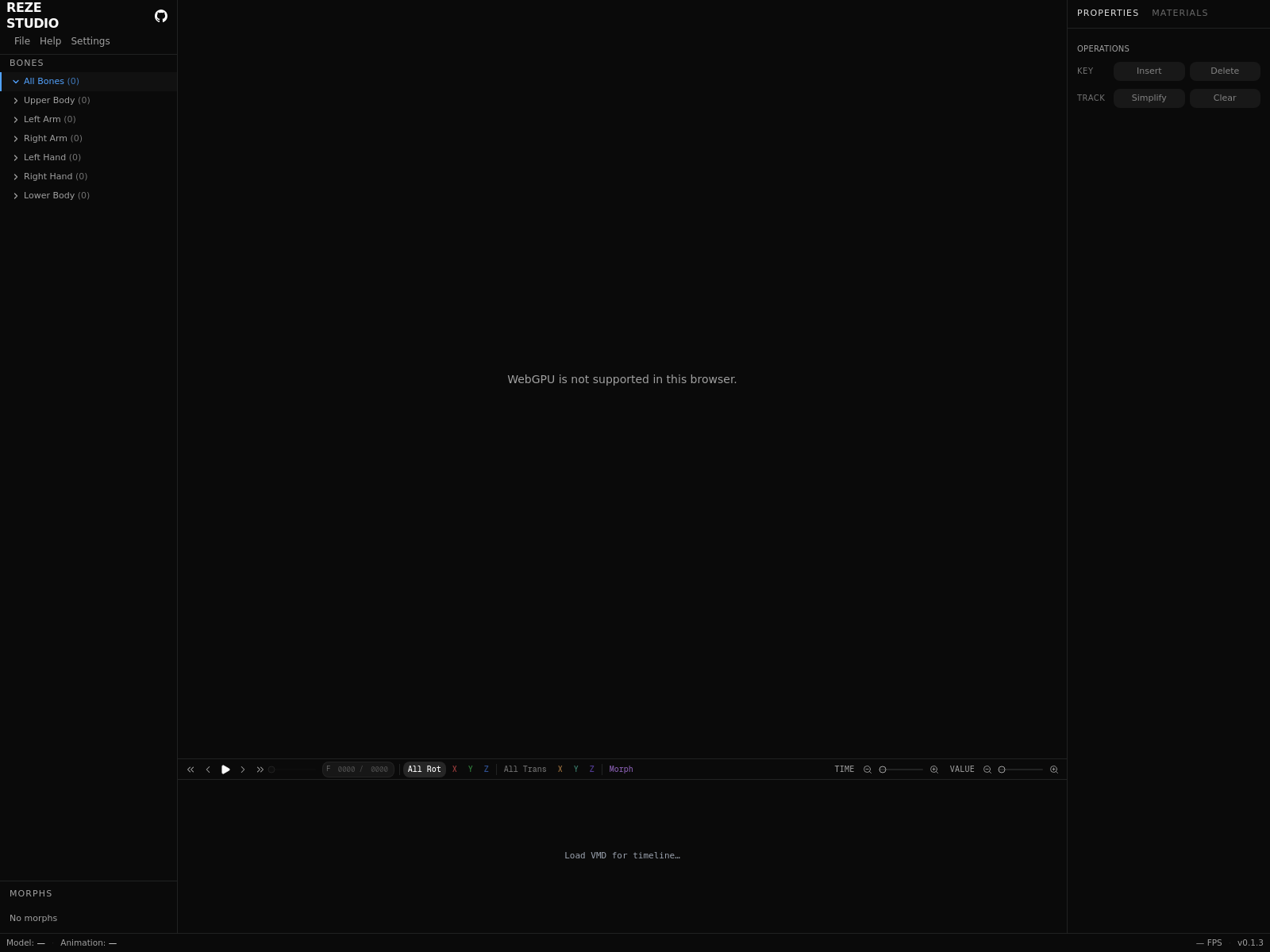
Reze-Studio
Reze-Studio is a WebGPU-based MMD animation curve editor that lets users edit keyframes directly in the browser with drag-and-drop, without installing traditional software.
CreditSense
CreditSense helps users evaluate whether their credit card portfolio is optimized, analyzing spending coverage and recommending new cards to fill gaps.

Docora
Docora detects whether code and documentation are in sync, connects to GitHub/GitLab, automatically alerts when docs are outdated, and supports one-click updates.

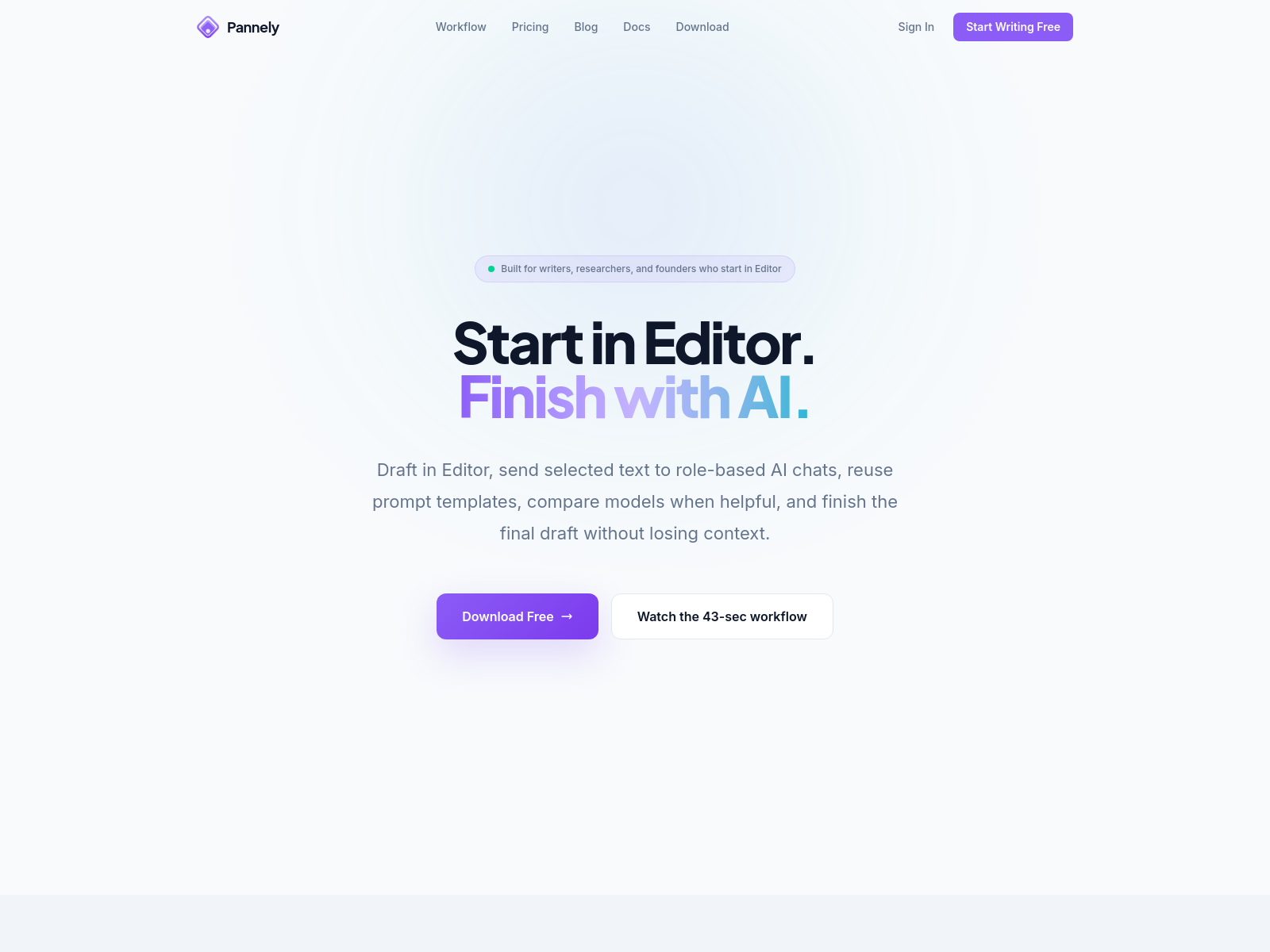
Pannely
Pannely is a desktop workspace combining AI chat, a prompt library, and an editor, supporting side-by-side multi-model comparison and anchored follow-up questions.
Kolis Music
Kolis Music is a music player supporting multiple NAS services, with a liquid blur UI and lyrics display, available through the App Store.

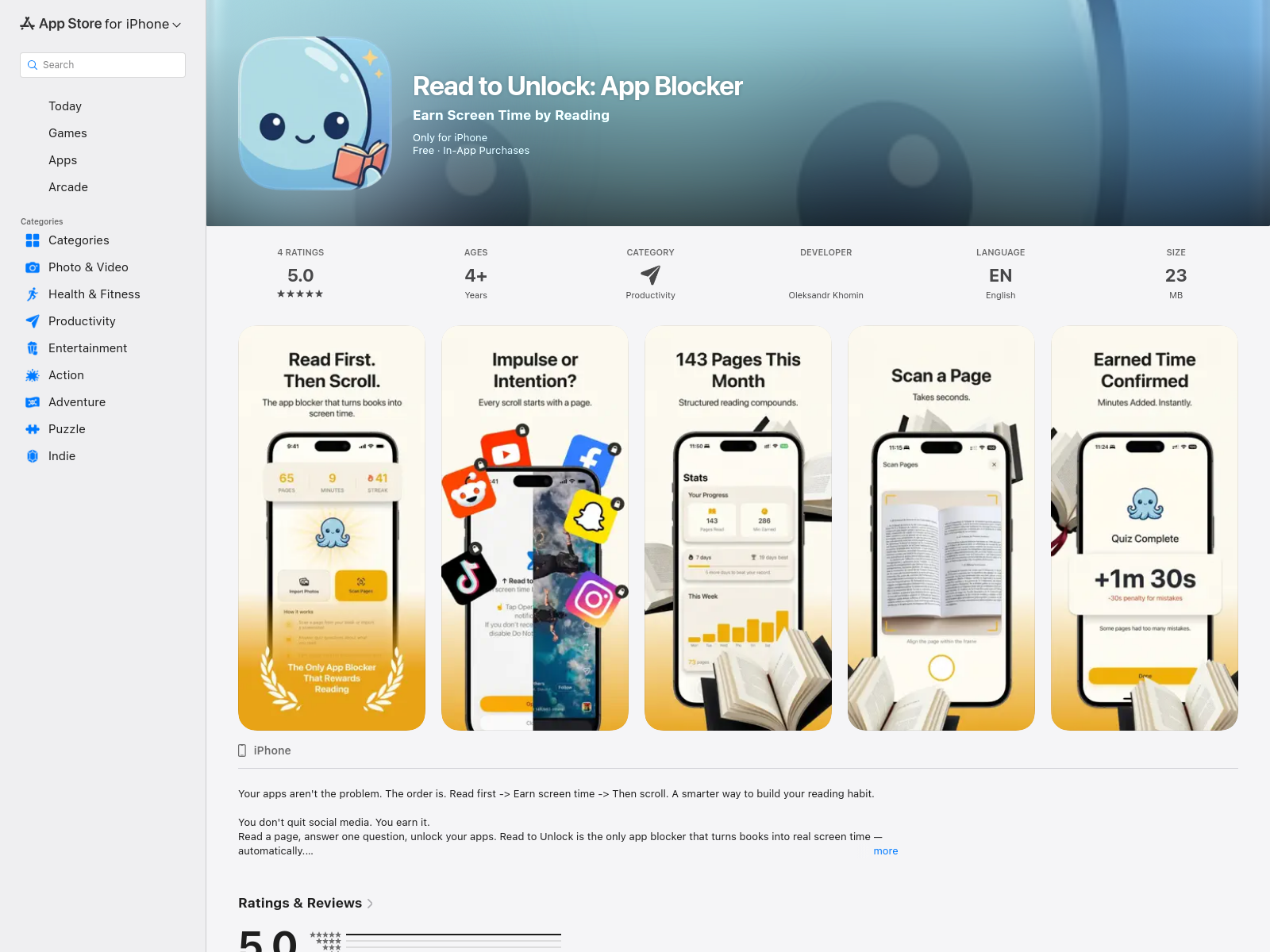
Read to Unlock
Read to Unlock blocks apps like Instagram until users read books and answer questions, supporting a lightweight form of digital detox.
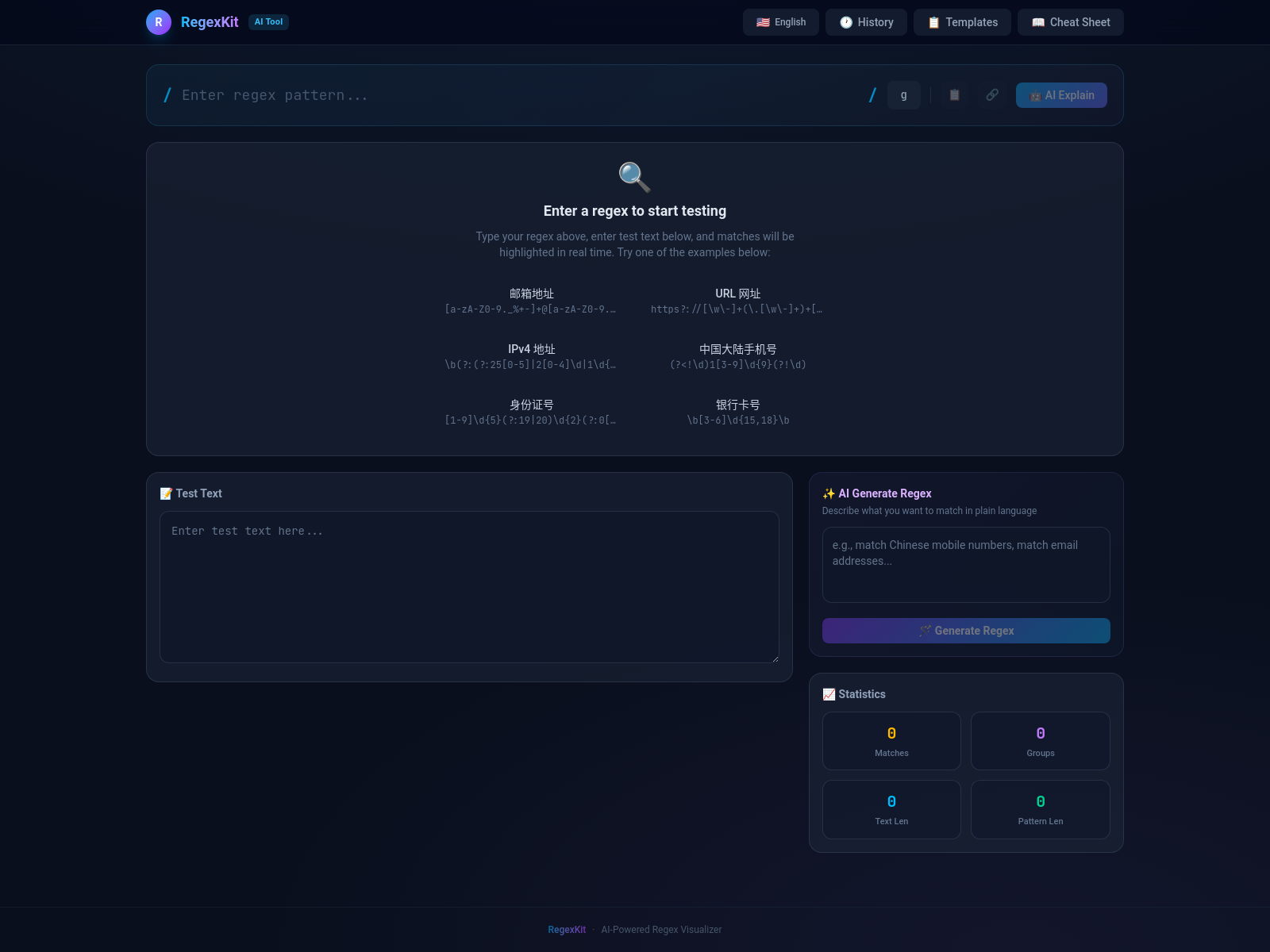
RegexKit
RegexKit is a Chinese-first AI regular expression tool with natural-language-to-regex conversion, real-time match visualization, and template sharing.
🎮 Games
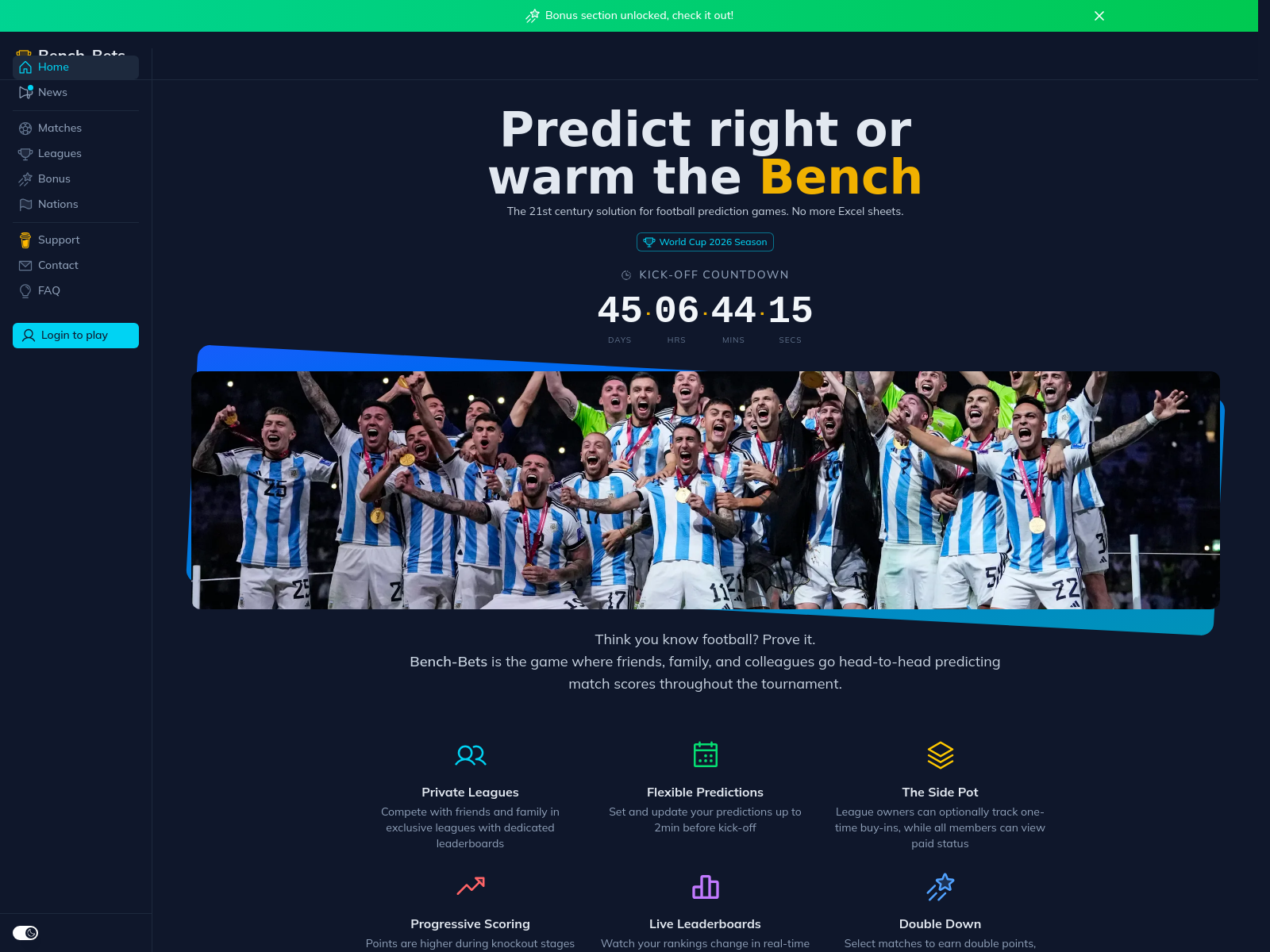
Bench Bets
Bench Bets is a free, ad-free World Cup 2026 prediction game that lets users create private groups and predict scores with friends.
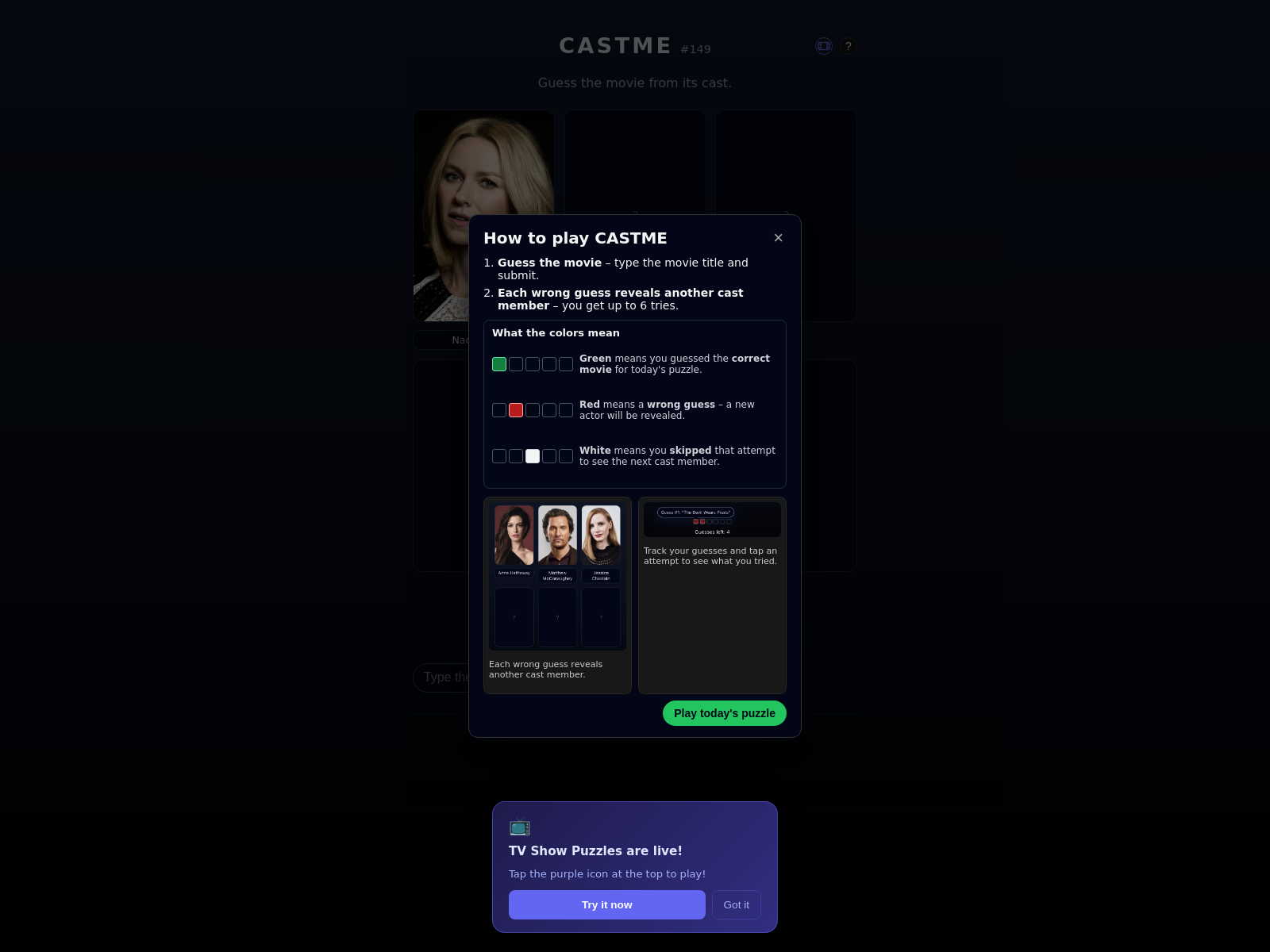
CASTME
CASTME is a daily movie and TV guessing game where players reveal actor faces one by one to identify the title, testing entertainment knowledge.
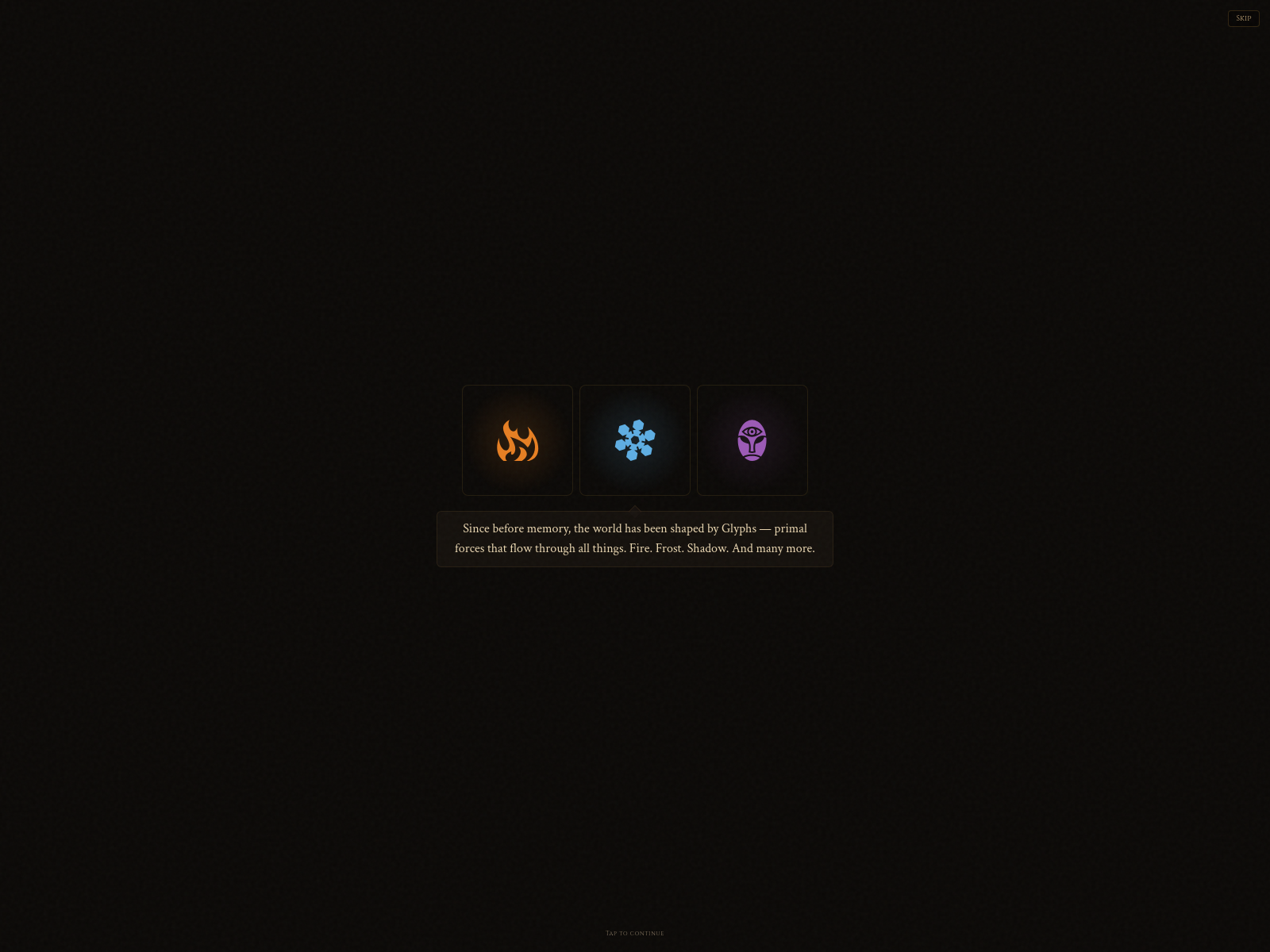
Glyphs of Glory
Glyphs of Glory is a browser card battle game with four-character room codes, three-lane combat, and multiple interacting mechanics.
Fantasy Fútbol
Fantasy Fútbol is a mobile fantasy football app covering Europe’s top five leagues, with a real-time scoring system.

🌐 Websites
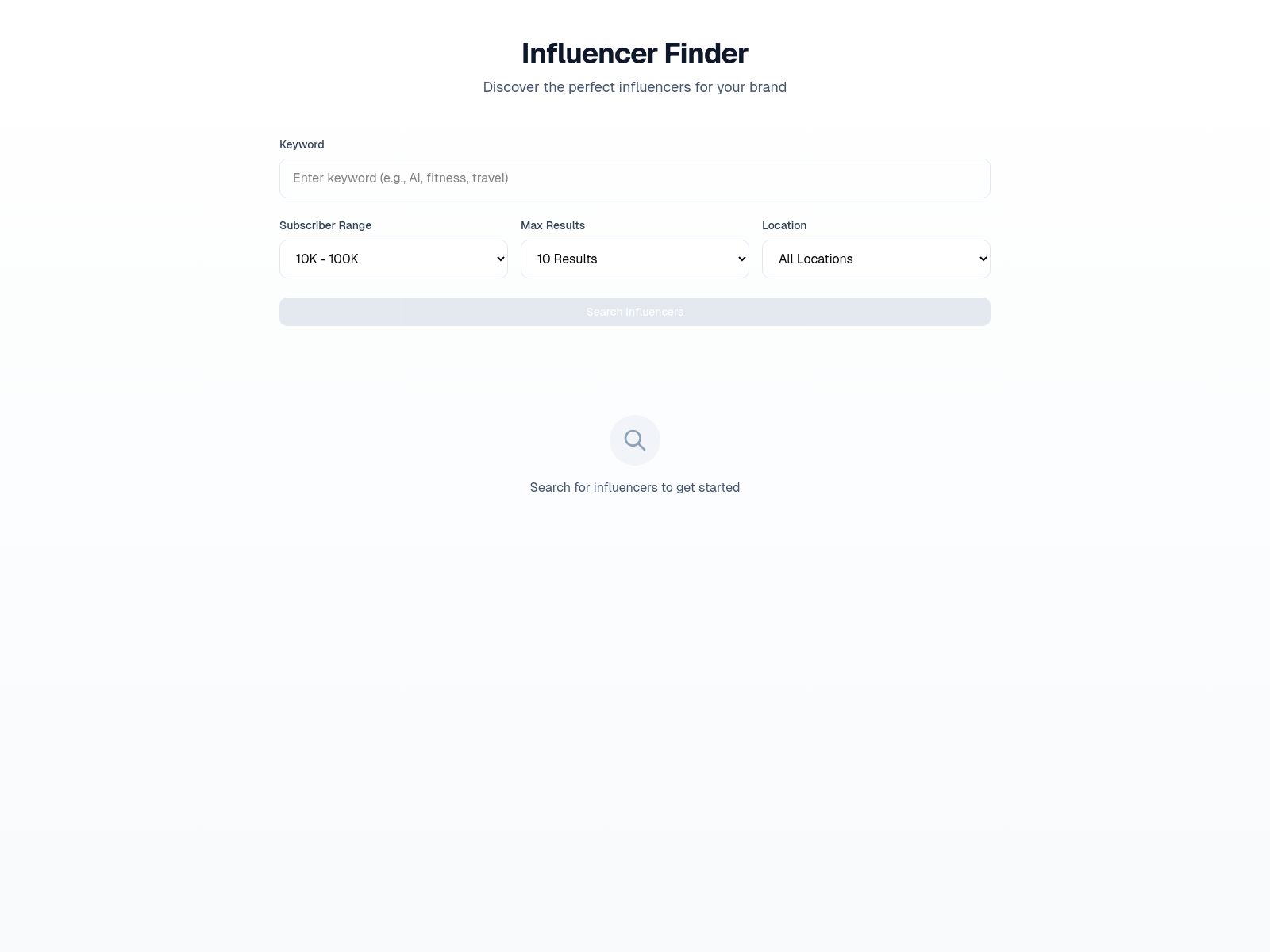
v0-influencer-finder
v0-influencer-finder helps quickly filter niche or mid-tier influencers and returns clean list-style results.
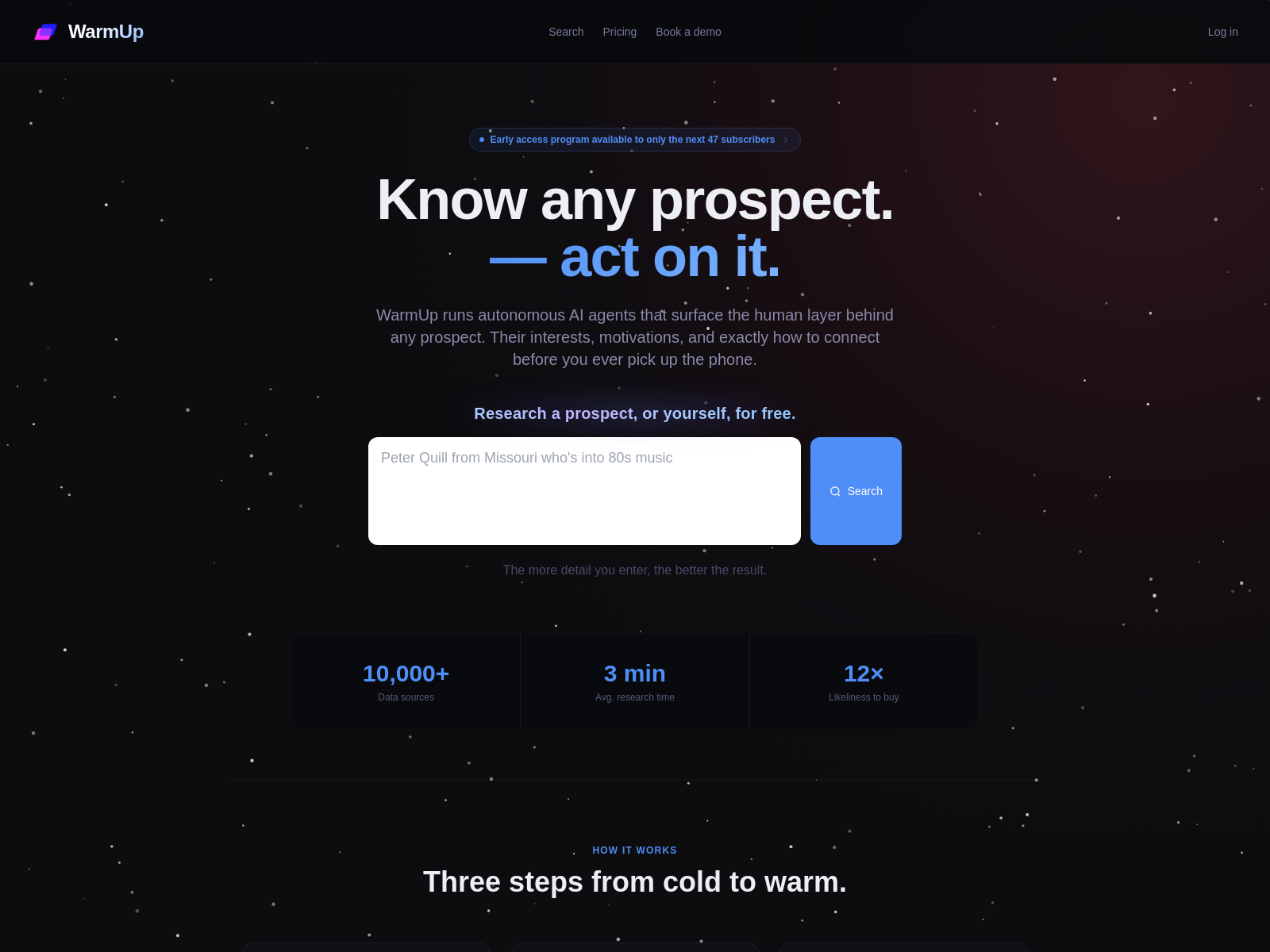
Warmup AI
Warmup AI is a multi-stage AI-agent website that generates complete human personas from a single description, including interests, background, and worldview.
ustars
ustars is an open-source market dashboard based on 60,000 high-star GitHub projects, with global skill search and project filtering.
Fun lotto app
Fun lotto app visualizes historical lottery data and analyzes number frequency to help users understand lottery randomness.

The Watch Pool
The Watch Pool helps users randomly pick a movie from their watchlist, solving decision fatigue around what to watch.

✍️ Notes
Daily project information:
Website: https://www.nomoyu.com/
RSS: https://www.nomoyu.com/rss/rss.xml
WeChat Official Account: 明航的AI副业
Feel free to connect and exchange ideas
See the website for all links.