2026-04-11. Nomoyu Daily for Indie Developers (Issue 329)
📰 News
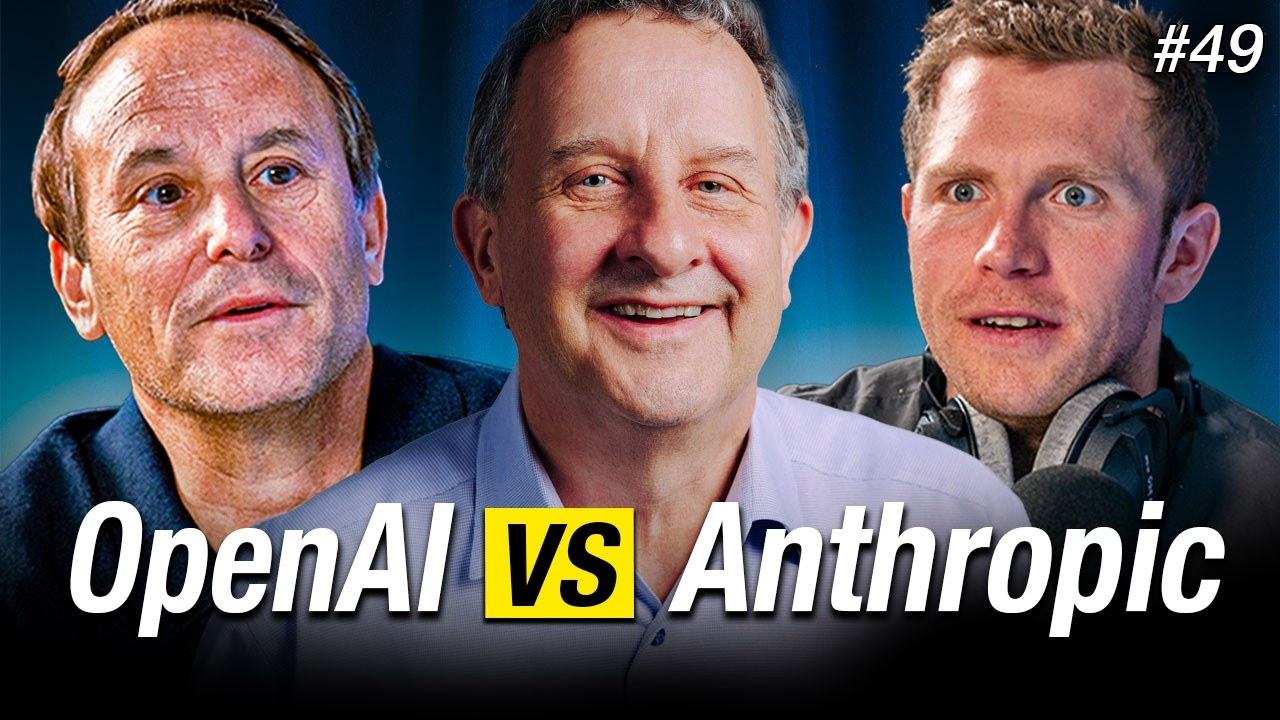
The Truth About the AI Industry: Error Tolerance Has Dropped to Zero
Google’s Stitch, a product that has not even reached a formal release, wiped 22% off Figma’s market value overnight.
One dataset from RAMP made OpenAI look vulnerable instead of invincible.
Nvidia’s $20 billion acquisition left the entire VC world sleepless: apparently the best exit path now is being bought by Nvidia.
Everything that happened this week points to the same brutal truth: in AI, there is no second place. There is only first place and the dead. And now, even the company in first place can be pulled down instantly if it makes one mistake.
Anthropic now accounts for 73% of new enterprise AI spending.
Ten weeks ago, the split was 50/50.
Six months ago, OpenAI still led 60/40.
This is not a slow market-share shift. It is an avalanche. And the scariest part is that OpenAI’s response was mockery: extrapolating an entire market from data from a lemonade stand is ridiculous.
You can choose not to believe RAMP’s data, but you cannot ignore the developers around you. Walk into almost any tech company now, and eight out of ten engineers are using Claude.
They do not use it because it is cheap or because of marketing. They use it because Claude is simply much better than GPT for their work.
After Opus 4.5, the gap is no longer small. It can write full PRs, run complete workflows, and act like your AI VP. Once your entire business is built on Claude, you will not switch away.
That is not choice. That is lock-in.
And what is OpenAI doing?
One moment it says it will cut headcount to control costs, then it says it will expand to 8,000 people. One moment it says it will go all in on hardware, then it kills the hardware project. One moment it says Sora is the future, then it shuts Sora down.
The unstoppable OpenAI of the past is gone. The current OpenAI looks like a headless fly, crashing in every direction.
Anthropic did not do everything right. It did one thing right: focus.
From day one, it targeted the enterprise market. From day one, it focused on long context and coding ability. It did not have flashy launches or grand narratives. It just iterated product version by version.
And then it won.
Now look at Figma.
Many people say the market overreacted. Stitch is just a toy and cannot possibly beat Figma.
They are right. Stitch is indeed weak, and Google does have a tradition of killing non-core products. But the root cause of the market panic was never how powerful Stitch is. It was how bad Figma’s own AI product is.
There is an iron rule: if you cannot charge for your AI feature, it is not a product. It is just an optional feature.
Notion can double ARPU because its AI is actually useful. Anthropic can reach $22 billion in annual revenue because its AI is actually useful. Figma cannot, because its AI is not useful enough.
The market is not stupid. It is not seeing Stitch as the threat. It is seeing Figma’s slowness. It is seeing a once-cool tech company being dragged down by its own success.
Your existing user base used to be your biggest moat. Now it can become your biggest shackle.
All your resources go into maintaining old users. Every decision must consider how old users feel. You do not dare take risks or disrupt yourself. Then one day, an unknown small company arrives with a better AI product, and your entire empire begins to shake.
Figma is not the first, and it will definitely not be the last.
Every VC is anxious now, no matter how successful they used to be.
Because they suddenly realized that the entire game has changed. In the past, if you invested in a unicorn, you could wait for an IPO or wait for Google or Microsoft to buy it. Now?
Who will buy these AI companies valued above $1 billion?
Microsoft will not. Nvidia will not. Google will not. Apple will not. They will only buy companies that can put them years ahead, such as Grock. The remaining 99% have no buyer.
And the IPO market is basically half closed.
So the current situation is this: getting a $9 billion valuation is much easier than getting a $1 billion exit.
Everyone is playing hot potato. Seed passes to Series A, Series A to Series B, Series B to Series C, Series C to Series D. Then what? The music stops, and whoever is holding the potato is unlucky.
That is why VCs are pouring into late-stage deals.
Early-stage investing is too risky, while late-stage investing at least gives you paper gains first. At least you can tell LPs what your fund’s mark-to-market return looks like.
Whether those gains can eventually exit is a problem for later.
This is the real state of the AI industry.
There are no eternal kings and no unbreakable moats. Yesterday you were the disruptor. Today you become the disrupted. Yesterday everyone praised you as a star. Today everyone mocks you.
The market does not punish mistakes. It punishes mistakes made half a beat too late.
You can be wrong, but you must correct it before others notice. If you are one step late, even just six months late, you may never catch up again.
In this accelerated age, error tolerance has dropped to zero.
🖥️ Software
CastReader
CastReader is a browser TTS extension that uses OCR to recognize encrypted Kindle Web text and combines speech synthesis with automatic page turning.

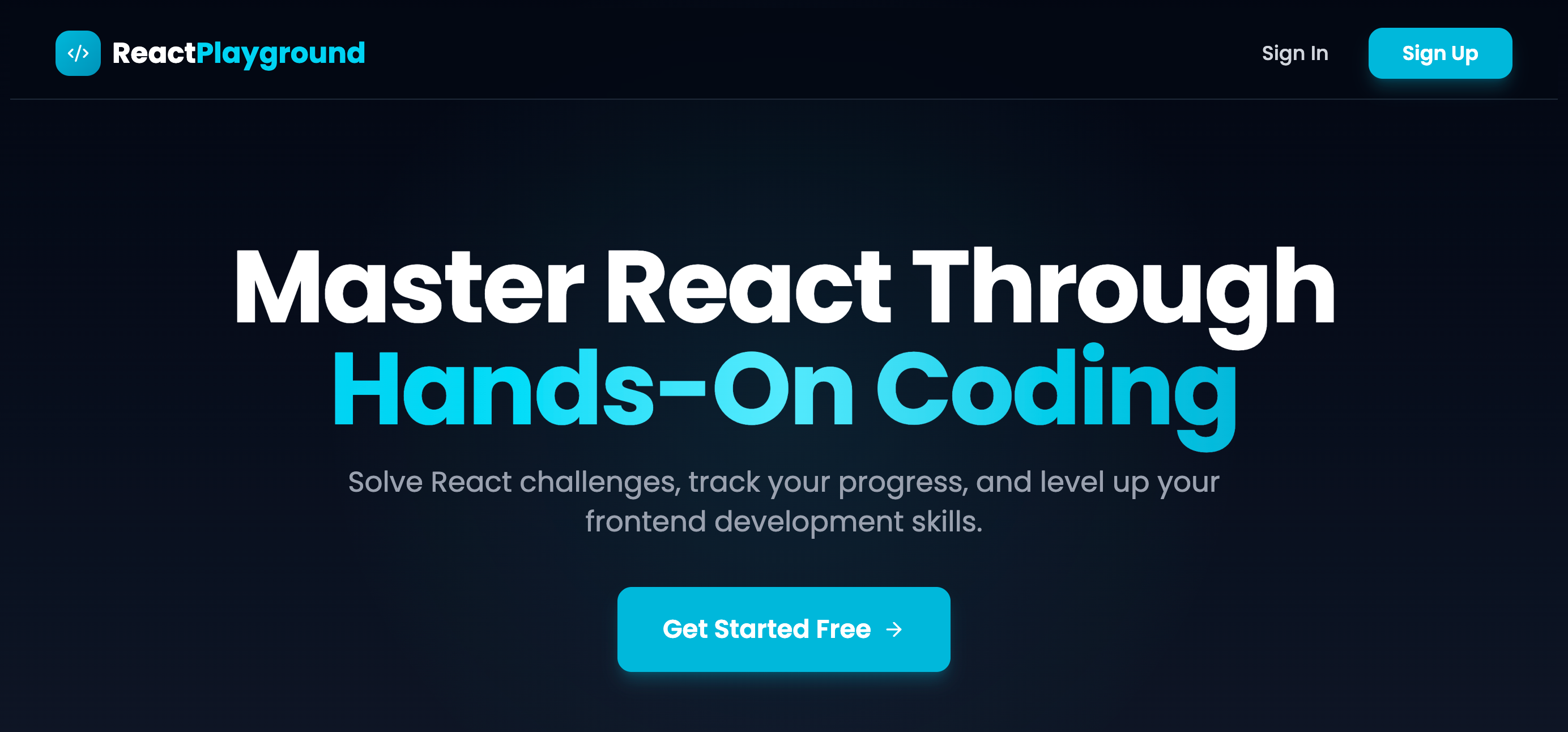
React Playground
React Playground is a live React code sandbox that executes code instantly through WebSocket and streams back results, with support for multi-user load.
heyEvie
heyEvie is an AI companion app made by an indie developer, emphasizing gradual trust building and long-term relationship simulation, with voice emotion and Live2D avatars.

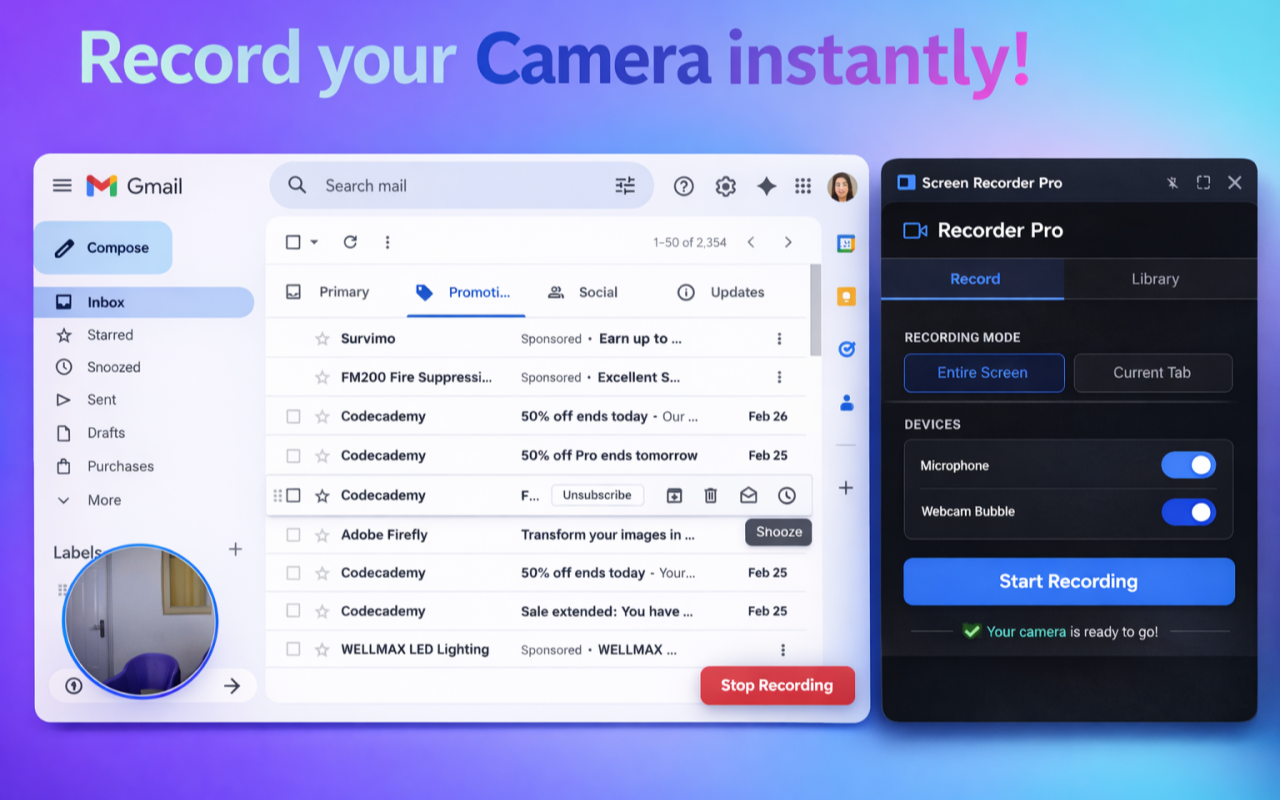
Screen Recorder Pro
Screen Recorder Pro is a no-subscription browser sidebar screen-recording extension that works offline, protects privacy, and requires no account.
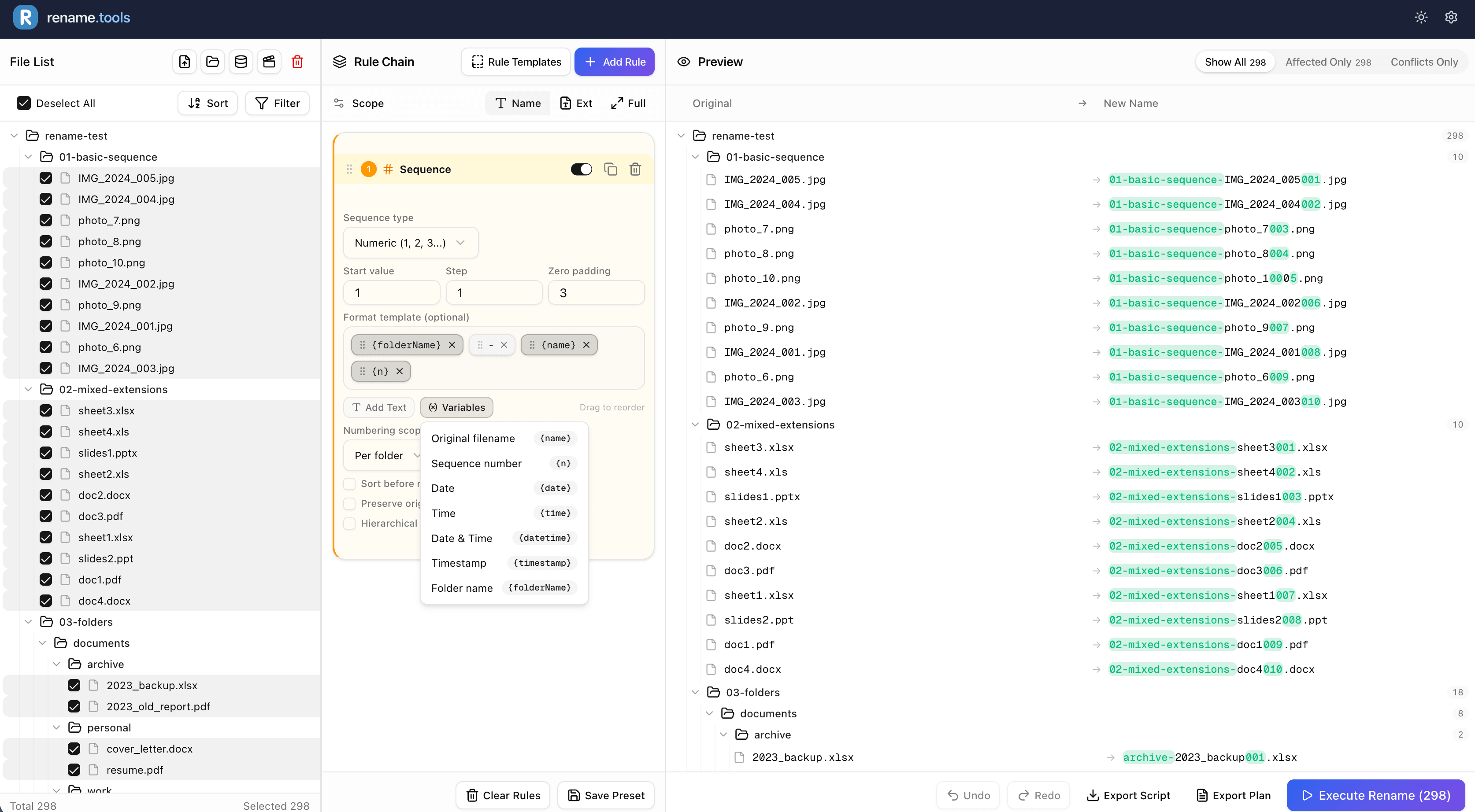
Rename Tools
Rename Tools is an open-source browser-based batch renaming tool with regex, rule chains, undo/redo, and script export.
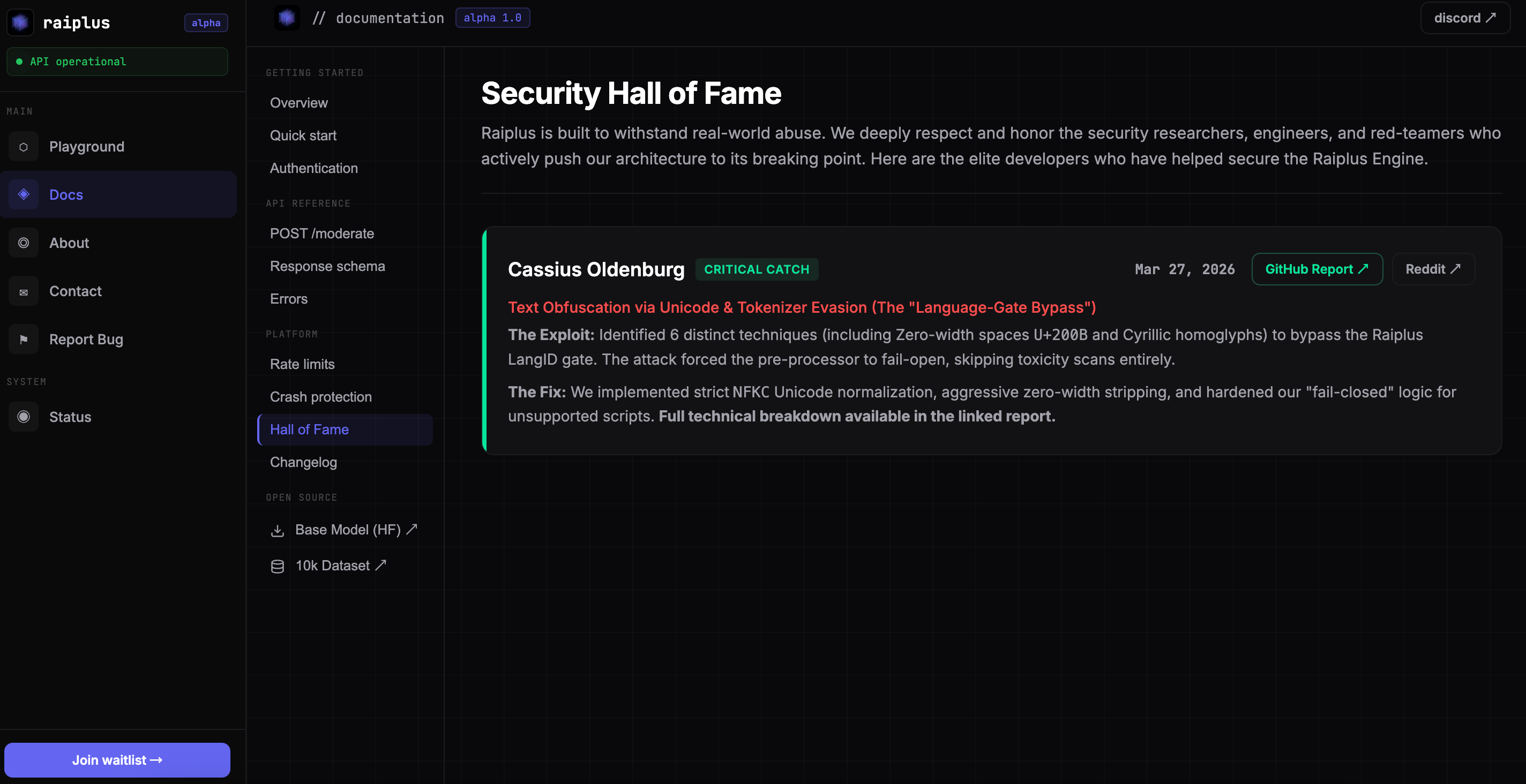
Hinglish Moderation API
Hinglish Moderation API is a real-time text toxicity detection tool under 50 ms, using V8-optimized hash maps for cross-script homoglyph normalization to block zero-width spaces and mixed-script attacks.
IndieEvent
IndieEvent is a social tool that helps users connect with others in unfamiliar cities, focusing on relaxed ways to meet new people.

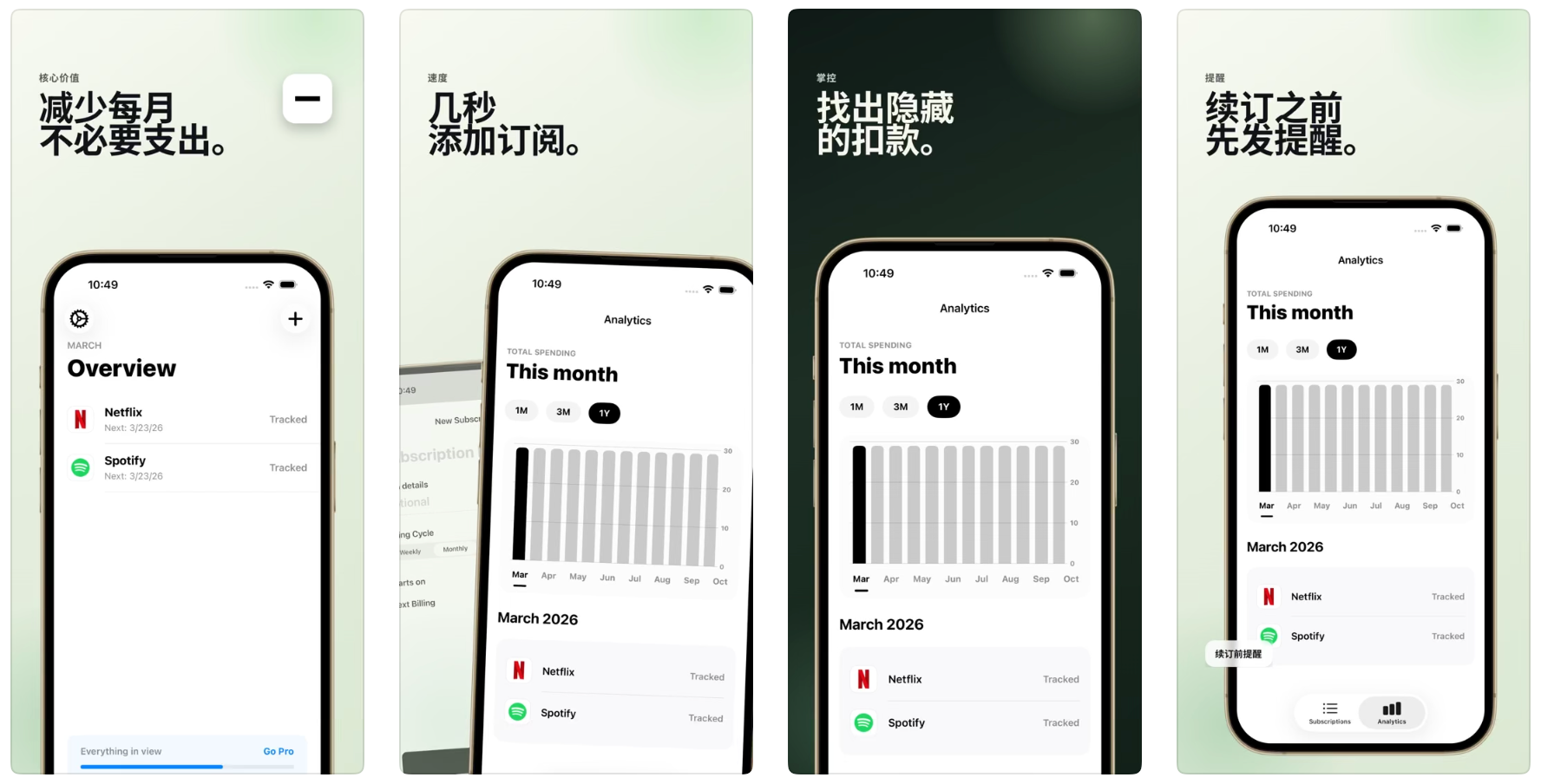
Minus
Minus is an iOS subscription tracker that supports offline subscription management, one-time paid Pro unlock, renewal reminders, and biometric locking.
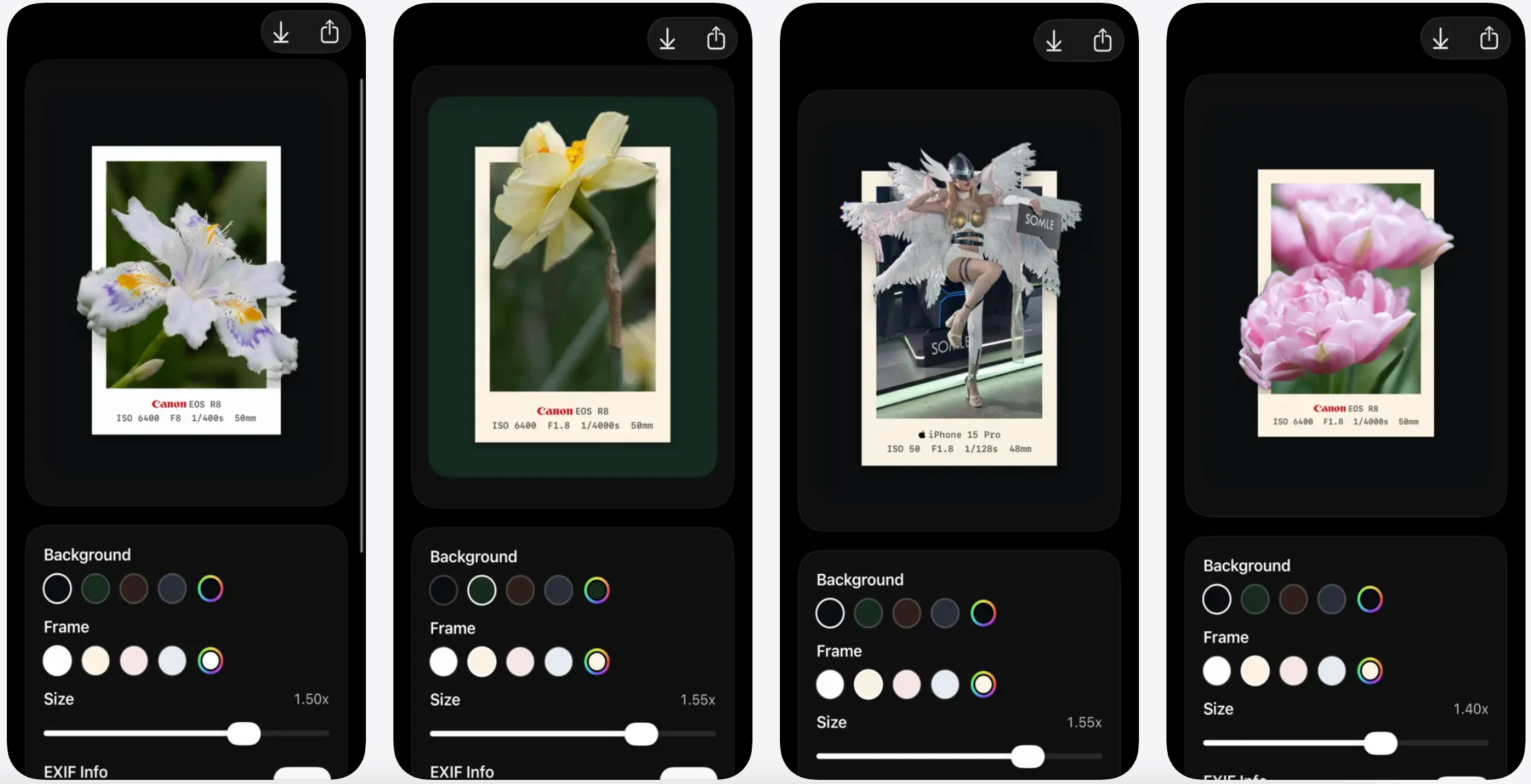
ioutbox
ioutbox is a mobile app that quickly converts ordinary photos into glasses-free 3D photos and supports detecting camera brand logos.
🎮 Games
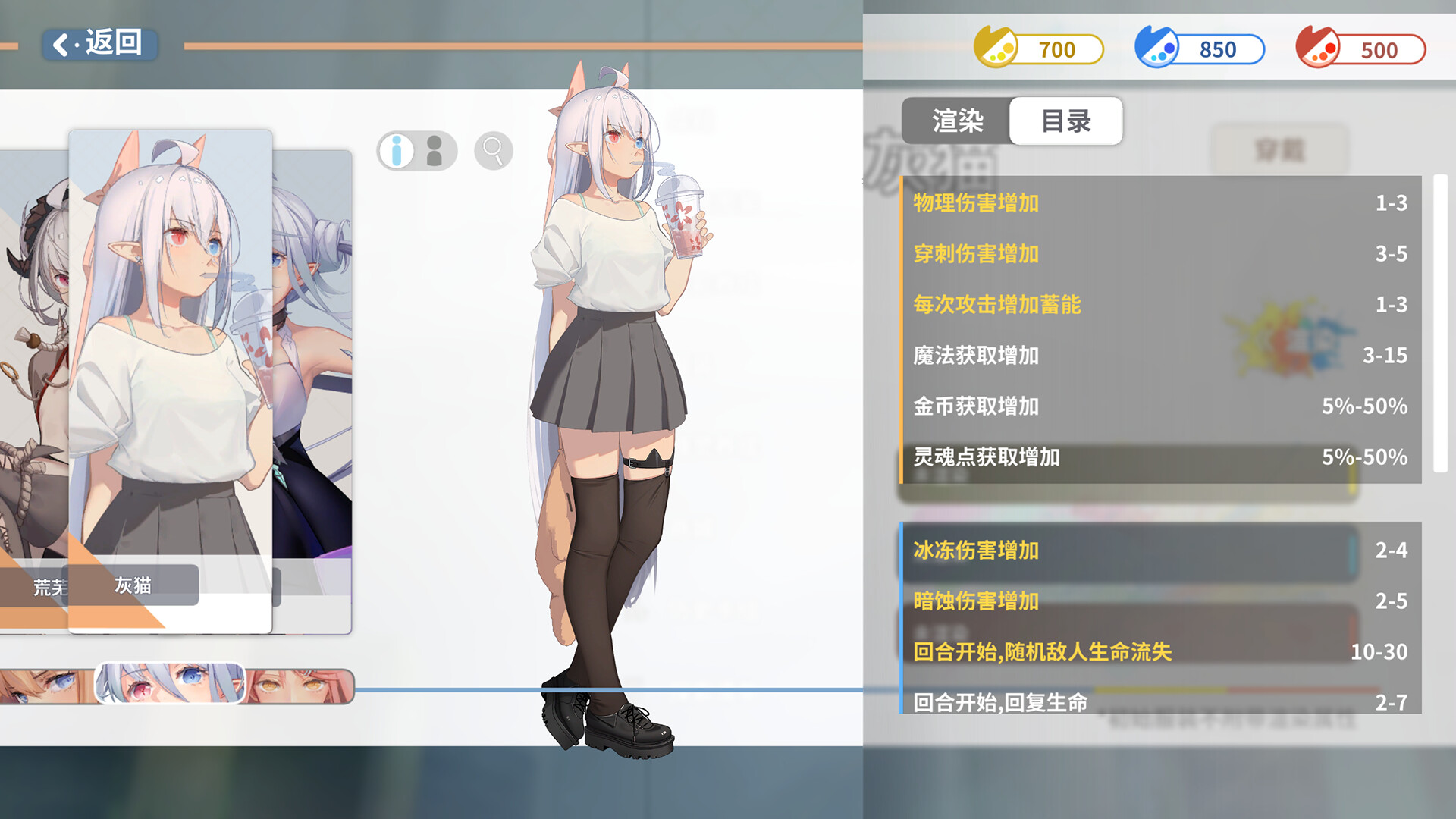
CitySpotter
CitySpotter is a procedurally generated isometric city game where players search for unique buildings in large-scale cities, with a retro SimCity style.
🌐 Websites
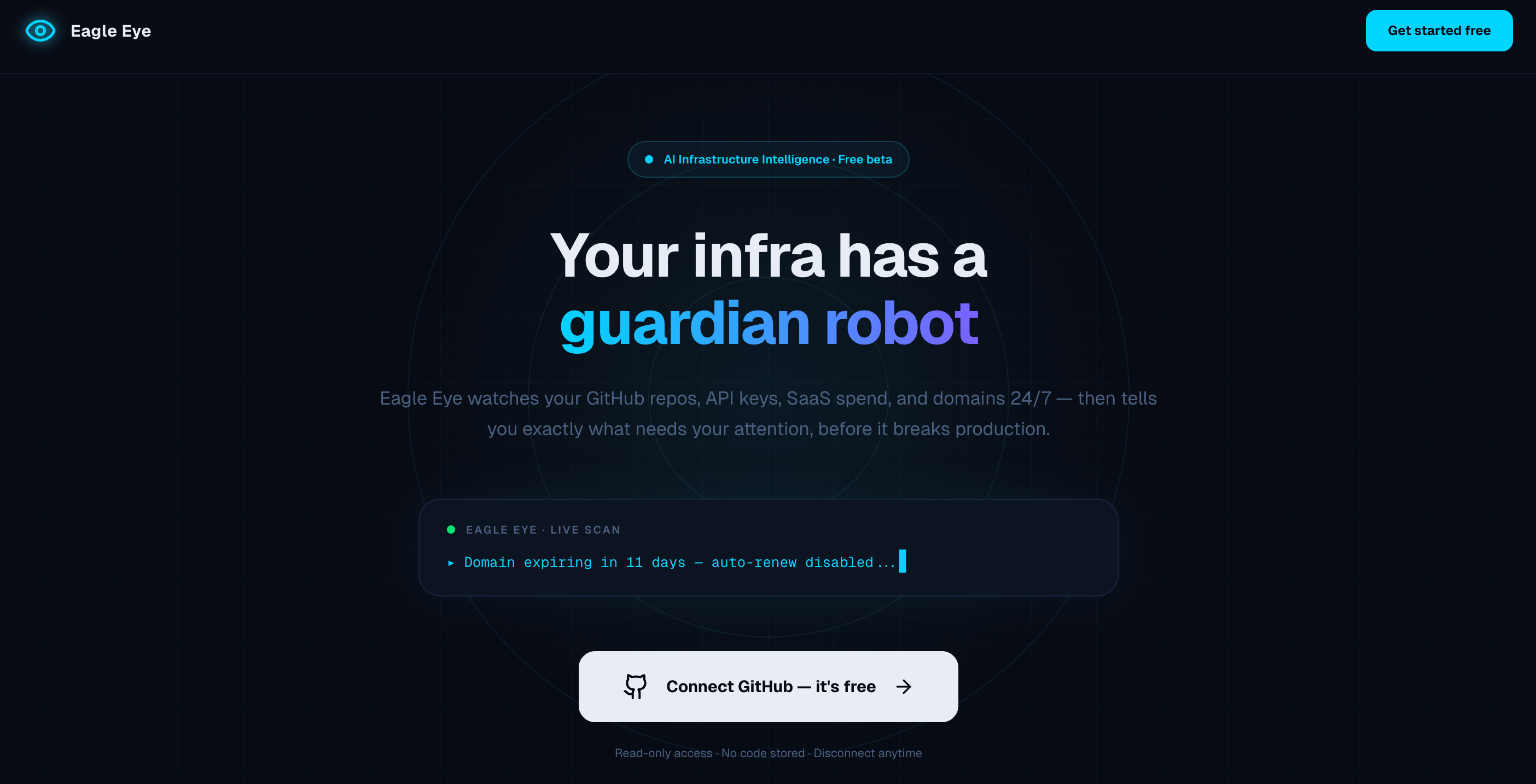
Eagle Eye
Eagle Eye is an API key and cost monitoring tool built by an indie developer. It scans GitHub repositories to identify API providers, monitors key expiration, tracks spending and quotas, and supports AI optimization suggestions.
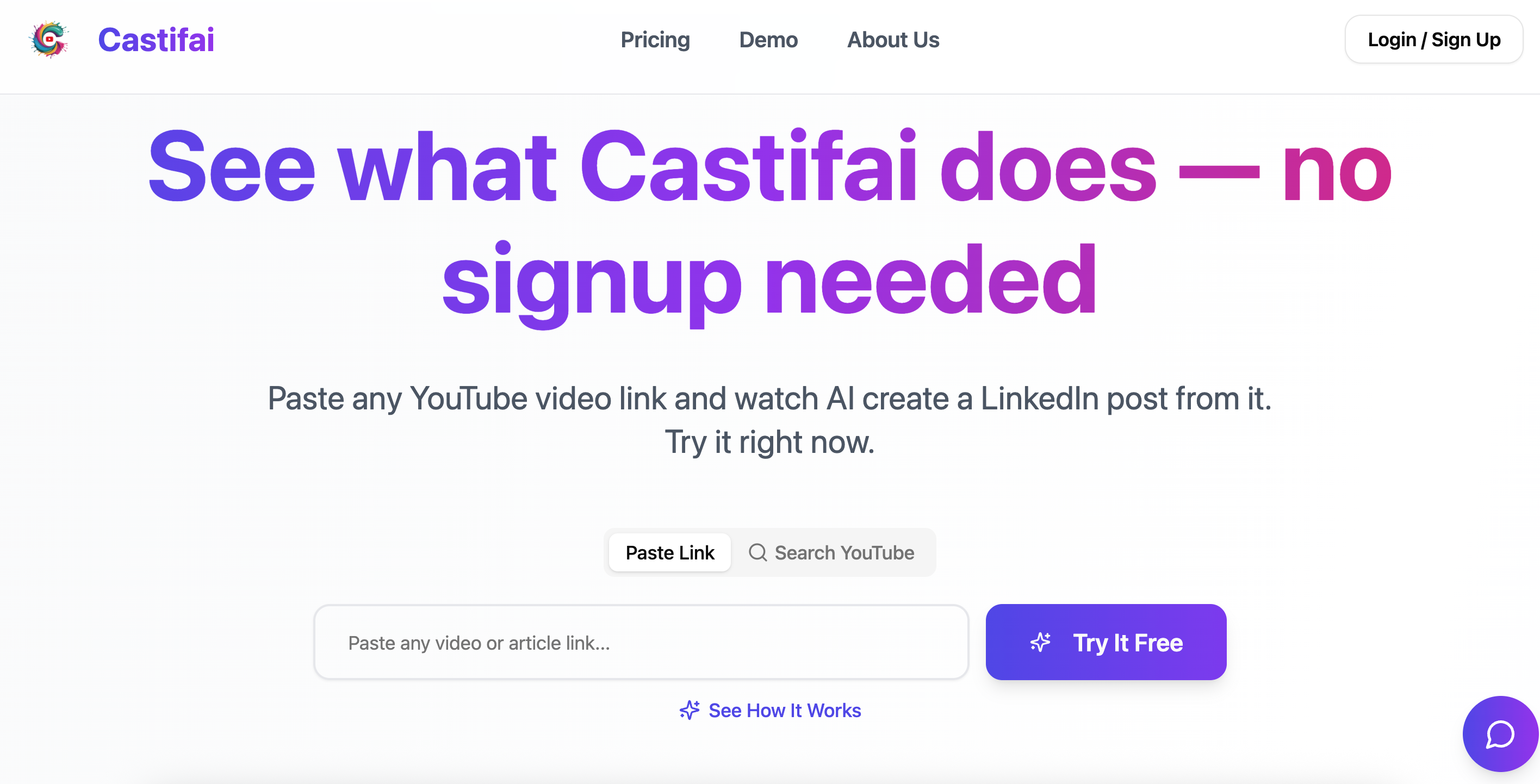
Castifai
Castifai is an automation tool that turns YouTube videos into LinkedIn posts, infographics, and other content, with multilingual and humanized copy support.
✍️ Notes
Daily project information:
Website: https://www.nomoyu.com/
RSS: https://www.nomoyu.com/rss/rss.xml
WeChat Official Account: 明航的AI副业
Feel free to connect and exchange ideas
See the website for all links.