2026-04-15. Nomoyu Daily for Indie Developers (Issue 333)
📰 News
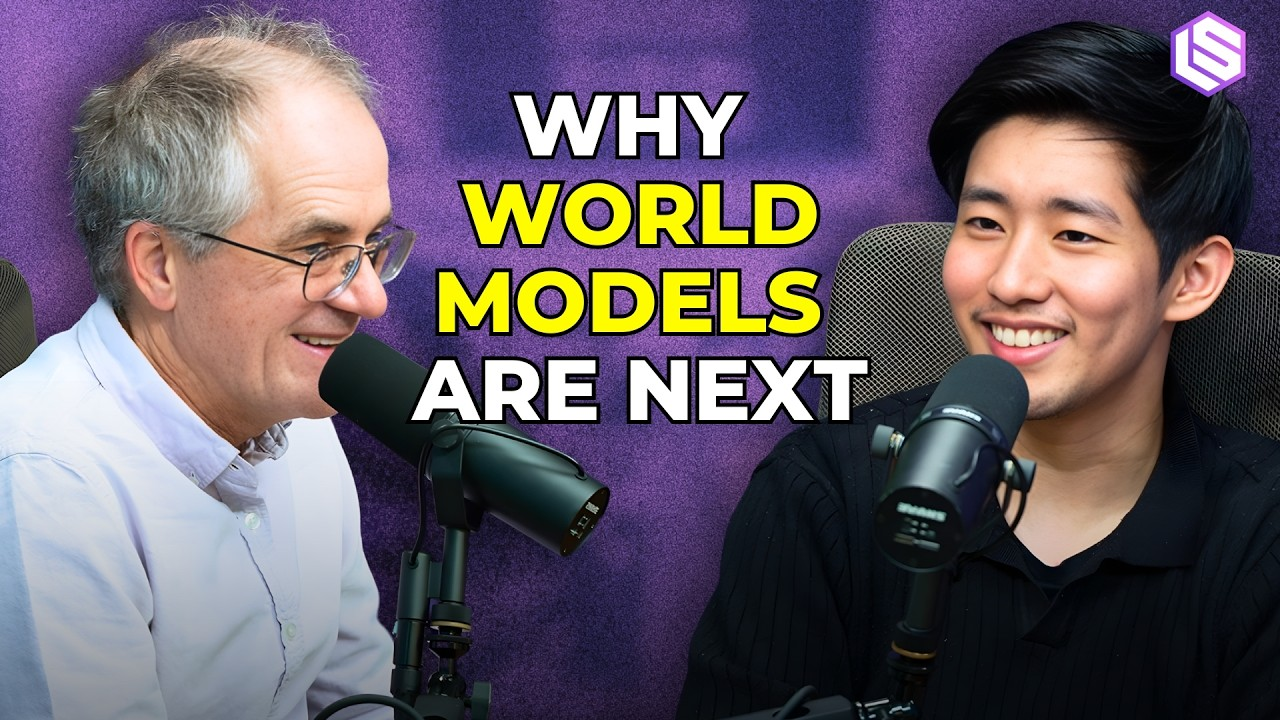
After Sora Shuts Down, Can World Models Still Continue?
When Sora came out, the entire tech world shouted that “world models had arrived.”
OpenAI released a few videos lasting dozens of seconds. The pixels were realistic enough to look fake only because they were too real, and everyone felt that simulating the whole world was only a few more orders of magnitude of compute away.
But Chris Manning, a leading figure in NLP, and Moon Lake, the company he founded, have delivered a loud slap to this feverish age.
Video generation models are not world models at all.
This is not an academic argument. It is a fight over the roadmap for AI’s next decade.
Beautiful pixels, an empty brain
Sora can generate a perfect video of a bowling ball knocking down pins, but it does not know why the pins fall.
It does not know the ball’s mass, the acceleration of gravity, the physical laws of collision, or what would happen if I threw the ball from a different angle. It has only memorized the pixel distribution of countless bowling videos on the internet, then stitched together a clip that looks reasonable through statistics.
This is like a student who has memorized every answer in an exercise book but never understood the formulas themselves. When the exam repeats the original question, he can get full marks. But if the question changes slightly, he is completely lost.
That is why all “world models” built purely on pixels can maintain consistency only for dozens of seconds. Beyond that, objects disappear out of thin air, pass through each other, or turn into strange shapes. They have no abstract concept of “what the world is like.” They are merely predicting, frame by frame, what color the next pixel should be.
A real world model does not predict pixels. It predicts consequences.
When you pick up a cup, you know that if you let go, it will fall to the floor and break. When you open a door, you know what may be behind it. When you walk on the road, you know to avoid an oncoming car. You did not learn these things from countless videos. They come from your understanding of how the world operates.
That is the core of a world model: causal reasoning, action conditioning, and long-term consistency. These are exactly the problems that the pure-pixel route can never solve.
Structure is not scale
Moon Lake has proposed what may be the most important argument for AI’s next decade: structure is not scale.
For the past five years, the entire AI industry has been brainwashed by the “bitter lesson.” Just stack data and compute, and every problem can be solved. It worked for language and images, so everyone naturally assumed world models would work the same way.
But Chris Manning points out a fact almost everyone has ignored: language itself is a highly abstract symbolic system. Every word represents a concept. Large language models are actually standing on the shoulders of thousands of years of human abstract thought.
Pixels are the lowest-level raw data. Jumping directly from pixels to an abstract understanding of the world does not require just a few more orders of magnitude of compute. It requires five orders of magnitude. That is economically impossible and temporally unacceptable.
Humans do not understand the world that way either.
Neuroscience tells us that our eyes receive billions of bits of visual information every second, but our brains process only a tiny fraction of it. We are not scanning the entire world pixel by pixel. We are building an abstract semantic model of the world. We know tables are hard, water is wet, and fire is hot. These abstractions let us survive in this complex world.
Moon Lake is taking this route. It is not trying to generate everything directly from pixels. Instead, it first builds a symbolic world-state model that handles logic, physics, causality, and consistency, then uses an independent rendering model to turn it into beautiful pixels.
This is a brilliant architectural design. It completely separates “what the world is” from “what the world looks like.” The former determines gameplay, robot behavior, and agent reasoning. The latter is responsible only for visual effects.
You can swap in a new renderer at any time and turn the same game world into cyberpunk style, Studio Ghibli style, or realistic style, while the underlying logic of the world remains unchanged.
The route fight has begun
There are now two completely different world-model routes in the AI industry.
One is the pure-pixel route taken by OpenAI and most companies: use infinite data and infinite compute to brute-force world simulation.
The other is Moon Lake’s structure-first route: use the knowledge and tools humans already possess to build efficient abstract world models.
Many people say the latter is anti-“bitter lesson” and a return to the past. But Chris Manning is clear: we are not against scale. We are against stupid scale.
If two methods can reach the same goal, and one needs 10,000 A100s while the other needs only 100, the latter is clearly the better choice. More importantly, the pure-pixel route may never reach that goal at all.
Of course, it is still too early to say who will win. But one thing is certain: companies that can only generate beautiful videos will never build real world models.
Because the ultimate goal of a world model is not to let you watch a nice video. It is to let you act, explore, create, and learn inside that world.
🖥️ Software
Tamagrow
Tamagrow is a developer tool that automatically turns GitHub pushes into social-media drafts, supporting platforms such as LinkedIn and X.

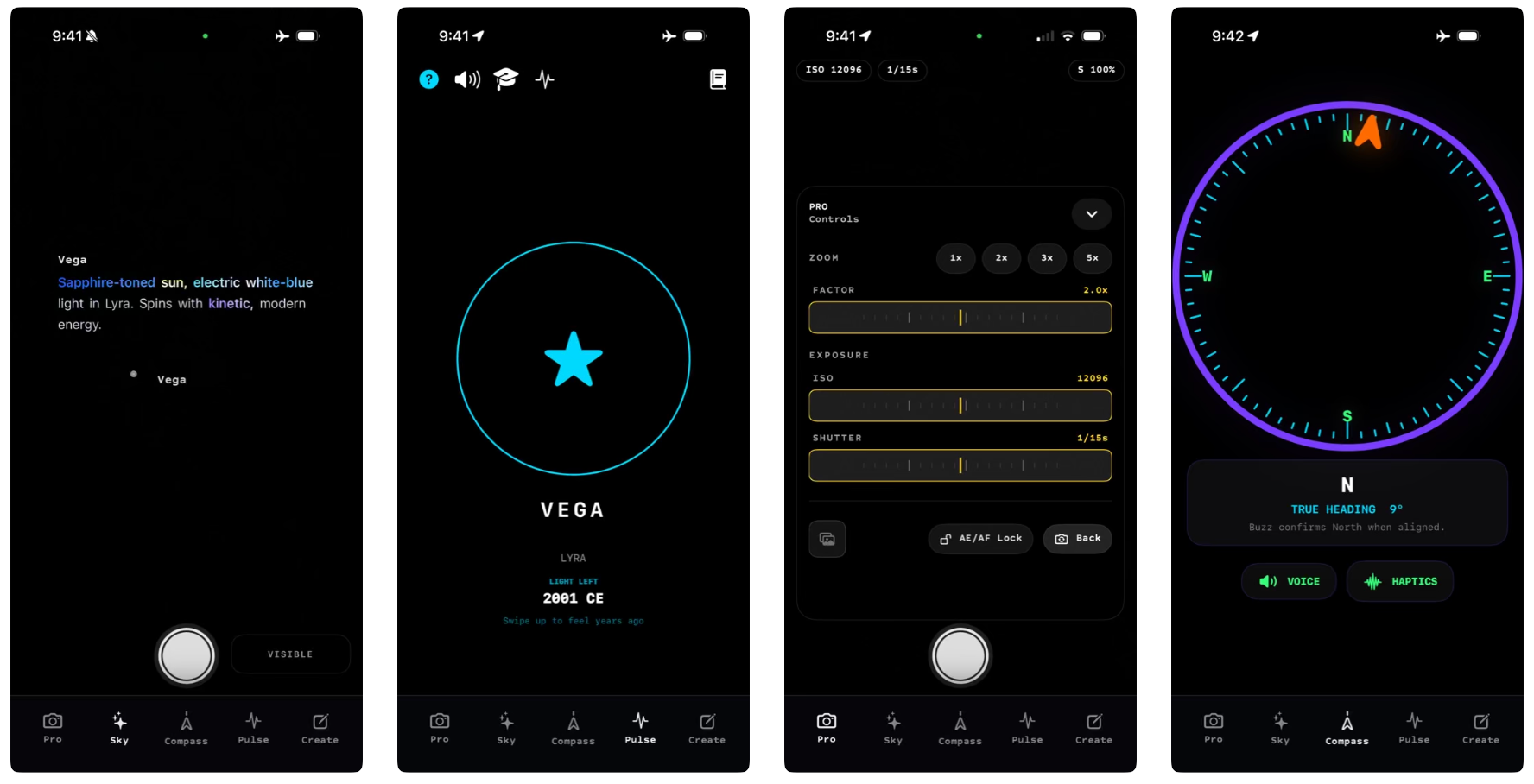
Nebria
Nebria is a stargazing app for blind and low-vision users, conveying star names and light-travel information through tactile Morse code and supporting a night photography mode.
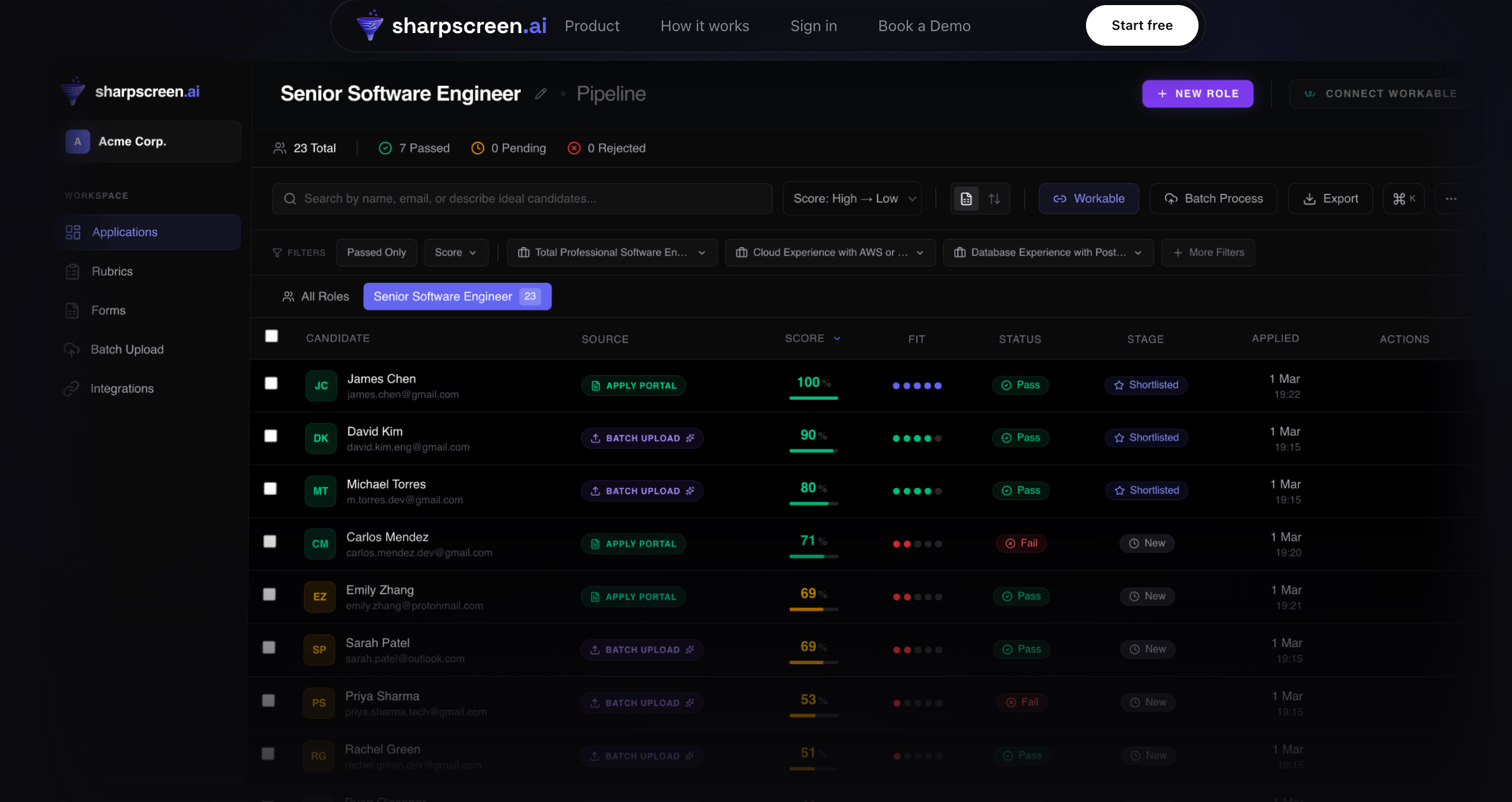
sharpscreen
sharpscreen is an AI-powered resume screening tool that understands context, evaluates depth of experience and role fit, claims 99.6% accuracy, and offers 1,000 free evaluations.
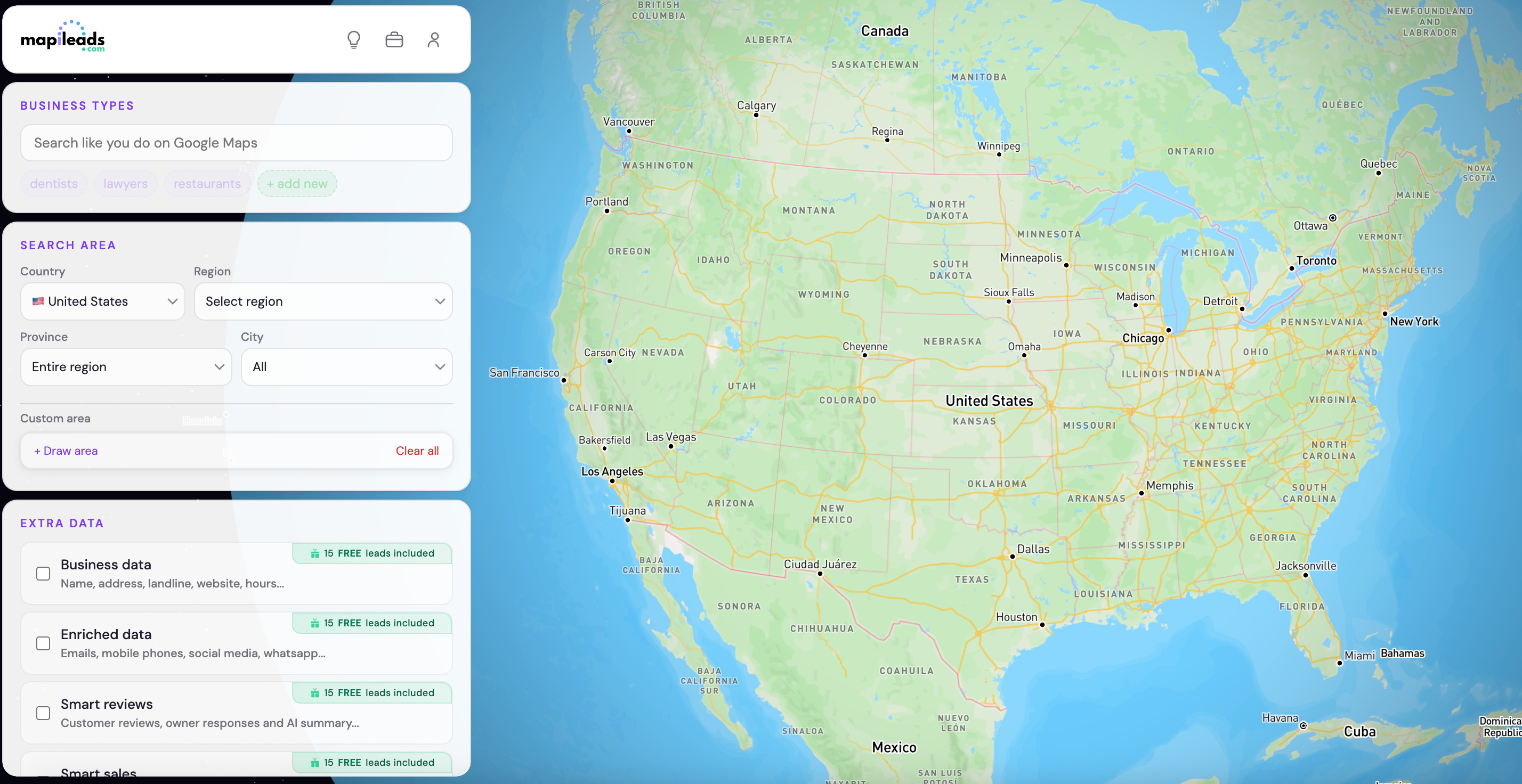
MapiLeads
MapiLeads is a local lead discovery and sales automation tool that automatically scrapes business information and generates personalized cold emails.
PostPeer
PostPeer is a content automation API tool for social posting, built by an indie developer and supporting content workflows and automated publishing.

🎮 Games
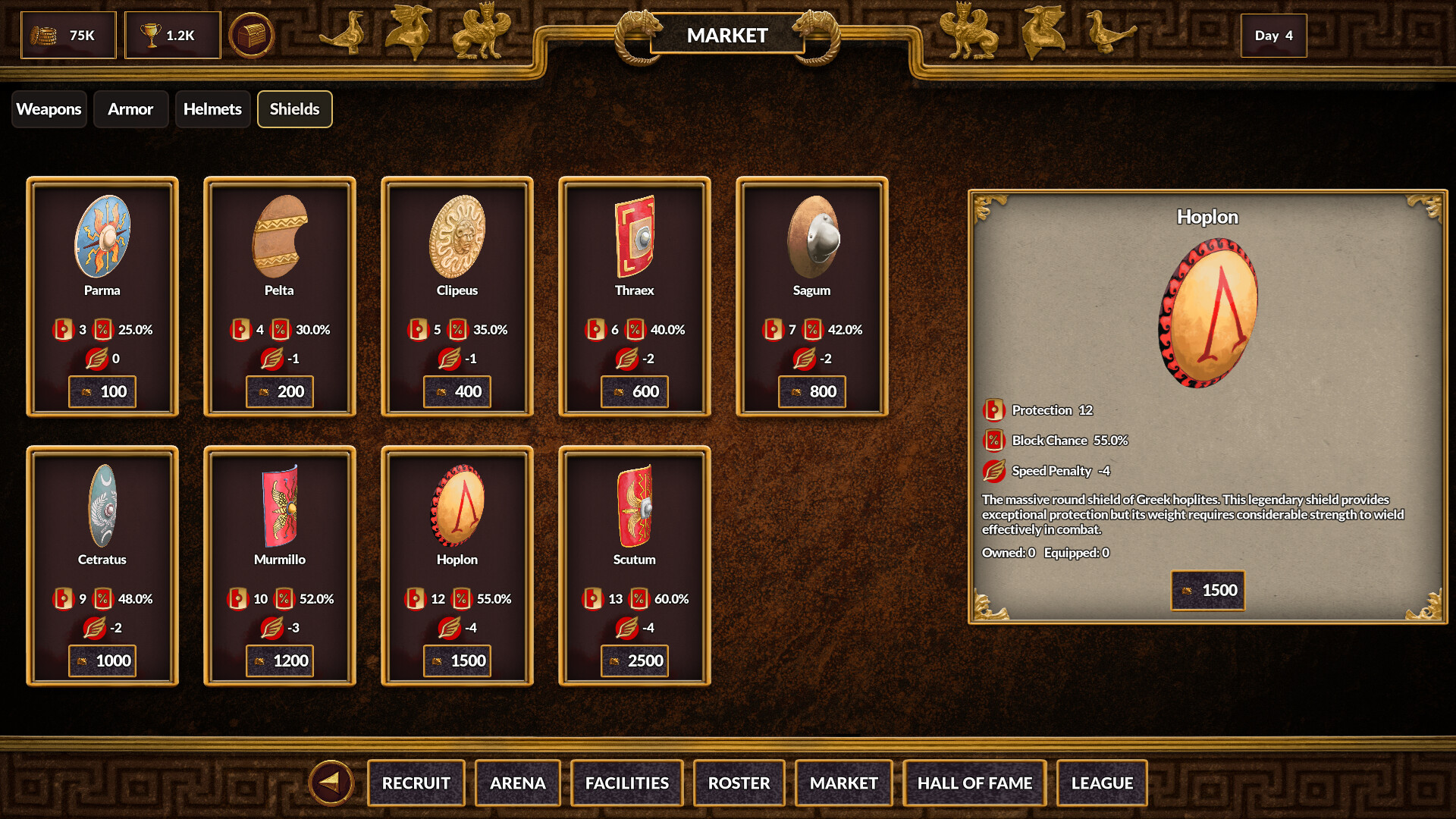
Gladiator Command
Gladiator Command is a strategy indie game that has now been released.
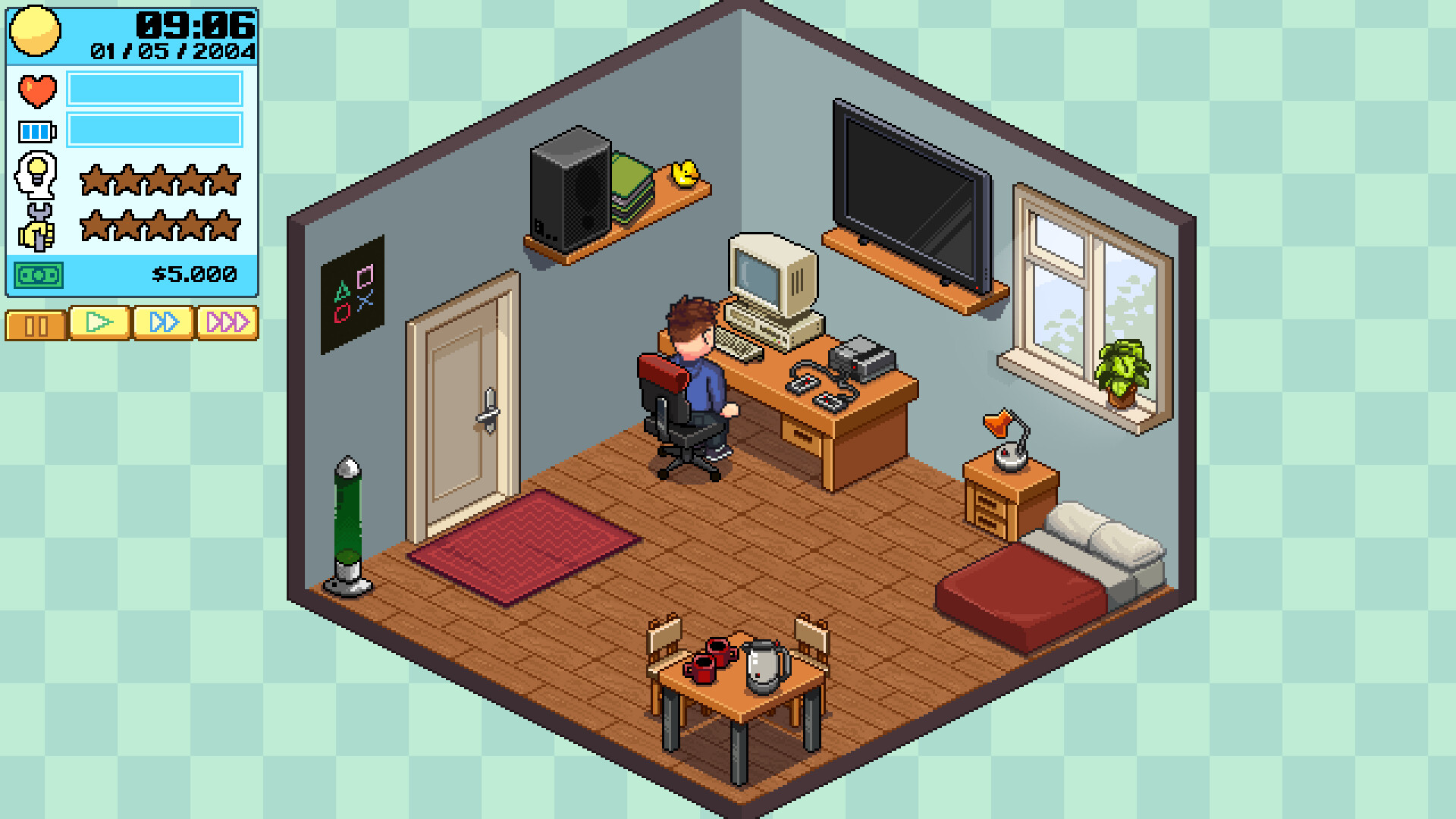
Commitment
Commitment is the first game released on Steam by a two-person indie studio, focused on narrative and cooperative gameplay, and is now available.
🌐 Websites
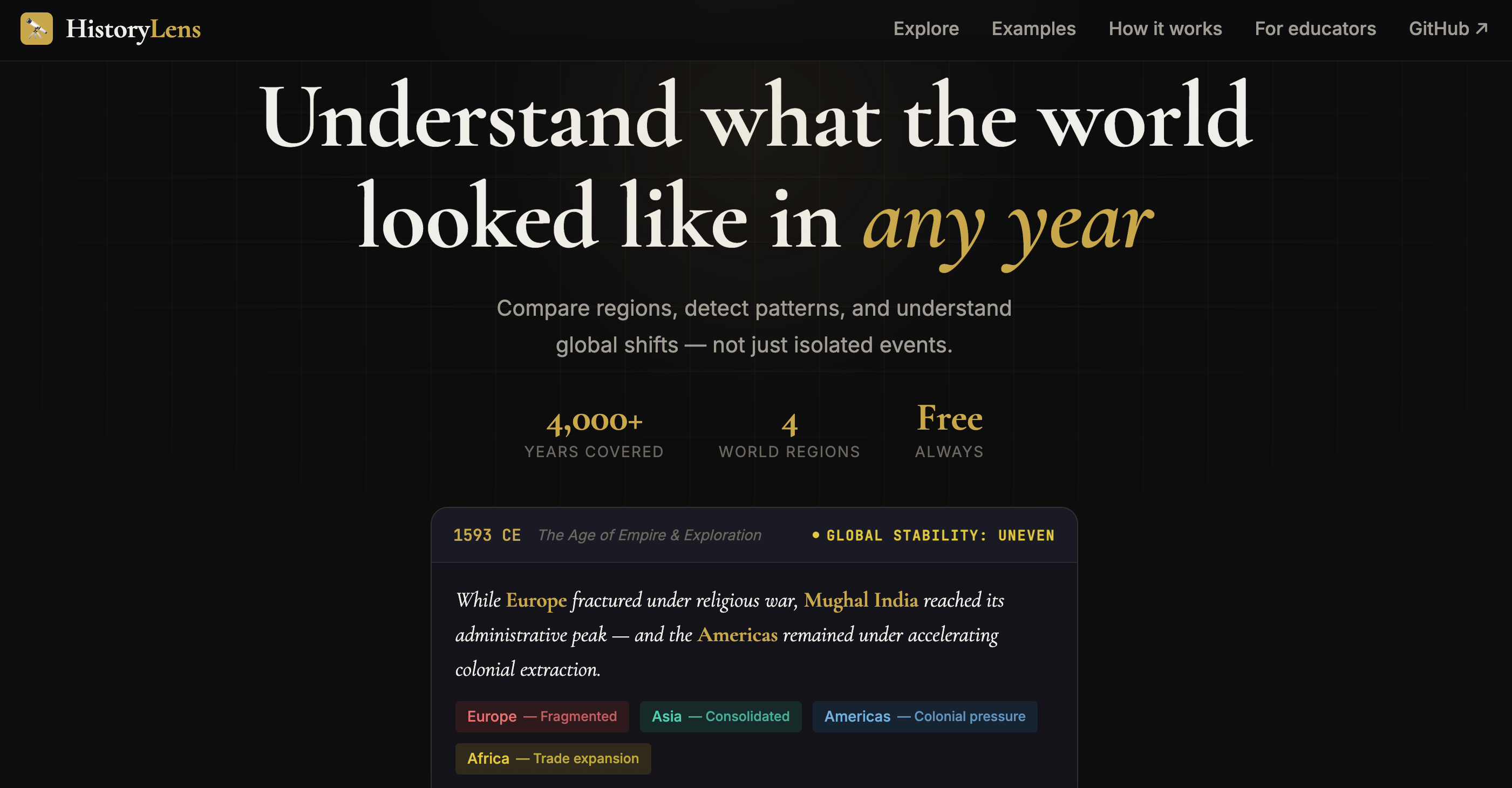
HistoryLens
HistoryLens is a web app for viewing historical events side by side by region, supporting comparisons across Europe, Asia, the Americas, and Africa.
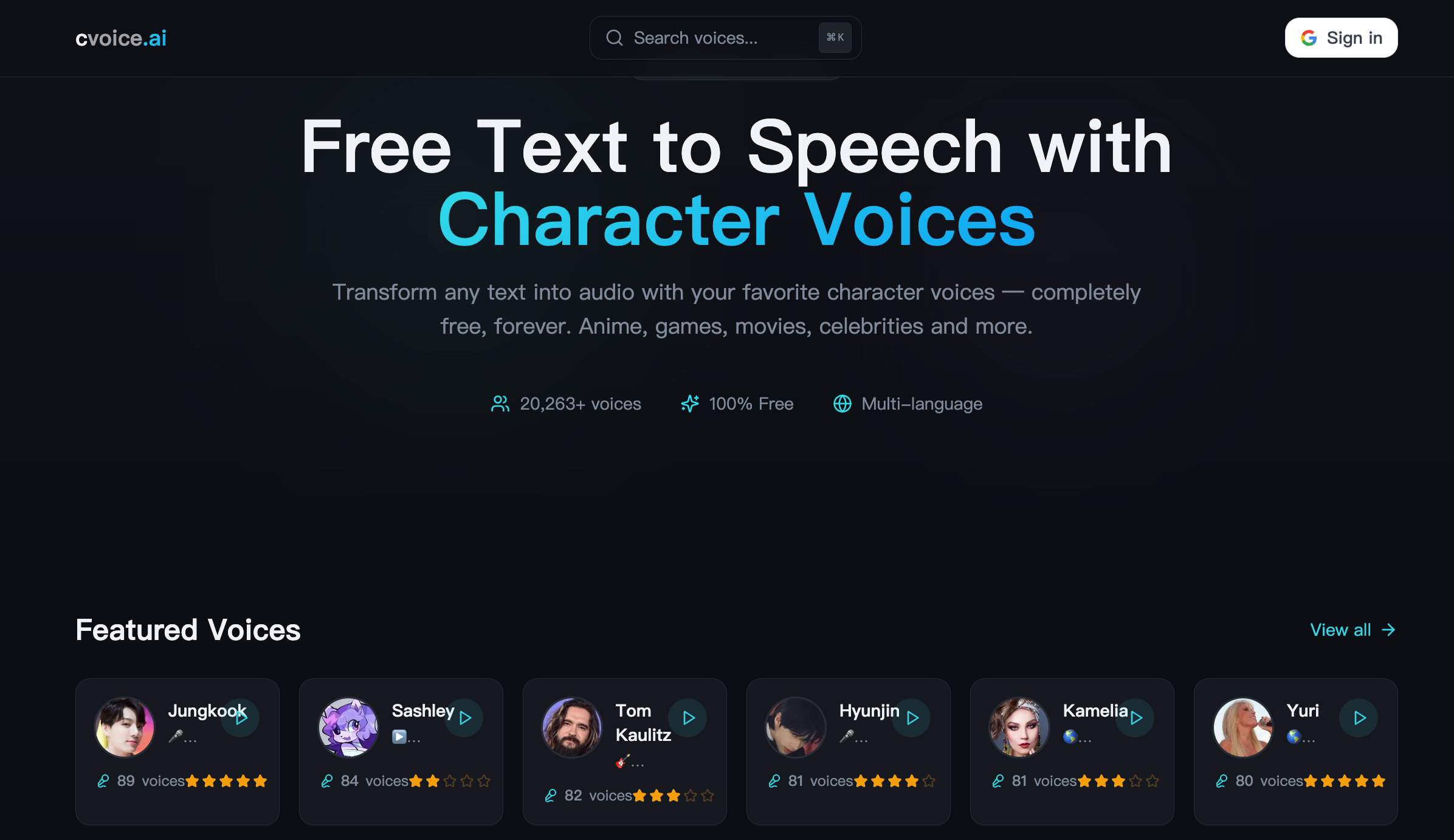
cvoice
cvoice is an online service for character-based text-to-speech, permanently free with an open API and support for multiple character voices.
Liaoliaokan
Liaoliaokan is an AI mock-interview site based on real interview experiences, supporting voice interaction and mistake tracking to help job seekers improve interview skills.

Yumoo
Yumoo is a website that turns food photos into Studio Ghibli-style illustrations for low-cost recording of food memories.

✍️ Notes
Daily project information:
Website: https://www.nomoyu.com/
RSS: https://www.nomoyu.com/rss/rss.xml
WeChat Official Account: 明航的AI副业
Feel free to connect and exchange ideas
See the website for all links.