2026-03-25. Nomoyu Daily for Indie Developers (Issue 312)
📰 News
12 years of remote-work practice: why Marsbase never worries about employees slacking off
It is 2026, and people are still arguing over whether remote work makes employees slack off.
A hard-remote company that has existed for 12 years and has never had an office from day one has used real results to embarrass every fake-remote company.
For the vast majority of companies, remote work has been a false proposition from the beginning.
In 2014, Marsbase’s three co-founders sketched out the company’s early shape over a meal.
Of the three, one lived two hours from Barcelona, one spent nearly half the year on business trips, and only one was based locally. Looking at 37signals’ books Rework and Remote, they questioned every standard startup requirement: do we really need an office? Do we really need email? Do we really need all these so-called startup essentials?
Their final answer was no.
From day one, they decided to build a hard-remote, “office-free” company. Not a company with an office that allows people to work from home, but one where the physical entity called an office never existed in the first place.
Many people think remote work was a pandemic-era dividend or a cost-cutting stopgap. But precisely that starting point explains why 90% of companies never do remote work well.
Companies that jumped on work-from-home during the pandemic and rushed employees back to desks as soon as it ended never truly recognized the value of remote work. They treated it as a temporary necessity, while still believing deep down in the old logic that “desk = attendance = work = productivity.”
Real remote work starts by embedding “no office” into the company’s basic design from day one.
In Marsbase’s third year, the company hit its first key turning point: it started hiring employees outside Barcelona.
Before that, most of the team was local. They would go to a coworking space once or twice a week so new employees could integrate into the team. But as more non-local employees joined, a fatal problem appeared:
Local employees who could meet the founders every week and have lunch together became the company’s “first-class citizens.” Remote employees far away became “second-class citizens” who could never quite get a word in.
Many decisions were made in casual lunch conversations. Much information was synchronized through accidental chats near the coffee machine. Online employees were always a step slower and always excluded from the core circle. Even if the company said “everyone is equal,” offline physical distance naturally created an unbridgeable hierarchy.
That is the cruelest truth of hybrid mode: it has never been the optimal solution for remote work. It is a weak compromise for managers who want the dividend of remote work but cannot let go of control.
Founder Alex said directly in the interview that his previous company had stepped into this trap. In so-called hybrid meetings, most people are in a conference room and remote people are pulled in on a call. If the connection is poor, they get brushed off with “we will sync you afterward,” and that sync most likely never happens. Remote employees are also never part of post-meeting team-building or beer sessions.
You can never give equal voice to someone sitting in a meeting room and someone inside a screen.
The endpoint of hybrid mode is that remote employees are completely marginalized, until they either return to the office under pressure or leave voluntarily. Marsbase’s answer was simple: stop fixed coworking gatherings and clearly require that no decision can be made offline. Everything must be synchronized into a single online source of truth.
Even if most people are in the same city, offline cliques are not allowed to form. That is the bottom line of a hard-remote company.
Remote companies are always asked one question: how do you make sure employees do not slack off?
Alex’s answer is sharp: it is an extremely stupid question.
I have spent enough time in offices to know very well that even if employees sit right under your nose, you cannot guarantee they are working for all eight hours. Plenty of people pretend to be busy at their desks and browse the web in front of a computer screen, just so the boss can see “I am present.”
If someone does not want to work, they will not work whether they are in an office or at home.
Remote work instead pulls the evaluation of “work” back from “visible attendance time” to “measurable delivery of results.”
Many managers are addicted to the sense of control that comes from seeing employees at desks, while ignoring the most basic fact: the core of management is delivering results, not monitoring behavior.
Marsbase’s logic completely overturns traditional workplace trust: trust is not a reward employees slowly earn; it is the entry ticket you should provide when you hire someone.
On an employee’s first day, they receive 100% trust. They can freely arrange their working hours, with no clock-in, no itinerary reporting, as long as they can deliver results on time and take responsibility for their work.
But that trust is not infinite. You can lose it, and once it is completely broken, it can never be recovered.
They once encountered an employee who took the company’s salary while secretly working for other companies and falsifying work status. After discovering it, the company fired the person directly.
In an environment built on trust, the breaking of trust is the only unforgivable red line.
Managers who constantly worry about remote employees slacking off, install monitoring tools, check backends, and force cameras on are not fundamentally distrusting employees. They are distrusting their own management ability. They use “visible attendance” to cover up their inability to judge work results.
Many people oppose remote work because “the team has no cohesion and employees will be lonely.”
Alex admits that remote work does have its darkest moments. A remote worker often hits a concentrated wave of loneliness around 12 to 15 months after joining. You may feel unseen, lacking enough social contact, trapped in emotional overthinking, and eventually affected at work.
But office cohesion depends on passive, uncontrollable connections such as coffee-machine encounters and lunch chats. A hard-remote company’s moat is an actively designed connection mechanism that covers everyone.
This cannot be solved by piling on online meetings. “Connection” has to be woven thoroughly into company culture.
Marsbase has done these things for 12 years: - Martian Days four times a year, flying the whole company together for face-to-face communication and brainstorming, using high-density offline connection to replace useless weekly meetups; - an annual all-hands retreat lasting four to five days, giving team members time to build real emotional bonds; - a fixed half-hour “virtual coffee time” every Friday, with no work talk, open to everyone, just chatting, celebrating birthdays, and sharing life, recreating office casual talk; - “Martian Tapas” every Thursday, where anyone can present, whether about a newly learned technology, a useful tool, their lifestyle, or language-learning experiences, giving everyone a chance to be seen.
To solve the problem of new employees being easily ignored in a remote environment, they also designed a buddy system, pairing each newcomer with a senior employee who guides them through the company, helps them integrate, and answers all their questions.
These actively designed mechanisms are ten times more effective than random office encounters.
For many companies, remote work is just moving useless office meetings into online conference calls. They never think that remote work needs a completely different management logic and cultural system from office work.
Marsbase, this 12-year-old company, has kept 95% of its remote principles unchanged from founding to today. It does not swing with external trends, nor does it withdraw trust from employees because the industry changes. That is the rarest foundation of a hard-remote company.
In the end, remote work was never as simple as “working from home.”
It is a full system that overturns the logic of “office = management = productivity” from the ground up. It treats employees as adults, replaces monitoring with trust, replaces seat time with results, and replaces hierarchy with equality.
What young people want has never been “lying at home while working.” It is the right to work without being drained by useless commutes, without being kidnapped by the boss’s desire for control, and with full trust and respect.
🖥️ Software
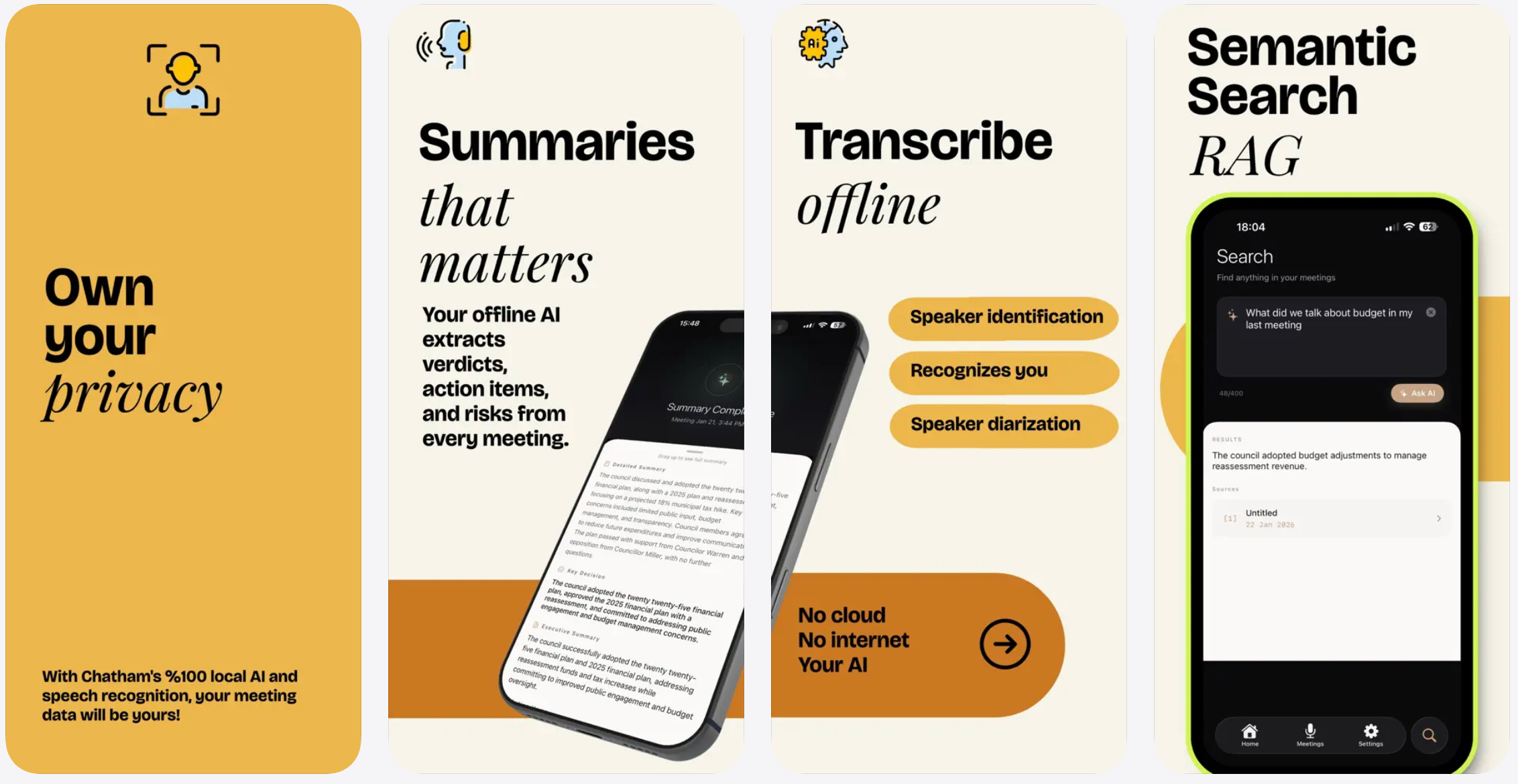
Chatham
Chatham is an on-device iPhone meeting-notes app that transcribes meetings, distinguishes speakers, and generates key-point summaries.
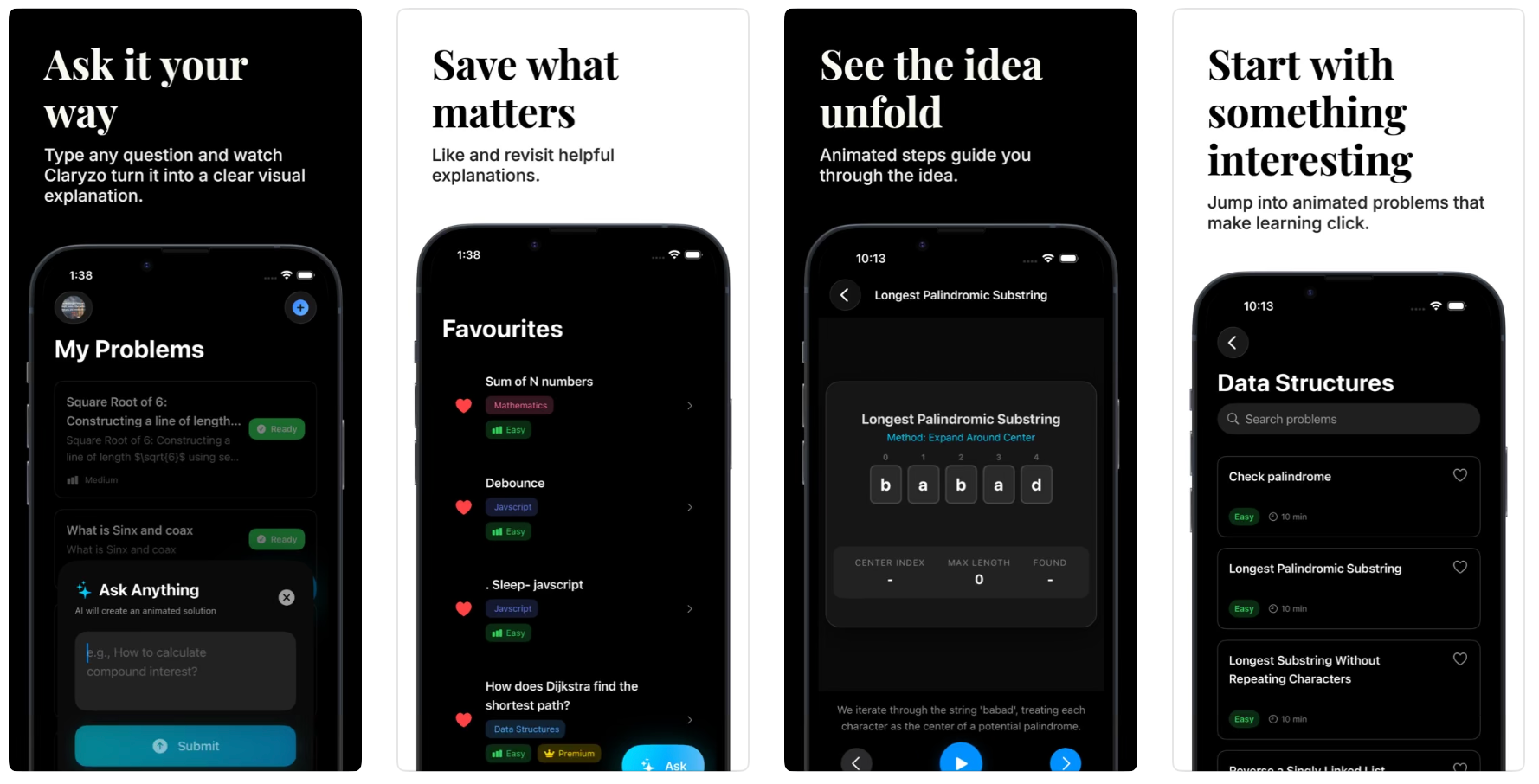
Claryzo
Claryzo is a learning app that turns questions into step-by-step animated explanations, adds voice narration to aid understanding, and suits quick study in fragmented time.
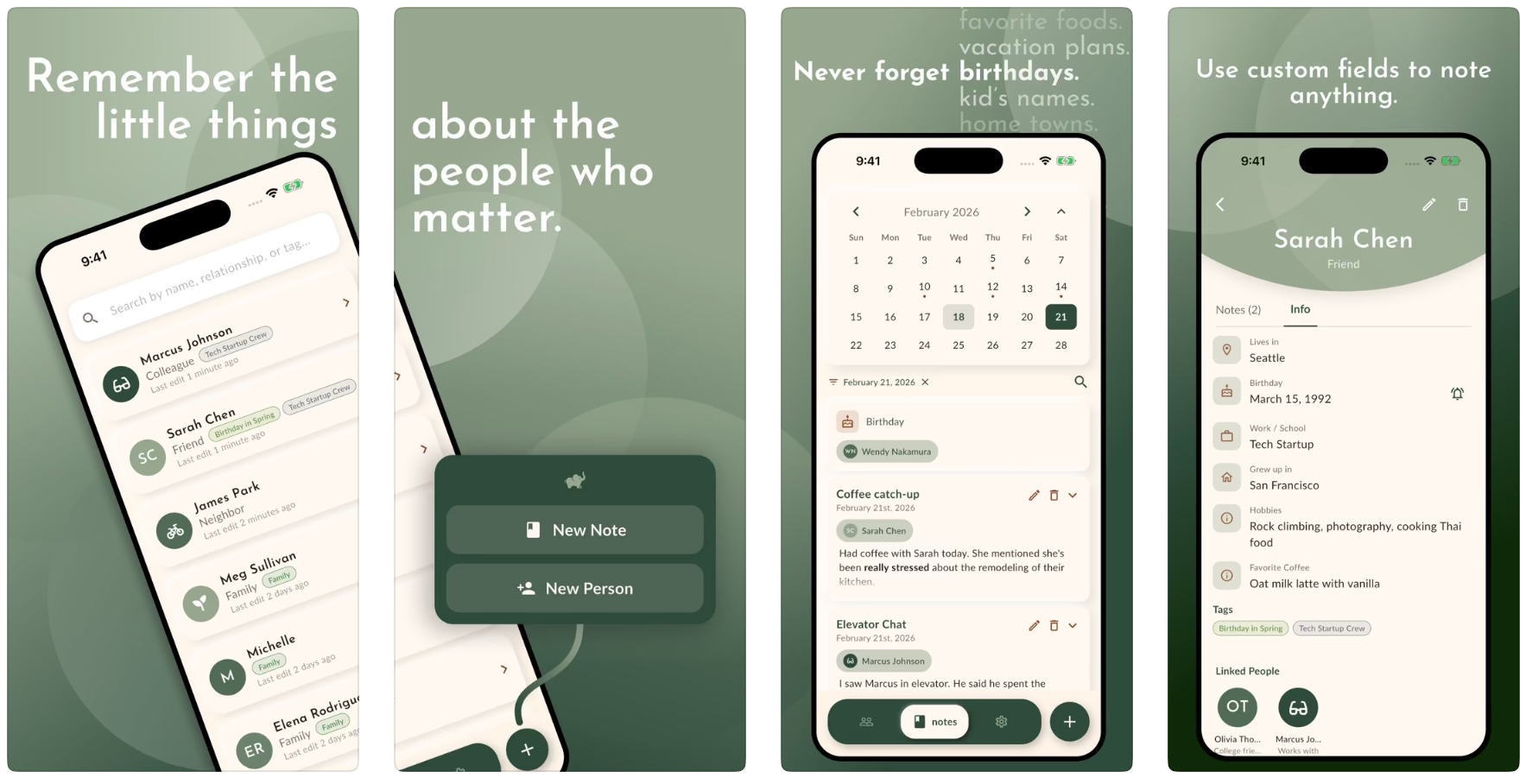
Small Talk Notebook
Small Talk Notebook is a contact-notes and reminder app that records personal details, reviews them on a timeline, emphasizes offline privacy, and unlocks more features with a one-time purchase.
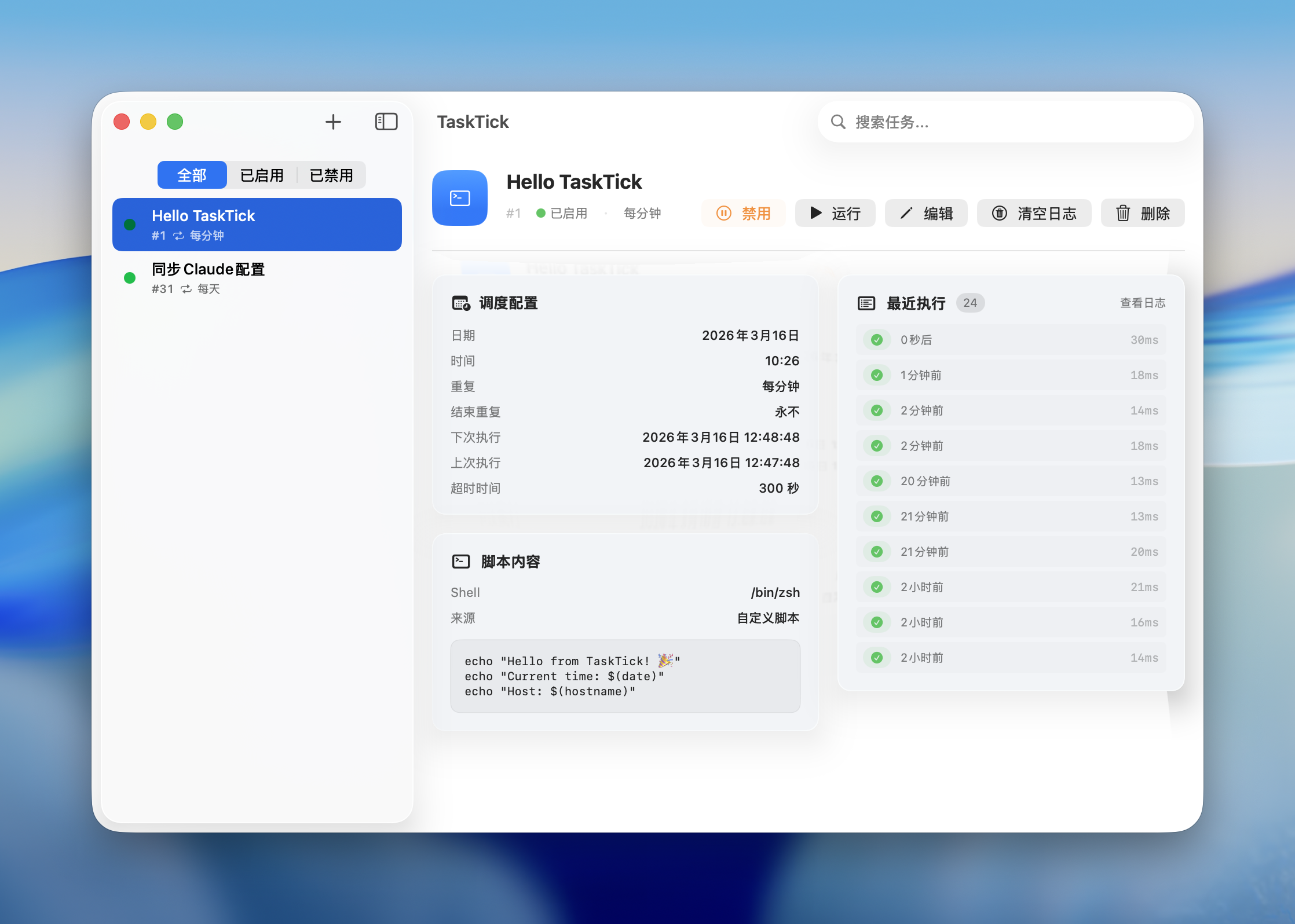
TaskTick
TaskTick is a native macOS scheduled-task manager that arranges scripts through a visual interface and records logs.
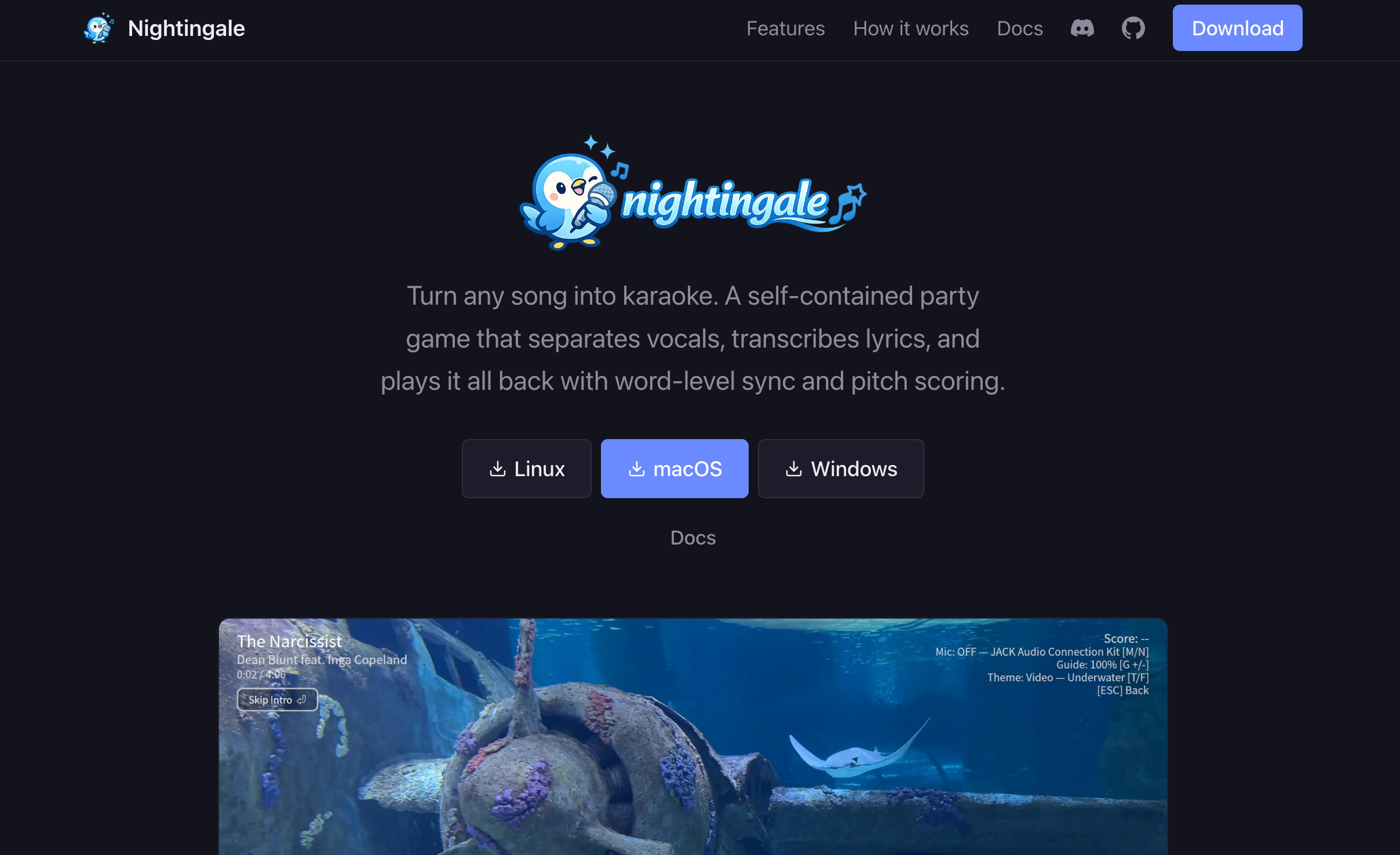
Nightingale
Nightingale is a local karaoke app that automatically separates vocals and accompaniment, generates word-by-word lyrics, supports GPU acceleration, and runs cross-platform as a single binary.
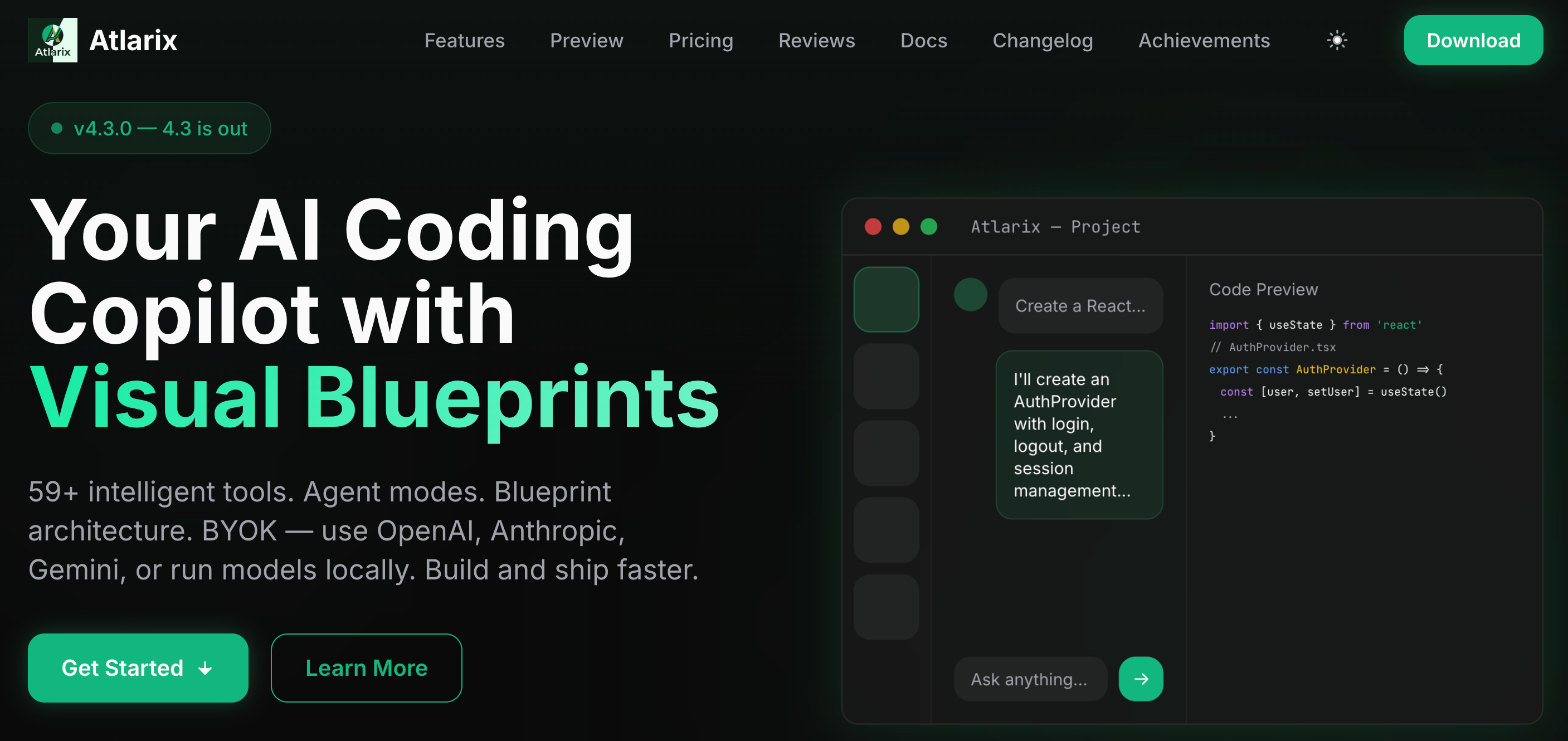
Atlarix
Atlarix is a desktop AI coding assistant that connects to multiple models through APIs, offers conversation rollback, and emphasizes adjustable panels plus local-model integration.
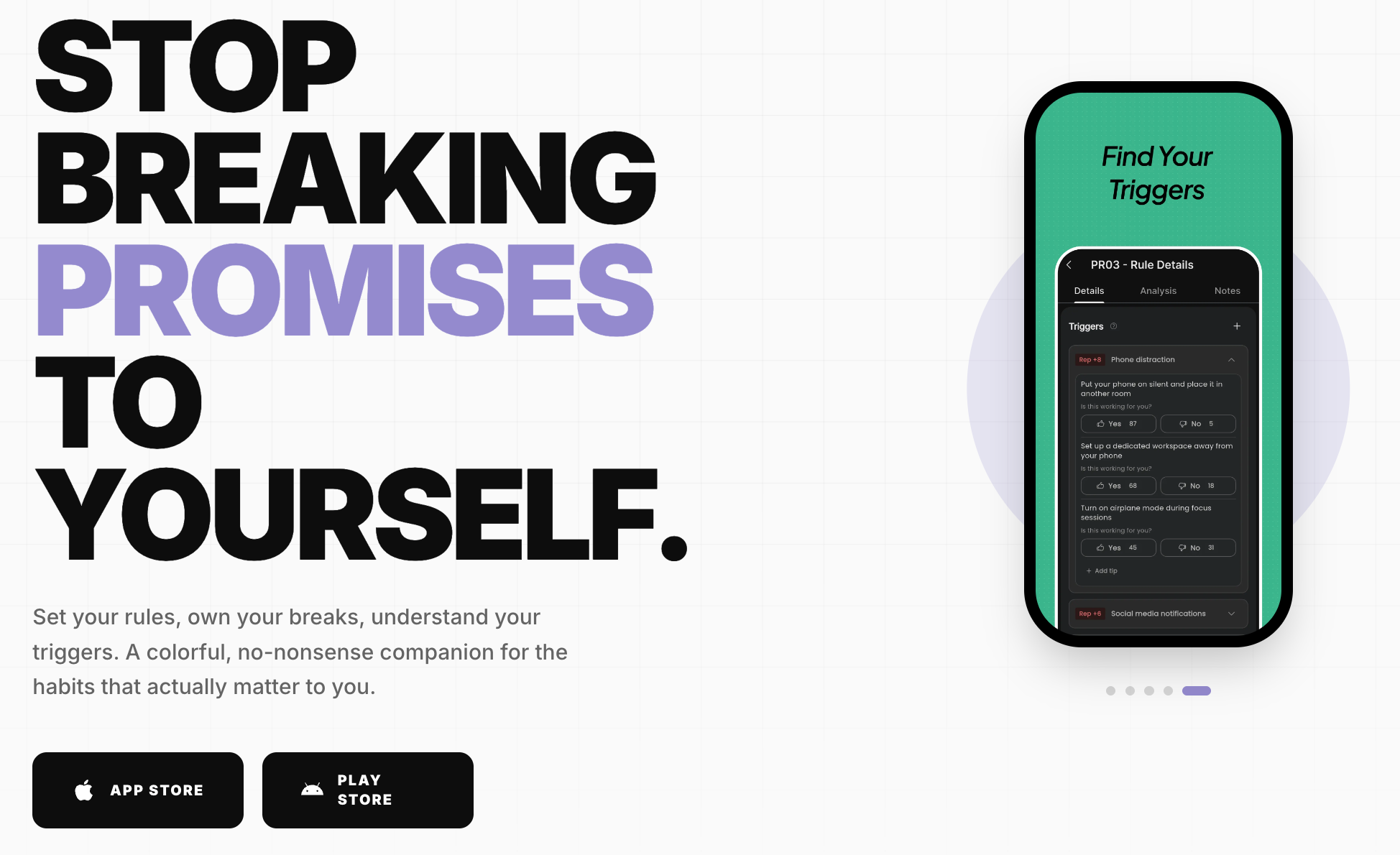
Disciplinely
Disciplinely is a habit-tracking app focused on review. It records reasons when habits break, reviews patterns, and uses focus markers to help users restart habits.
🎮 Games
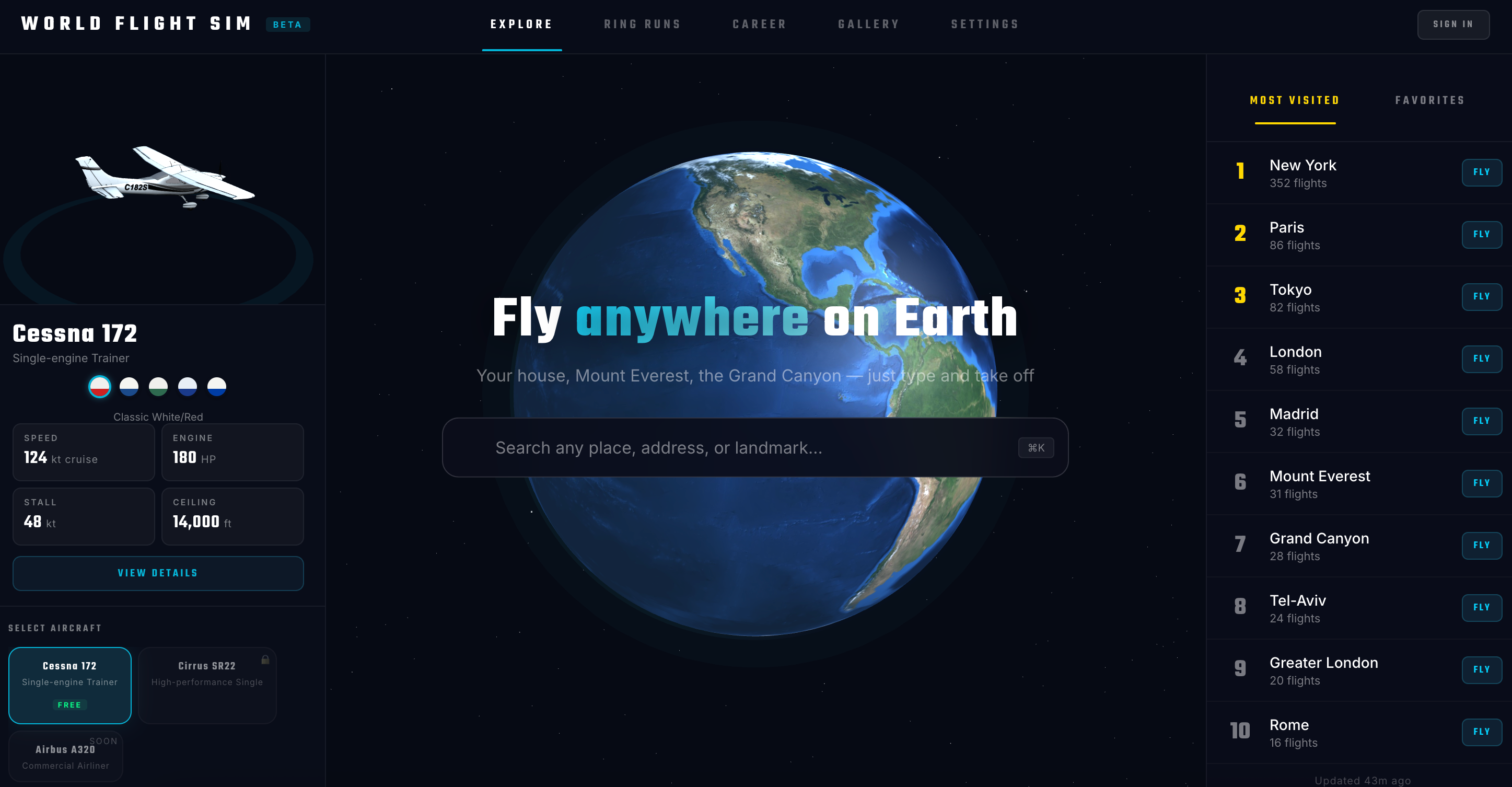
WorldFlightSim
WorldFlightSim is a browser flight simulator game that lets users take off instantly with real maps and 3D terrain, with address search and racing challenges.
🌐 Websites
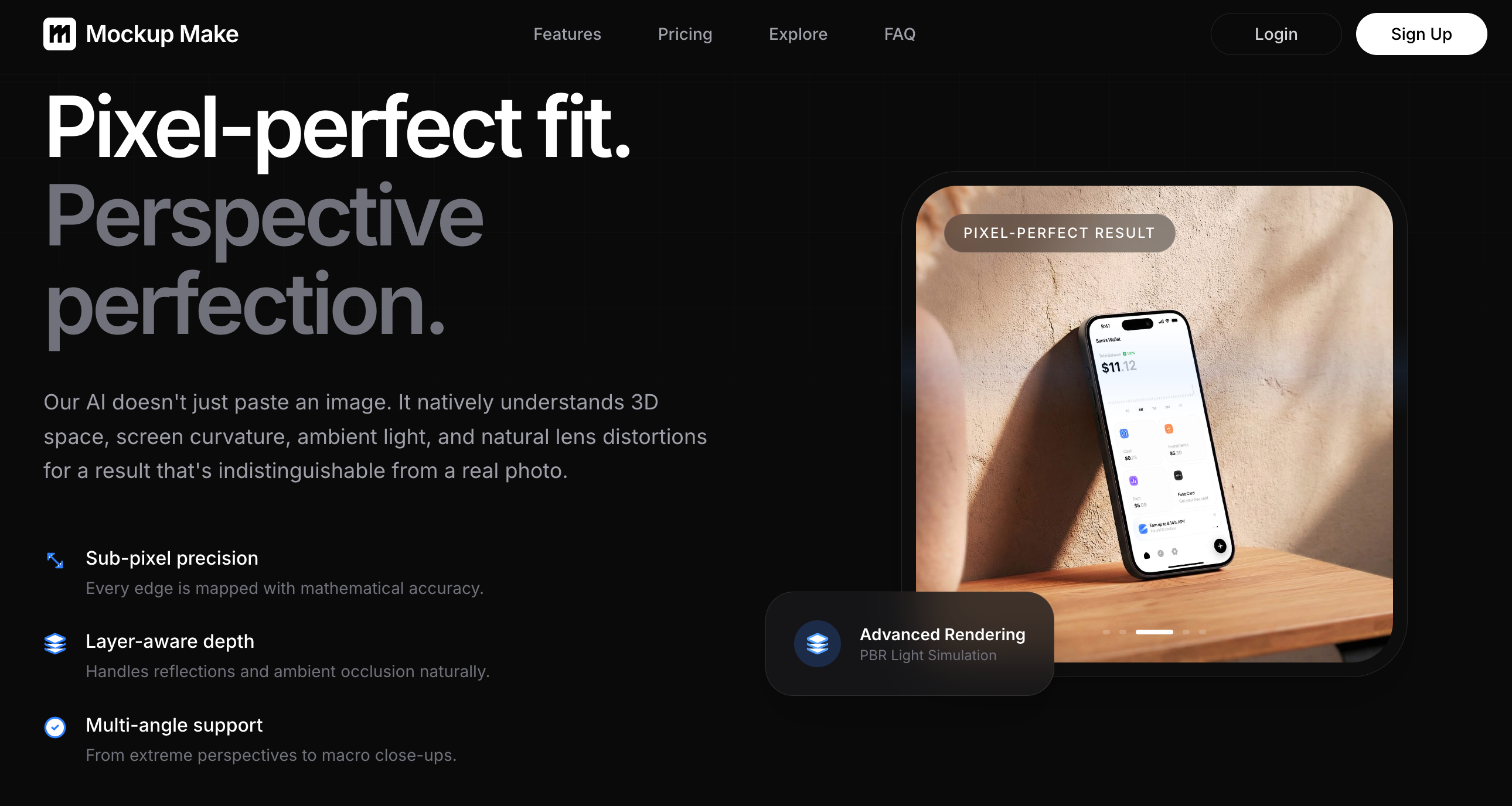
Mockup Make
Mockup Make is a site for quickly generating product presentation images. It places screenshots into device mockups, uses AI to generate sample visuals, and provides a simple editor for position and background.
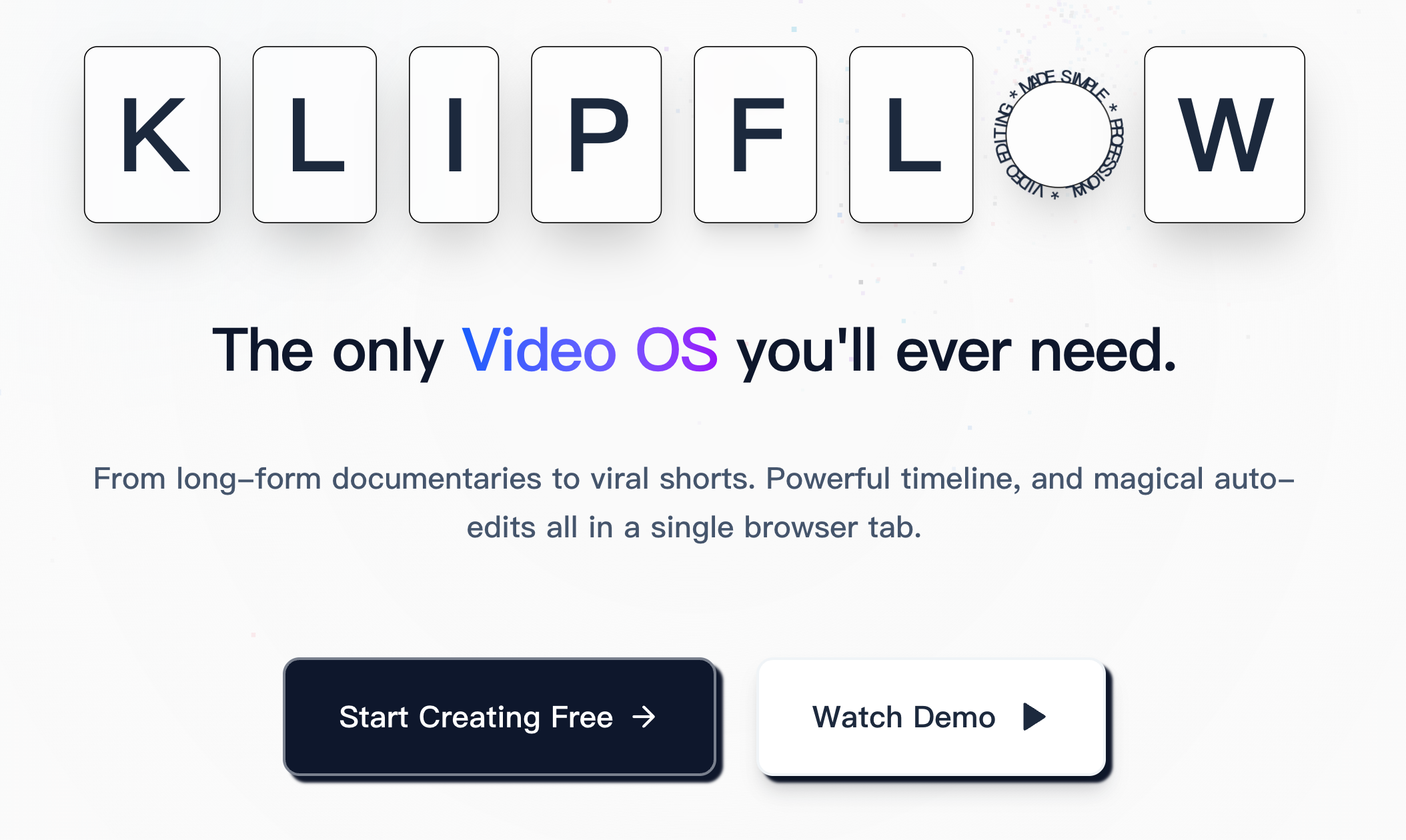
Klipflow
Klipflow is a browser video-editing and short-video generation platform that mixes media on a timeline, automatically cuts short videos, and supports animated subtitles plus vertical export.
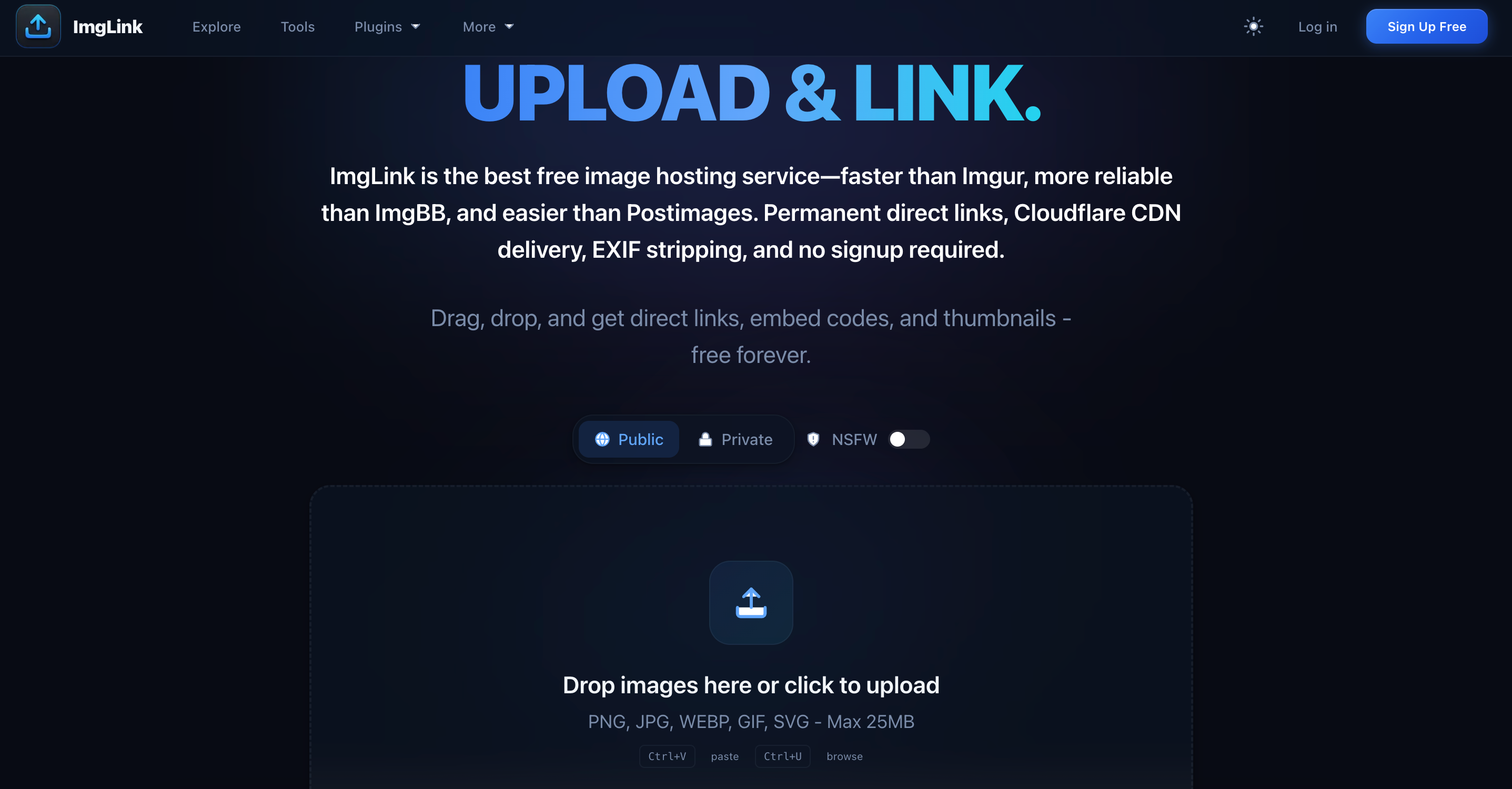
imglink
imglink is a minimalist anonymous image-hosting site that creates direct links instantly from dragged files or pasted screenshots, with folder sharing and password protection.
Banana AI
Banana AI is an online generative image and video tool that supports text-to-image, image editing, 4K asset export, and short-video generation within the same site.
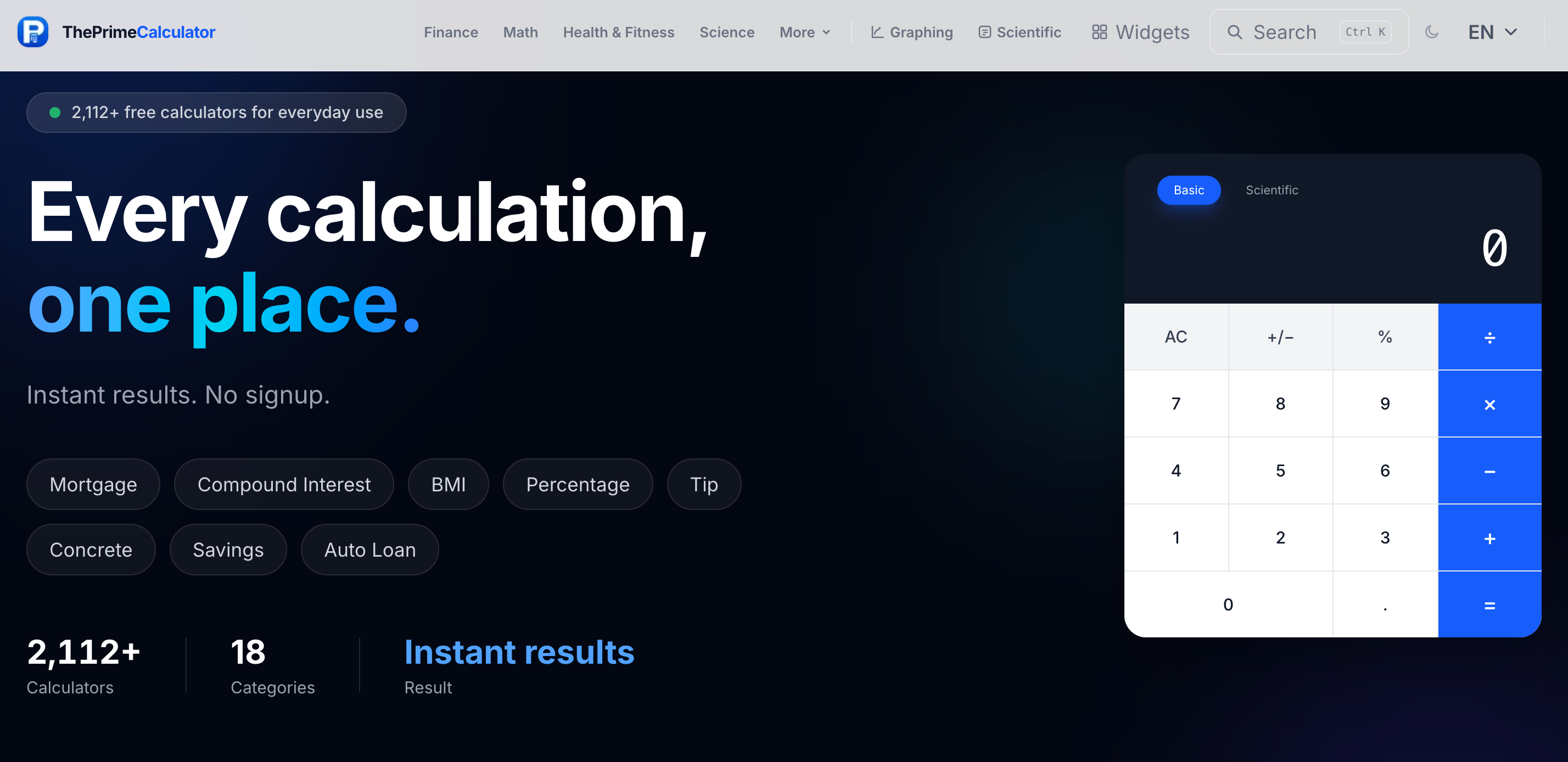
ThePrimeCalculator
ThePrimeCalculator is a calculator site that shows formulas and steps, covering mortgages, percentages, and other calculation types, with step-by-step work for verification.
AI RSS Hub
AI RSS Hub is a configurable RSS service with AI filtering, turning feeds into new RSS feeds, providing keyword alerts, and supporting RSSHub plus OPML import and export.

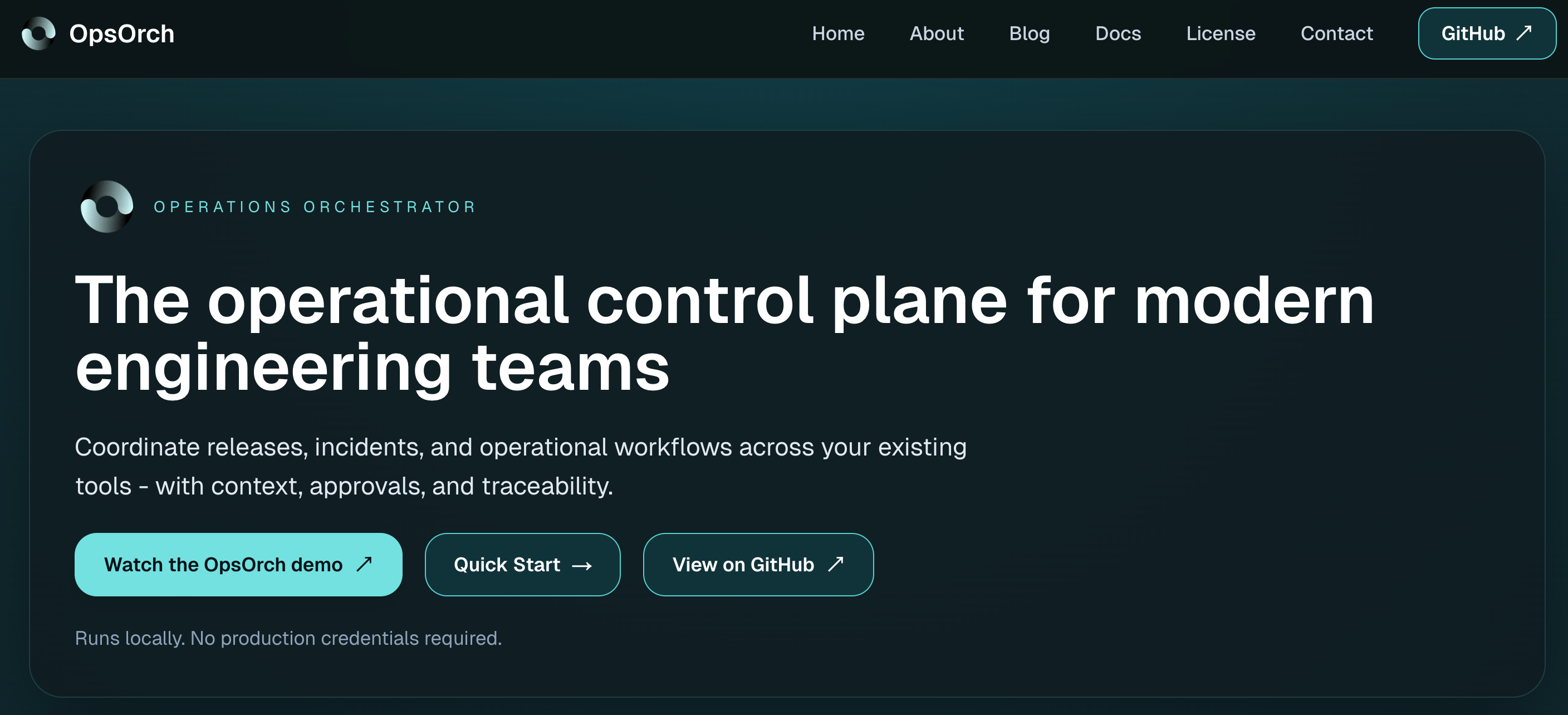
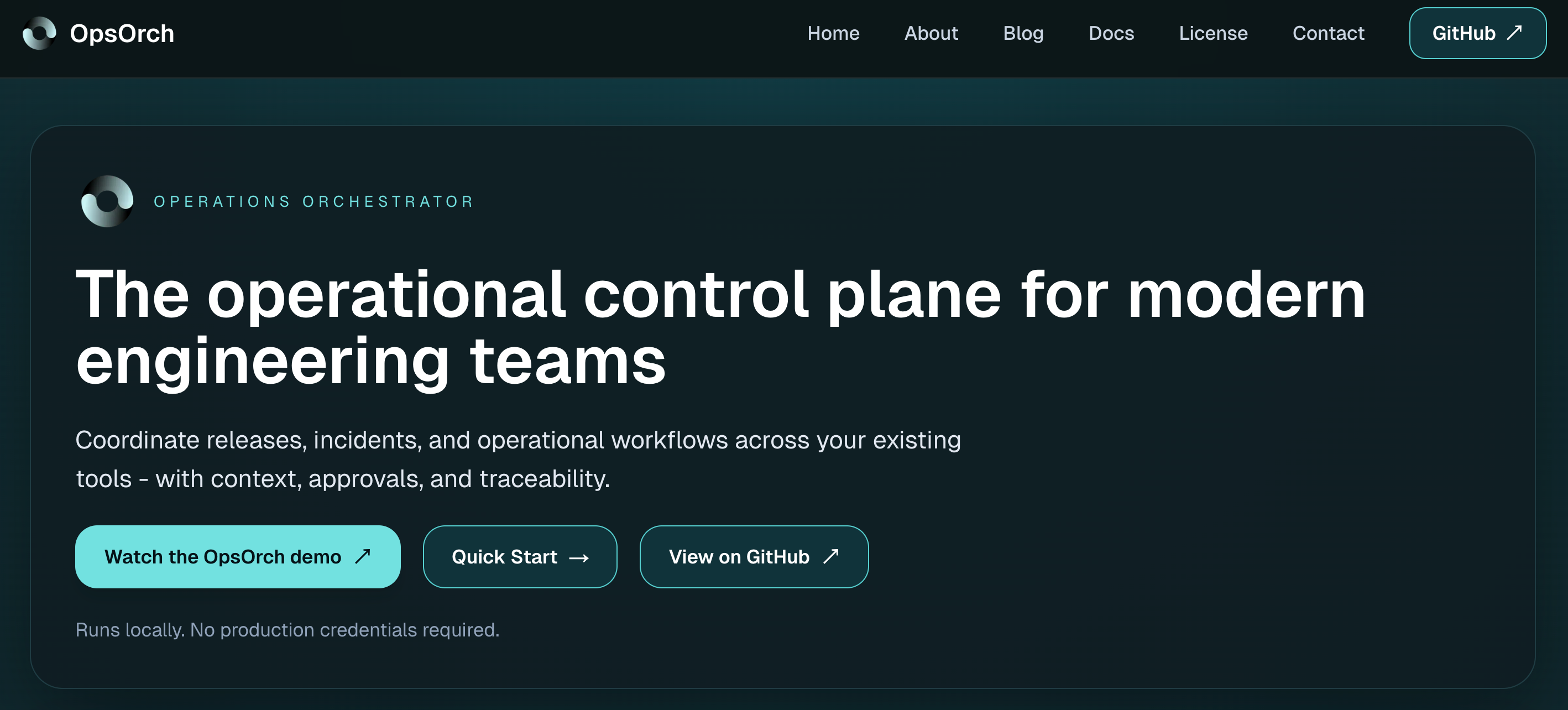
OpsOrch
OpsOrch is an open-source operations control-plane site that connects logs, metrics, tickets, and deployment tools, helping teams investigate issues and execute actions in one interface.
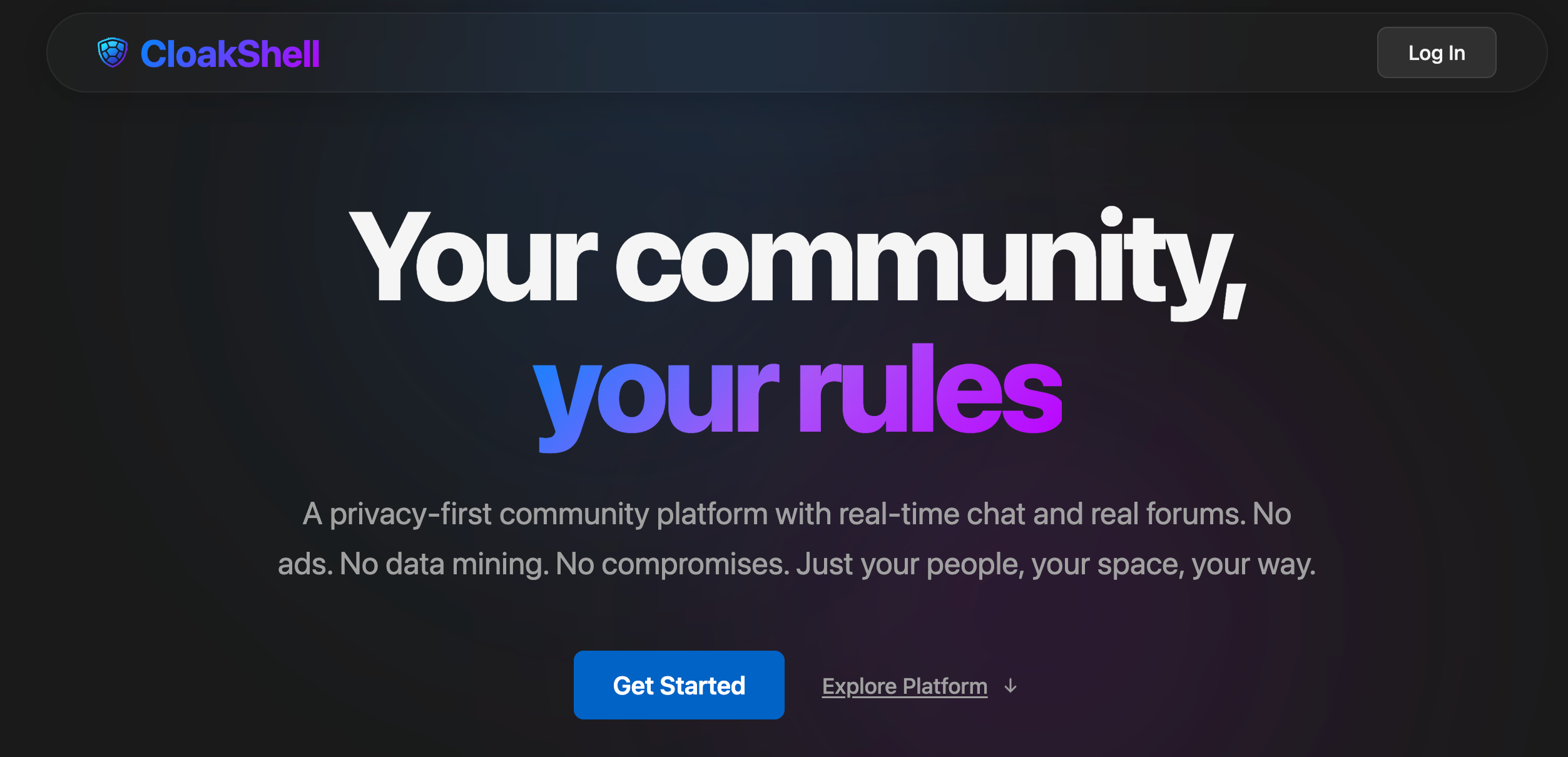
CloakShell
CloakShell is a privacy-first community platform that provides both real-time chat and indexable forums, with data export, deletion, and role-permission management.
✍️ Notes
Daily project information:
Website: https://www.nomoyu.com/
RSS: https://www.nomoyu.com/rss/rss.xml
WeChat Official Account: 明航的AI副业
Feel free to connect and exchange ideas
See the website for all links.