2026-05-03. Nomoyu Daily for Indie Developers (Issue 351)
📰 News
The hardest moat in AI startups: cheap and transparent
Over the past two years, the most popular illusion in the AI industry has been treating “expensive” as “powerful.”
Bigger models, darker interfaces, more purple gradients, scarier funding numbers, as if that equals the future.
But technology companies that can truly live for ten years are often not the ones best at showing off technology. They are the ones most willing to lower costs, open their books, and put user interests ahead of their own profits.
In the interview, Indexa Capital made a very harsh point: in investment products, cost is not proof of quality. It is the enemy of returns.
If a manager charges you 100,000 euros in management fees, that 100,000 euros will not suddenly make them smarter. Its only certain effect is to take 100,000 euros directly out of your returns.
The same sentence applies to the AI industry.
Compute costs, subscription fees, learning costs, migration costs, and the comprehension costs caused by complex interfaces are essentially all deductions from user value. If an AI product only knows how to package itself as more expensive, more mysterious, and more “enterprise-grade,” it may not be creating a moat. It may simply be taxing users.
The truly ruthless moat is not “I am more expensive than you, so I am premium.”
It is: I am so cheap you cannot refuse, and competitors cannot follow.
That is structural advantage.
Many startups like to talk about “long-termism,” but everything they do is short-term: changing the homepage for the next funding round, replacing the interface for conversion rates, stuffing in features for hype, and turning the product into a glowing maze just to seem advanced.
Users do not need a maze.
Users need the key button to still be in the same place ten years later.
Indexa’s product philosophy runs against the trend: fewer major redesigns, fewer tricks, continuous small iterations. It does not look sexy, but it is extremely scarce. In finance and productivity tools, stability itself is part of trust.
AI products should especially learn this.
If your tool claims to improve efficiency but forces users to relearn the interface every three months, you are not saving users time. You are creating a new cognitive tax.
Even harsher is transparency.
Indexa publicly updates its assets under management every day. It is not hard to be public when things are going well. The hard part is not turning off the lights when the curve falls.
Many AI companies today also love “Build in Public.” But much of that so-called openness only shares good news: users are up, revenue is up, funding arrived, first place on a leaderboard. Once growth stalls, the data disappears. Once costs go out of control, the story shifts to “strategic adjustment.”
Transparency is not posting good news.
Transparency is putting bad news on the wall too.
Because real trust is not built when you are growing fastest. It is built when things look less pretty and you still do not lie.
There is another sharper lesson: do not worship being “anti-giant.”
Many fintech companies started by saying they would kill banks, only to later discover that banks are genuinely strong at some things, such as safety, compliance, and custody. Smart founders do not emotionally oppose large companies. They precisely distinguish where to borrow strength and where to disrupt.
AI startups are the same.
Cloud vendors, large model companies, and big platforms are not natural enemies. They can provide compute, foundations, distribution, and infrastructure. But user value, product experience, and industry understanding cannot all be handed over to them to define.
What you need is not a slogan saying “I am going to kill someone.”
What you need is a place where giants are unwilling, unable, or not ruthless enough to act because of vested interests, cost structures, and organizational inertia.
That is where the opportunity is.
So the companies truly worth betting on in the AI era may not be the most explosive ones at launch events, but the plainest ones: costs keep falling, prices become clearer, products become more stable, and users feel more secure.
Do not mistake complexity for professionalism.
Future AI companies will probably fall into two categories: one sells complexity to users; the other keeps complexity for itself.
The former harvests attention. The latter wins time.
If you are building an AI product, you can first ask yourself three questions: Can my cost advantage last? Do I dare make my data public for the long term? Does my product become more worry-free the longer people use it?
It may be better to solve the cost problem first, then improve and upgrade.

🖥️ Software
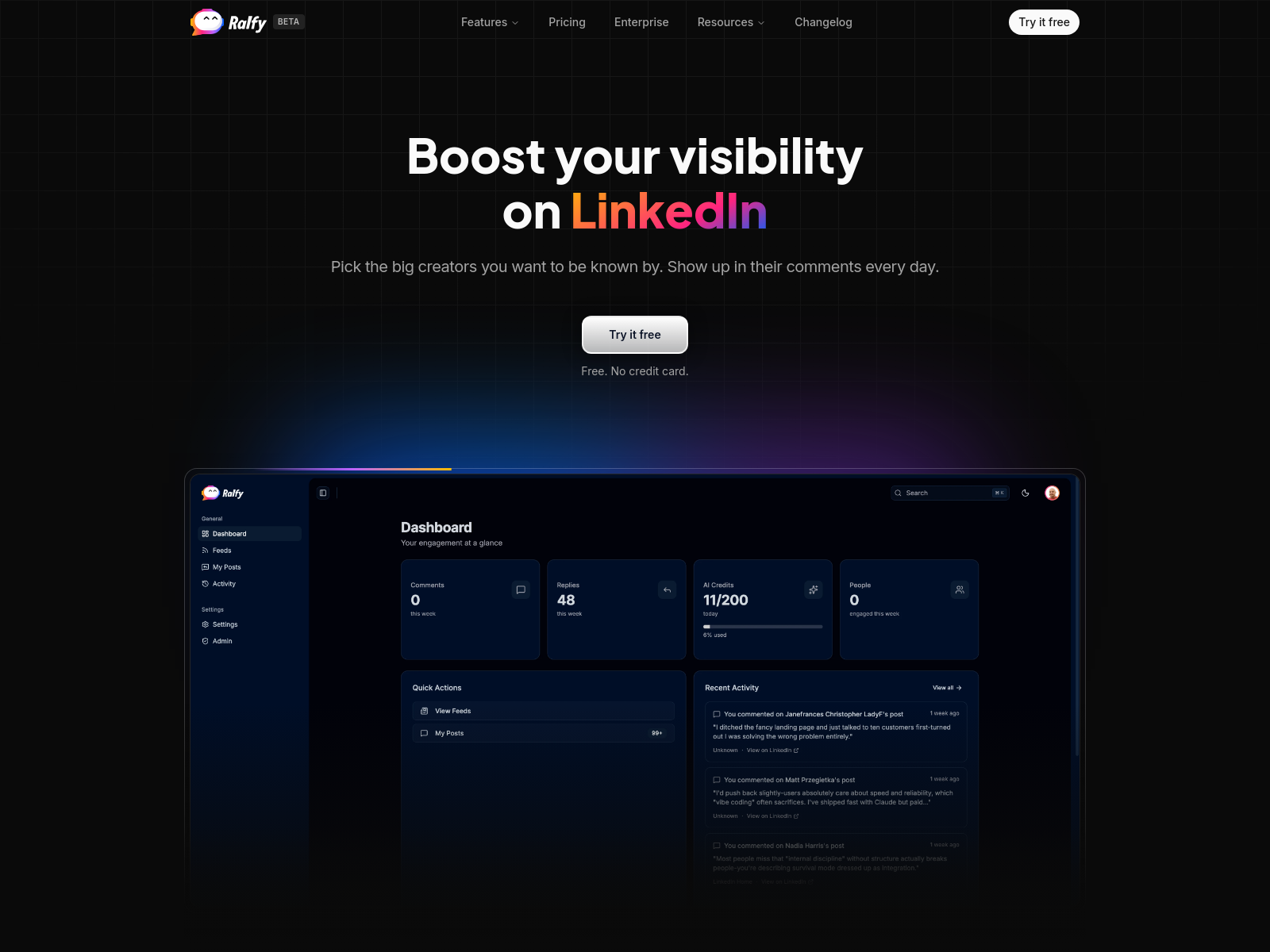
Ralfy
Ralfy is a browser extension optimized for LinkedIn. It supports custom feeds, intelligent comment draft generation, and reply management, helping users interact more efficiently.
ClaudeCode for anything
ClaudeCode for anything is a plugin tool that enables native interaction between AI and web pages, using the DOM to automate web operations.

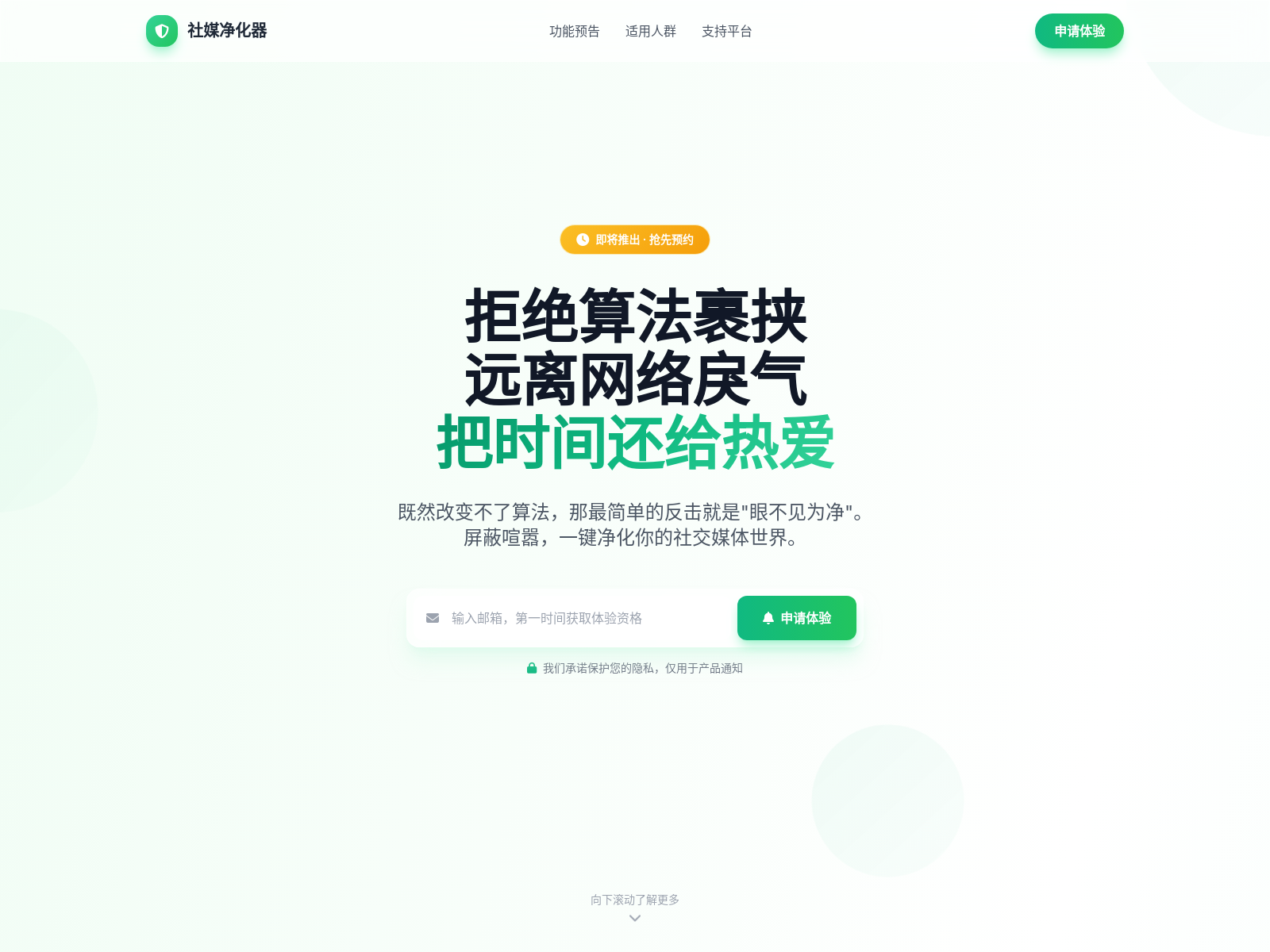
社媒净化器
社媒净化器 is a browser plugin that blocks negative content such as gender conflict and pseudoscience with one click, improving the social platform experience.
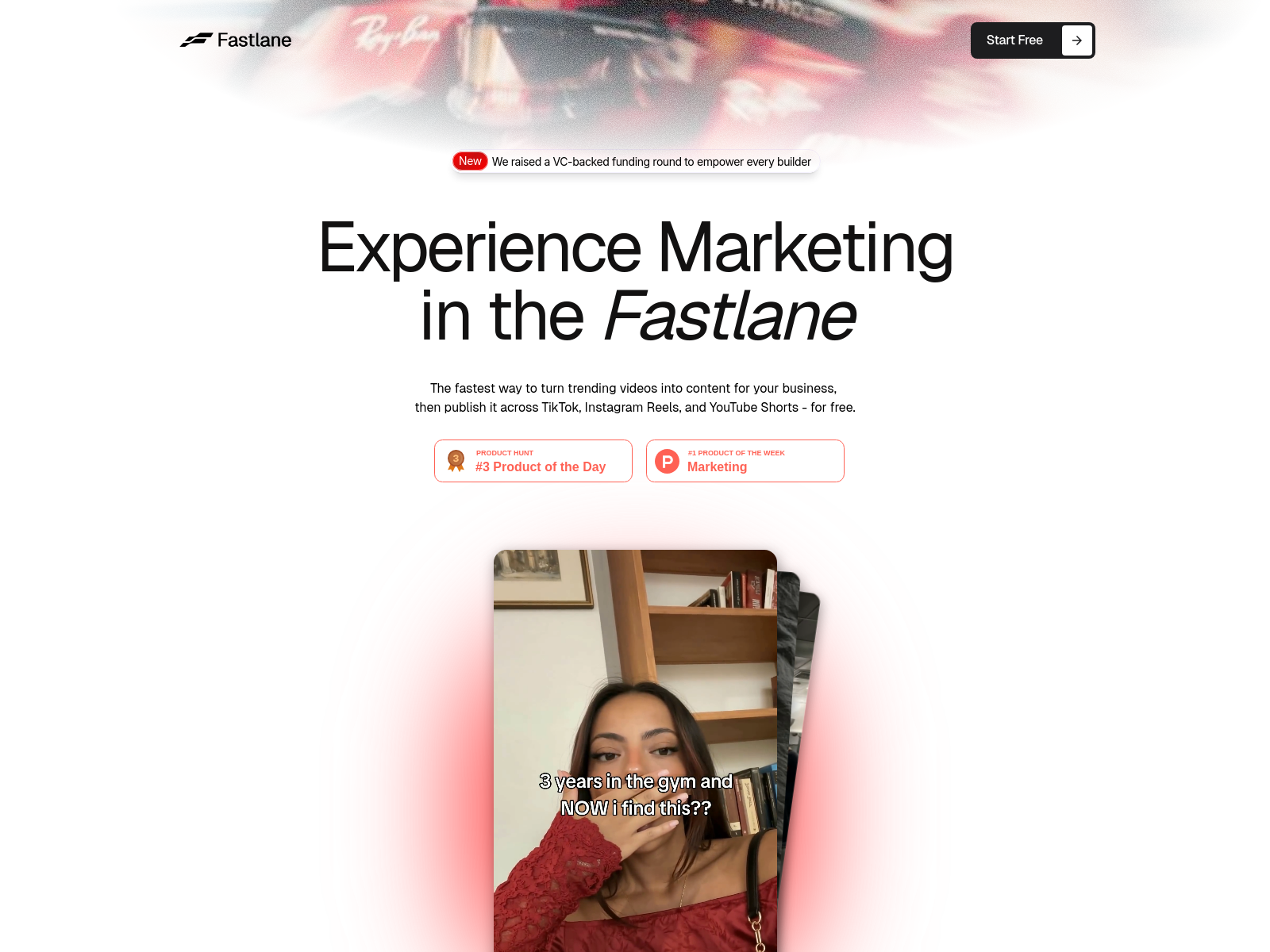
Fastlane
Fastlane is an AI-driven creative adaptation tool that helps users quickly learn from successful content and generate inspiration-driven marketing materials.
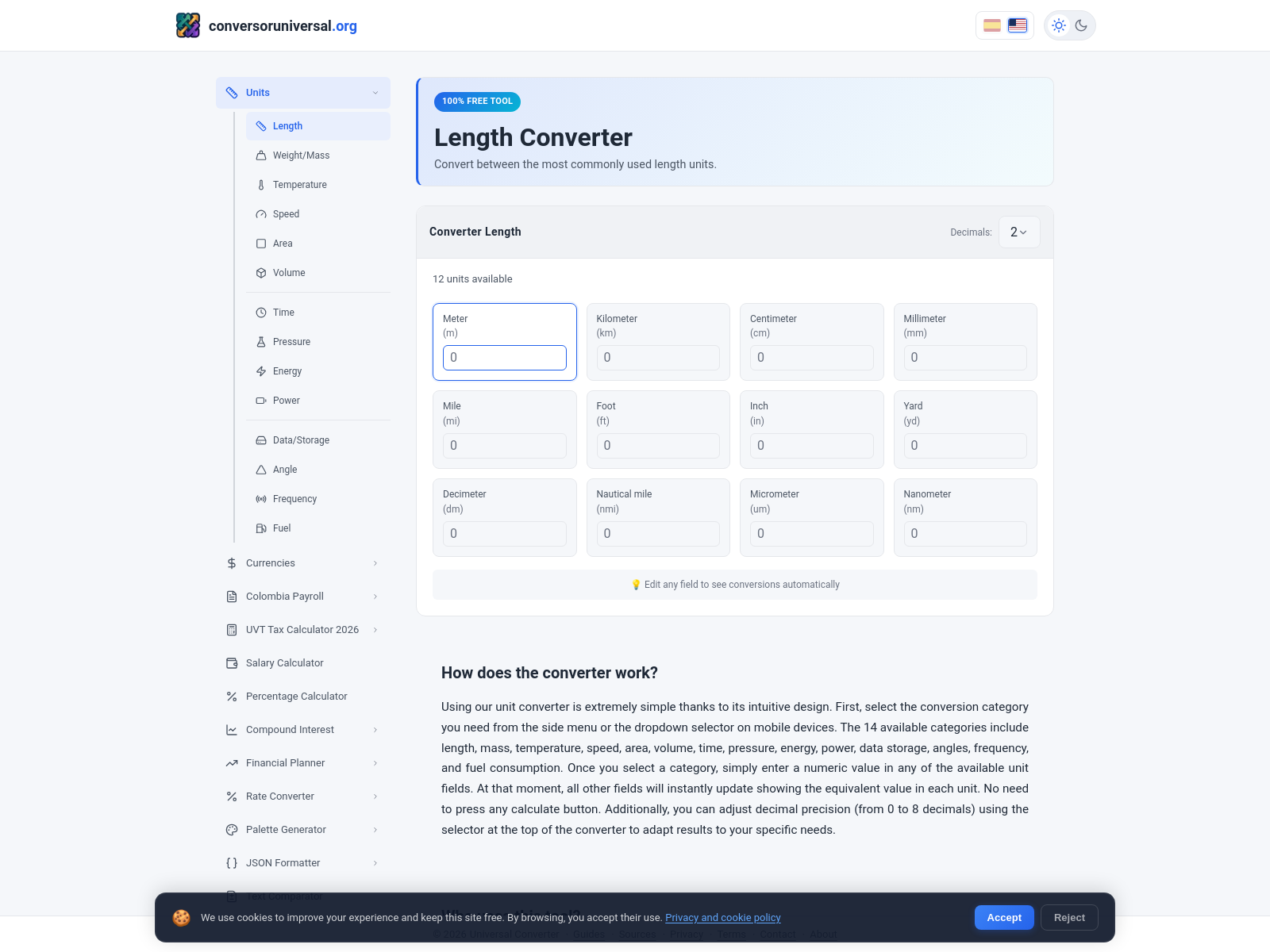
conversoruniversal
conversoruniversal is an offline universal converter supporting 100+ units and currencies. Built with React + Vite, it can be installed and used on mobile phones.
Moeli 阅读
Moeli 阅读 is a local manga and light novel reader with streaming reading support. It can browse directly from cloud drives without downloads, and supports multi-device sync and custom styles.

MyFriendsBoat
MyFriendsBoat is a collaboration tool for coordinating weekend boating trips with friends. After boat owners register, they generate invitation links, and guests can quickly confirm attendance.

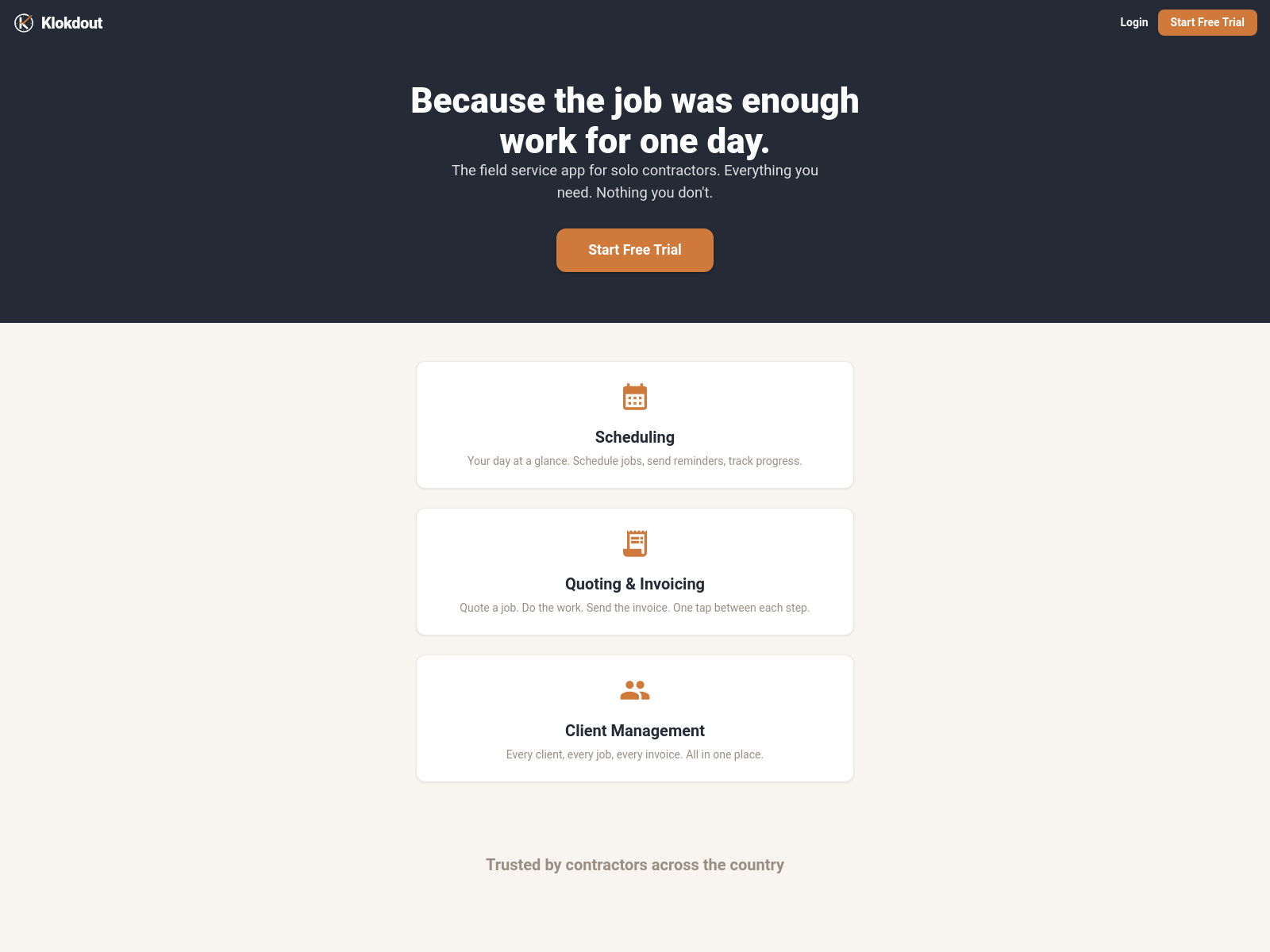
Klokdout
Klokdout is a lightweight management tool for independent contractors, supporting scheduling, quotes, and invoices. It was built based on AI analysis of user pain points.
🎮 Games
Plume 3D: coloring book
Plume 3D: coloring book is a 3D coloring app built with Unity and Blender. It includes about 4,500 colorable models, supports free download, and offers in-app purchases to unlock content.

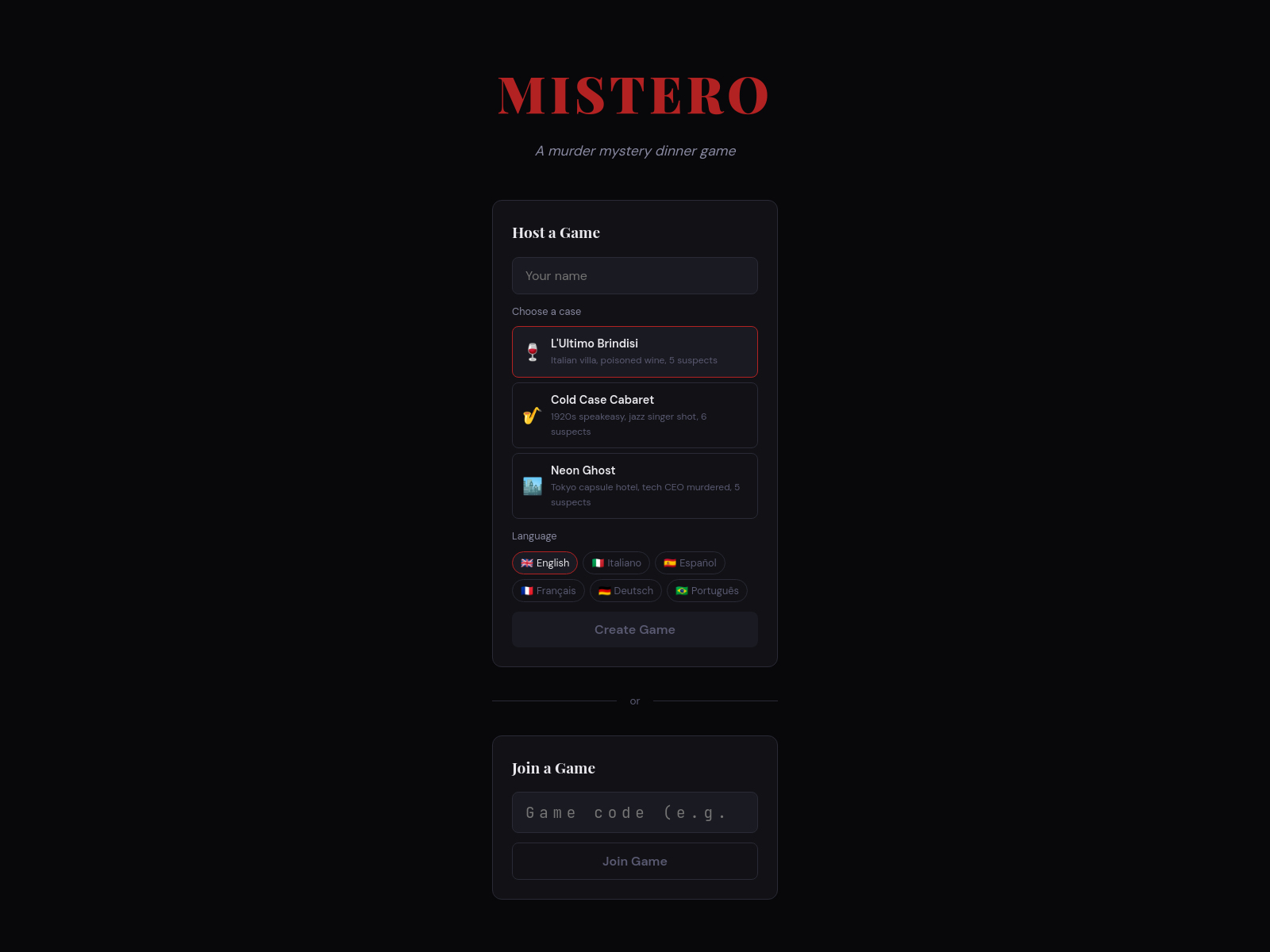
MISTERO
MISTERO is an AI-driven mystery game made by an indie developer. It supports free-form conversations to interrogate suspects and offers a collaborative multiplayer experience for investigating realistic cold cases.
🌐 Websites
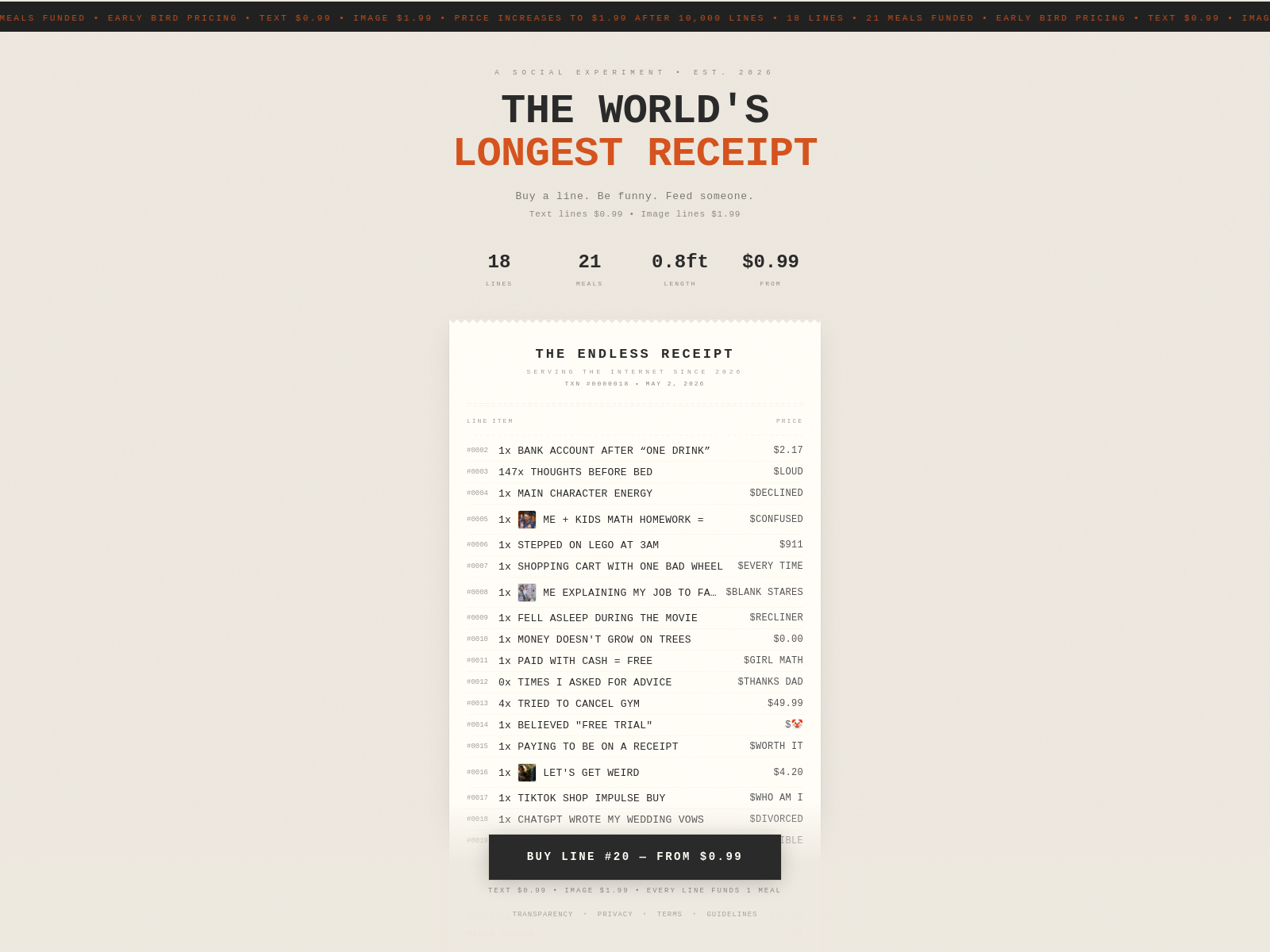
World’s Longest Receipt
World’s Longest Receipt is a continuously scrolling charity website. Every added line raises one meal for hunger relief, and it supports collaborative creation of realistic receipt entries.
koe
koe is an AI tool that can generate complete films from scripts or text prompts, supporting scene regeneration and narrative coherence optimization.

Furry Health
Furry Health is a website offering five free pet health tools, including lab report interpretation and kidney disease diet guides, with no registration required.

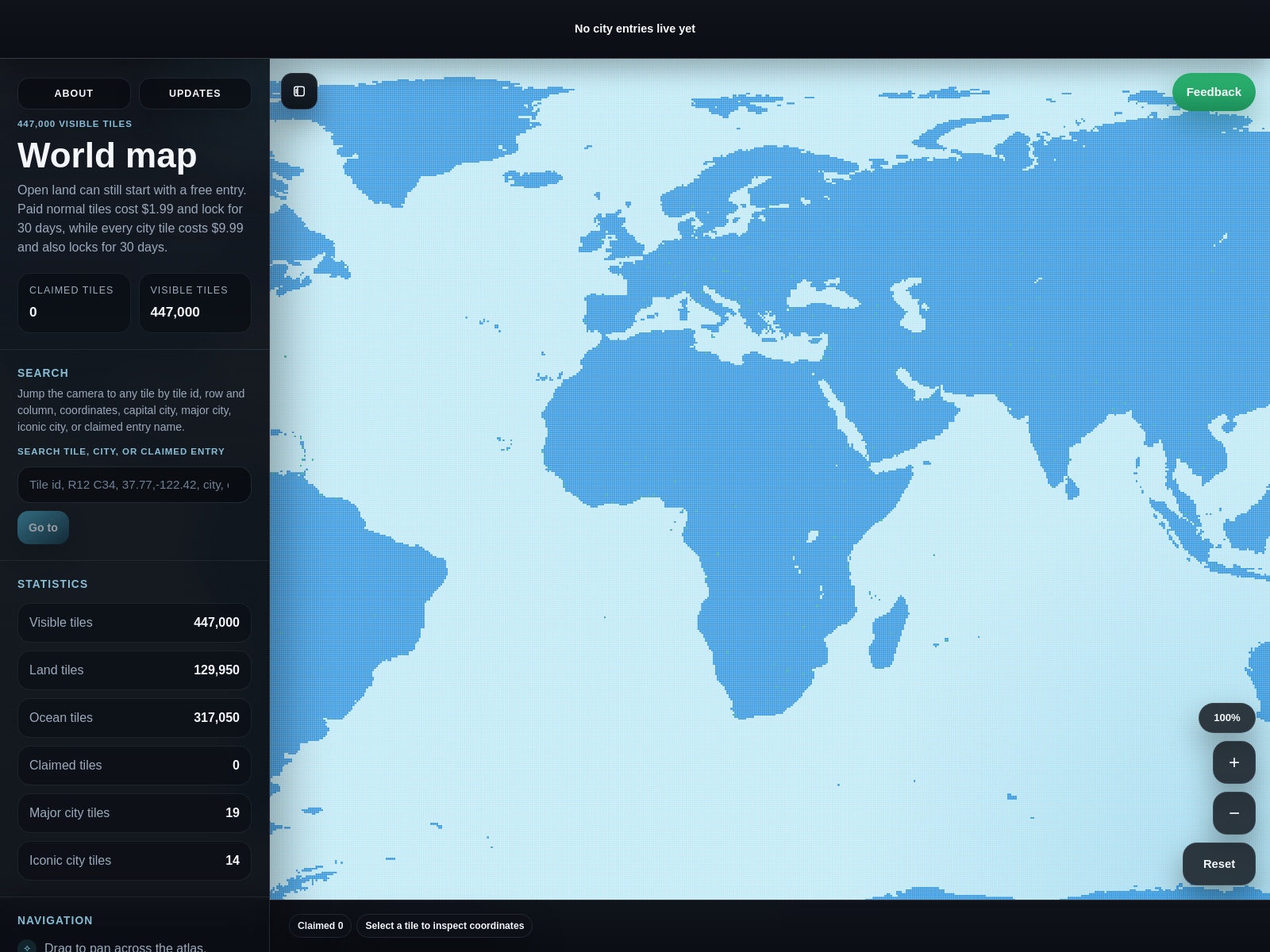
world100k
world100k is an interactive world map website where users can occupy any square for free and customize its content. It supports paid transfers and encourages participation and feedback.
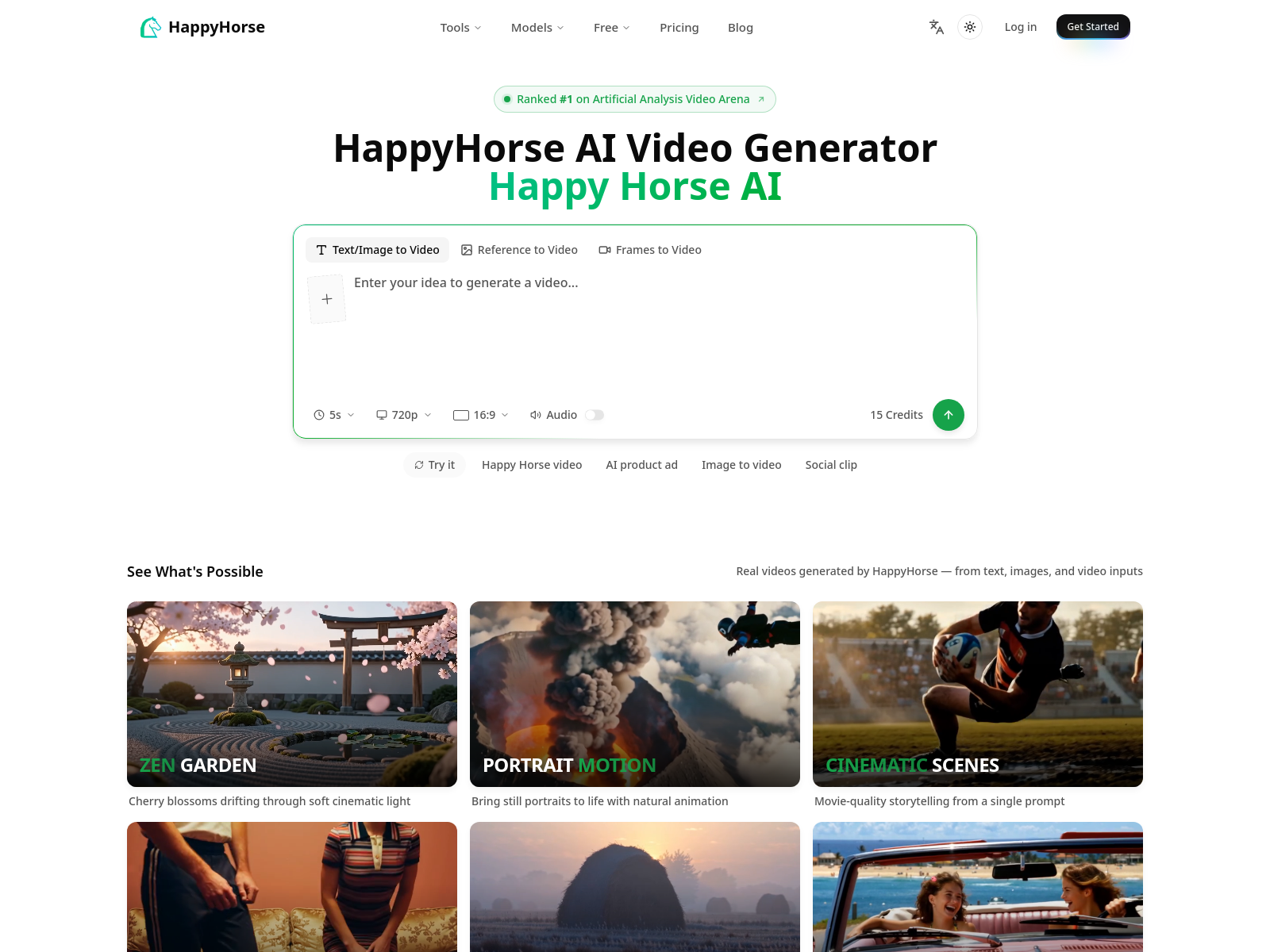
HappyHorse
HappyHorse is a new website for testing and showcasing video generation capabilities, focused on demos and hands-on experience with video models.
✍️ Notes
Daily project information:
Website: https://www.nomoyu.com/
RSS: https://www.nomoyu.com/rss/rss.xml
WeChat Official Account: 明航的AI副业
Feel free to connect and exchange ideas
See the website for all links.