2026-05-06. Nomoyu Daily for Indie Developers (Issue 354)
📰 News
AI companies are turning fear into a business
The company best at storytelling in the AI circle may no longer be OpenAI, but Anthropic.
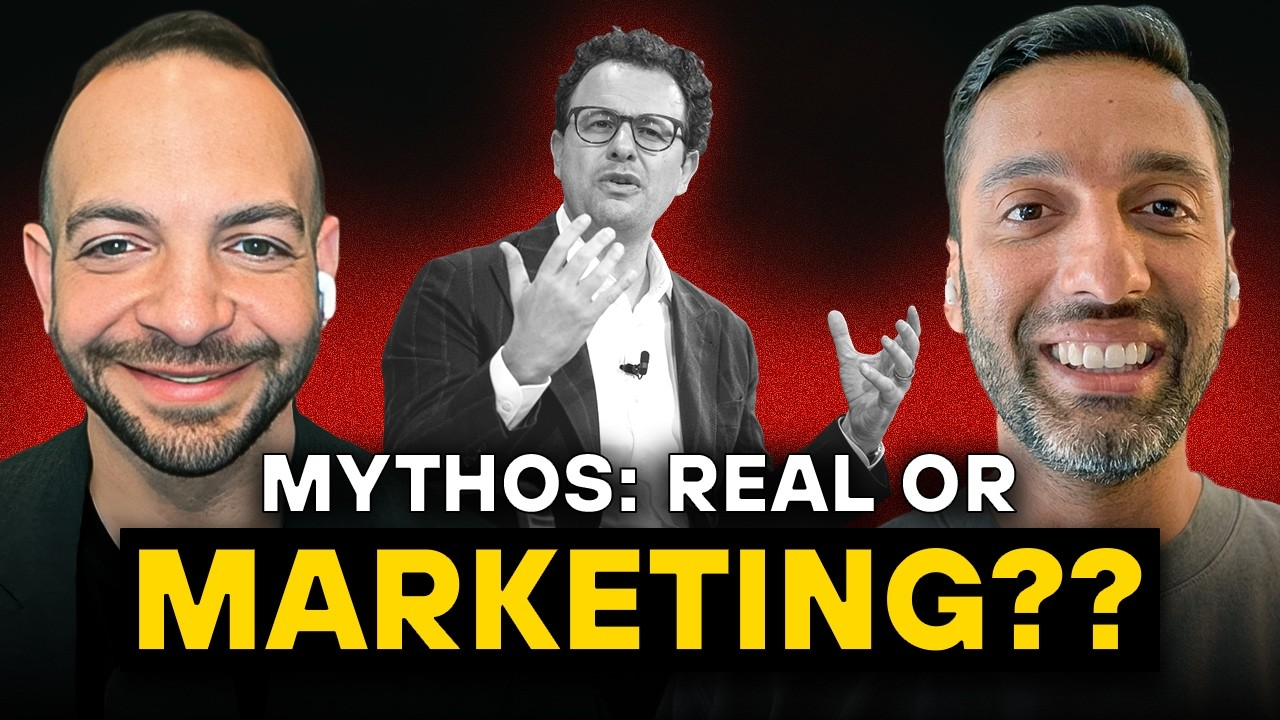
It launched Claude Mythos Preview: supposedly so powerful that it can discover a large number of software security vulnerabilities, so it is not open to the public and is only offered to a few large companies and critical infrastructure organizations for trial use.
It sounds responsible. From another angle, it also looks like an almost perfect piece of fear marketing.
The strangest part is this: no matter how powerful it actually is, the narrative has already won.
If Mythos is truly dangerous, Anthropic is the gatekeeper. If it is not that dangerous, Anthropic still gains the mystique of “we possess forbidden power.”
AI companies have finally found a selling point sexier than benchmarks: danger.
Benchmarks are cold. Stories are hot. Nobody remembers “the model broke through a certain benchmark,” but everyone will repeat “the model suddenly emailed a researcher while he was eating a sandwich in a park.”
This is a victory for communication.
The smartest thing about technology companies is not making models look like gods, but making product launches look like miracles.
The name Project Glasswing is also clever. Glasswing is a butterfly with transparent wings, symbolizing transparency. But in this AI narrative, what is truly transparent is not model capability, but its marketing logic:
The less it can be verified, the easier it is to mythologize. The less it can be made public, the easier it is to lift valuation. The fewer people have actually used it, the fewer people can refute it on the spot.
This does not mean Mythos must be a scam. On the contrary, it is very likely stronger than the previous generation of models. The problem is that the AI industry is packaging “a sense of danger” into a business moat.
In the past, software companies sold efficiency.
Now, AI companies sell destiny.
They say “the model is too dangerous for ordinary people to use,” while raising money, expanding, and sprinting toward IPOs. They warn society that “this thing may change civilization,” while locking the strongest models inside their own products and API price lists.
You think you are buying intelligence. In reality, you are renting the small slice of capability someone else allows you to see.
More troublesome is that AI is no longer just a tool inside the screen.
When myth lands on the ground, it becomes data centers, grid pressure, water-resource disputes, and the giant windowless building at the edge of a local community.
In Indiana, a lawmaker’s home was shot at, with a note left at the scene saying “no data centers.” OpenAI CEO Sam Altman’s home was also attacked with a Molotov cocktail. Violence has no legitimacy and must be condemned.
But it reminds us: for the first time, AI has physical targets.
In the social media era, platforms hid in the cloud. In the AI era, the cloud must land on land. It needs electricity, water, chips, local government approval, and ordinary people to believe that these costs are worth it.
But AI companies still have not explained this story clearly.
They tell you “some jobs will be replaced, but the long-term benefits will be greater.” What ordinary people see is: benefits on valuation sheets, costs on electricity bills; myth belongs to Silicon Valley, noise belongs to the community.
This is the root of AI’s collapsing public image.
Then look at the Medvi story of “two employees reaching $1.8 billion in sales.” On the surface, it looks like an AI startup myth: one person uses a dozen AI tools to write code, create ads, handle customer service, and instantly scale the company.
But the controversy around it is also glaring: regulatory warnings, AI-generated doctor images, suspected misleading marketing. What it really illustrates may not be “AI unleashes productivity,” but “AI can also maximize the efficiency of gray-market operations.”
A one-person company is not necessarily a victory for civilization. It may also be a spectacle of regulatory arbitrage at high speed.
Meta’s internal so-called “token maxing” is equally absurd: employees compete to burn more AI tokens and strive to become “Token Legend.” When usage becomes honor, waste disguises itself as progress.
Tokens are not productivity. Tokens are just units on a bill.
Real technological progress should not rely on burning money as proof of devotion.
So young people who love technology should not be anti-AI, but they must be anti-myth.
When judging an AI technology, do not only ask “how powerful is it?” Ask three more questions:
First, can it be independently verified? Second, who ultimately receives the benefits? Third, who bears the costs?
Great technology is not afraid of being used, does not prove progress through fear, and does not treat society as a default testing ground.
If AI truly wants to become the next generation of infrastructure, it cannot continue acting like a magic show. It needs audits, contracts, electricity bills, responsibility boundaries, and the ability to speak plainly to the public.
And above all, do not let fear become the AI industry’s most profitable product.
🖥️ Software
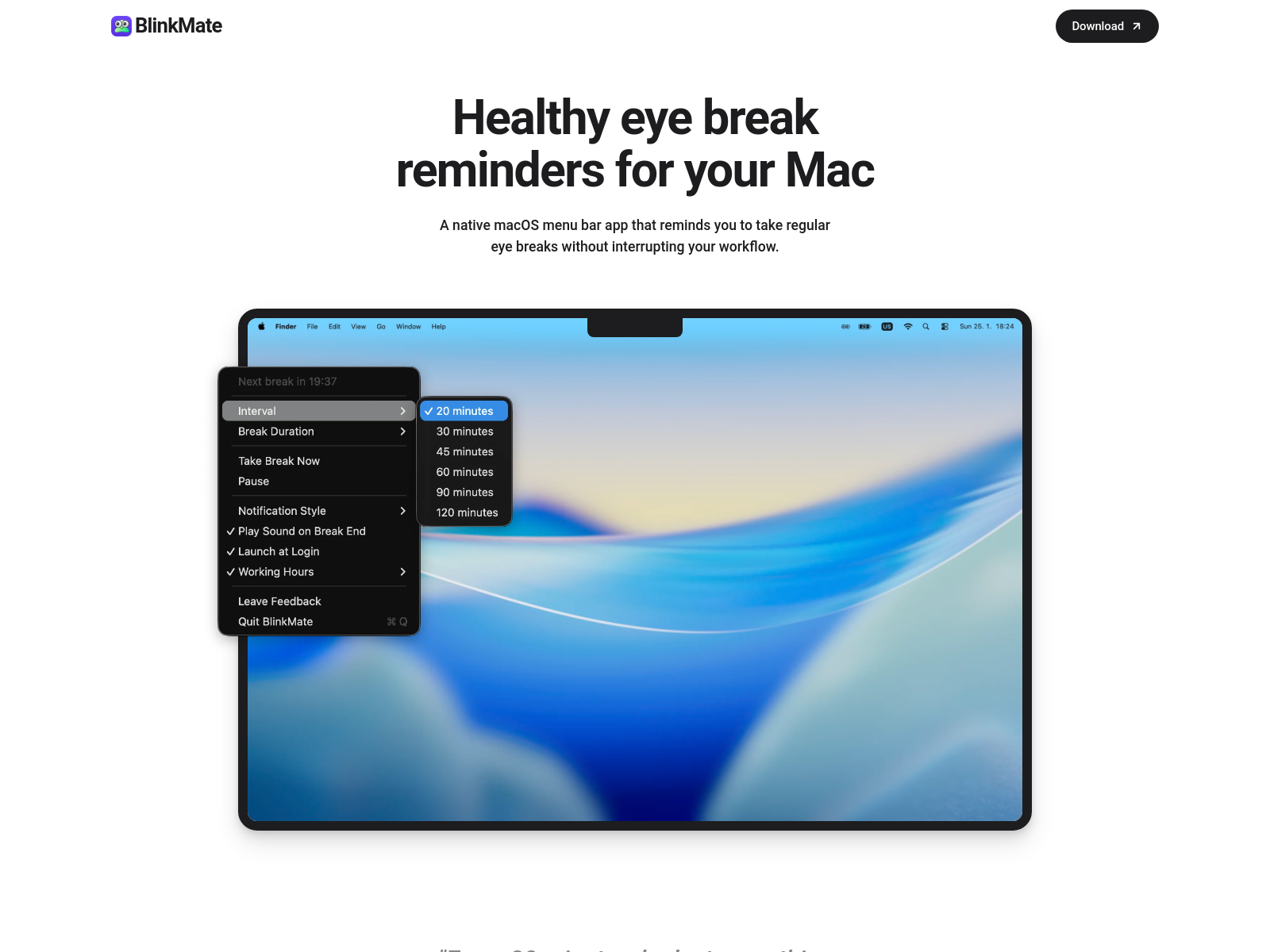
BlinkMate
BlinkMate is a free eye-health reminder tool designed for macOS, helping users take regular breaks to protect their vision.
GPT Image 2
GPT Image 2 is a multimodal image generation tool launched by OpenAI, supporting high-precision text rendering and instruction following, and capable of producing commercial-grade images.

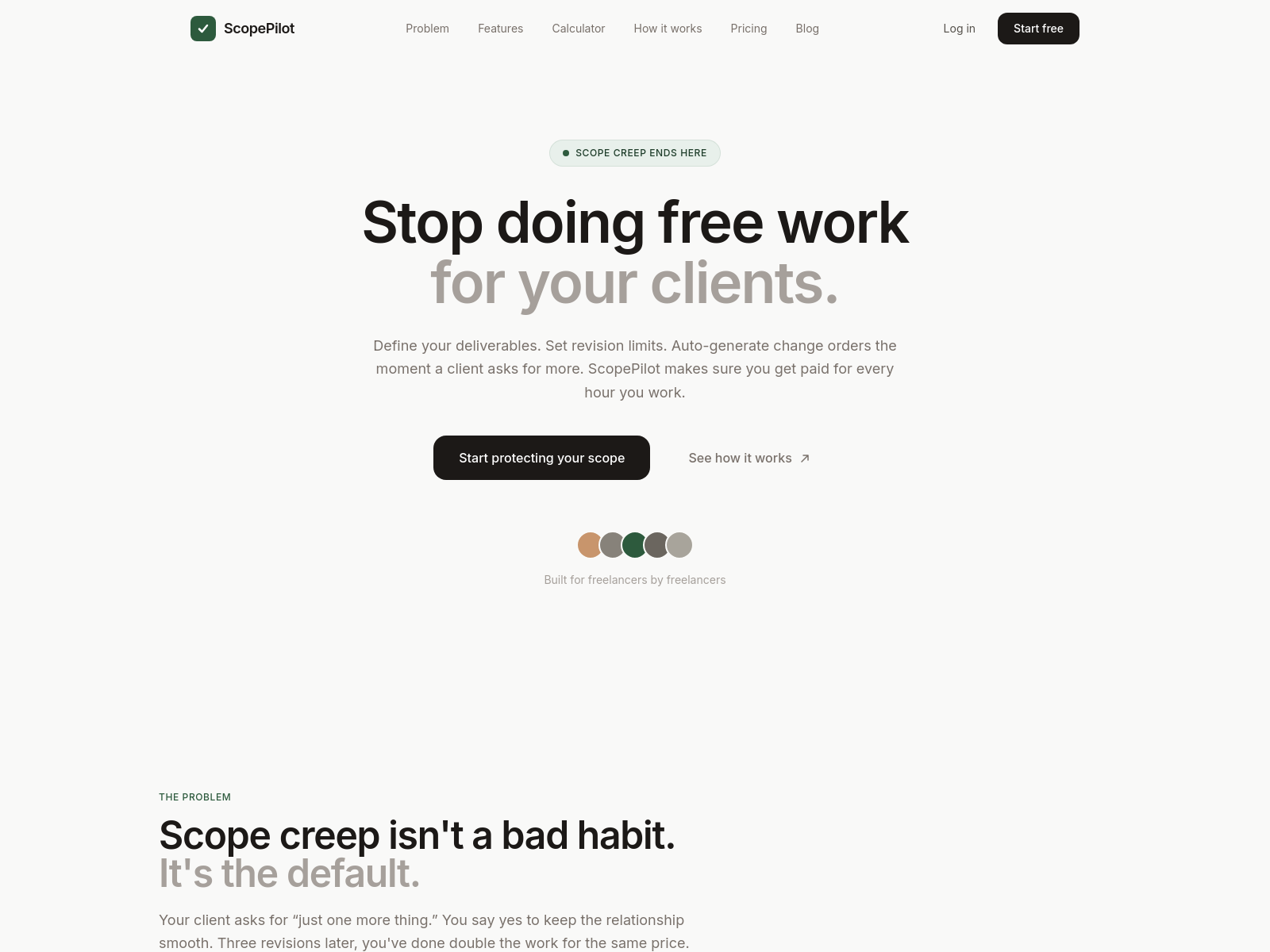
ScopePilot
ScopePilot is a tool that helps indie developers track project scope. It automatically flags change requests beyond the agreement and generates approvable change orders to prevent scope creep.
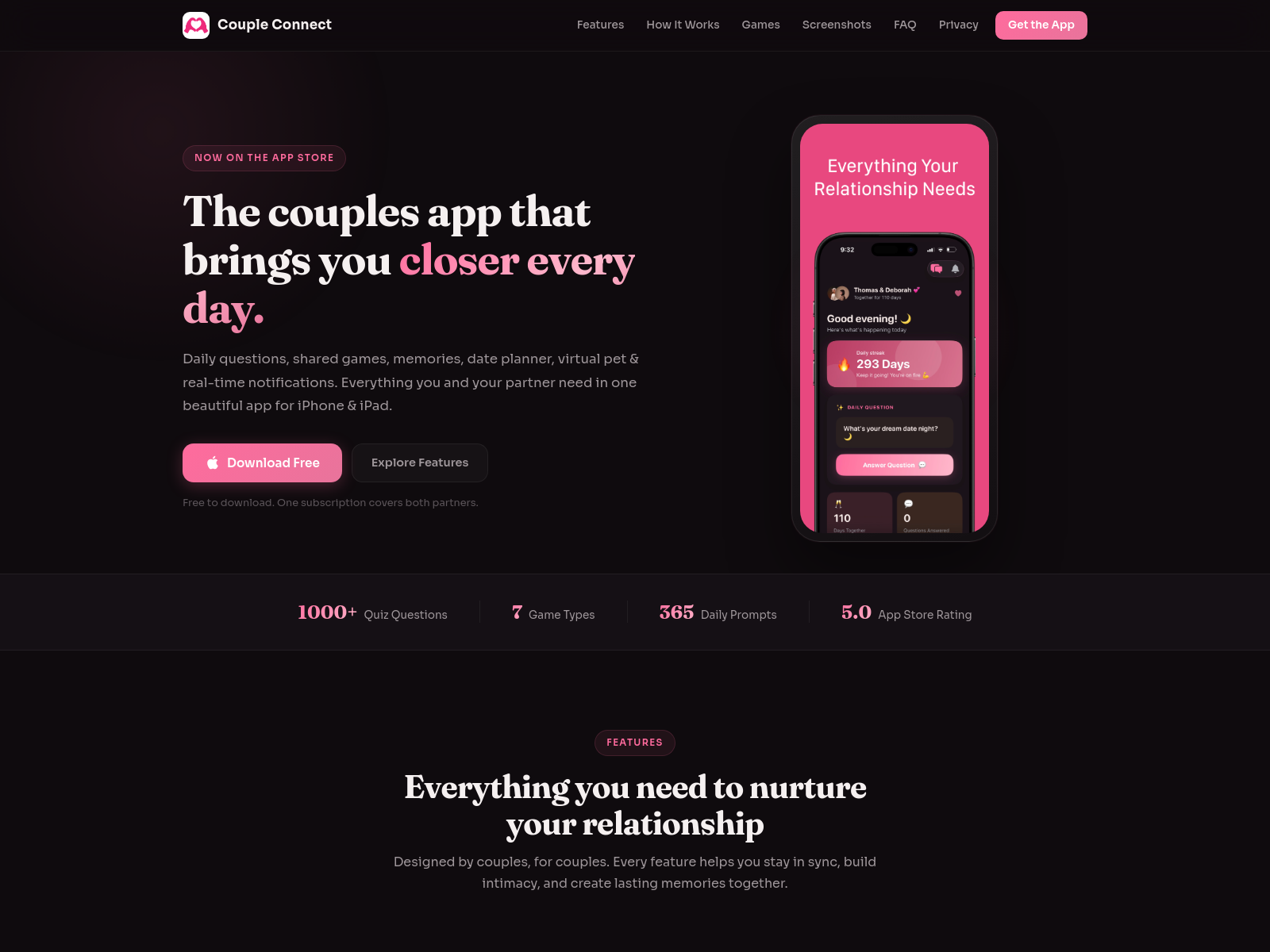
Couple Connect
Couple Connect is an interactive app designed for couples, strengthening relationship connection through games and memory recording.
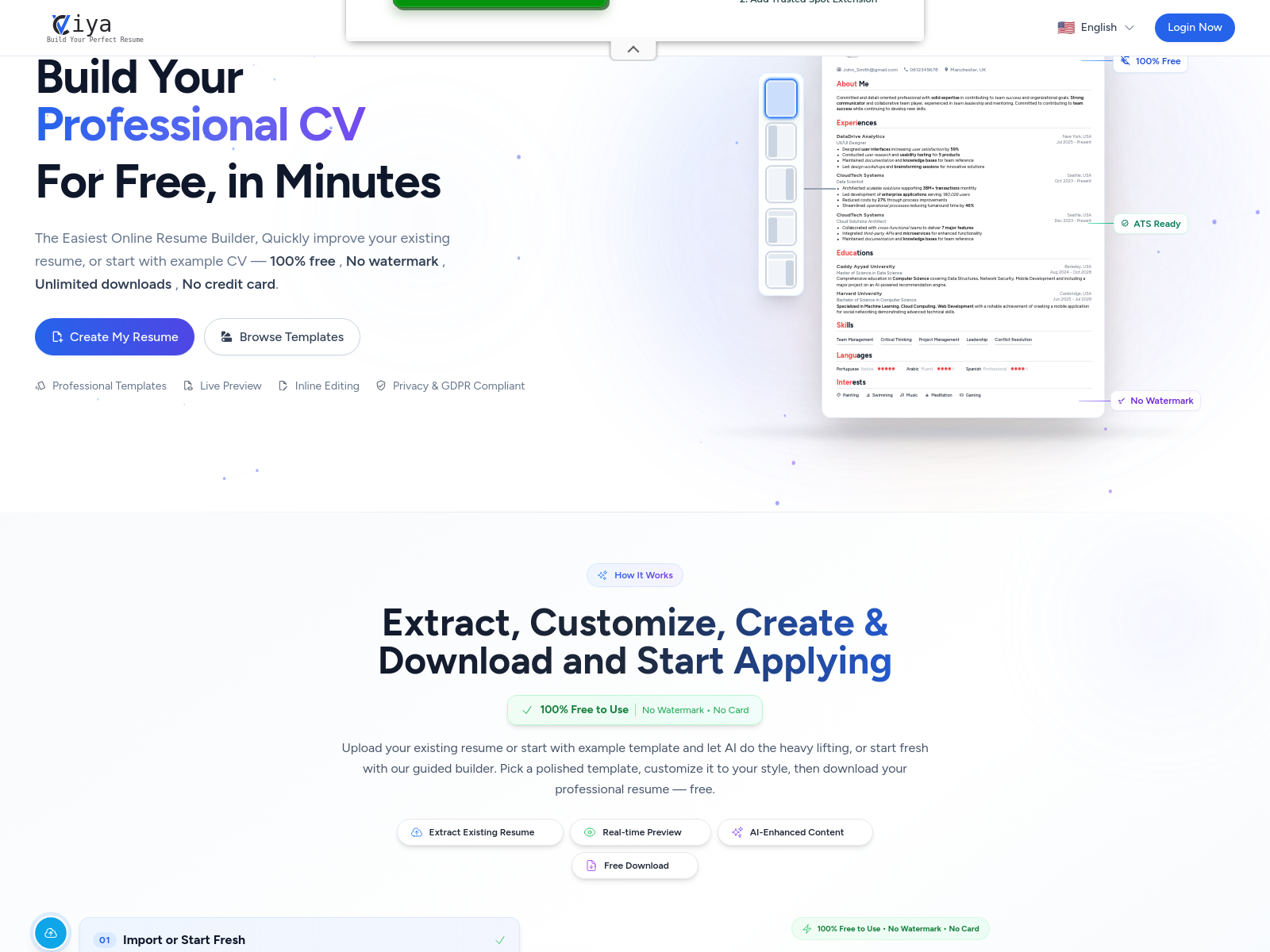
Cviya
Cviya is a completely free resume builder that supports watermark-free exports, RTL layouts, and an AI writing assistant, with drag-and-drop formatting.
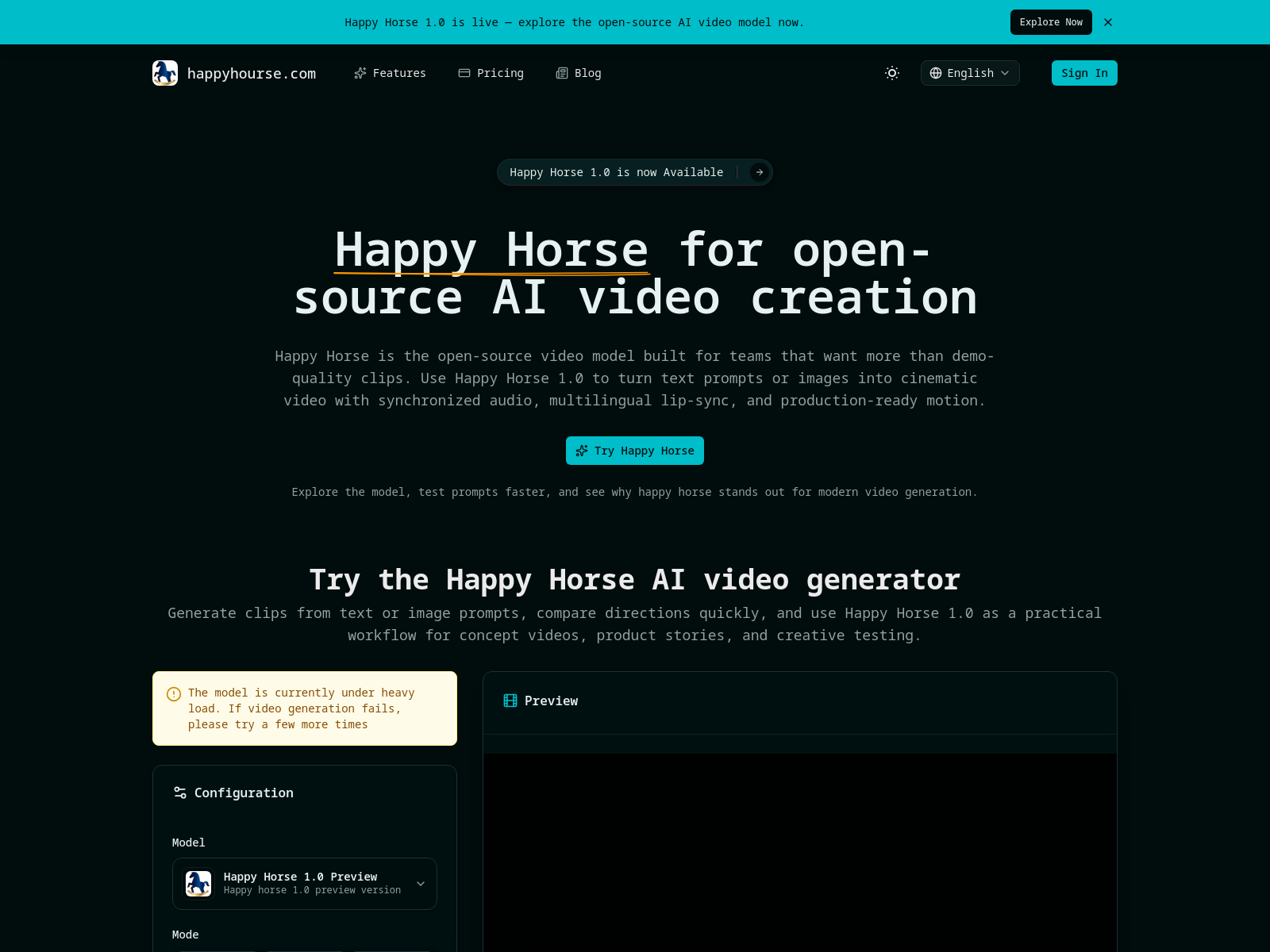
happy horse
happy horse is a locally deployable large model development tool that supports localized large model services and provides an open-source solution.
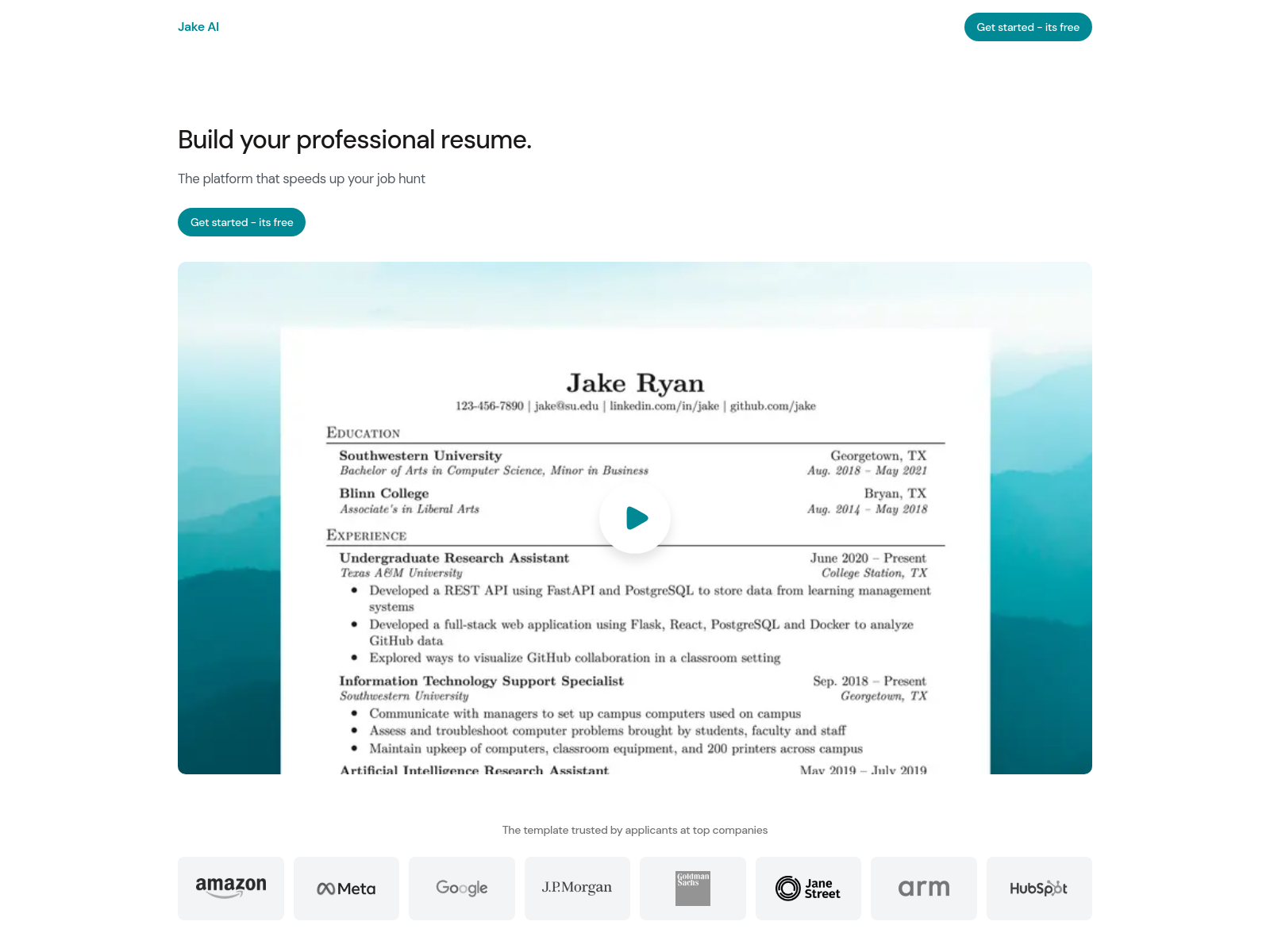
JakeAI
JakeAI is an online resume editor based on Jake’s Resume template. It supports AI rewriting of bullet points to improve job search efficiency.
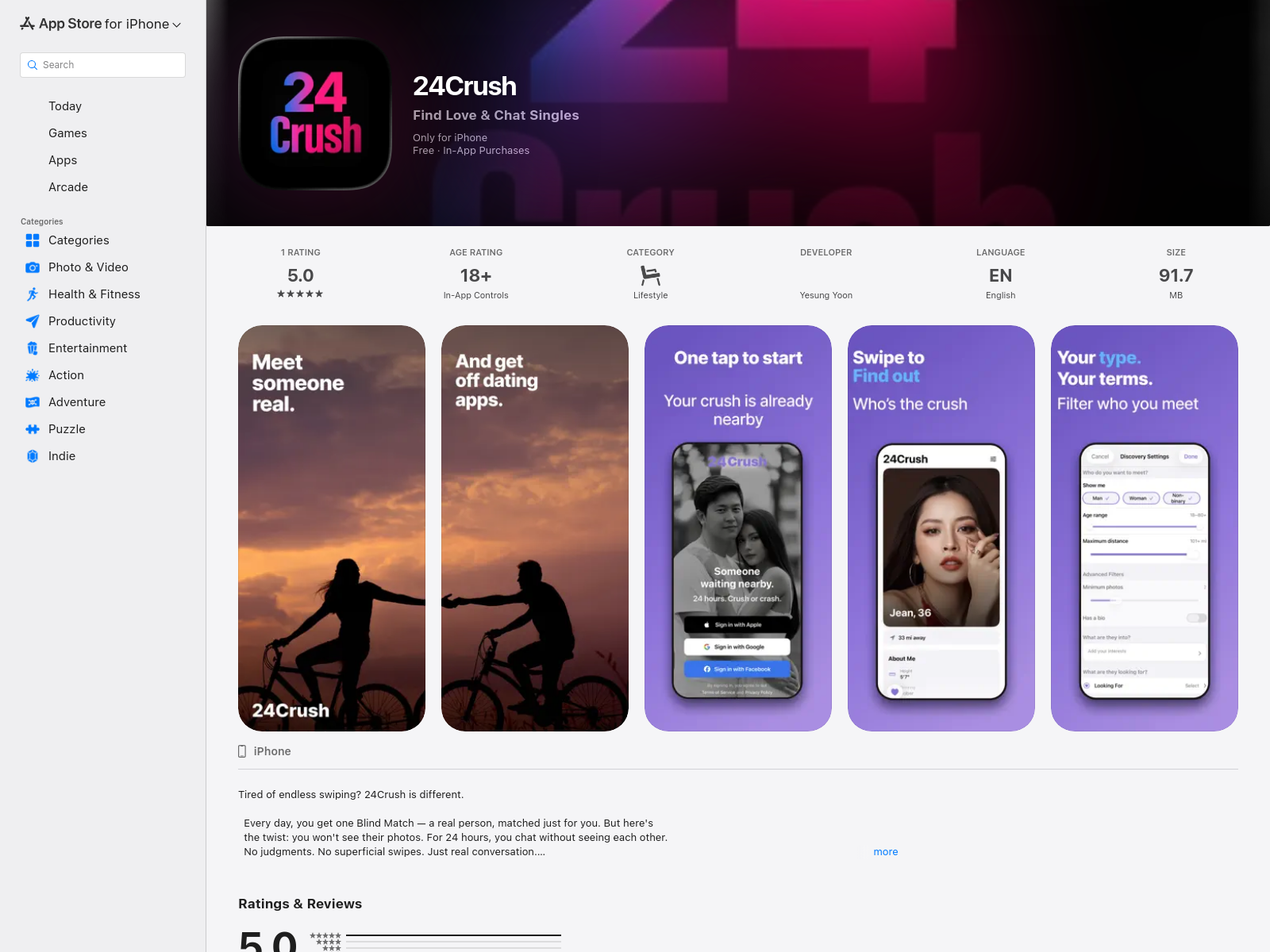
24Crush
24Crush is a dating app centered on “chat first, see photos later.” After matching, users must communicate within 24 hours to unlock each other’s photos, testing a conversation-first model.
🎮 Games
Idols of Ash
Idols of Ash is a first-person horror climbing game in which players descend vertically through industrial ruins with a grappling hook, emphasizing atmosphere and sound design.

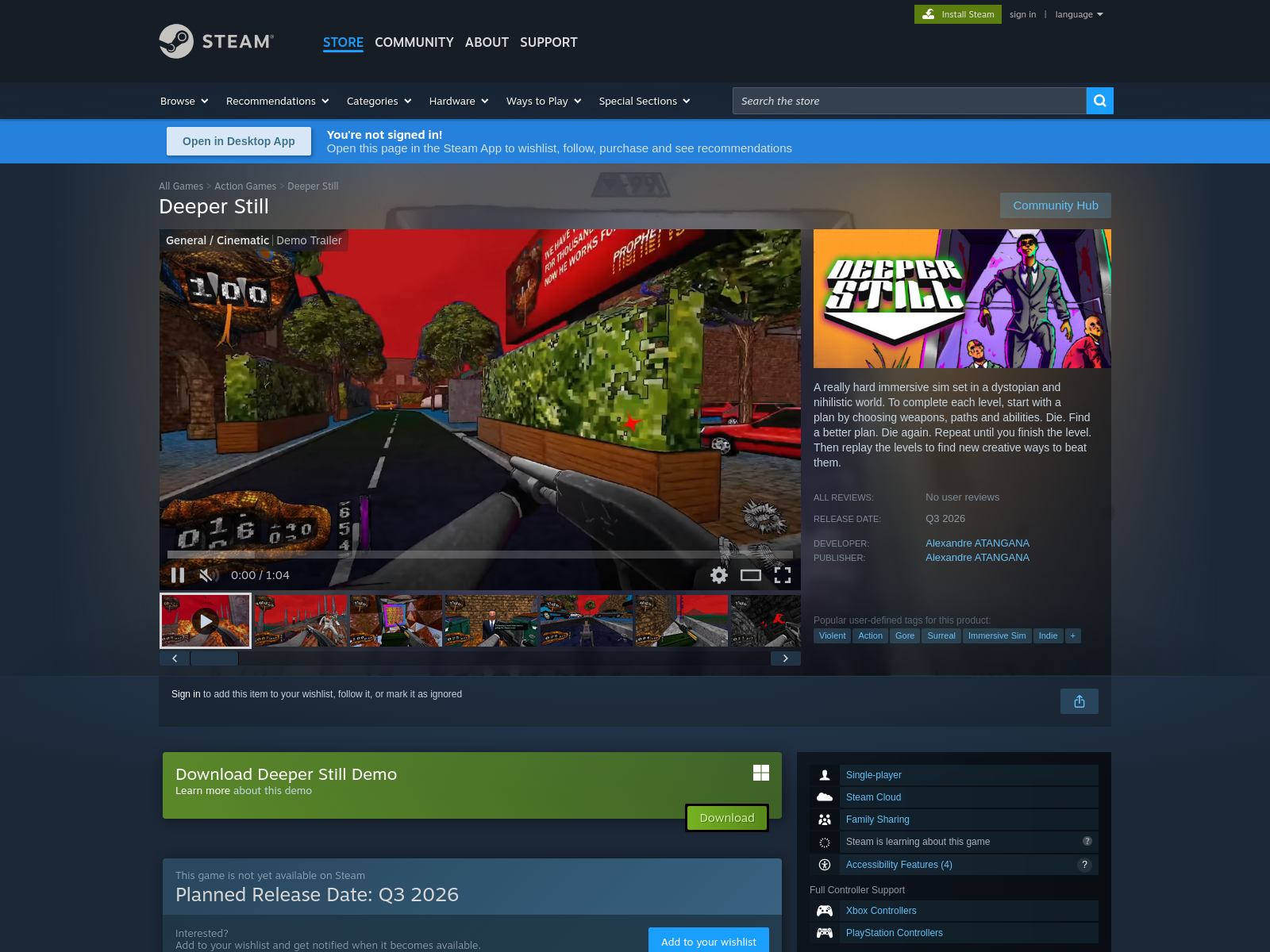
Deeper Still
Deeper Still is an immersive simulation game.
🌐 Websites
OnTheRice
OnTheRice is a side-project website created by an indie developer, providing developers with a collection of simple, practical tools and inspiration sharing.

Navidash
Navidash is a customizable personal navigation homepage, supporting pegboard-style free layouts and drag-and-drop components, suitable for long-term use as a browser homepage.

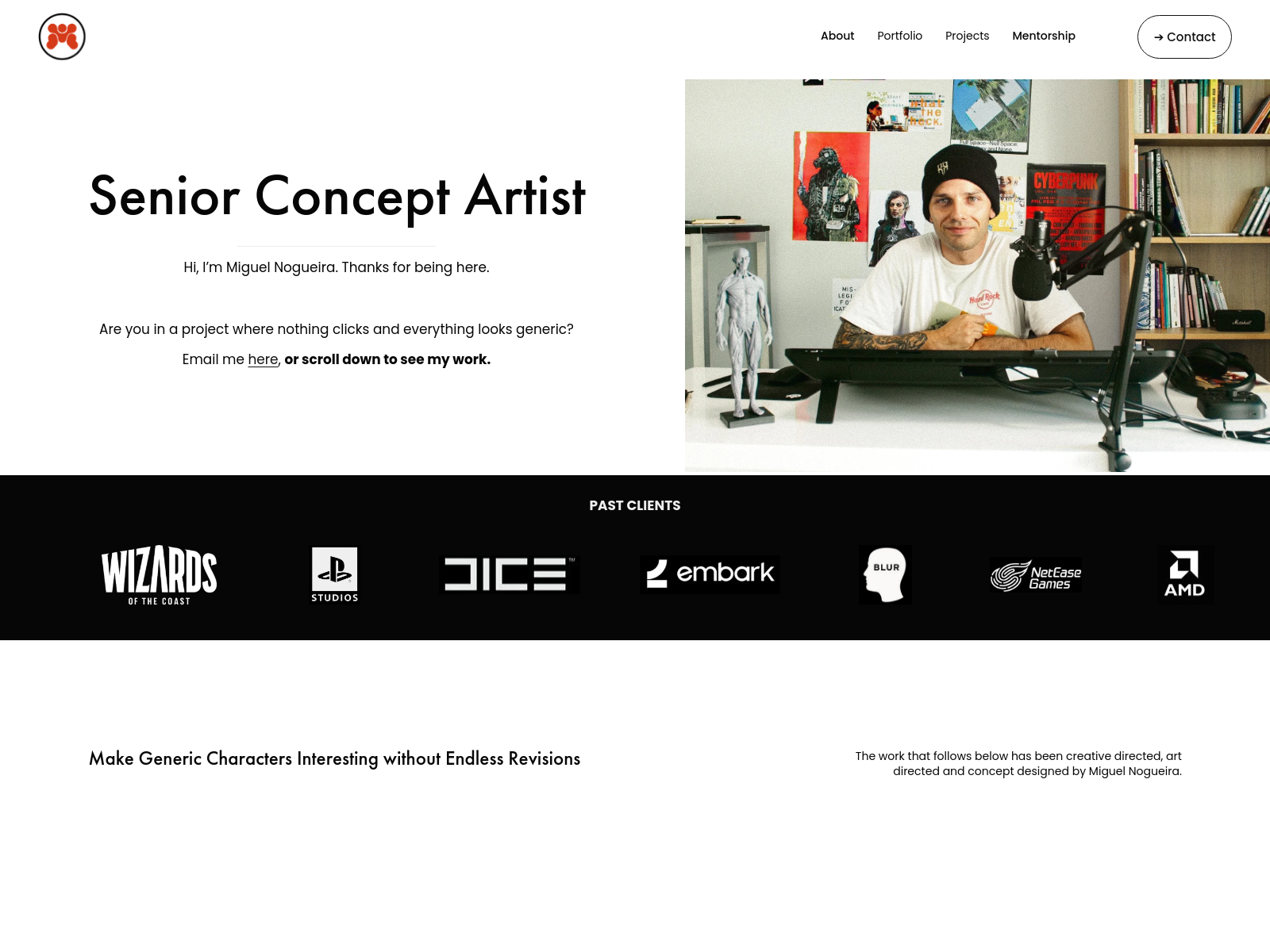
Menog Creative
Menog Creative is a website showcasing concept art for game props, blending Soviet architecture with ancient Egyptian elements to create a distinctive visual style.
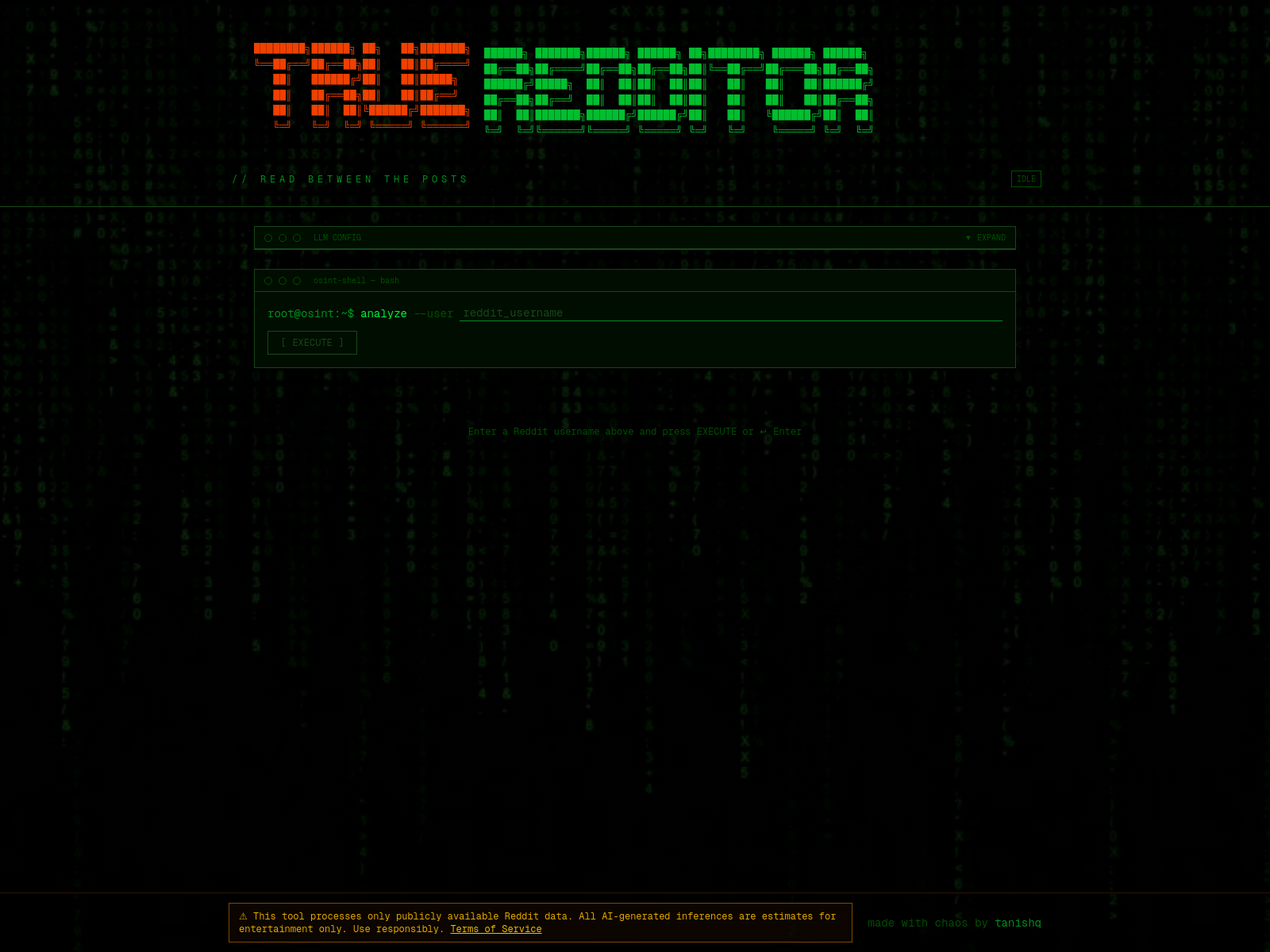
True Redditor
True Redditor is a tool for analyzing Reddit user identities. Enter a username to generate a user profile, with support for custom LLM models to improve analysis quality.
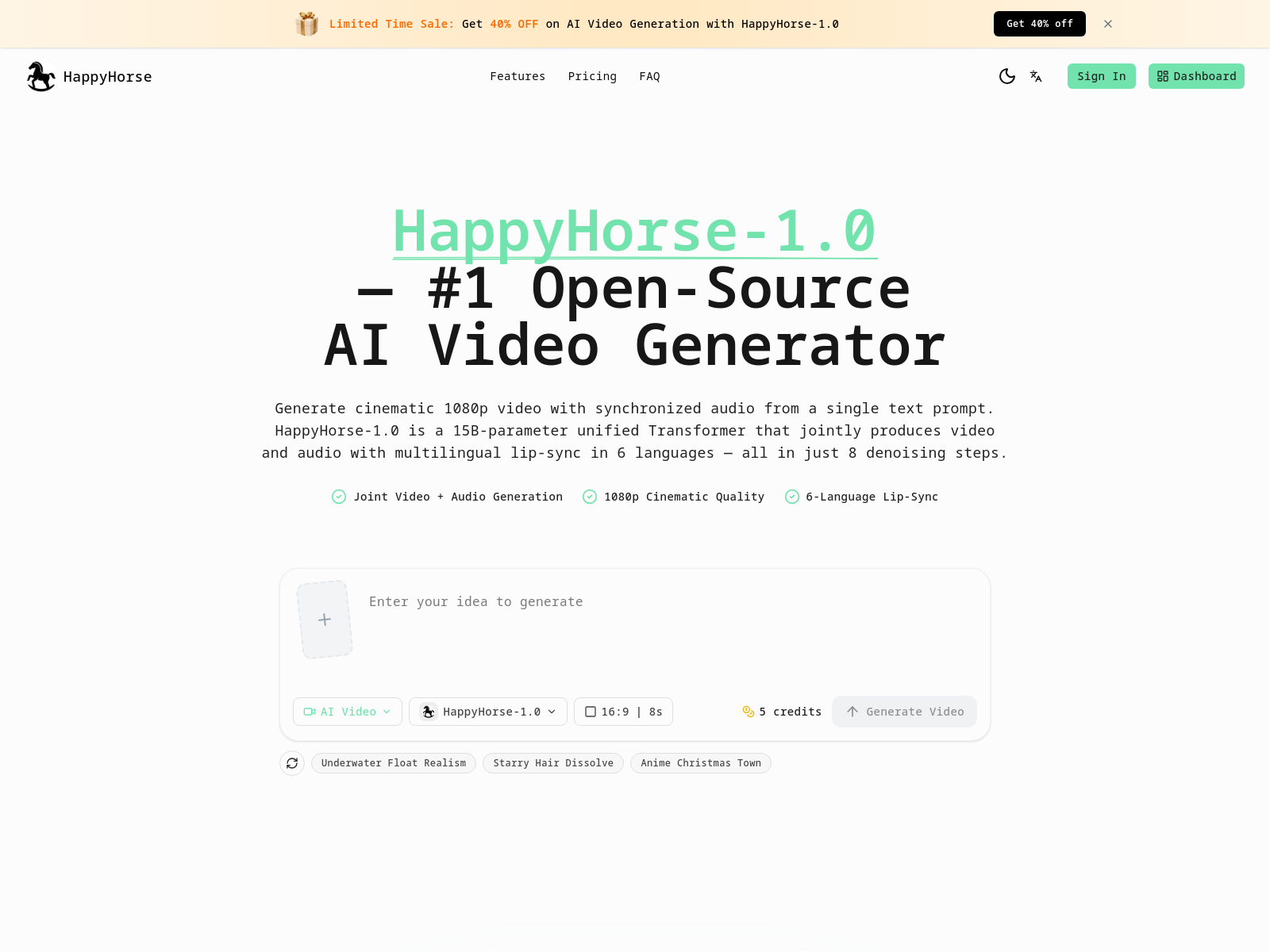
HappyHorse1
HappyHorse1 is a one-stop AI video generation website supporting text-to-video, image-to-video, and multilingual lip sync.
✍️ Notes
Daily project information:
Website: https://www.nomoyu.com/
RSS: https://www.nomoyu.com/rss/rss.xml
WeChat Official Account: 明航的AI副业
Feel free to connect and exchange ideas
See the website for all links.