2026-05-07. Nomoyu Daily for Indie Developers (Issue 355)
📰 News
When one employee burns a million-token budget in a year
Over the past year, many companies have treated AI as a smarter search box.
Next, it will become one of the hardest expenses in the company to manage.
The real danger is not that AI writes code too quickly, but that organizations are still using old abacuses to manage a new army.
In this interview, the two anonymous managers behind Stay SaaSy make a sharp judgment: the core question around AI is shifting from “can people use it?” to “who is allowed to spend?”
In the past, companies gave employees computers, bought SaaS tools, and opened accounts. Most costs were fixed. A few hundred dollars per person per year, at most a few thousand, stayed quiet on the finance sheet.
AI is different.
When a tool moves from “charged per seat” to “charged per call,” every person suddenly becomes a small budget center. Some people may spend only a few hundred dollars a year. Others may burn tens of thousands, hundreds of thousands, or more.
That is where it gets difficult.
Companies used to manage headcount. Now they are managing leverage.
AI is not a tool. It is an amplifier. And an amplifier is most dangerous when nobody is watching the fulcrum.
A senior engineer says, “I need more tokens so I can double my efficiency.” How do you judge that? Do you approve it? How much? Adjust monthly? By project? By output?
The harsher point is that this is not a technical problem. It is a management problem.
Future managers cannot just ask, “Did you finish it?” They also need to ask, “Did the AI budget you spent really turn into business results?”
That will force a brutal reality into the open. Some people use AI as acceleration, while others use AI as a furnace for money. Some teams spend tokens to build engines, while others are just polishing slides.
The second shift is that the old “buy or build” question has been reopened.
Companies used to buy SaaS because building it themselves was too slow, too expensive, and too annoying. Now that AI has arrived, many bosses will have a thought: can I just have engineers spend some tokens and build this ourselves?
That thought is half right and half dangerous.
If a piece of software can essentially be replaced by a spreadsheet, then yes, it may be replaced by an internal system. Approval flows, simple boards, lightweight data entry are all examples.
But if it involves permissions, stability, migration, audit trails, multi-person collaboration, and long-term maintenance, do not be fooled by a pretty AI demo.
Being able to build it does not mean you should own it. Saving a subscription does not mean saving cost.
AI is especially good at creating the illusion of “we are almost done.” Interfaces can be generated in one click, buttons can run, and data can be displayed. But the real cost often hides three months later, in the first incident, the first requirement change, or the first complaint from a new employee.
The third change is more counterintuitive: the people AI should examine first may not be interns, but management.
When many companies talk about automation, they stare at the bottom of the org chart: support, operations, junior engineers, sales assistants.
But the interview makes a much sharper point: the real bottleneck is often at the top of the org chart.
Many decisions that block leaders every day are not that advanced. How to move hiring forward, how to prioritize requirements, whether to hold a meeting, how to classify project risks. A large share of this is standard process, not genius judgment.
AI may not make the final hard decision for you, but it can absolutely standardize 70% of routine judgment. That gives humans the energy to handle the truly different 30%.
This is AI’s deepest organizational change: it does not make everyone disappear. It forces everyone to prove whether they provide judgment or blockage.
Finally, there is reliability.
AI makes code faster to write, and also makes errors faster to spread. One engineer commanding ten agents at the same time looks like “100x efficiency,” but it also looks like an exhausted air traffic controller watching ten planes land.
Code commits may be cheap. Production incidents do not come with discounts.
The best future teams will not be the ones wildly stacking AI agents. They will be the ones redesigning trust mechanisms: who can merge code, who reviews risk, which systems require human review, and which changes can be automatically released.
“One person is an army” sounds exciting. But what companies really need is not a lone hero. They need systems that will not blow up production.
So stop asking only, “Will AI replace me?”
A better question is: after AI amplifies capability, cost, and risk, do I have the ability to manage the amplifier?
The next round of tech competition will not be won only by the people best at writing prompts. It will be won by people who understand business, budgets, reliability, and people at the same time.
The scarcest thing in the AI era is not a smart machine. It is the human who can command smart machines.
🖥️ Software
Happy Horse
Happy Horse is an AI video generation tool that supports text-to-video and image-to-video generation, with character consistency and lip sync for quickly producing short content across platforms.

VidPilot
VidPilot is a tool for YouTube video summaries, subtitle generation, and AI dubbing, supporting programmatic SEO and AI-driven distribution growth.

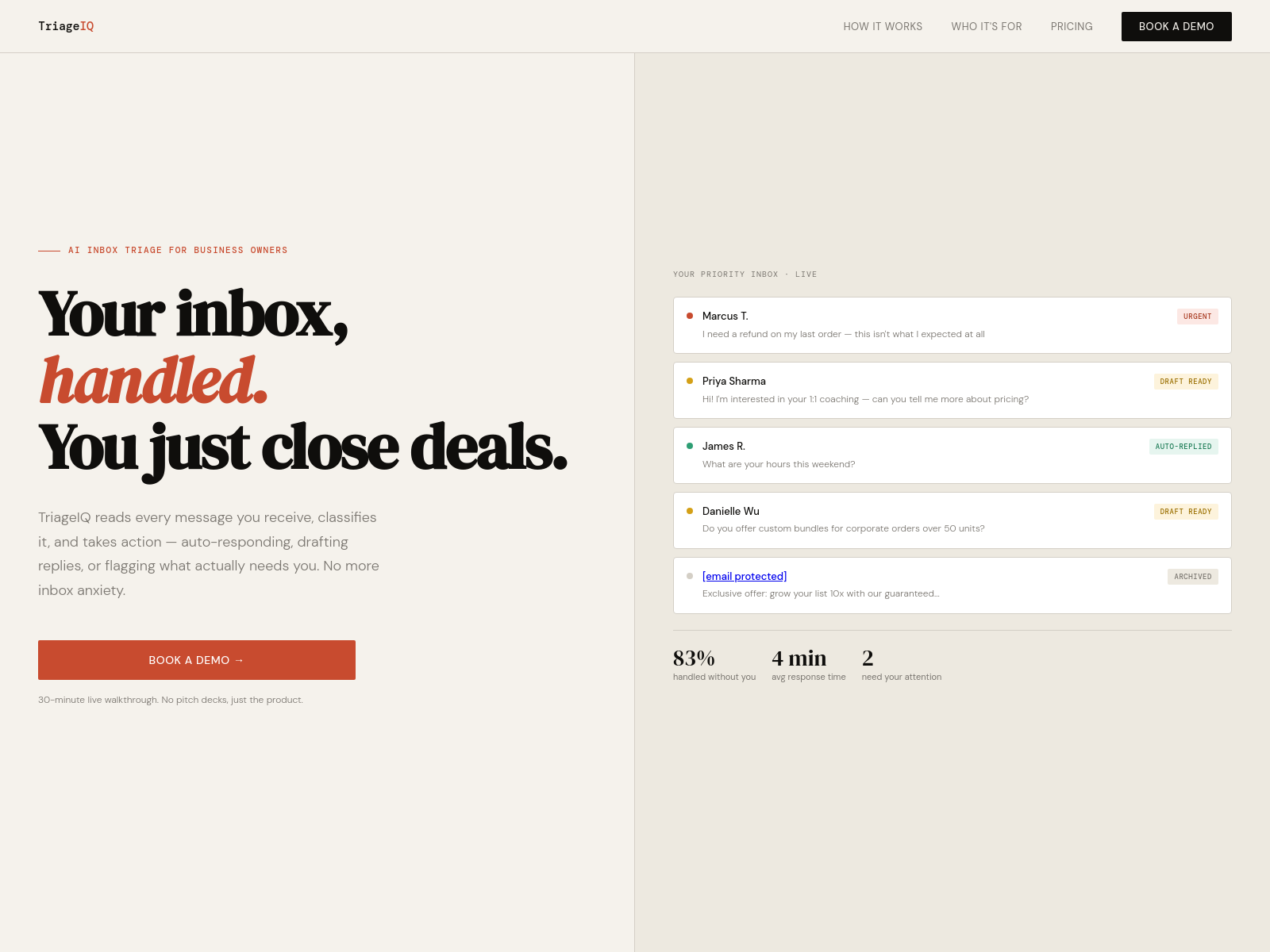
TriageIQ
TriageIQ is an AI email triage tool designed for small business owners. It automatically handles email, answers common questions, and flags leads and complaints.
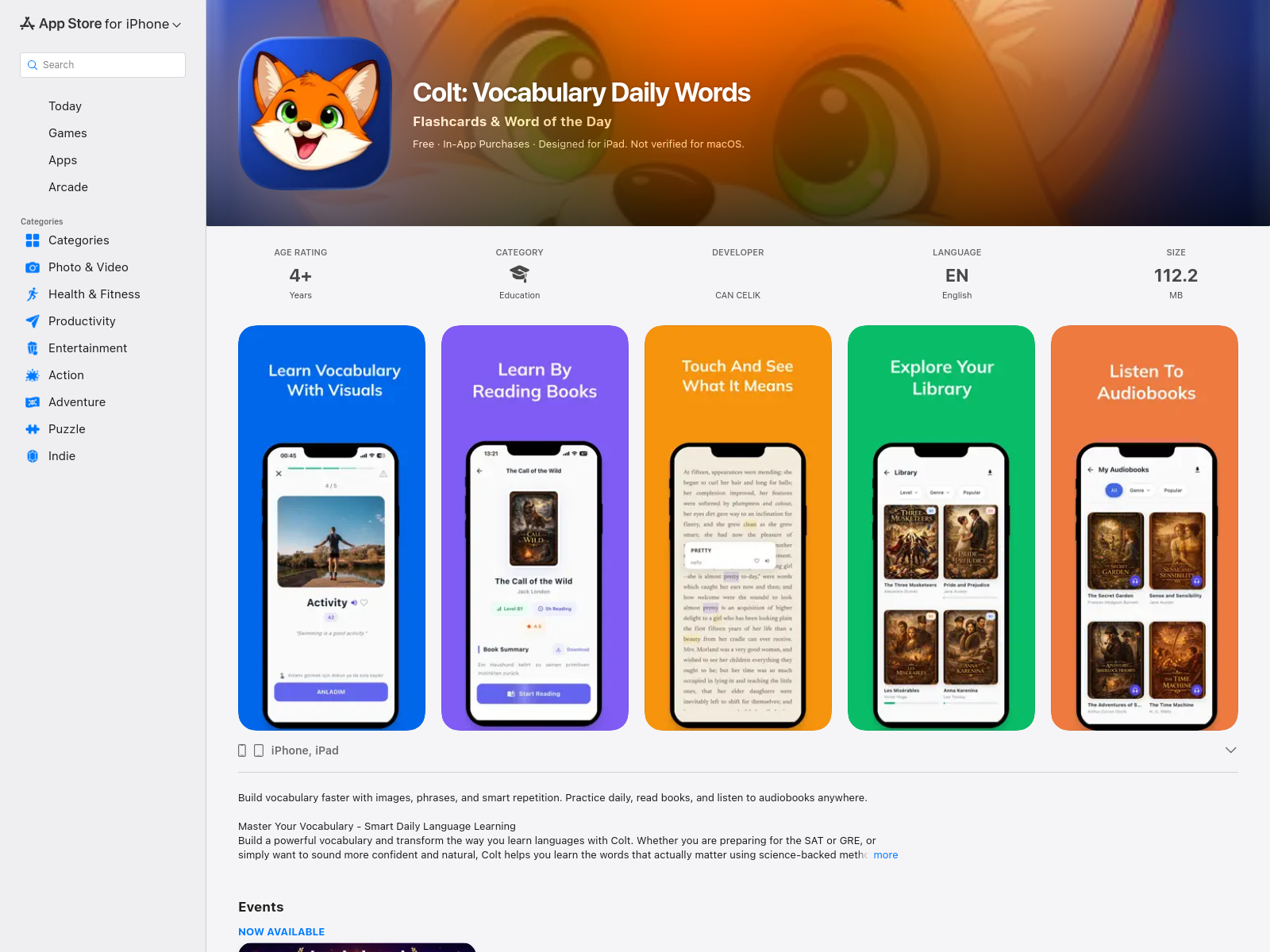
Colt
Colt is a vocabulary tool for language learners, supporting contextual lookup, audiobook integration, and AI image generation to improve real-world vocabulary use.
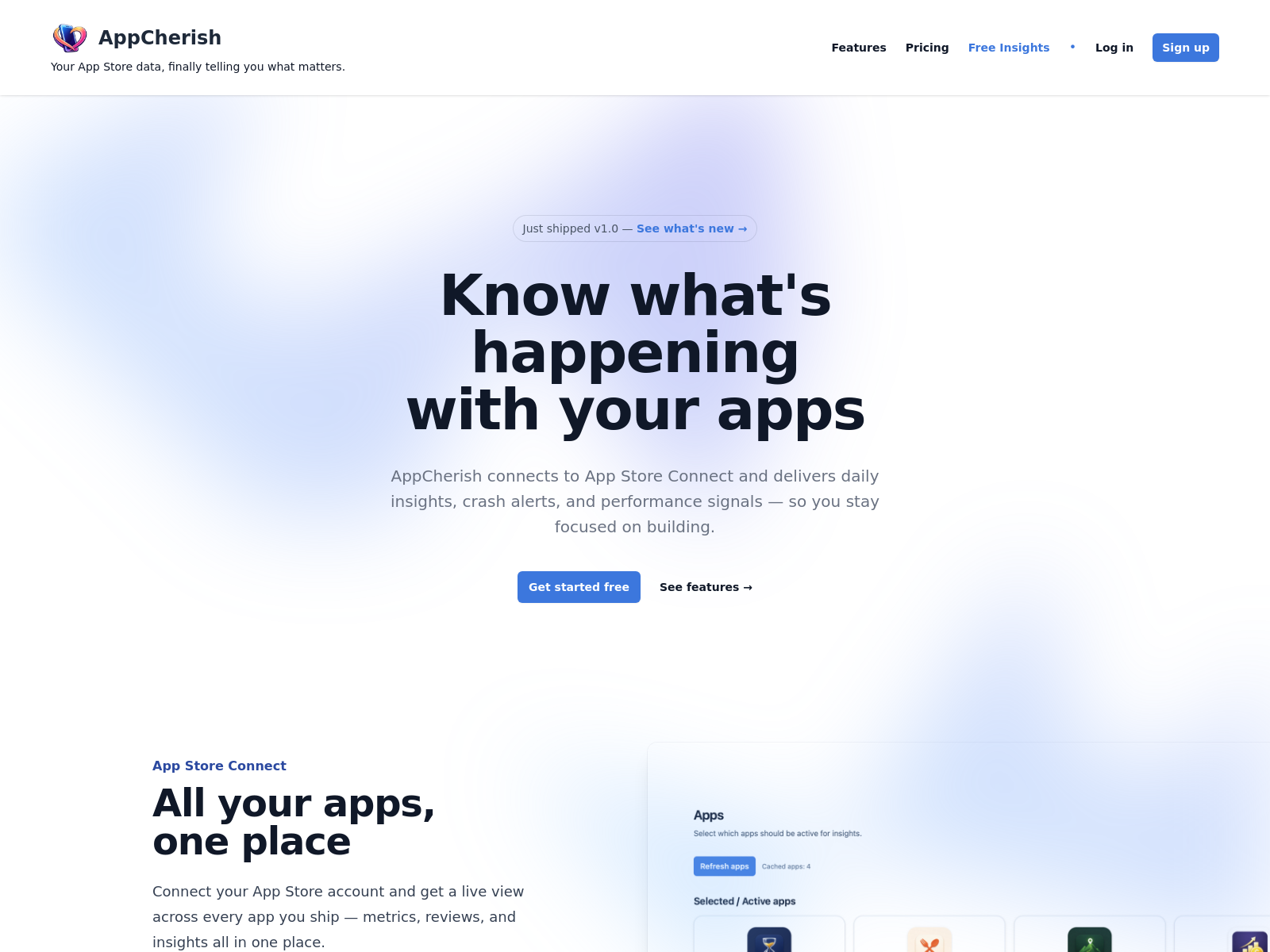
AppCherish
AppCherish is an App Store data insight tool for iOS and macOS developers. It focuses on crash alerts and performance signals through concise daily emails.
Circuit
Circuit is an AI-powered social media management tool built by an indie developer, helping product builders quickly create marketing strategies, content ideas, and execution tasks.

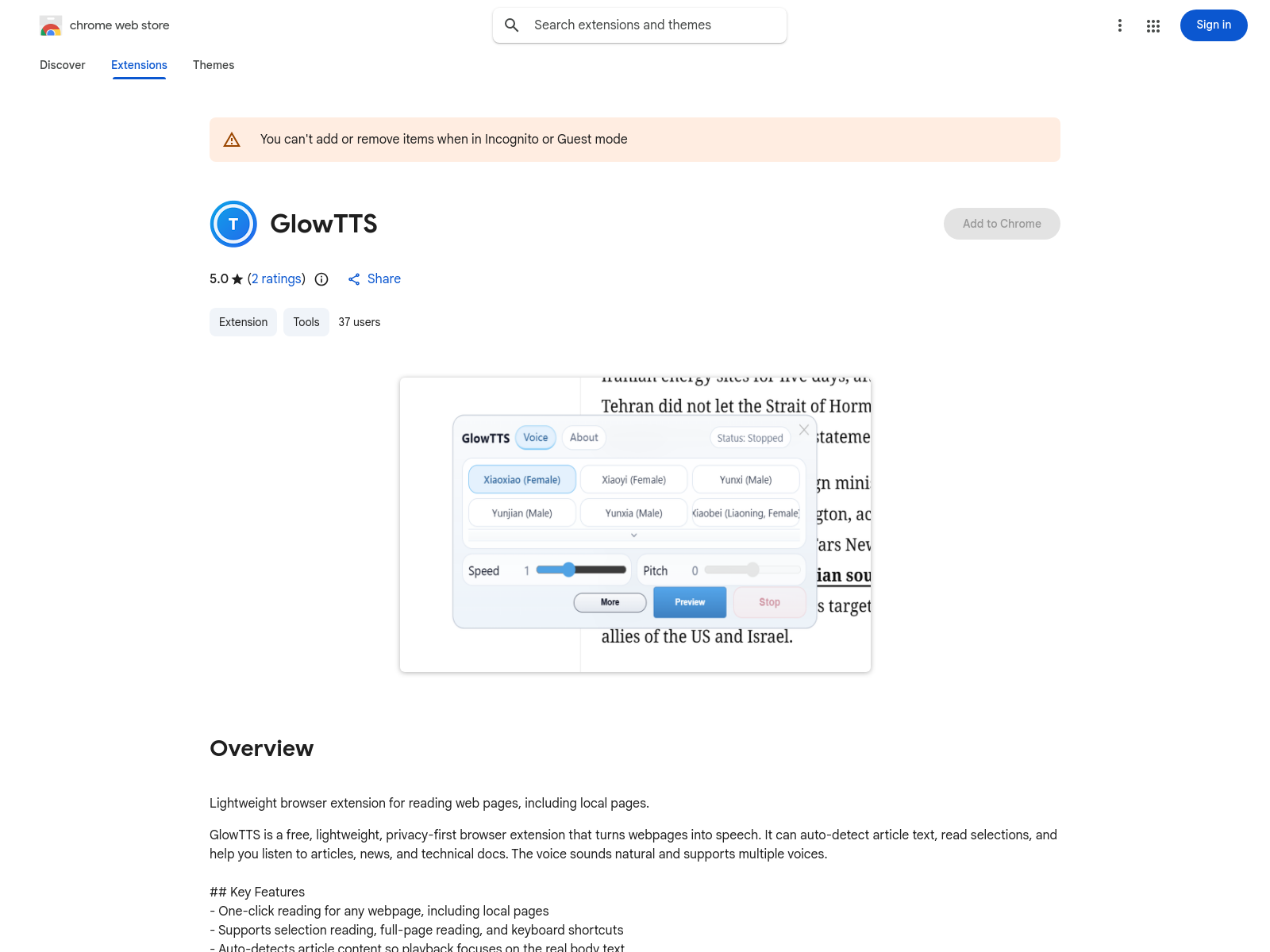
GlowTTS
GlowTTS is a free Chrome extension that turns webpage text into speech, with pitch and speed adjustment plus mobile support.
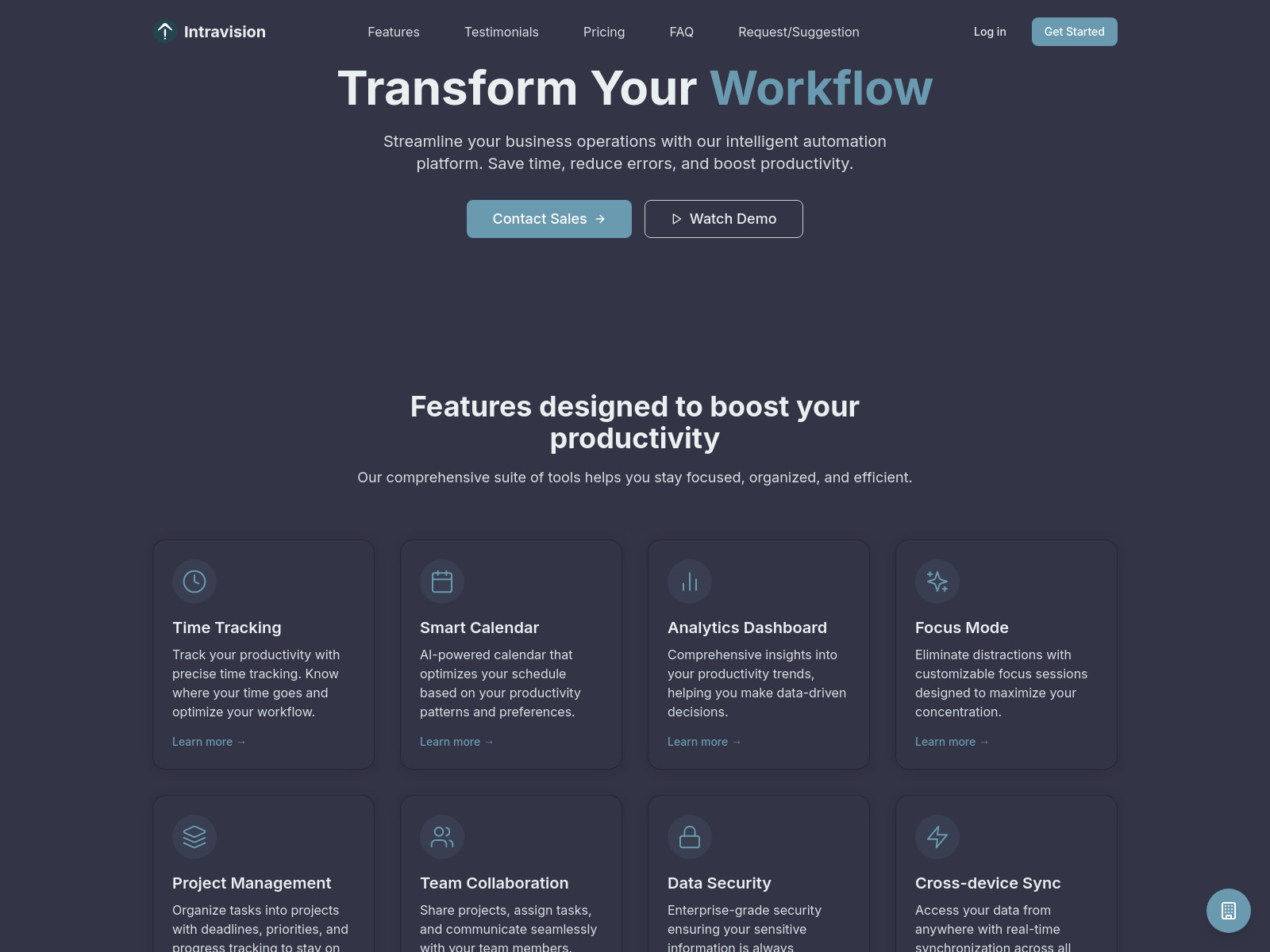
Intravision
Intravision is a zero-click AI time tracking tool that automatically records work status through contextual AI and improves the experience with gamified design.
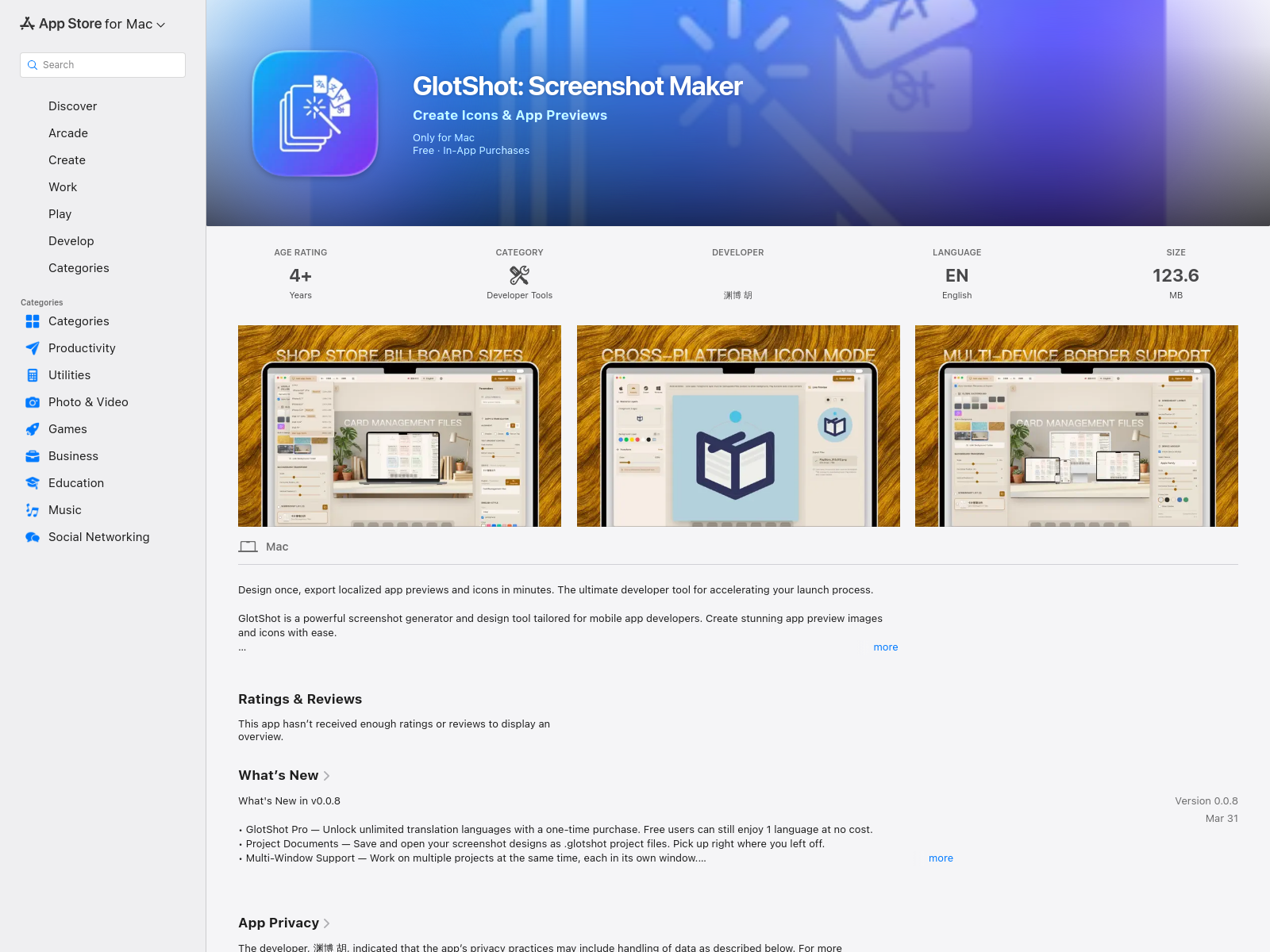
GlotShot
GlotShot is a local macOS screenshot beautification and cross-platform icon generation tool, supporting batch generation of multilingual App Store screenshots and icons for multiple platforms.
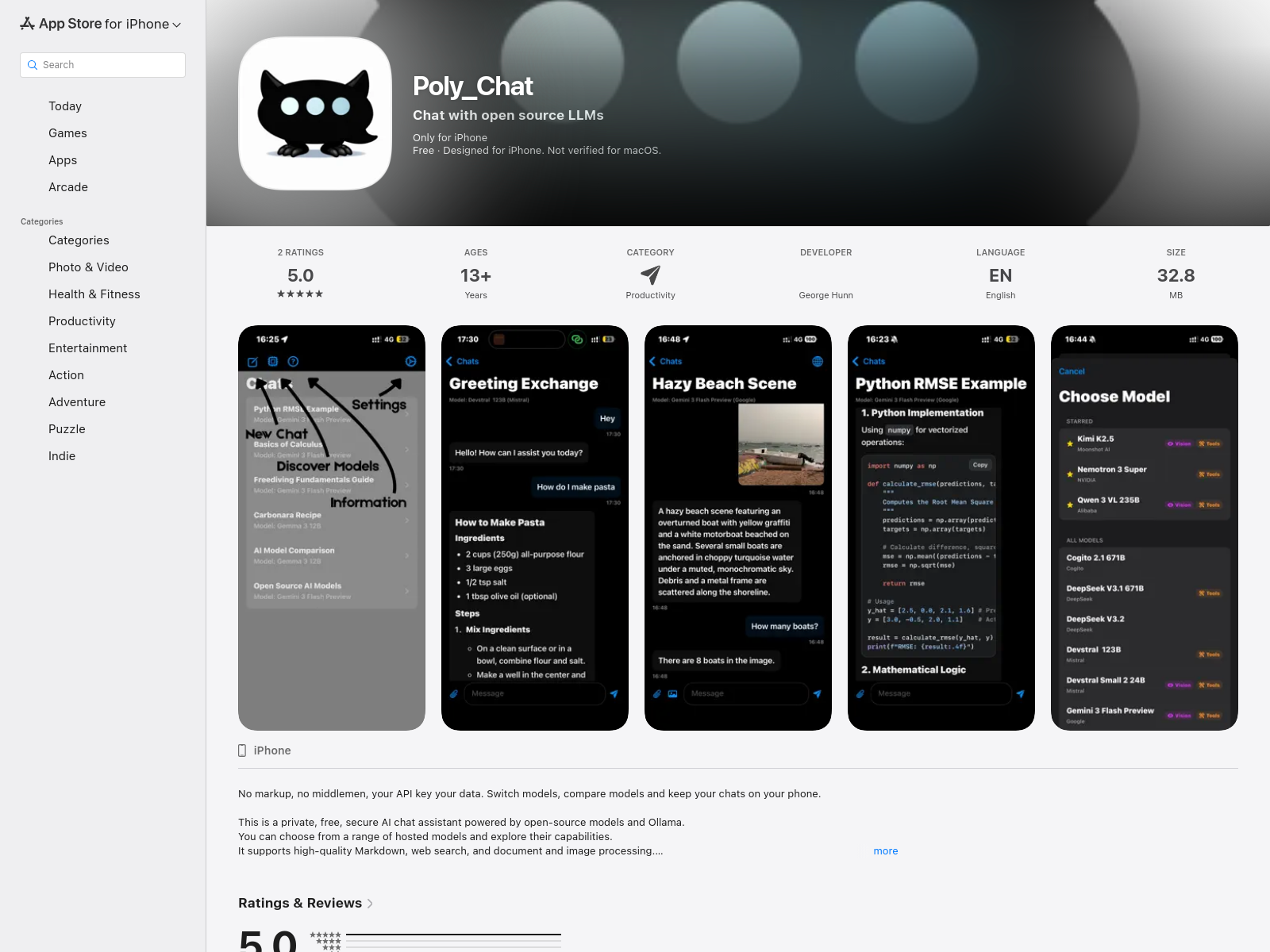
Poly Chat
Poly Chat is a private chat app that supports locally running open-source large models. It can connect to Ollama or OpenAI-compatible endpoints and includes web search and document upload.
Kibi
Kibi is a driving assistant that automatically recommends the best combined exit for fuel, food, and restrooms based on vehicle range. It covers more than 79,000 US highway exits and is free on iOS with no ads.

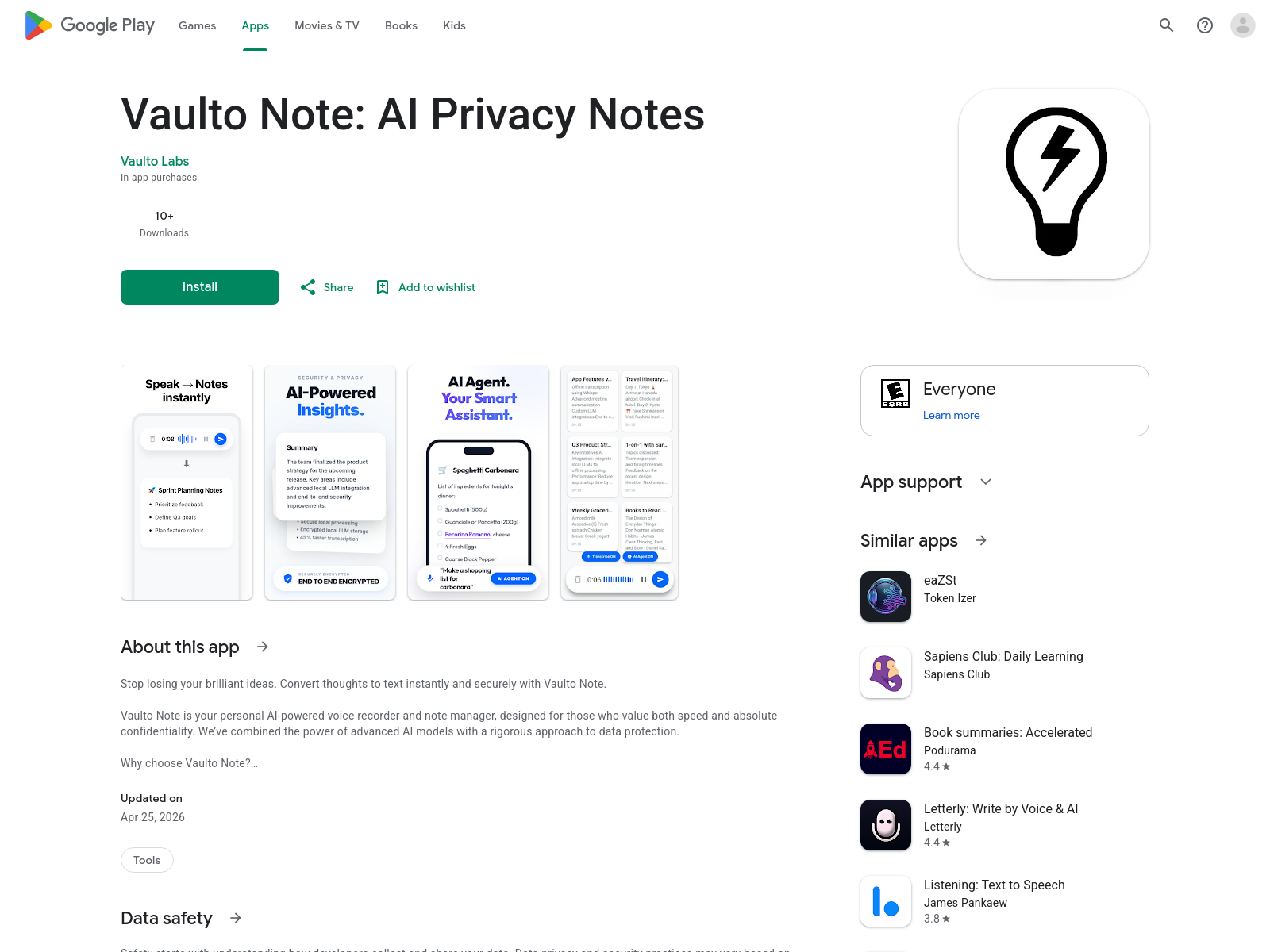
Vaulto Note
Vaulto Note is a privacy-first Android voice note app that supports speech transcription and summary generation using the user’s own OpenAI API key.
🎮 Games
Cat Me If You Can
Cat Me If You Can is a 3D cat-finding game developed in UE5. Players search for hidden cats in a hand-drawn black-and-white world and take photos to trigger color gradients.

🌐 Websites
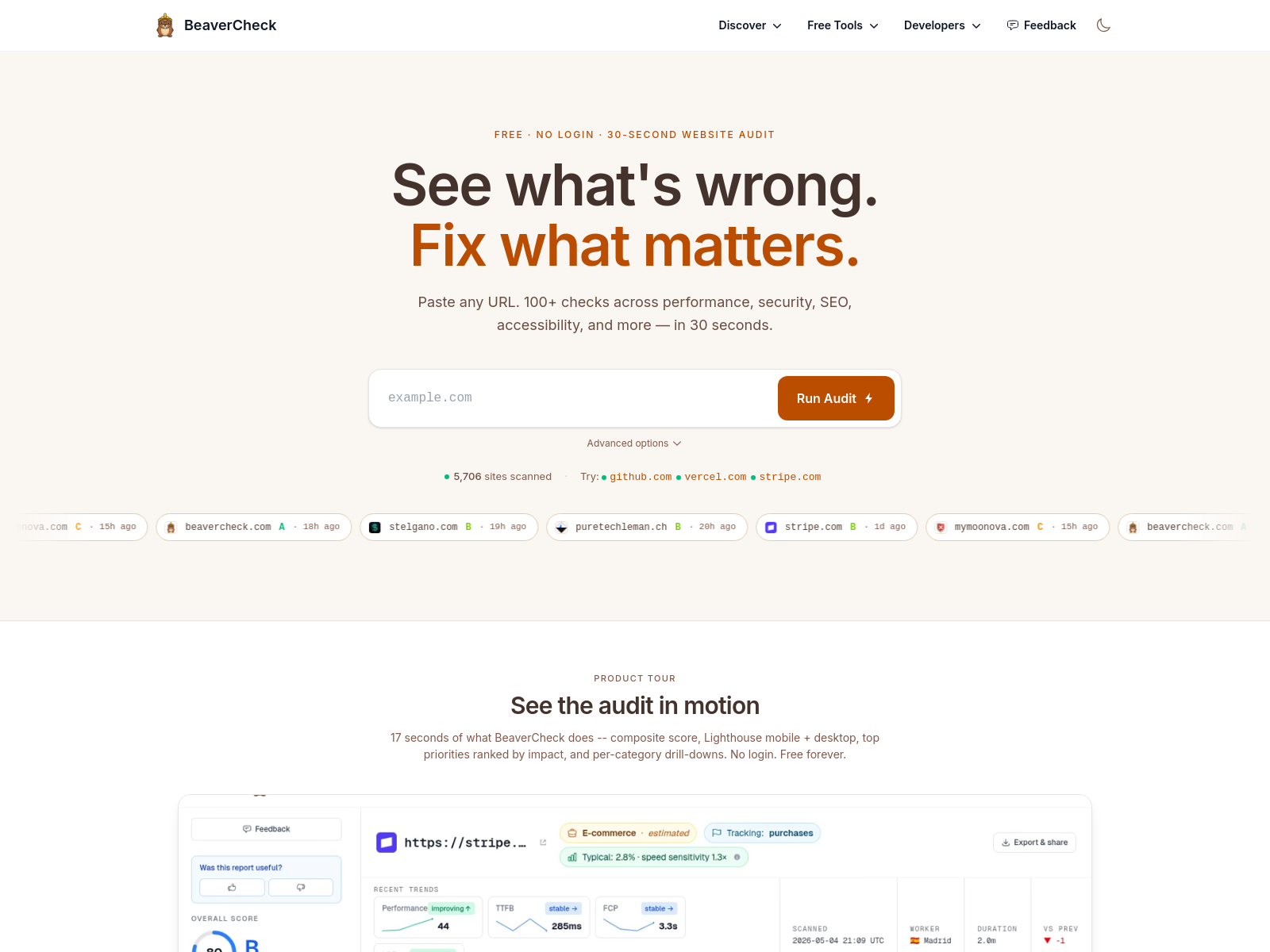
BeaverCheck
BeaverCheck is a free comprehensive website audit tool that checks more than 100 metrics across 9 categories, including performance, security, and accessibility, and provides fix suggestions.
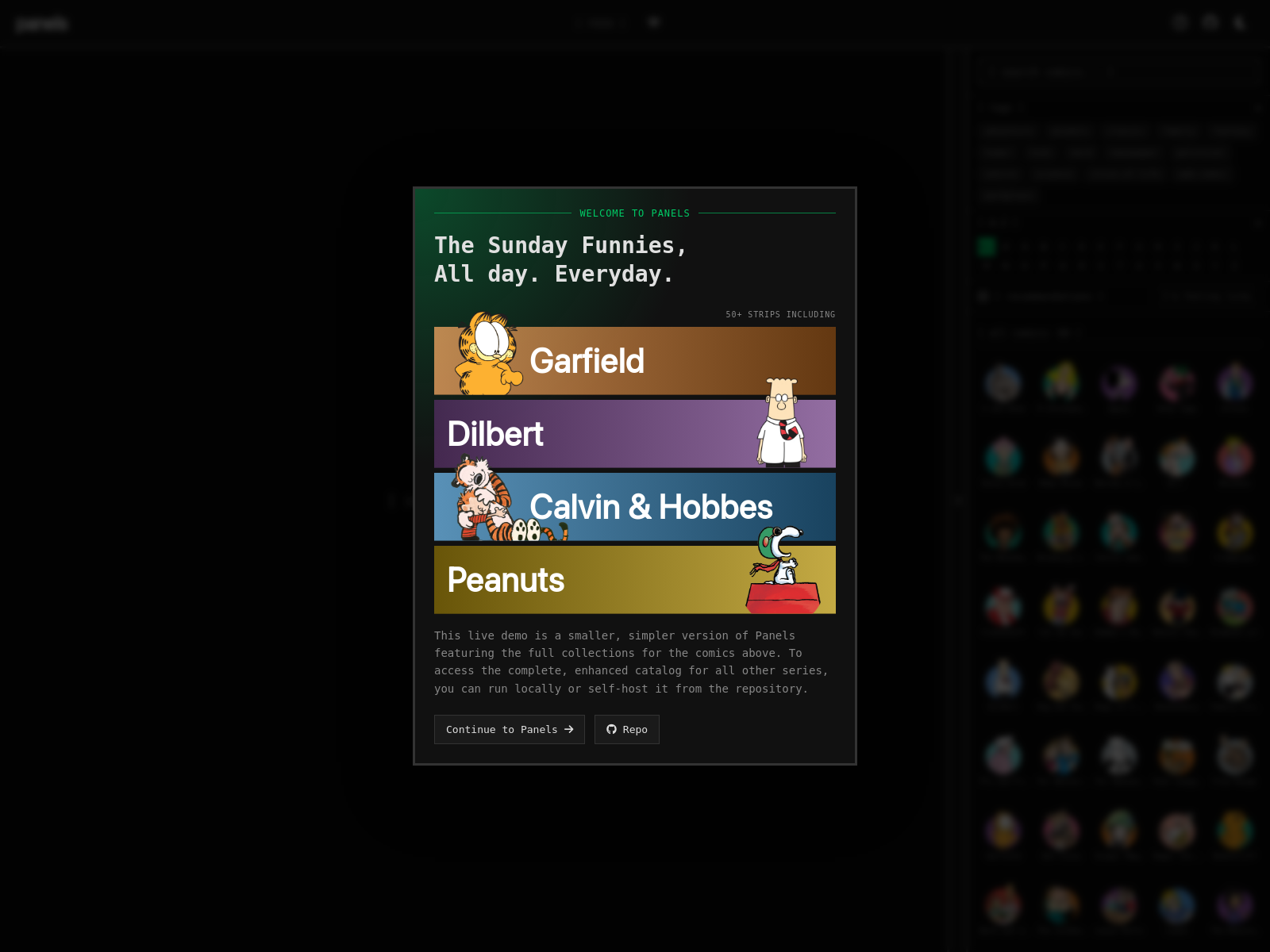
Panels
Panels is an open-source website for randomly reading classic comic entries such as Dilbert and Calvin and Hobbes, with local deployment support for more content.
✍️ Notes
Daily project information:
Website: https://www.nomoyu.com/
RSS: https://www.nomoyu.com/rss/rss.xml
WeChat Official Account: 明航的AI副业
Feel free to connect and exchange ideas
See the website for all links.