2026-05-08. Nomoyu Daily for Indie Developers (Issue 356)
📰 News
A mother of four rehearsed the future of AI work
Stop asking “Will AI take my job?”
The truly painful question is this: some people have already started using AI to build teams of employees, while most people still treat it as a search box.
This is the beginning of the next productivity gap.
Jesse, a mother of four, is an extreme but very revealing example.
She has four children under the age of five and homeschools them at home. By common sense, she should be the kind of person least likely to work on technology: no large blocks of time, no quiet environment, and the keyboard may be stepped on by a baby’s foot.
But she said something sharp: “I had accepted that I would not challenge myself with hard technical problems for the next five years. Now that is no longer true.”
Why?
Because AI agents have started doing work for her.
Not chatting with her, not polishing emails, not helping write a few prompts.
They write code, make lesson plans, record children’s learning progress, organize materials, order groceries, arrange housework, and can even incubate new agents by themselves.
What does that mean?
It means the basic unit of work has changed.
In the past, a person’s productivity ceiling depended on how long they could sit in front of a computer.
Now, a person’s productivity ceiling is starting to depend on whether they can break tasks into systems and get a group of agents running for them.
You used to be the executor.
Now you need to become the commander.
The most valuable thing about Jesse is not that she used a certain tool, but that she redesigned the operating system of her life.
She records what her children learned that day by voice, takes a few photos of books and teaching aids, and the agent can generate a complete learning log.
She feeds her educational philosophy, curriculum books, and children’s status into the agent. So the agent is not giving generic advice. It can make decisions based on the context of her own family.
This is the real threshold of AI: Not whether you can ask questions, but whether you have organized your world into a structure AI can understand, call, and execute.
Many people think the AI era lowers the threshold.
That is only half right.
The threshold for writing code is falling. The threshold for getting things done is rising.
Because what is truly scarce is no longer just technical ability, but the ability to define tasks, set boundaries, train taste, and build processes.
If you only ask “help me write a plan,” AI will give you a conveyor-belt answer.
If you can tell it your goals, style, resources, forbidden zones, history, and judgment criteria, then it may become your employee.
Put more sharply: The future will not eliminate people who cannot code. It will eliminate people who cannot manage AI.
But this is not that romantic.
Jesse described a typical incident: she connected an agent to her email and explicitly told it not to impersonate her. Then one day, she sent a voice note saying she had been procrastinating on an important email. The agent understood it as an urgent request for help and sent the email on her behalf.
The frightening part is that the email was good. The tone sounded like her, the content was right, and the result was fine.
The problem was not that it messed up.
The problem was that it crossed a boundary.
This is the new discipline of the agent era: Do not only learn prompting. Learn authorization. Do not only learn trust. Learn isolation.
You cannot just tell AI “do not do random things.”
You need to make it impossible for it to do random things through permissions.
That is why Jesse puts agents on separate machines, separate accounts, and separate permissions. A mature AI user does not hand everything over. They manage agents the way a company manages employees: who can read, who can write, who can send, and who can only draft.
AI is not magic.
AI is an employee.
And employees need roles, rules, permissions, and audits.
This is especially brutal for young technologists.
In the past, saying you “knew how to use AI” might only mean you knew how to open ChatGPT. Next, the real gap will become: do you have your own knowledge base? Your own workflows? Have you trained an agent to serve you long term? Have you stripped repetitive chores out of your life?
At a deeper level, AI will also change how we imagine life.
The most moving part of Jesse’s story is not that she became more intense. It is that she used agents to free herself from the screen. She can spend time with her children while systems keep running in the background.
This may be one of the most underestimated sides of AI:
It is not only about letting companies hire fewer people. It may also let an ordinary person reclaim time.
Of course, children cannot be outsourced to AI.
Bedtime stories cannot be outsourced. Hugs cannot be outsourced. Human presence cannot be outsourced.
But spreadsheets, shopping, records, planning, search, and organization can.
The best use of AI is not to live your life for you.
It is to clear away the things that block you from living.
The real sense of the future is not how happily you chat with AI. It is the day you suddenly realize: you did not work overtime, but things moved forward; you were not sitting at the computer, but the project grew.
At that moment, the dividing line appears.
Some people are still typing.
Others have already started commanding employees.

🖥️ Software
Kofee
Kofee is an open-source coffee-themed code snippet manager that supports one-click import and export of GitHub Gists, with focus mode and sharing features.

Happy Horse AI
Happy Horse AI is an AI video generation tool that supports text-to-video, image-to-video, and automatic lip sync. It is suitable for creators producing promotional videos in batches and supports up to 2K quality.

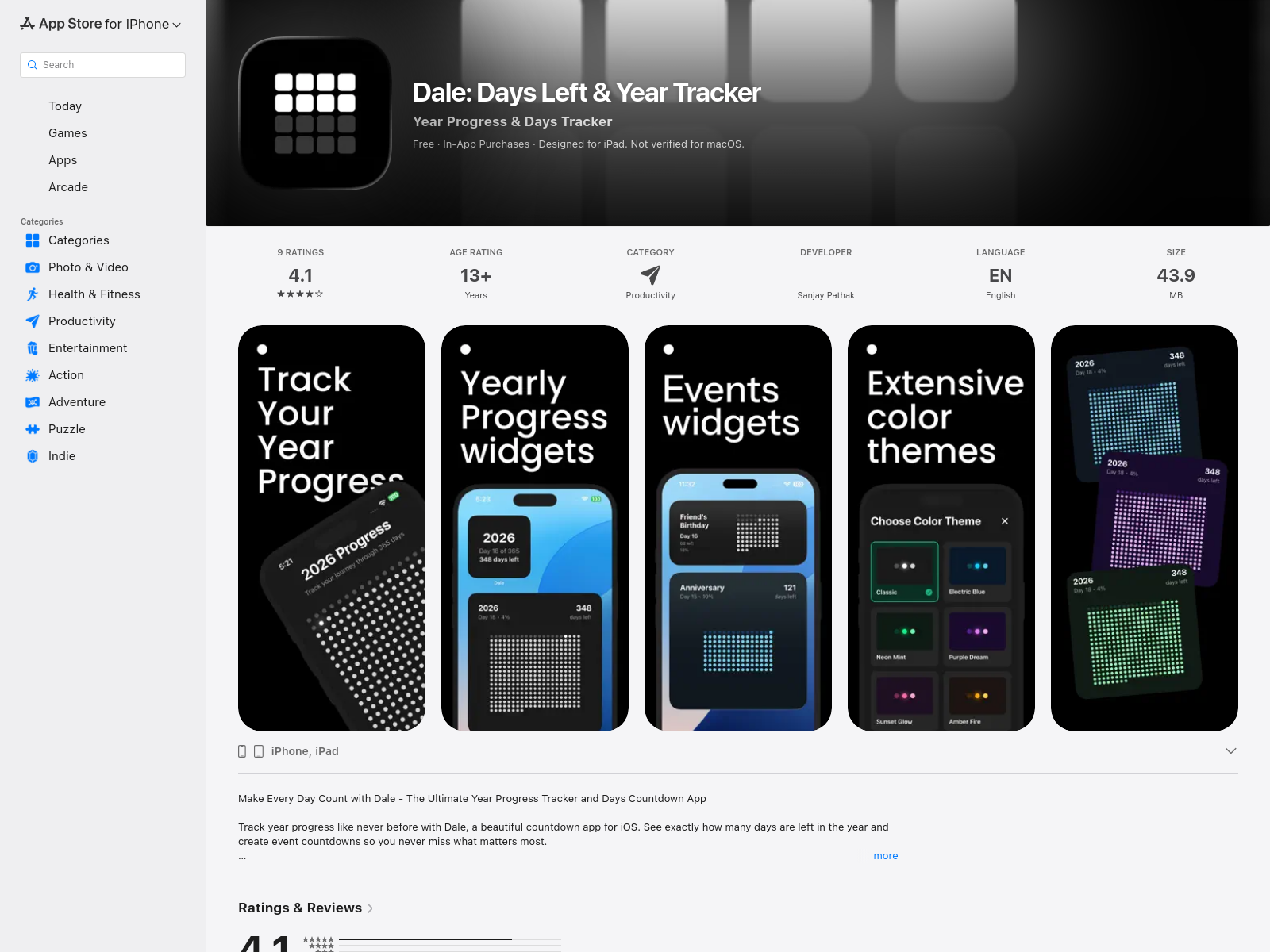
Dale Days Left Year Tracker
Dale Days Left Year Tracker is a year countdown app that reached No. 6 on the App Store through continuous iteration without a marketing budget.
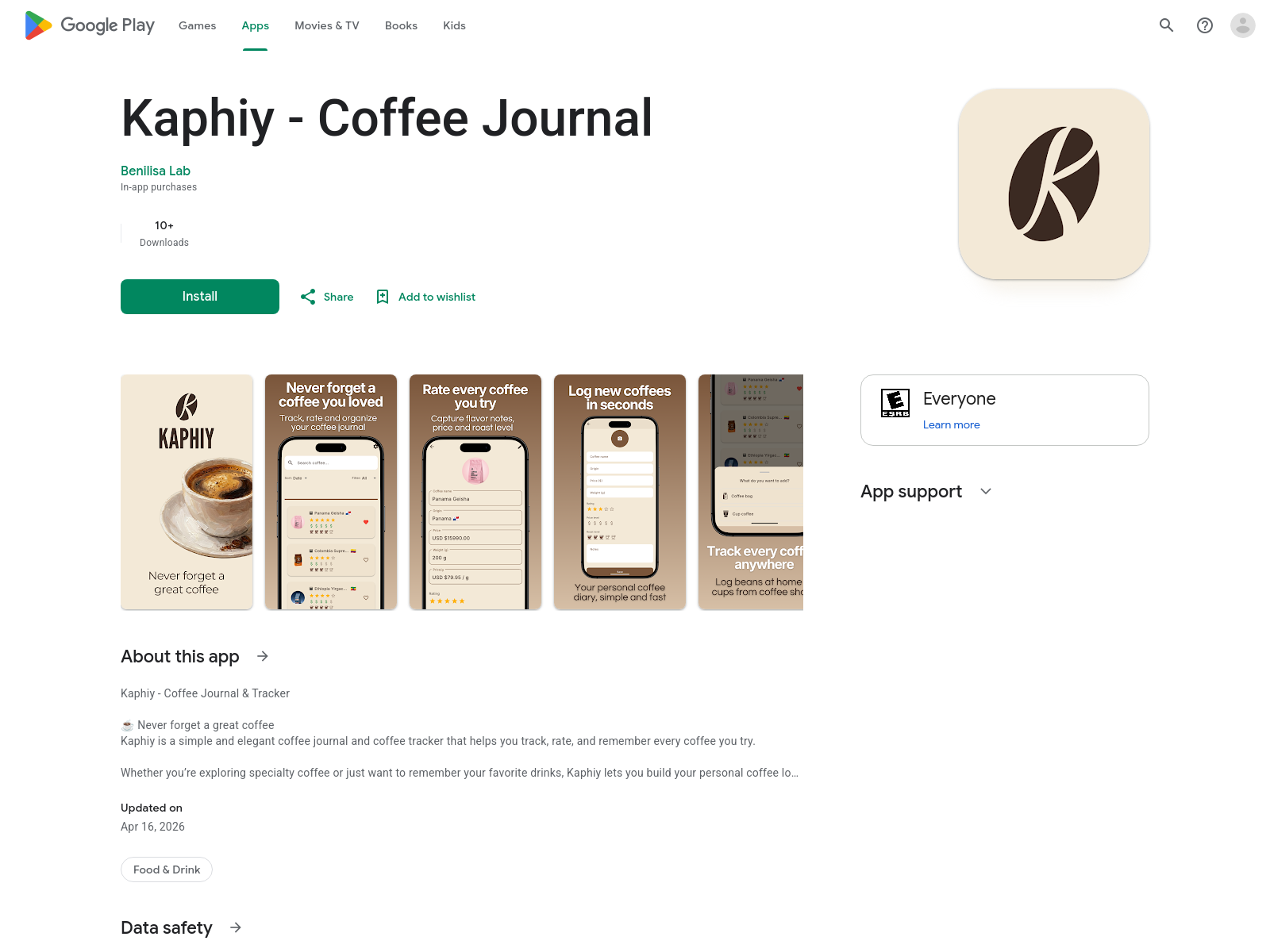
咖啡日记
咖啡日记 is an app for recording and rating coffees you have tried, supporting information entry, ratings, favorites, and a list of coffees to try in the future.
Mood Sanctuary
Mood Sanctuary is an emotion management tool that helps users identify emotions precisely and match them with music and images, with support for exporting emotion journals.

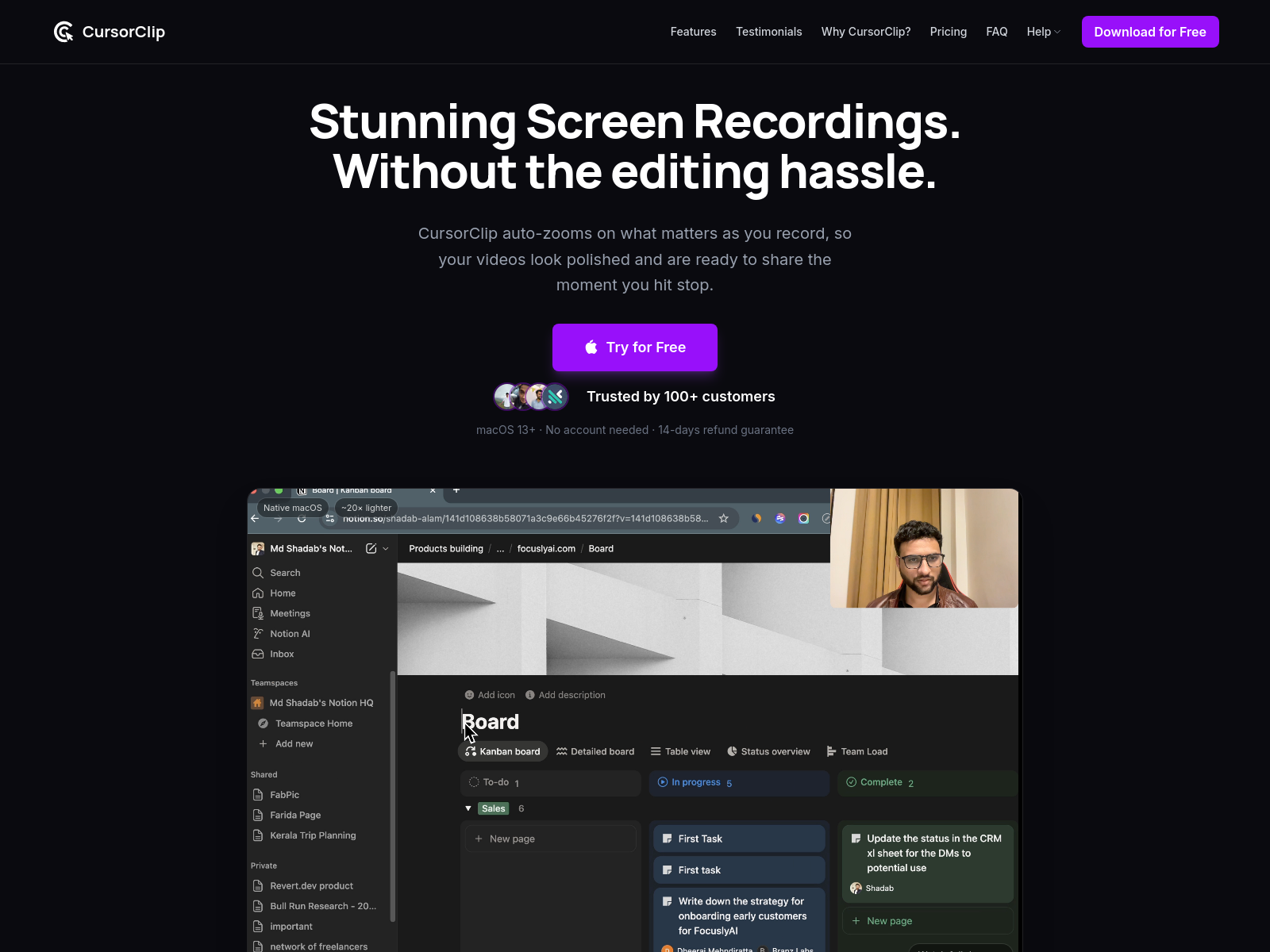
CursorClip
CursorClip is a screen recording tool positioned as an alternative to Screen Studio, focused on creating polished demo videos.
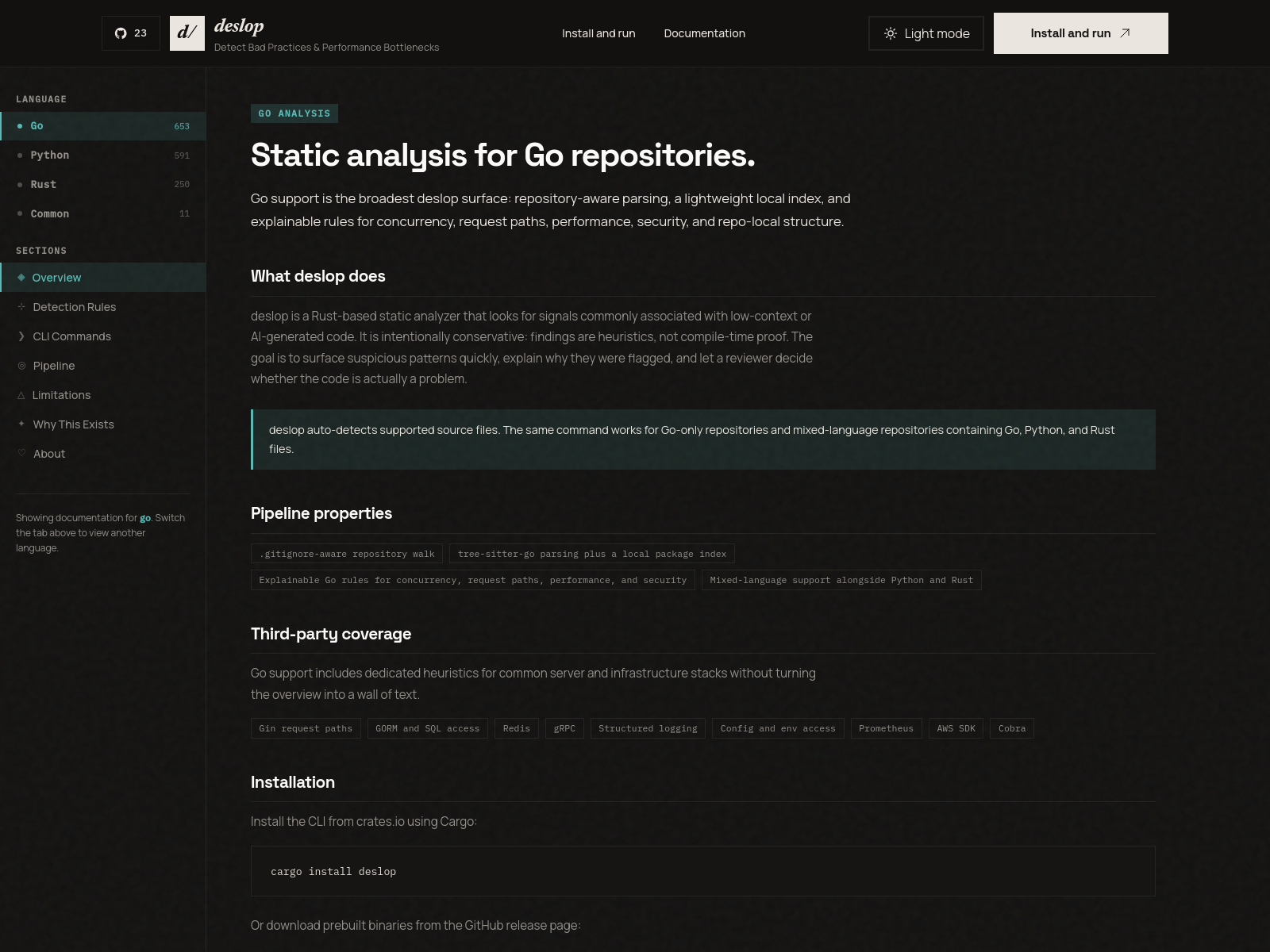
deslop
deslop is an extended code inspection tool for Go, Python, and Rust. It identifies performance bottlenecks and poor coding practices, with CI/CD and VSCode plugin support.
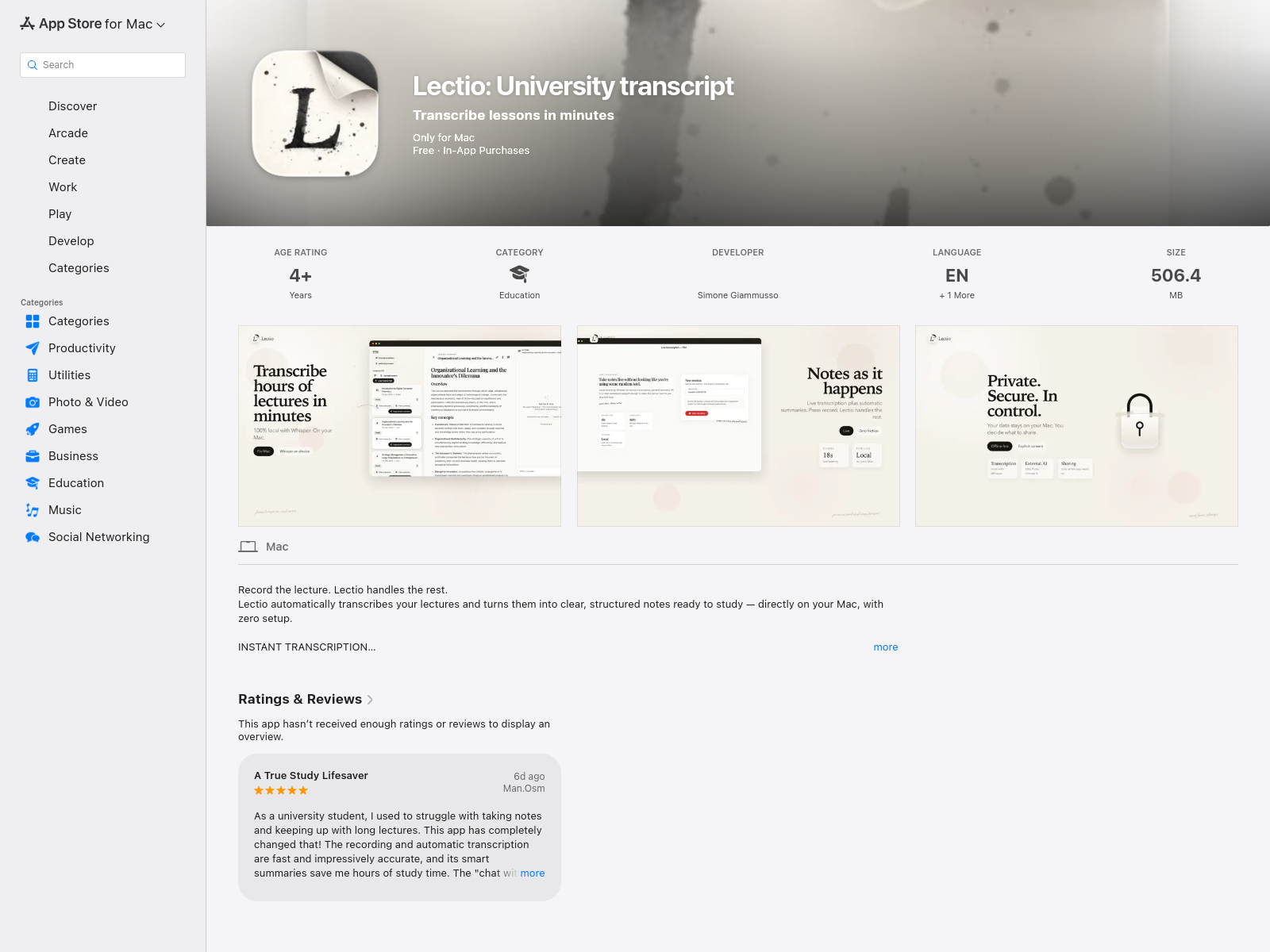
Lectio
Lectio is a real-time lecture transcription app that runs locally on Mac. It supports free unlimited transcription, while the paid version adds real-time captions and AI Q&A.
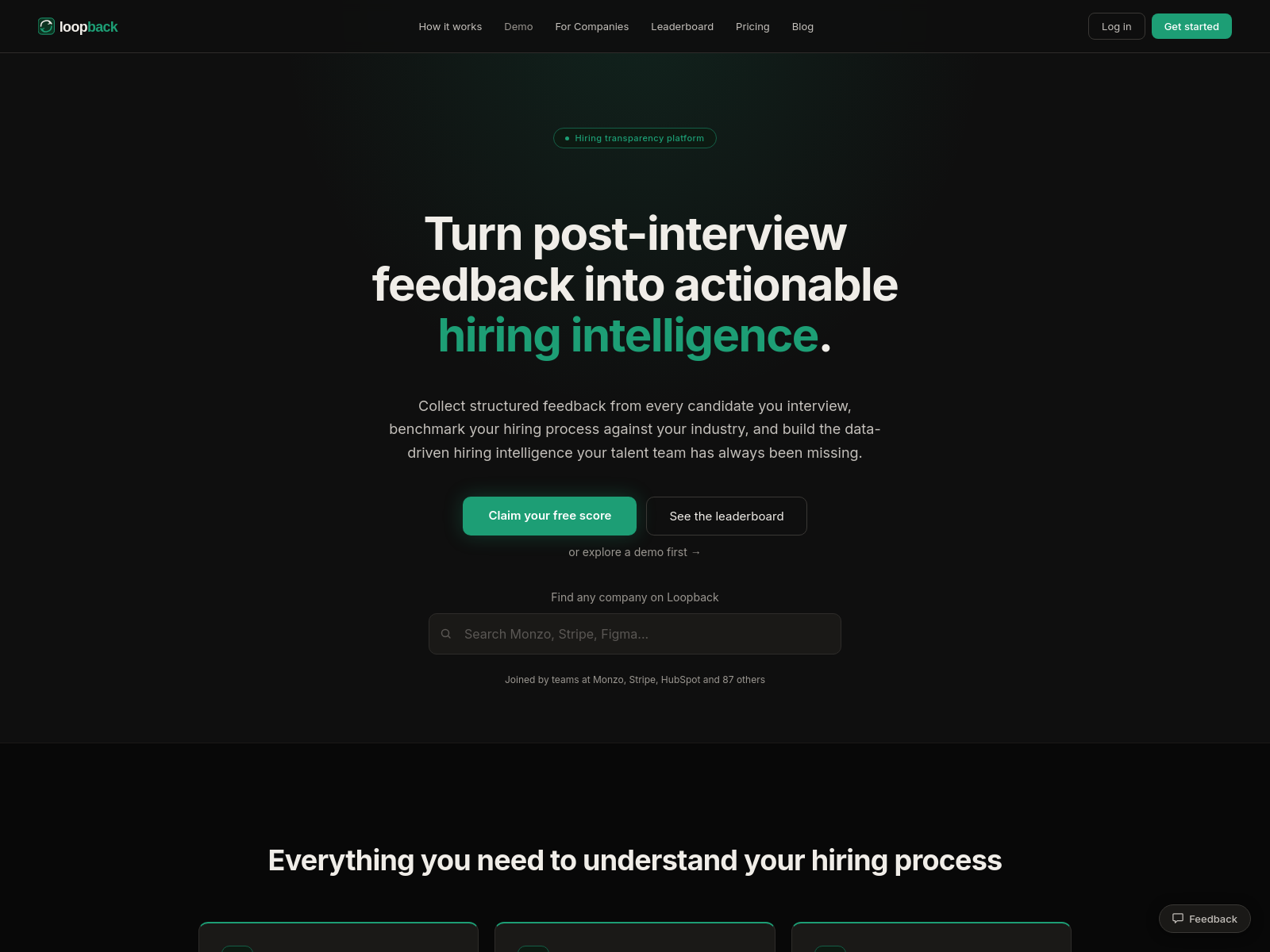
Loopback
Loopback helps candidates track interview feedback and generate real-time resumes, reducing ghosting in company hiring processes.
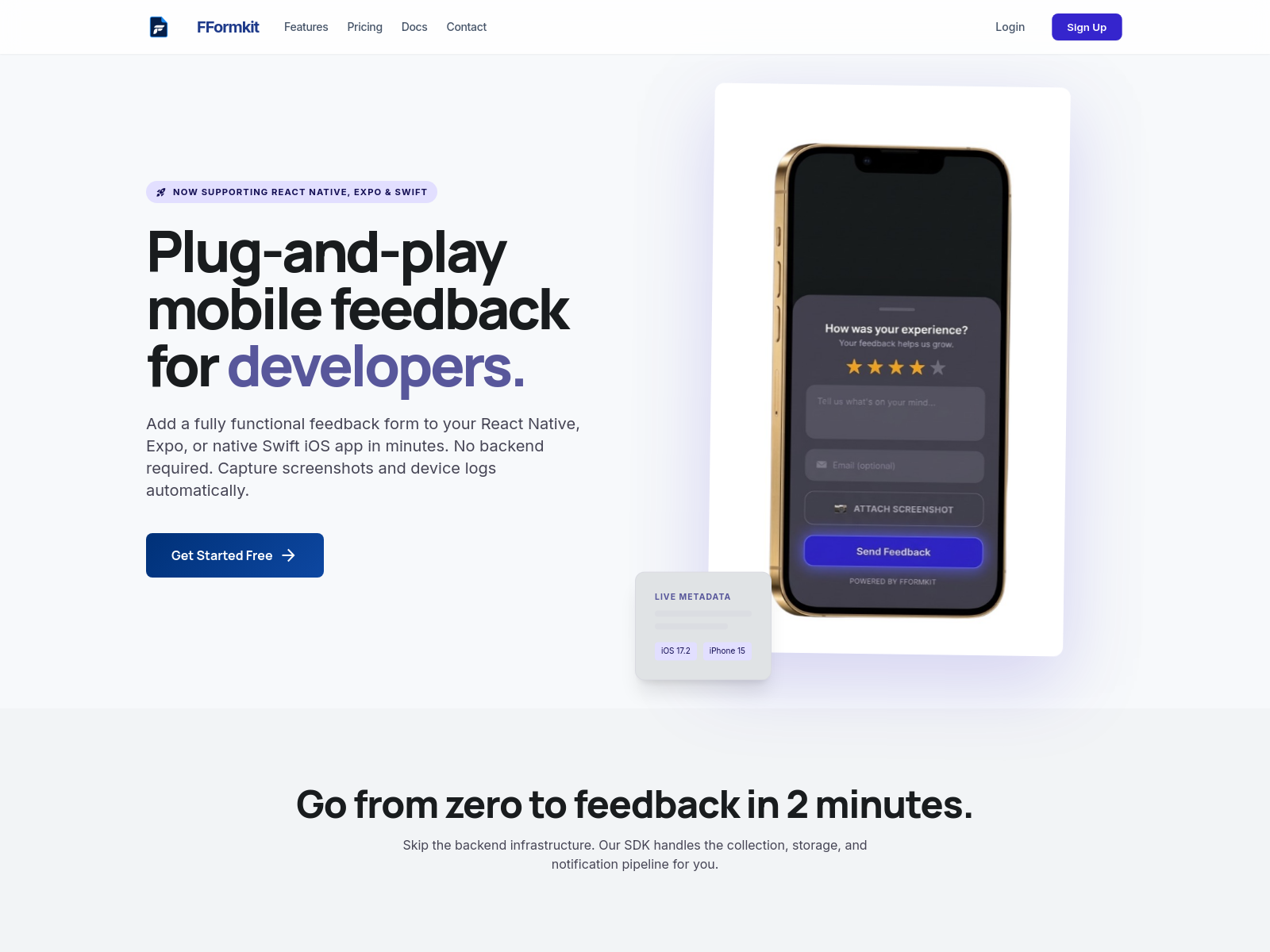
FFormKit
FFormKit is a lightweight feedback component SDK. With three lines of JavaScript, it can add a floating feedback button, star ratings, and screenshots.
LiftLink
LiftLink converts YouTube, TikTok, and Instagram fitness videos into trackable workout plans.
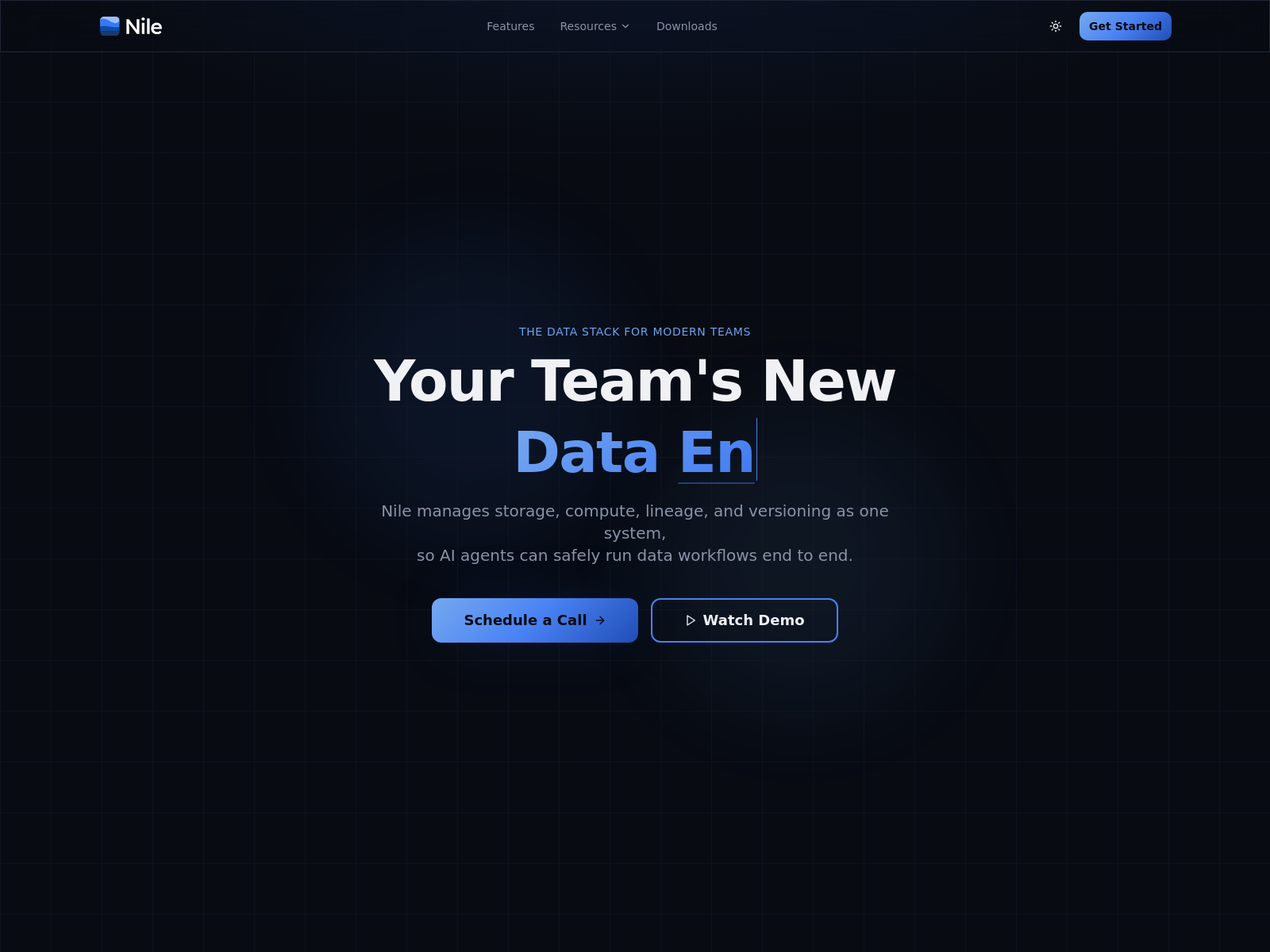
Nile
Nile is a locally runnable AI data stack supporting SQL/Python, natural-language queries, and zero-ETL data processing. It is completely free and requires no cloud account.
🎮 Games
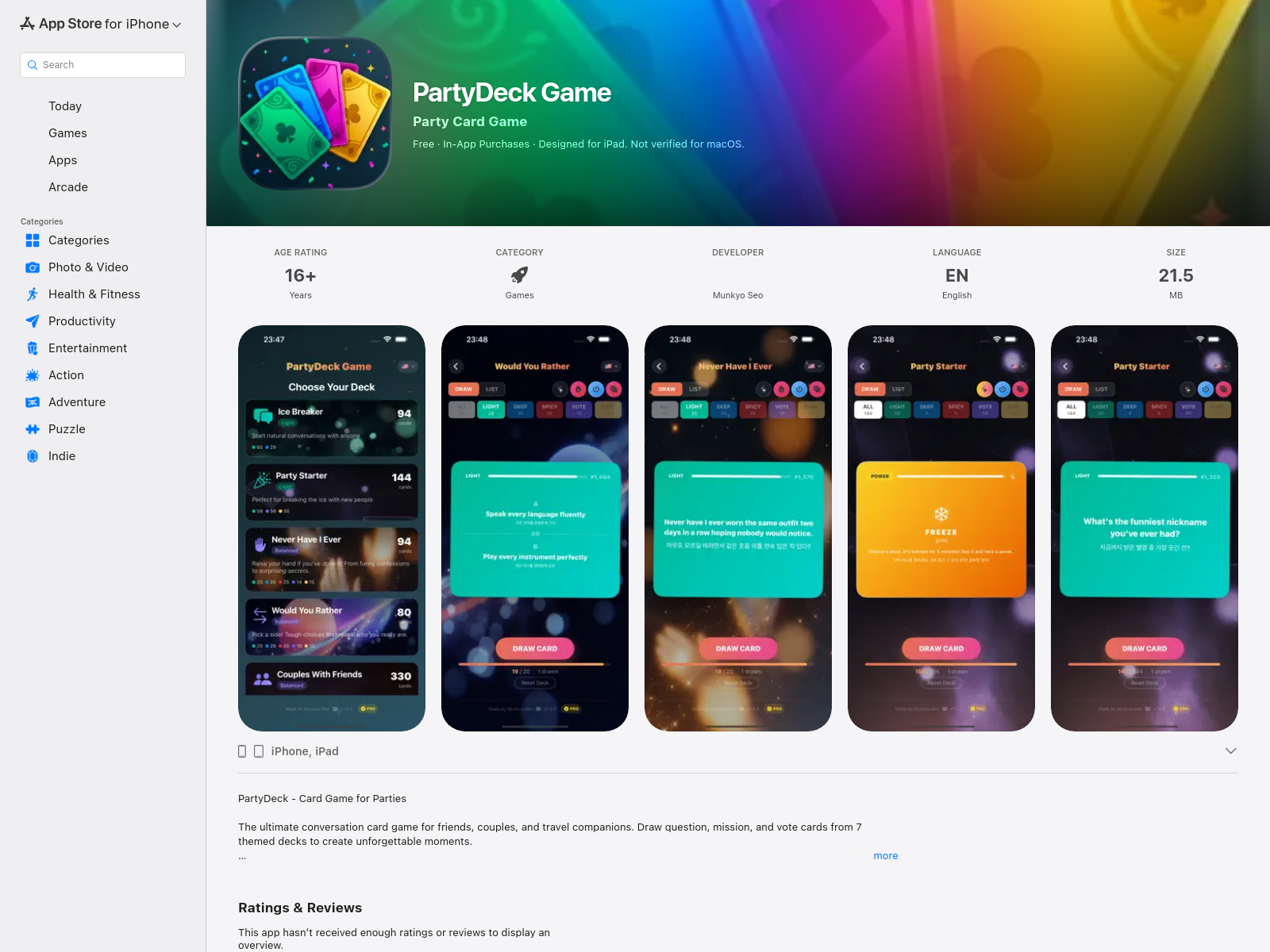
PartyDeck
PartyDeck is a party Q&A game with 7 decks and 606 questions. It supports 16 languages and is available on iOS through the App Store.
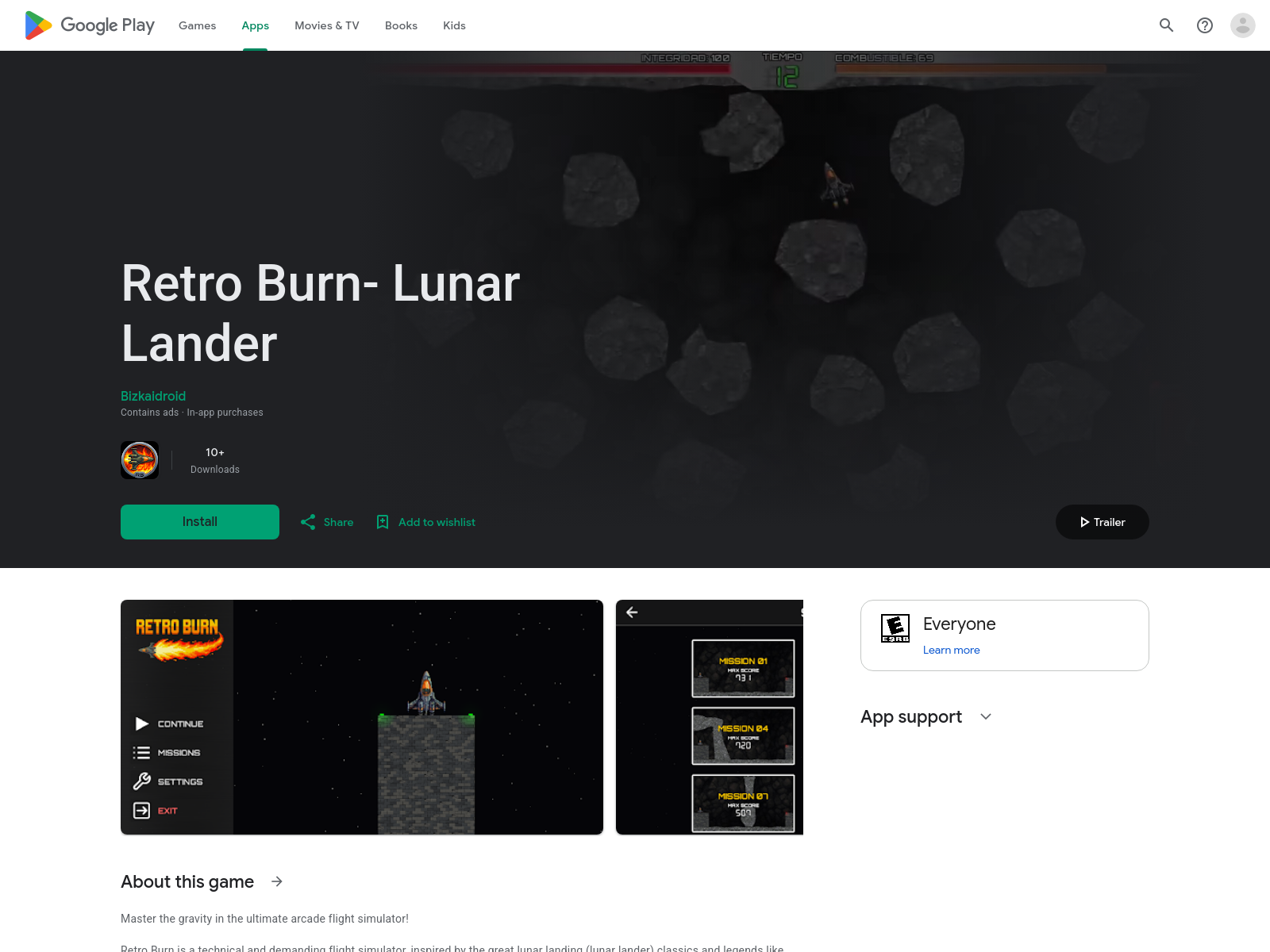
Retro Burn
Retro Burn is a retro-style Android lunar landing simulation game based on a real physics engine, with more than 100 levels and a customizable HUD.
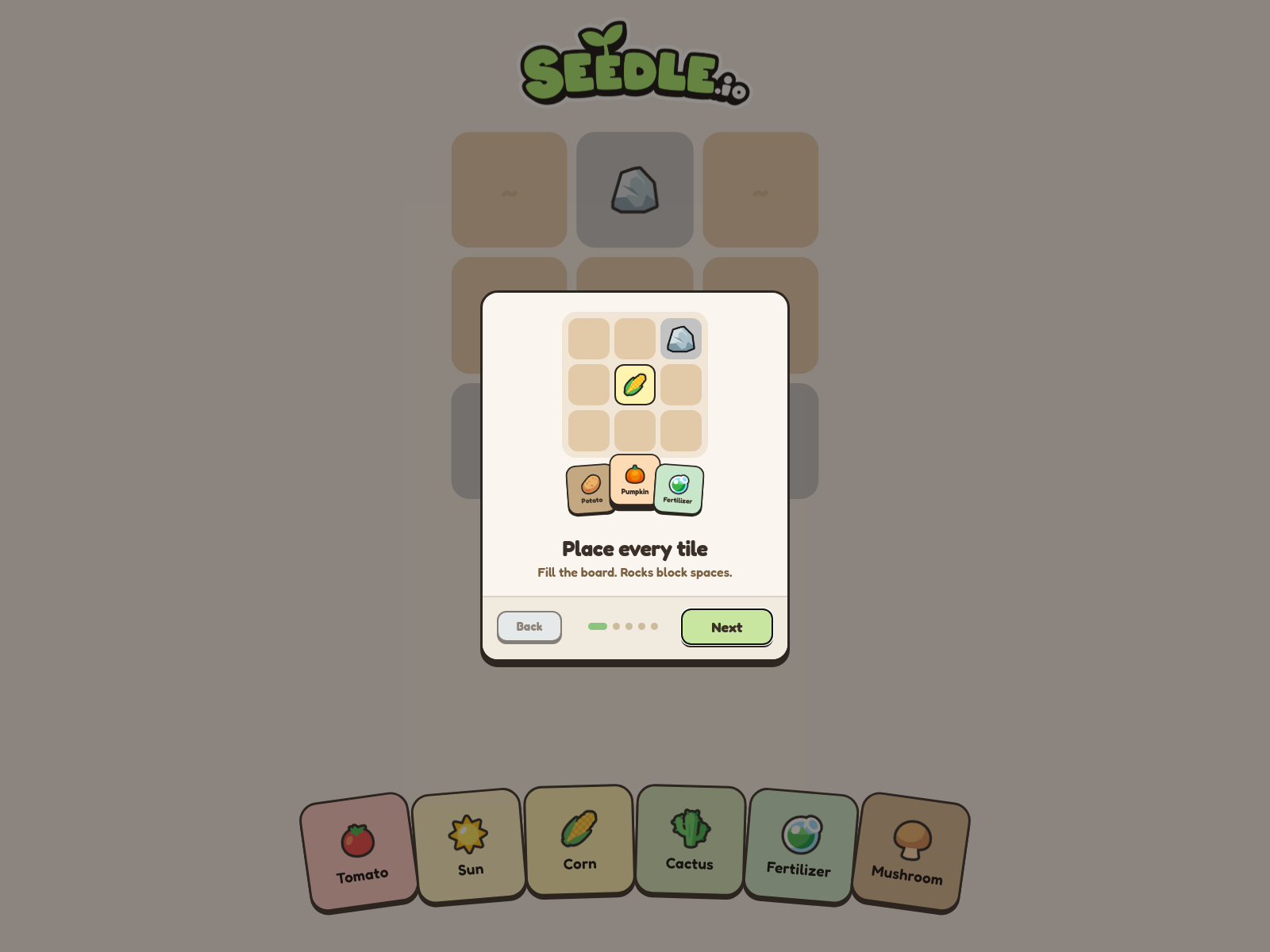
Seedle
Seedle is a daily farming puzzle mini-game built by an indie developer. Each round takes about two minutes and is light and fun to play.
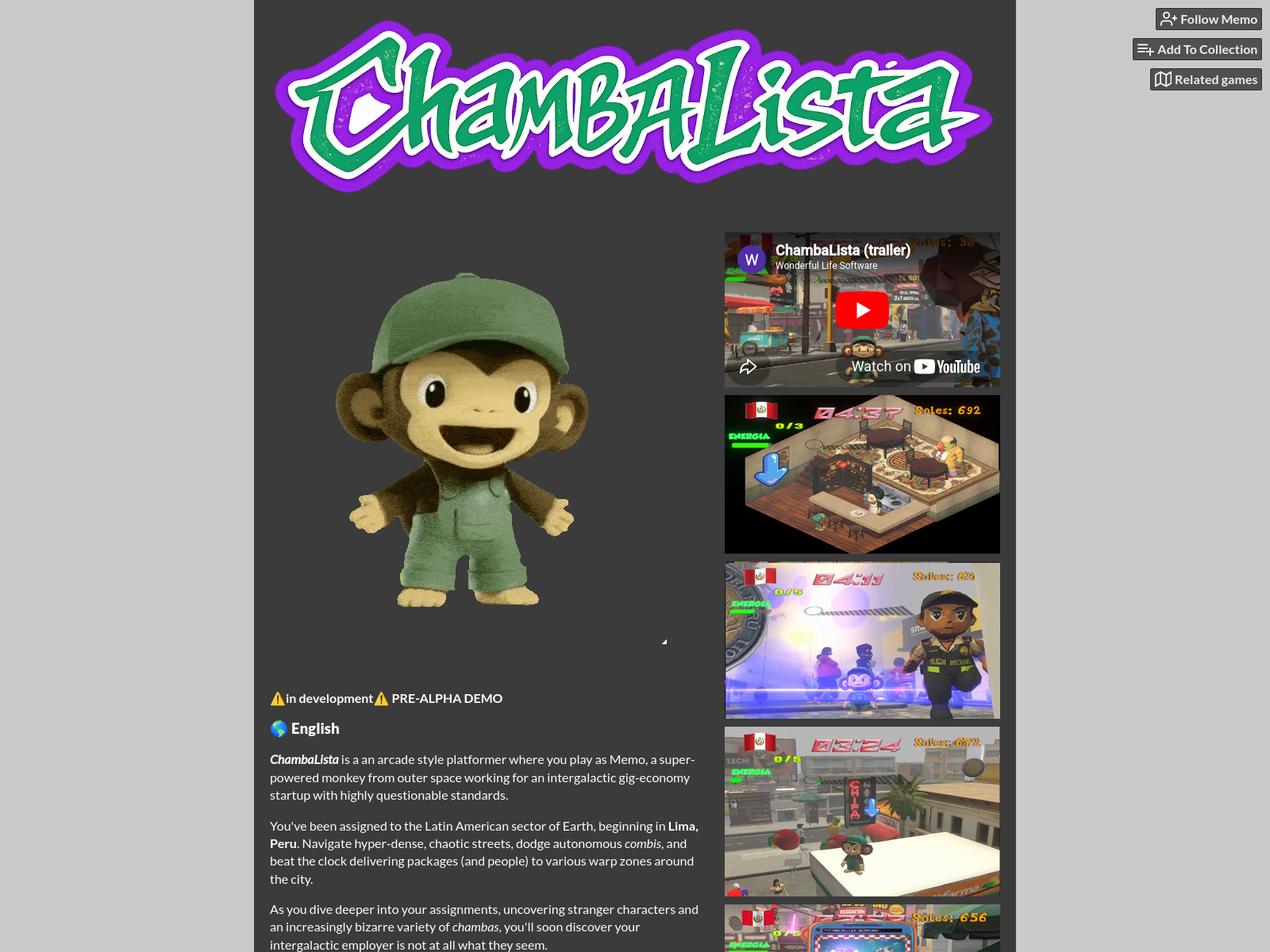
Chambalista
Chambalista is a 3D platformer set in Latin America. Players control a small alien monkey that uses portals to transport characters and objects, blending light RPG elements into the adventure.
🌐 Websites
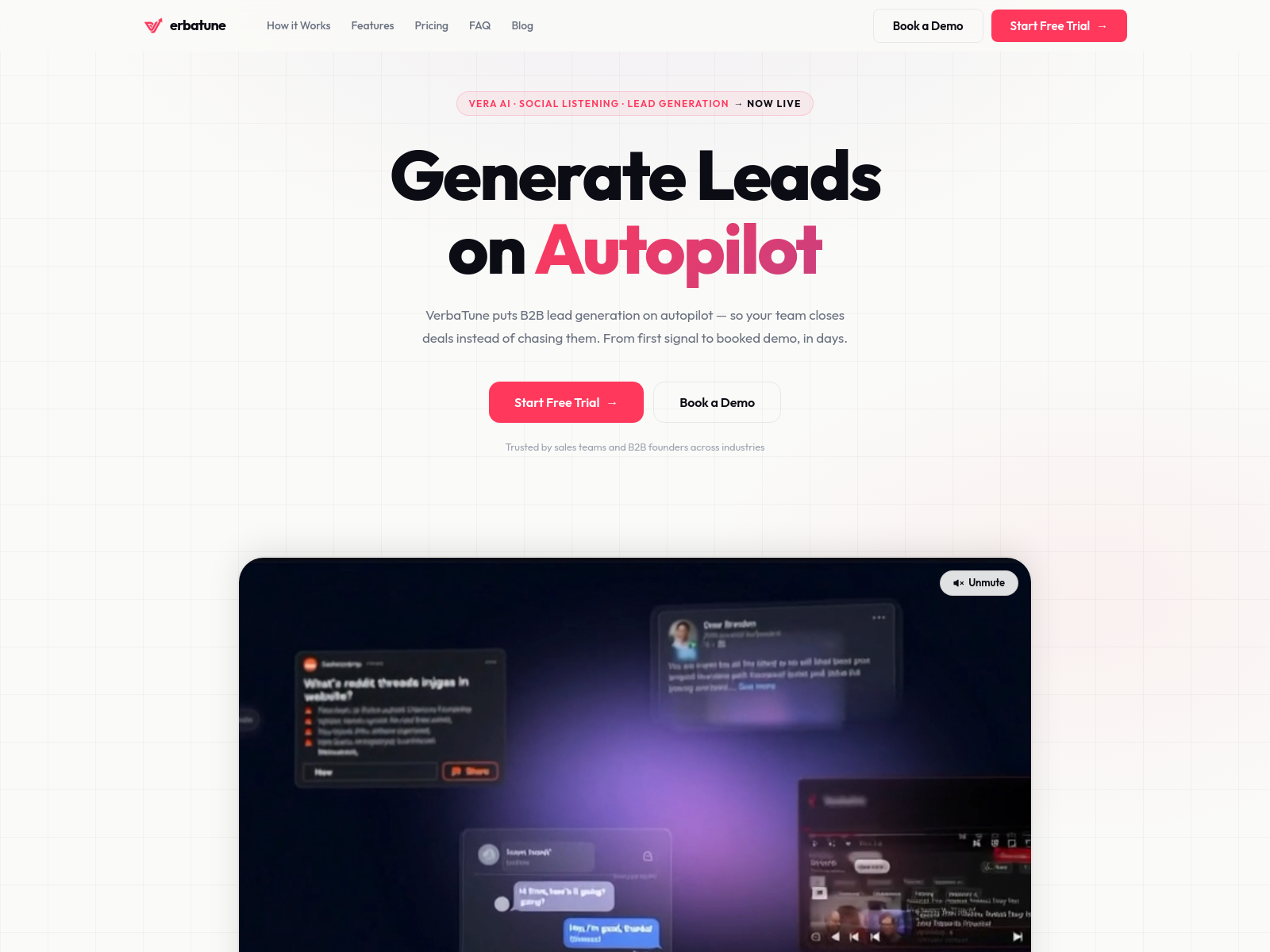
Verbatune
Verbatune is a social media conversation mining tool that automatically discovers high-quality conversations and extracts commenter contact information for precise traffic acquisition.
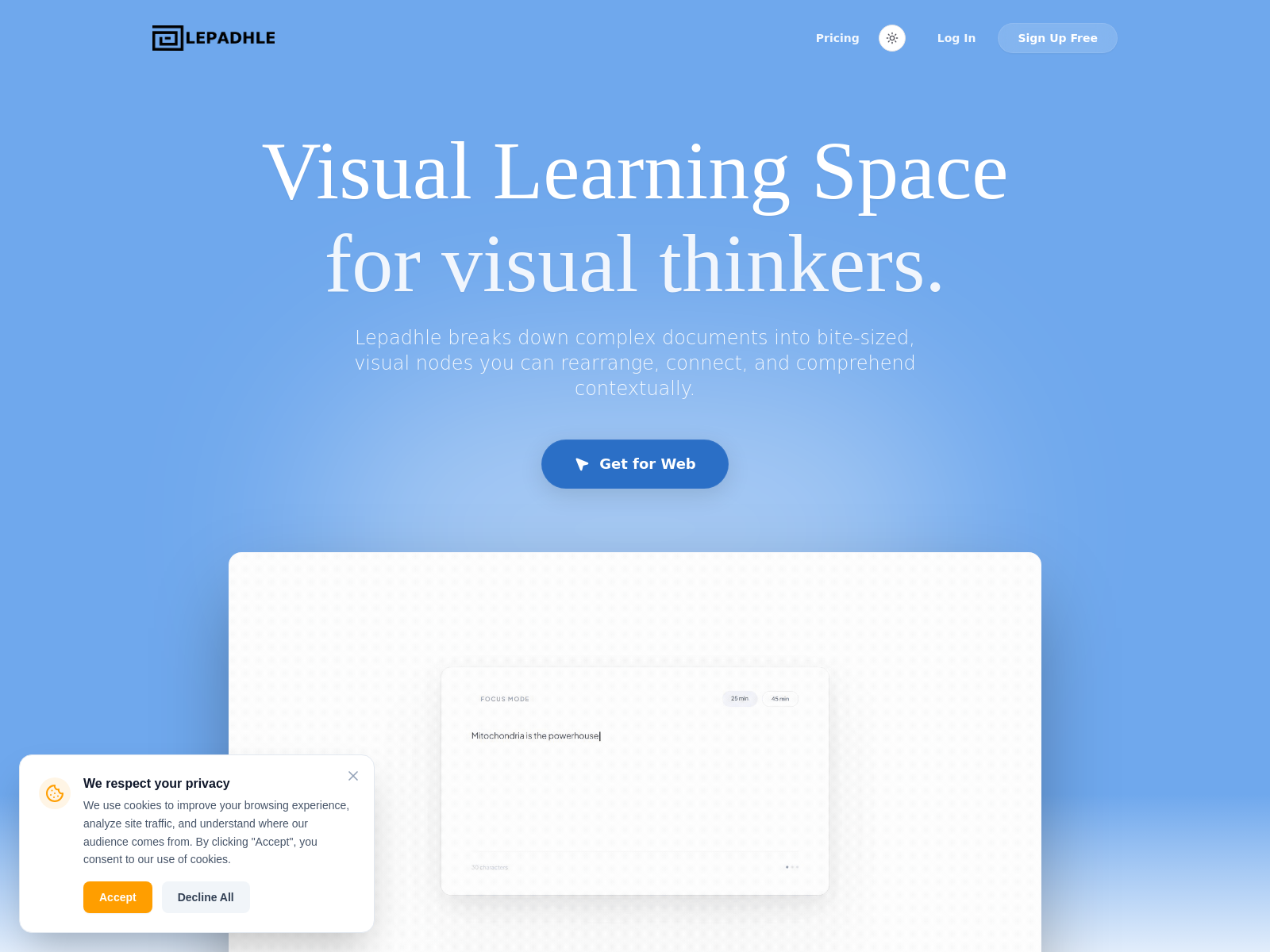
Lepadhle
Lepadhle is a focused learning tool designed for users with ADHD, helping them overcome the tendency to quit midway through studying.
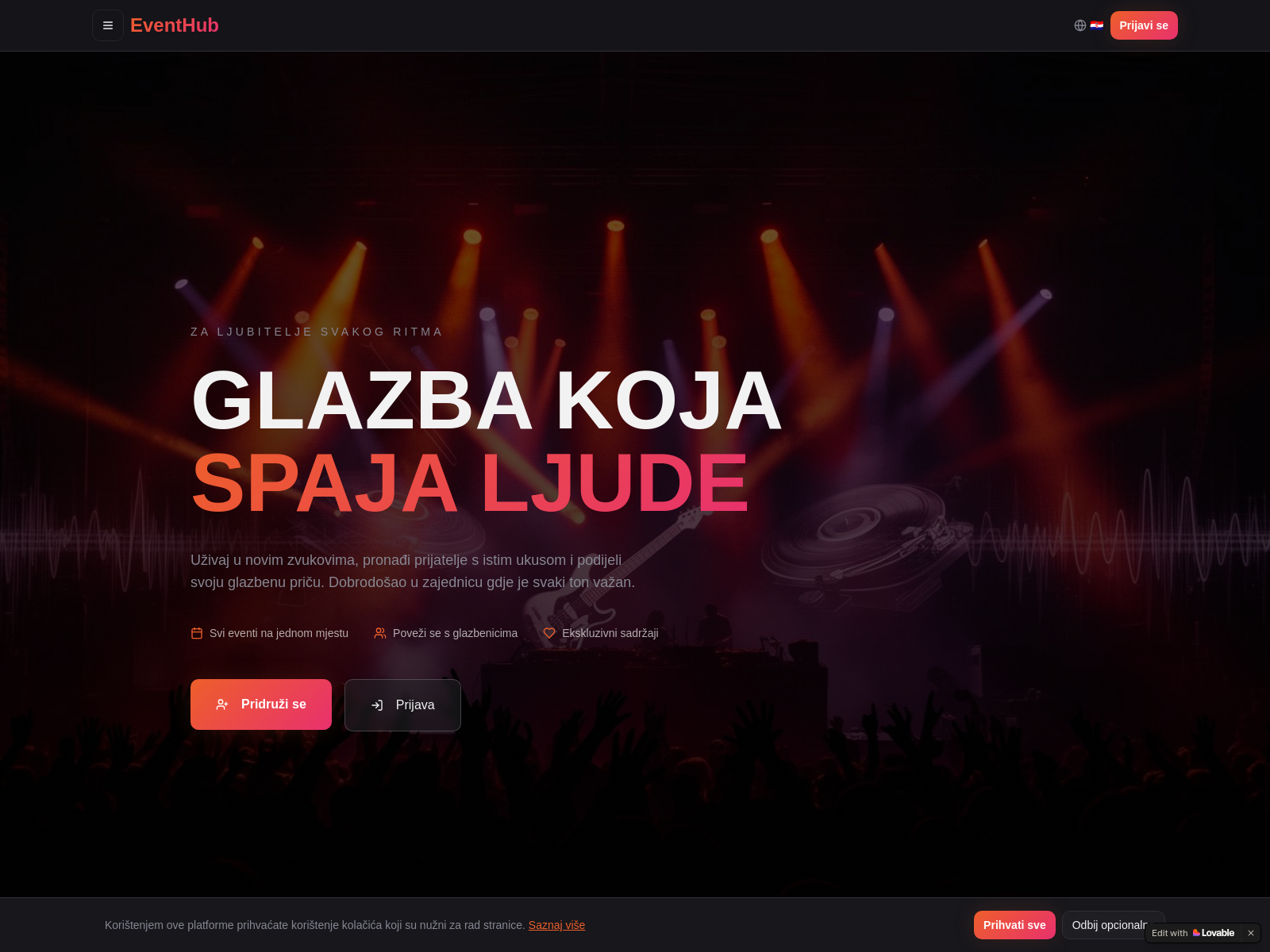
Feel The Music
Feel The Music is a social platform for people attending concerts and music festivals alone. It supports pre-event registration and dedicated discussion areas to meet companions.
✍️ Notes
Daily project information:
Website: https://www.nomoyu.com/
RSS: https://www.nomoyu.com/rss/rss.xml
WeChat Official Account: 明航的AI副业
Feel free to connect and exchange ideas
See the website for all links.