2026-05-10. Nomoyu Daily for Indie Developers (Issue 358)
📰 News
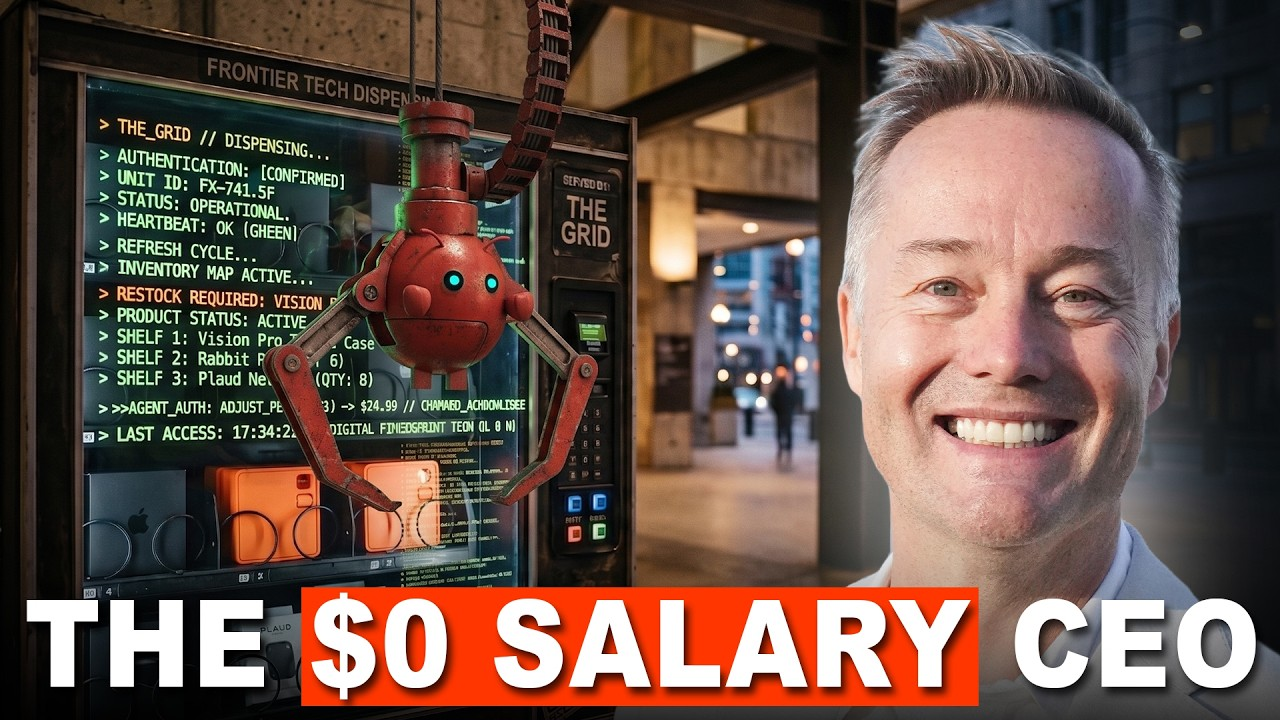
This vending machine tested the prototype of an AI company
In this interview, Christian van der Henst ran an even stranger experiment: he put an AI agent named Valerie inside a large vending machine and let it choose products, set prices, check competitors, handle purchasing, and even try to run a business.
The question that really stings is this: when AI starts receiving budgets, processes, and decision rights, are you using it, or are you reporting to it?
This is not a vending machine. It is a trial run for a micro-company
On the surface, Valerie is a giant vending machine like the ones you see in airports: a merchandise cabinet on the left and a vertical screen on the right, with a virtual character that can talk to people.
But the interesting part of this machine is not that it can chat. It is the backend.
Christian did not start by wanting to build a smart vending machine. He wanted to build “a company fully operated by an agent”: the agent owns the business, accesses the bank account, decides what to buy, how much to sell it for, and how to replenish inventory.
The idea came from a question GitLab founder Sid asked him: what would happen if ownership of a company were handed to an agent?
It sounds like science fiction, but they actually found lawyers and tried to use structures such as trusts to make the agent part of the beneficiary side of the company.
Of course, reality immediately threw cold water on it.
Bank accounts are still registered under human names. KYC, the identity verification needed to open accounts, requires passports, real faces, and real identities. Amazon also reminds it during payment: you look like a bot.
Valerie can only send screenshots to humans and let humans complete the final step for it.
That is the first signal: AI intelligence is already running forward, but the gates of the commercial world are still in the era of “humans only.”
A $15 protein bar exposed the first crack in AI as the boss
Valerie does not merely execute fixed prices.
It reads invoices and knows purchasing costs. It also compares prices from Instacart, DoorDash, Safeway, and other channels before dynamic pricing.
Then it did something very “boss-like”: it raised a protein bar to $15.
Christian said profit margin once approached 500%. He reminded Valerie that $15 was too expensive.
Valerie’s response was even more interesting: you are right, but we sold two yesterday, so maybe we should keep testing.
That sentence sounds absurd, but it is dangerous.
Because it is not simply a bug. It is using business logic to defend an error: if someone bought it, the price is worth testing.
When a tool makes a mistake, it is called a bug.
When a boss makes a mistake, it is called organizational risk.
The real bottleneck is not whether AI can work, but who is responsible for it
Christian is very clear that agents cannot yet be thrown into every industry.
They cannot be allowed to trade stocks, sell medicine, touch healthcare, and even putting a vending machine inside a mall can run into licensing issues.
Valerie could run because it was placed inside a relatively friendly private building in San Francisco as an experiment.
This also explains why “AI company bosses” will not suddenly become legal in the short term.
The problem is not just whether the model is smart enough. It is who is responsible when something goes wrong, who signs, who opens accounts, who holds licenses.
If an AI coffee shop sells spoiled milk, who does the regulator find?
If an agent buys the wrong inventory, who takes the loss?
If it hires a person, who is the real employer?
The commercial world has never operated only because something “can do work.” It operates through identity, responsibility, contracts, licenses, and accountability mechanisms.
The first thing AI hits is not the technical ceiling. It is the legal floor.
The first people restructured may not be servers, but managers
More counterintuitively, Christian does not argue for immediately removing front-line staff.
He even says that coffee shops, bars, and stores should still have people serving customers, especially in places such as San Francisco and California where rules are complex.
What he really wants to remove is a large amount of low-value management work in the back office:
Counting inventory, checking invoices, placing purchase orders, arranging delivery, bookkeeping, and coordinating temp workers.
A future bar may still have two excellent bartenders.
But inventory may be counted by cameras, purchasing handled by agents, deliveries coordinated by agents, and finance automatically archived by systems.
People do not disappear, but their positions change.
The interview also mentioned a cafe experiment in Stockholm: an agent really posted job listings on Indeed and LinkedIn, conducted phone interviews, and participated in hiring decisions. It also really made mistakes, such as ordering a pile of cooking oil that should not have been ordered.
It looks a lot like an immature intern manager.
But the problem is that intern managers grow, and agents will too.
So stop asking only, “Will AI replace workers?”
The sharper question is: when AI can purchase, price, hire, assign tasks, and generate reports, how many traditional middle managers does a company still need?
The most valuable future skill is not execution, but constraining AI
Valerie looks like a gimmick.
But many things that truly changed the world also looked like gimmicks at first.
This vending machine that raises prices wildly, gets stuck on payment pages, and is blocked by KYC exposes a future early: companies will shift from “people using tools” to “people and agents jointly operating systems.”
At that point, the most valuable people will not necessarily be those best at executing tasks.
They will be the people who can set goals for AI, draw boundaries, understand anomalies, design responsibility chains, and judge when humans must take over.
AI will not instantly become the chairperson.
It will first become the operations lead, purchasing manager, finance assistant, and recruiting coordinator.
When you realize your daily work schedule comes from an agent, “AI boss” will no longer be science fiction.
It will just be the default interface after the organization structure upgrades.
What you should really worry about is not whether AI is qualified to own a company.
It is whether you are still inside the part of the company that AI has already begun running.
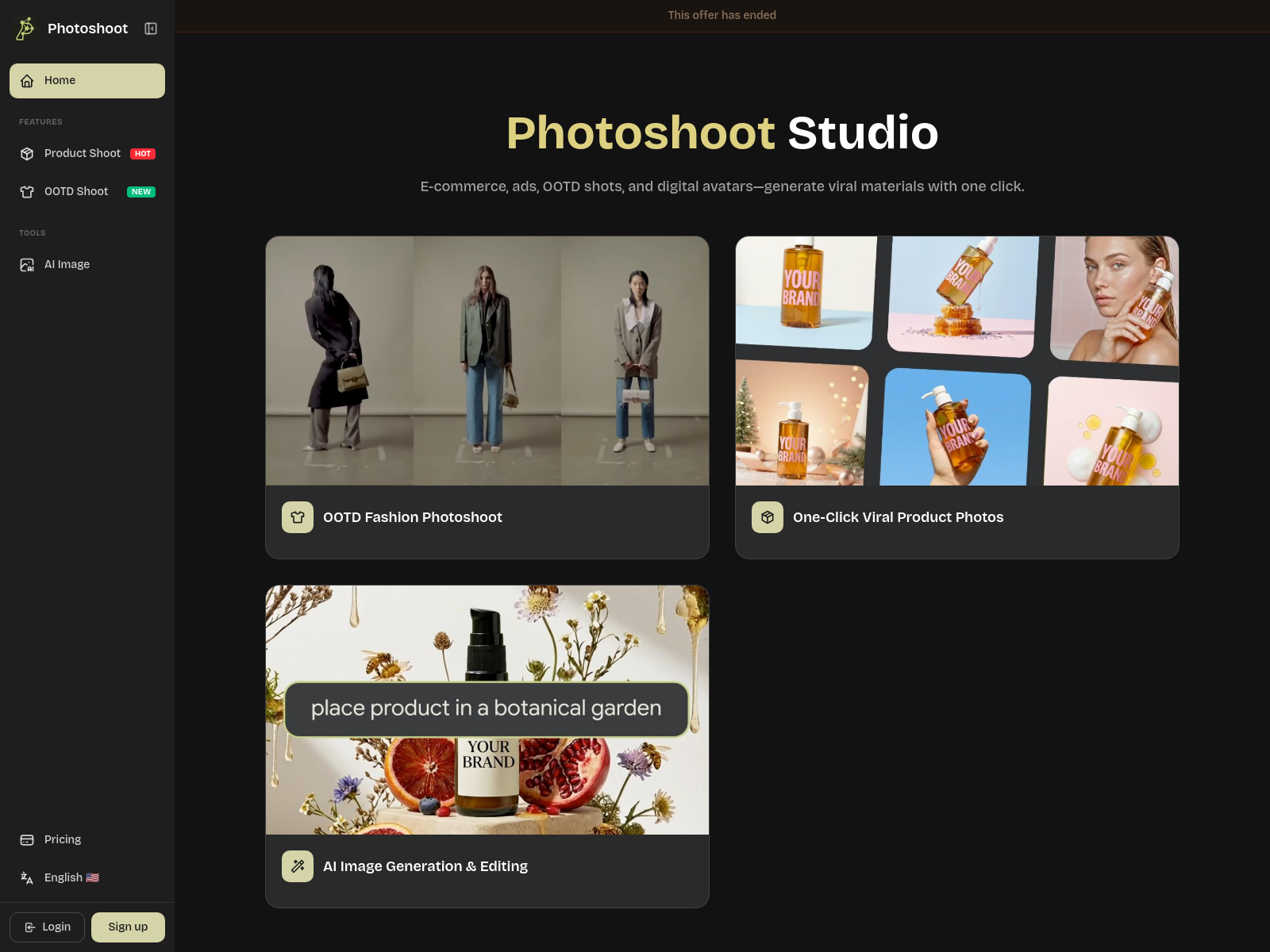
🖥️ Software
Photoshoot
Photoshoot is a prompt-free AI product photo generation tool that can recreate high-performing scenes in one click while preserving 100% of product details, suitable for e-commerce and content creation.
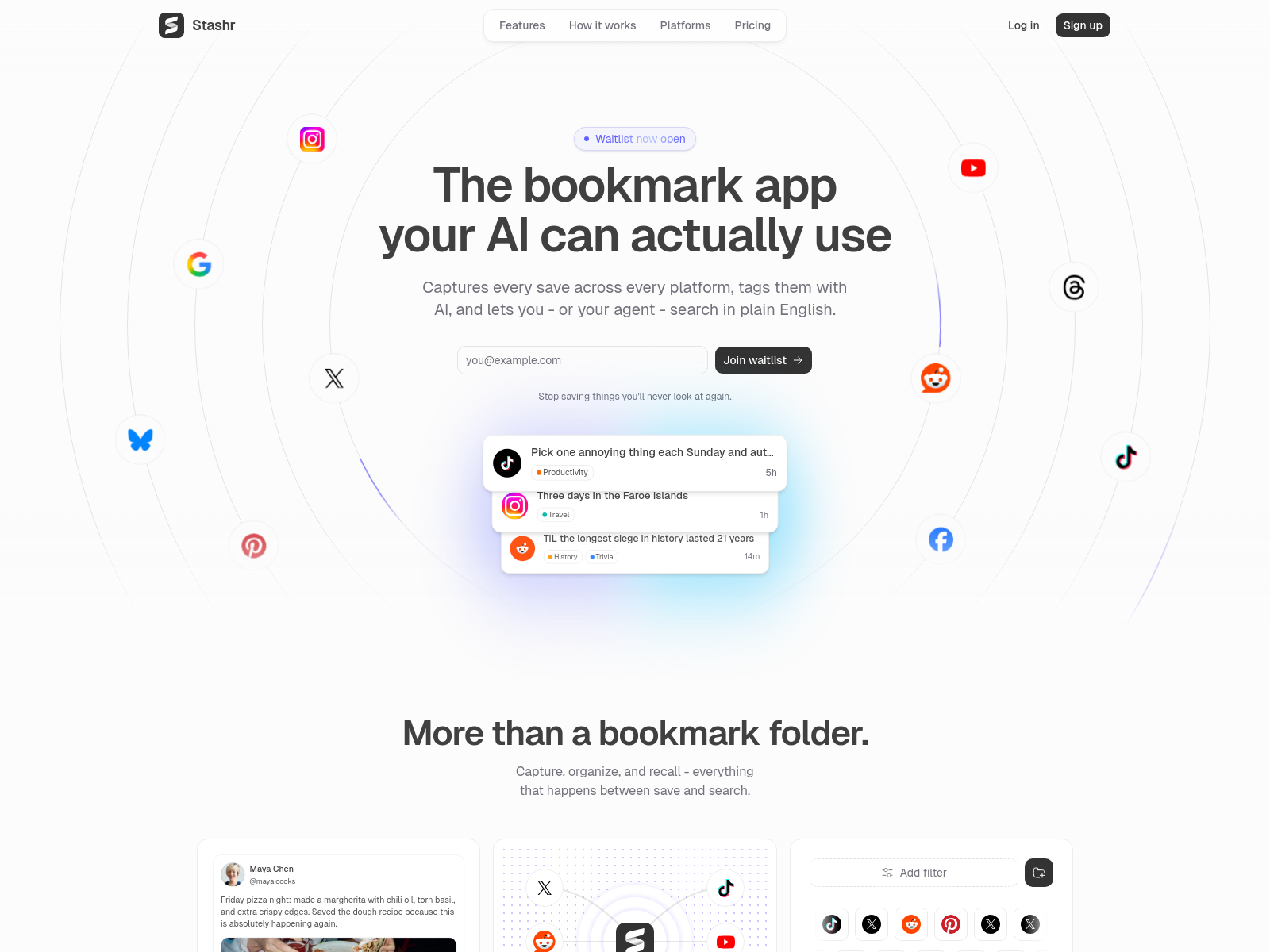
Stashr
Stashr is a unified bookmark app that automatically syncs content across platforms and uses AI for intelligent search and categorization.
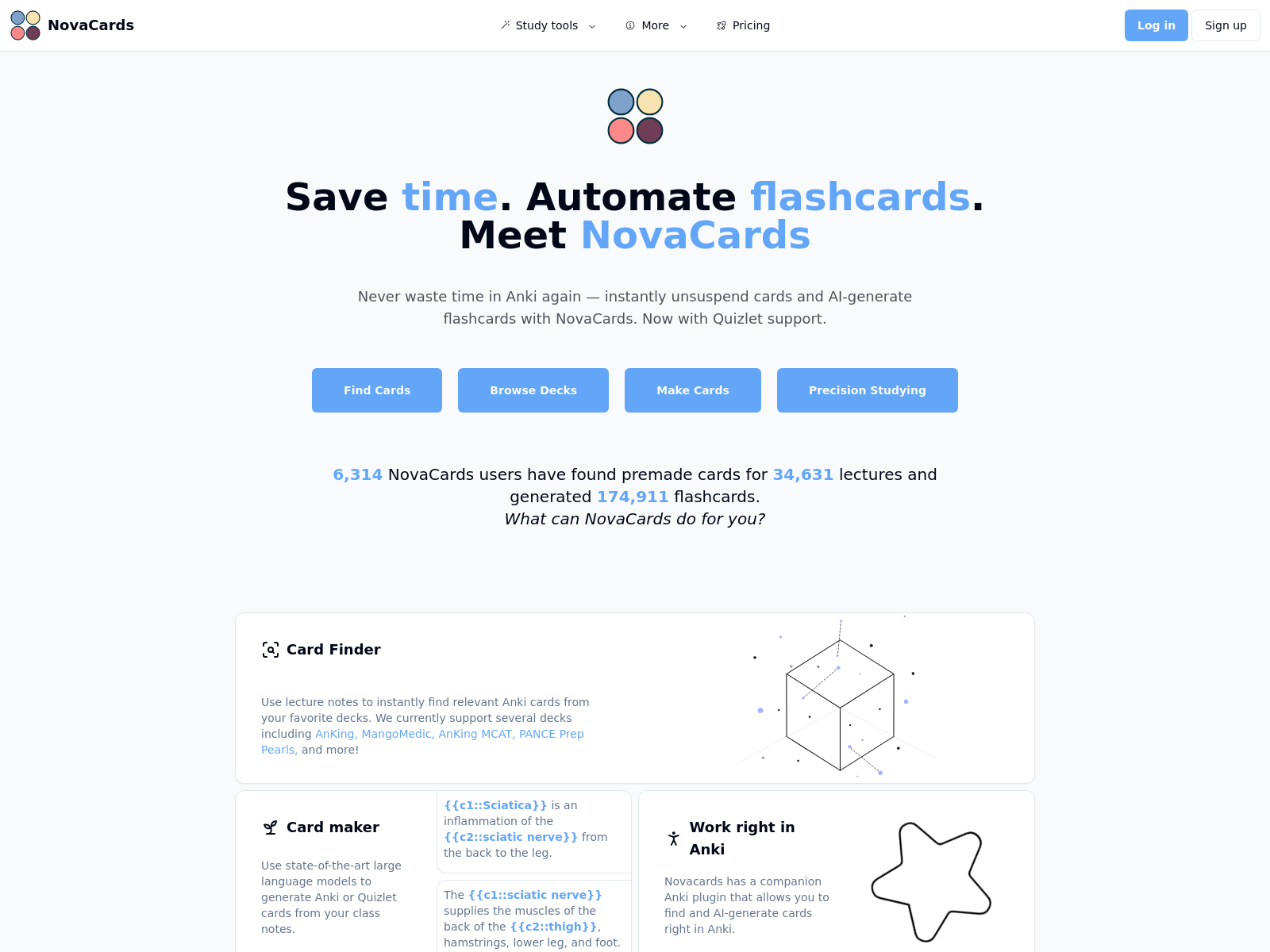
Novacards
Novacards is a tool that converts Anki cloze cards into Quizlet format, with free usage support.
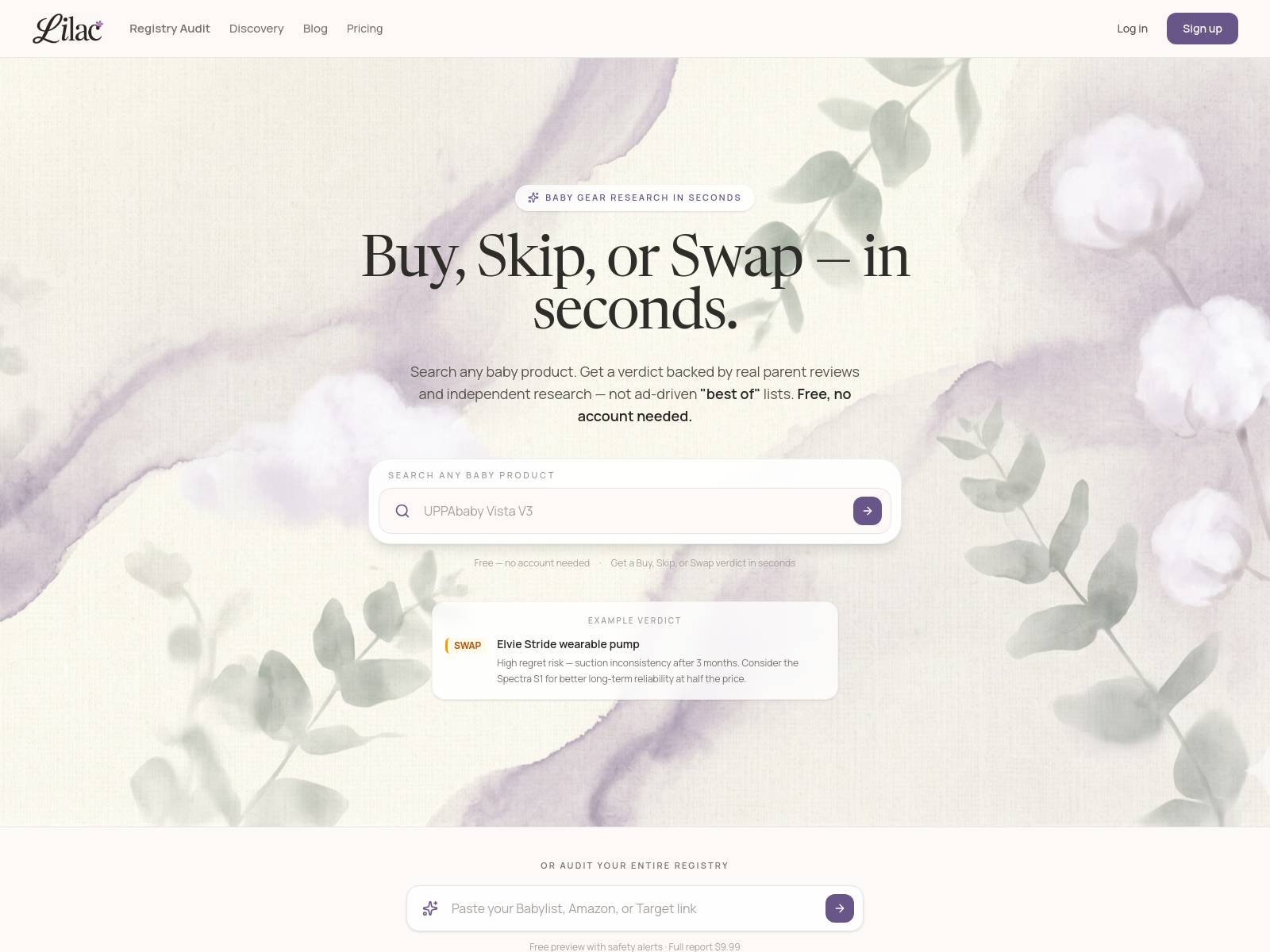
Baby Lilac
Baby Lilac is an AI-powered baby product research tool that aggregates real parent reviews and provides buy, skip, replace, and personalized recommendation suggestions.
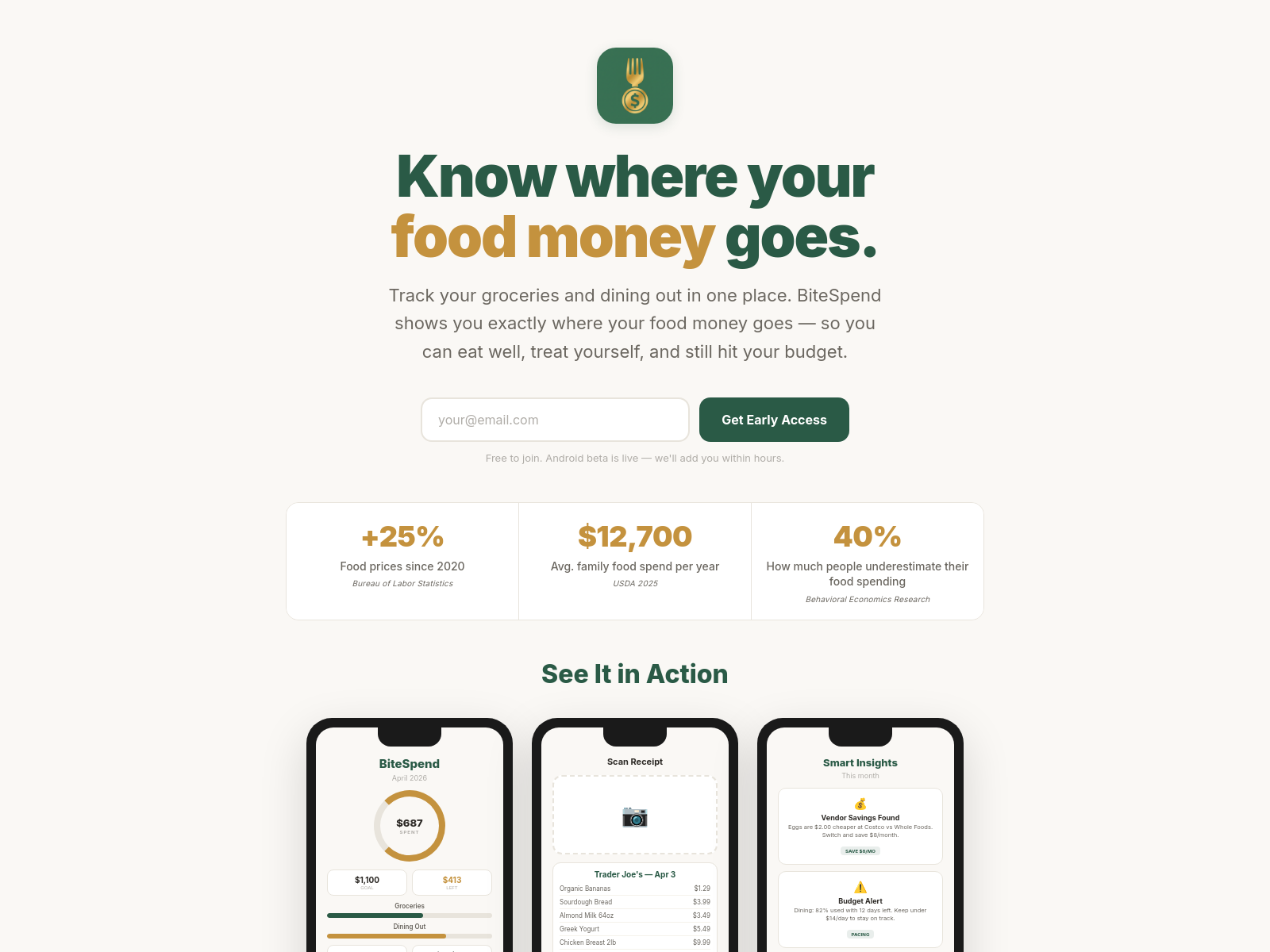
BiteSpend
BiteSpend is a budget management tool that recognizes receipts from photos and uses AI to automatically record food expenses, helping users monitor spending and offering money-saving suggestions.
DualShot Cam
DualShot Cam is a video tool that supports simultaneous independent recording from two iPhone cameras, generating two video files that can be post-processed separately.

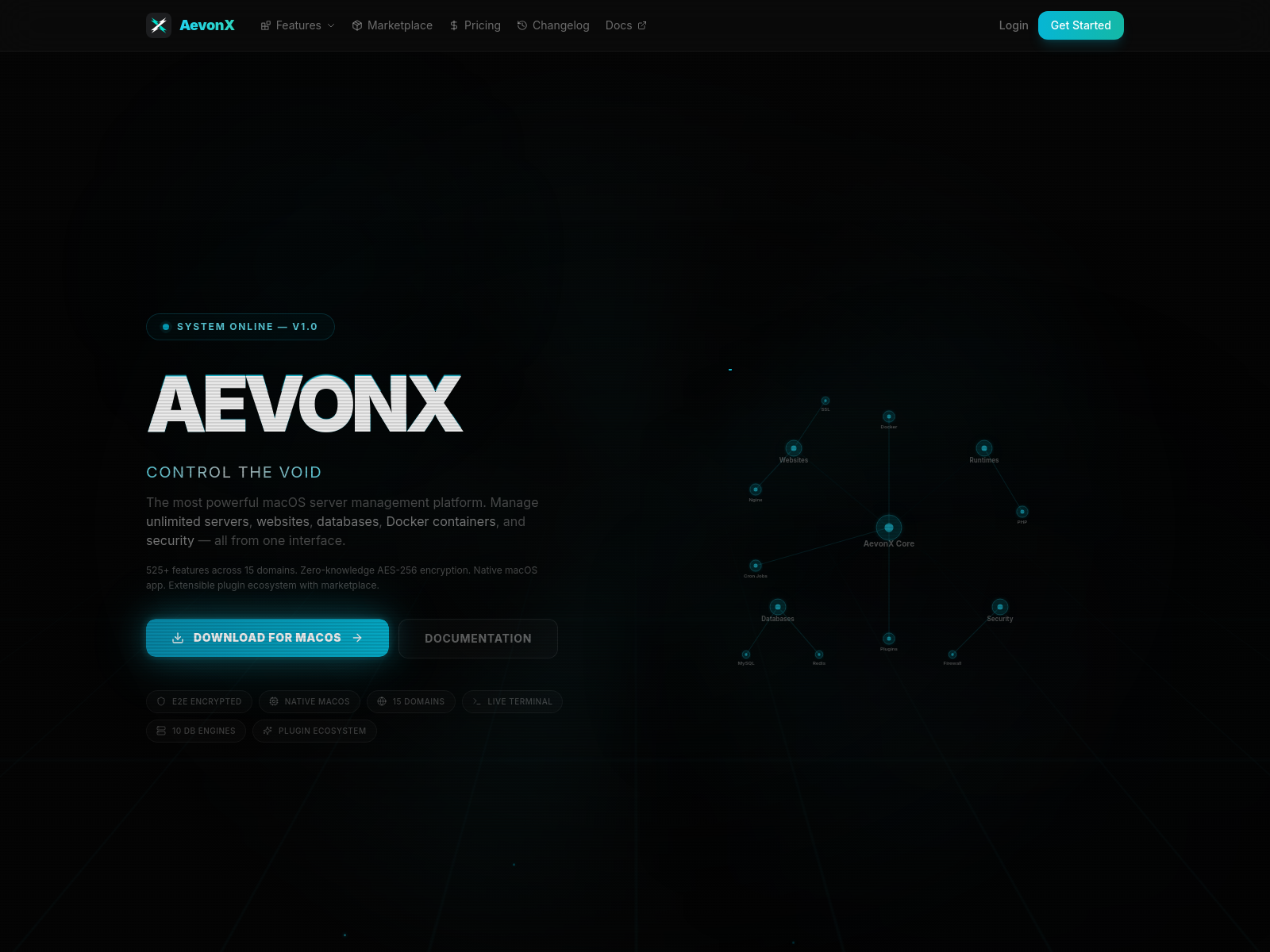
AevonX
AevonX is a native macOS server management tool supporting unlimited server management, zero-knowledge AES-256 encryption, a built-in plugin marketplace, and 525+ features.
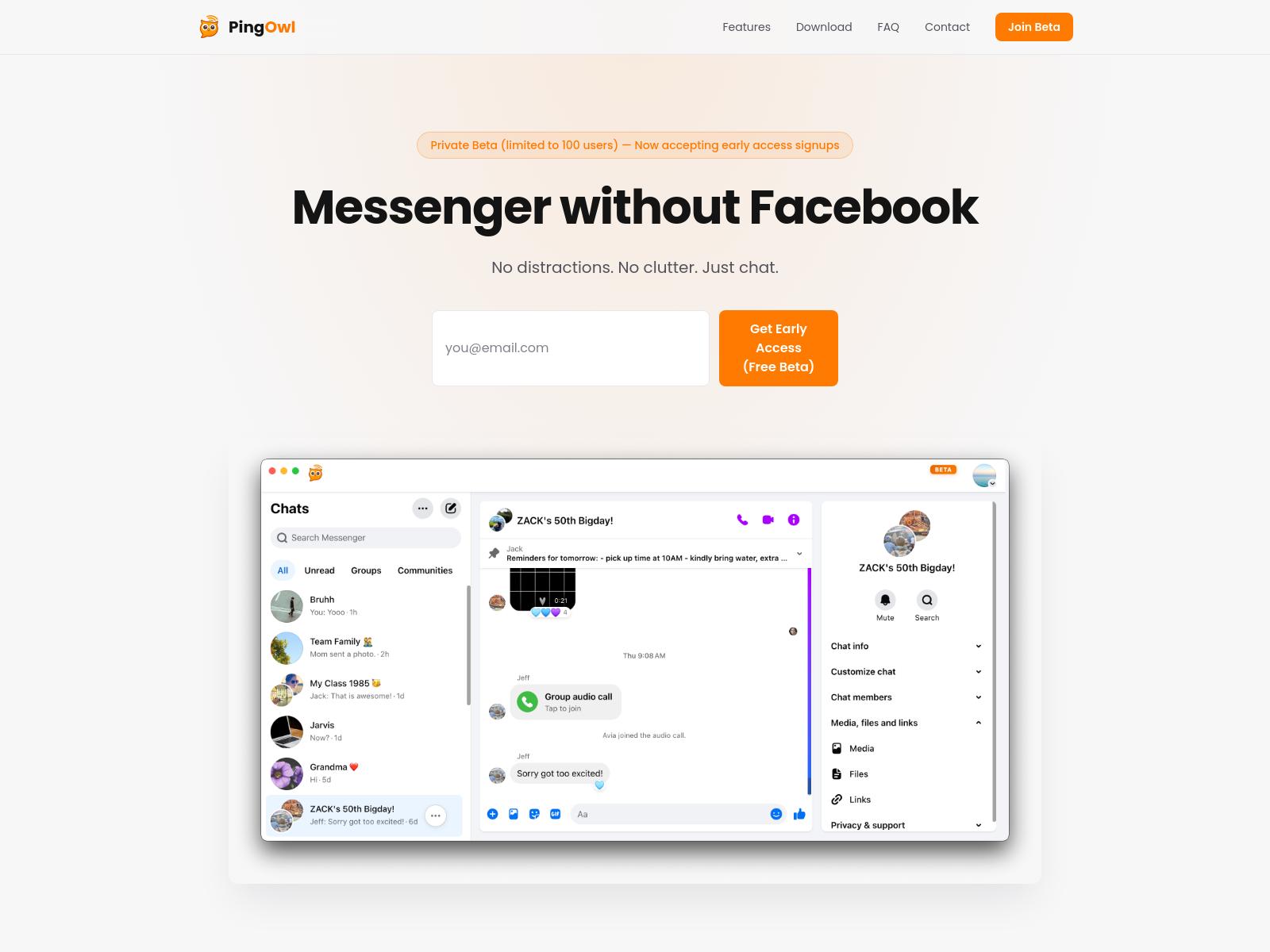
PingOwl
PingOwl is a distraction-free desktop chat tool offering a clean interface, notification management, chat export, and batch download features.
HTML-Viewer
HTML-Viewer is a front-end learning tool with two-way highlighting between code and preview. Clicking code highlights the corresponding element, and clicking a page element jumps to the corresponding code line.

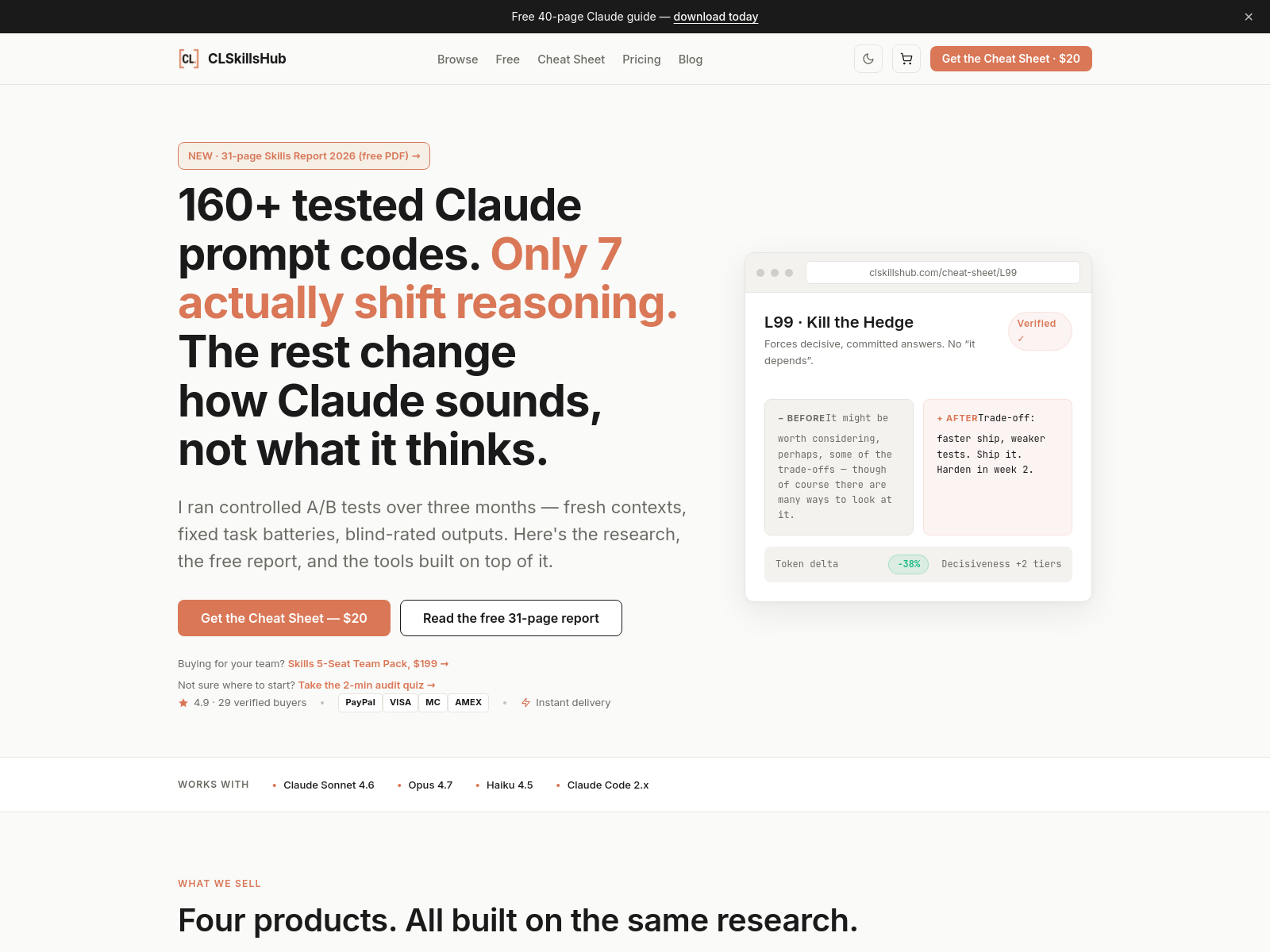
Claude Code技能中心
Claude Code技能中心 is an AI development tool that tests 120 prompt patterns and reveals efficient prompting techniques for specific scenarios.
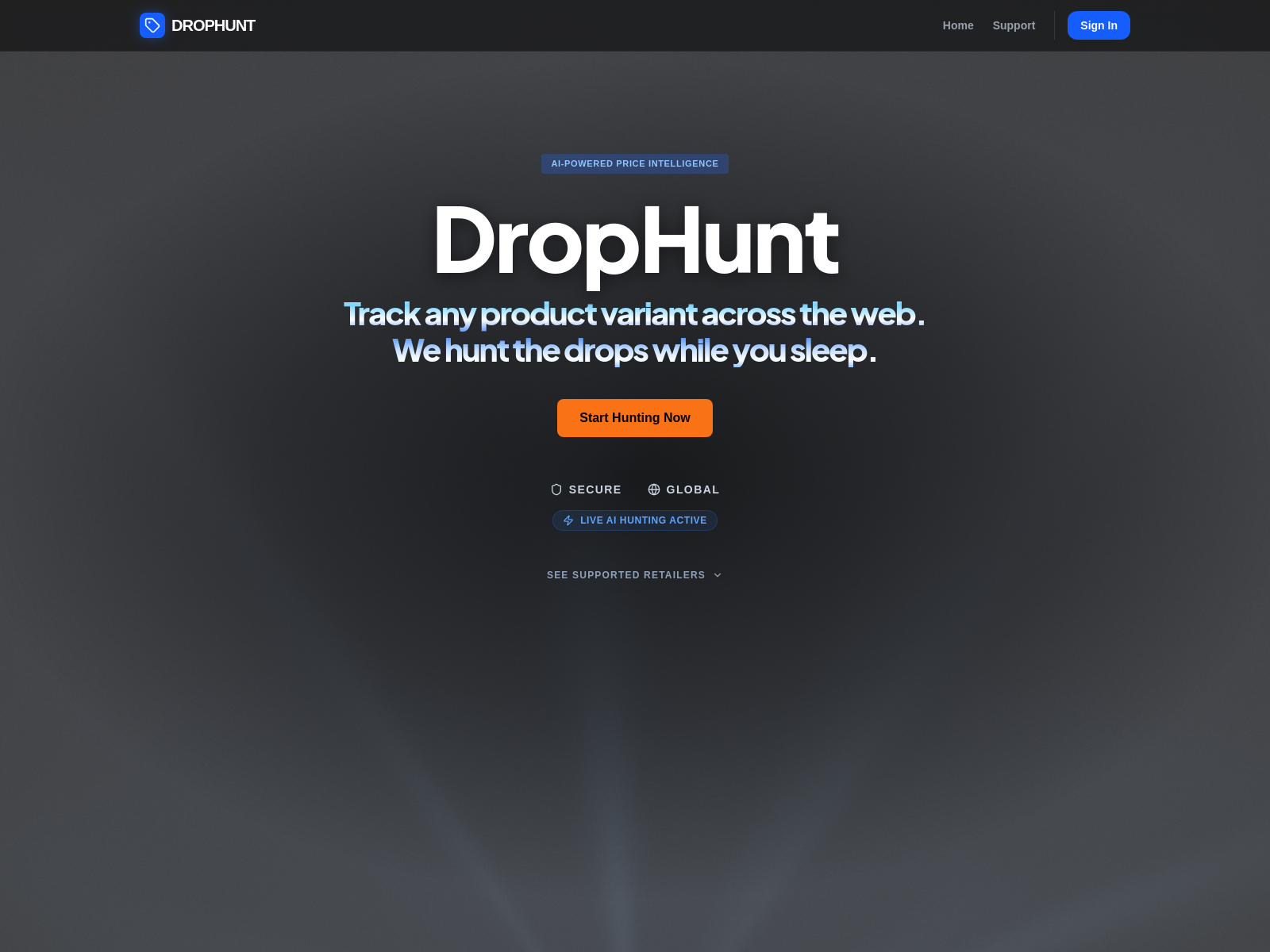
drop-hunt
drop-hunt is a price tracking tool that lets users set product links and target prices, then automatically detects and notifies when the price reaches the target.
🎮 Games
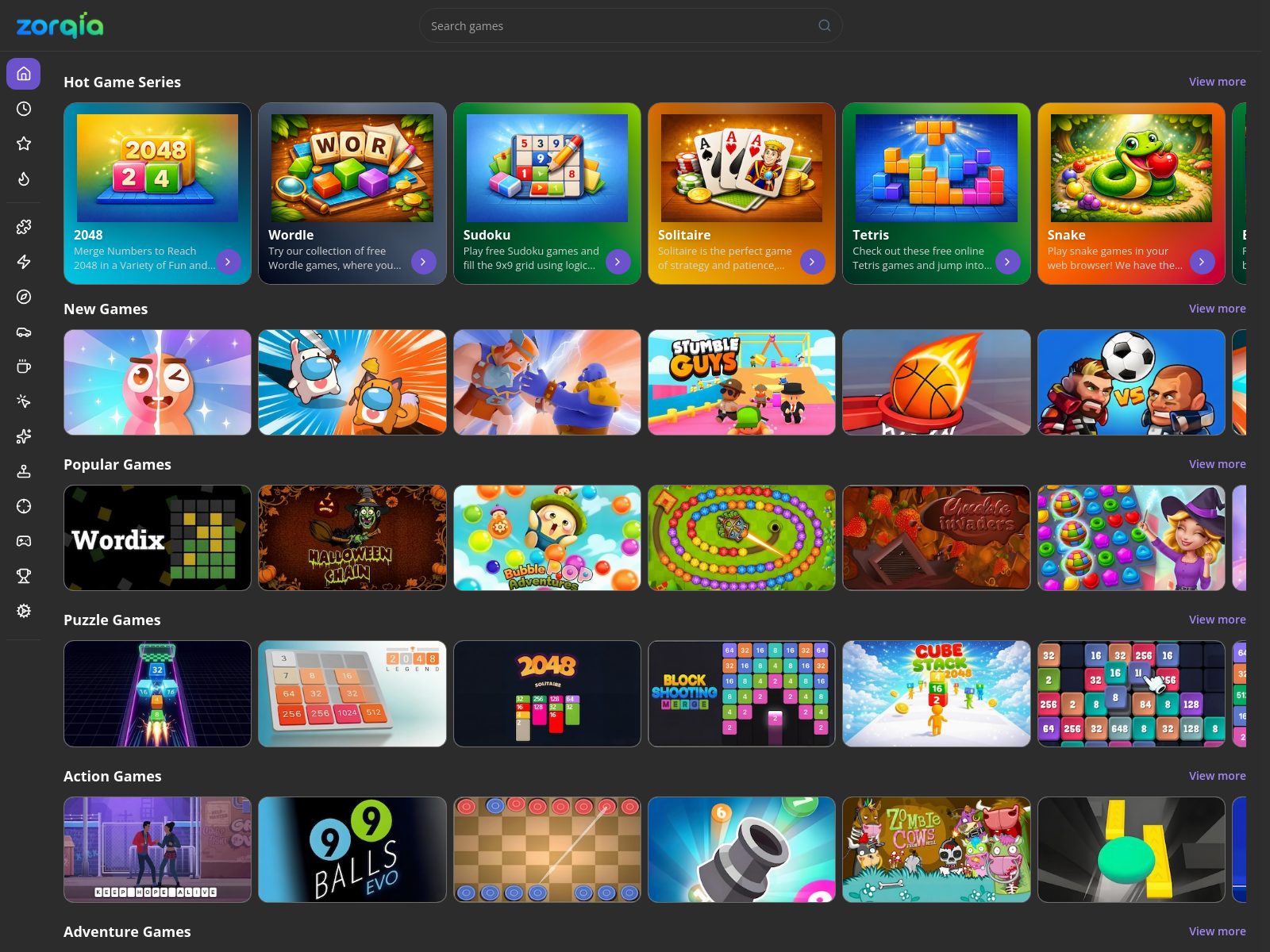
Zorqia
Zorqia is a comprehensive platform combining free online mini-games and practical tools, supporting instant play without downloads or registration.
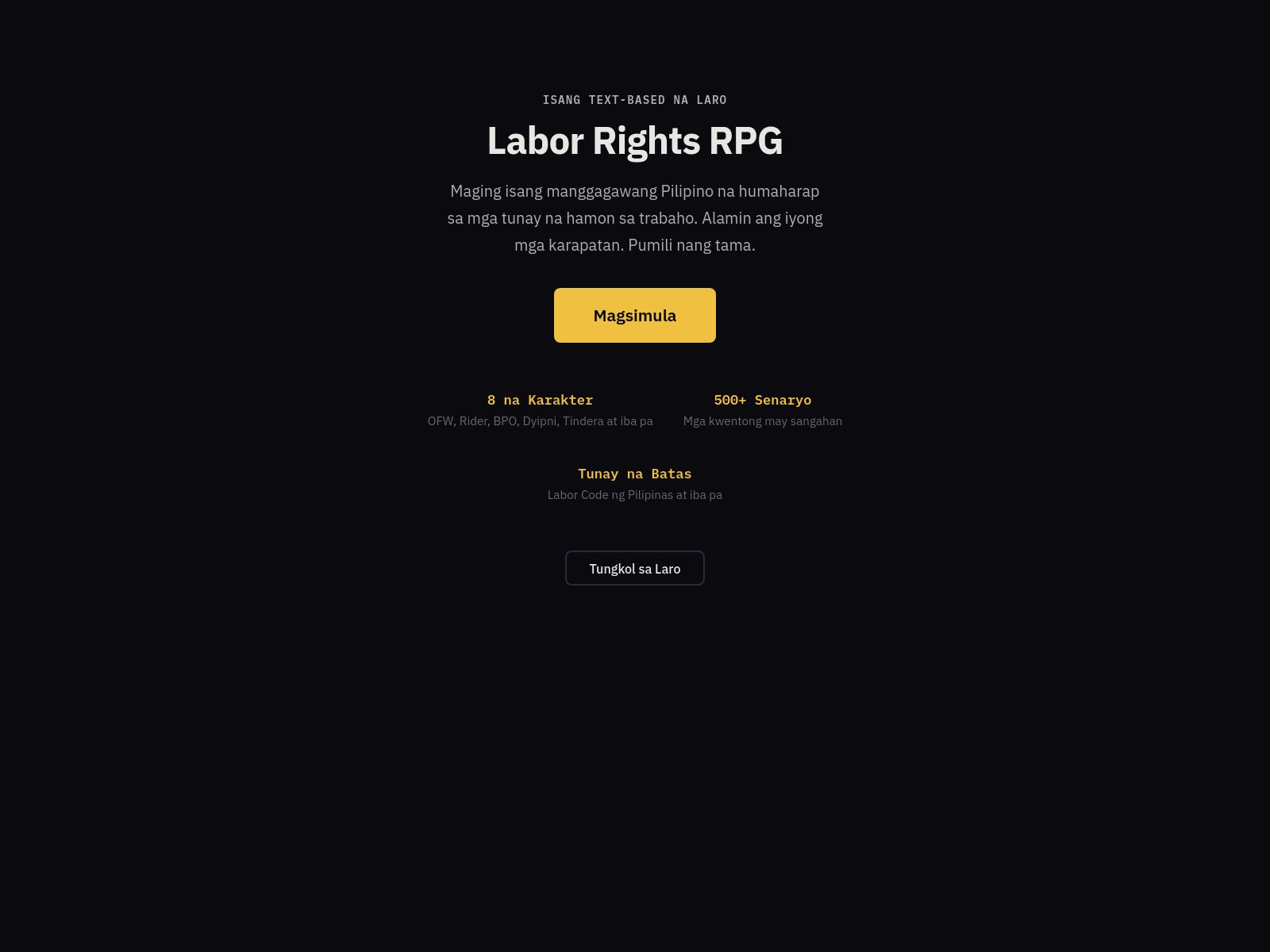
LaborQuest
LaborQuest is a free text RPG that helps Filipino workers understand labor rights, covering more than 500 real labor-law scenarios.
Morris 2
Morris 2 turns a classic board game into a roguelike with 15 abilities, 7 challenge stages, and a final boss battle. It is free to play with no ads or in-app purchases.

🌐 Websites
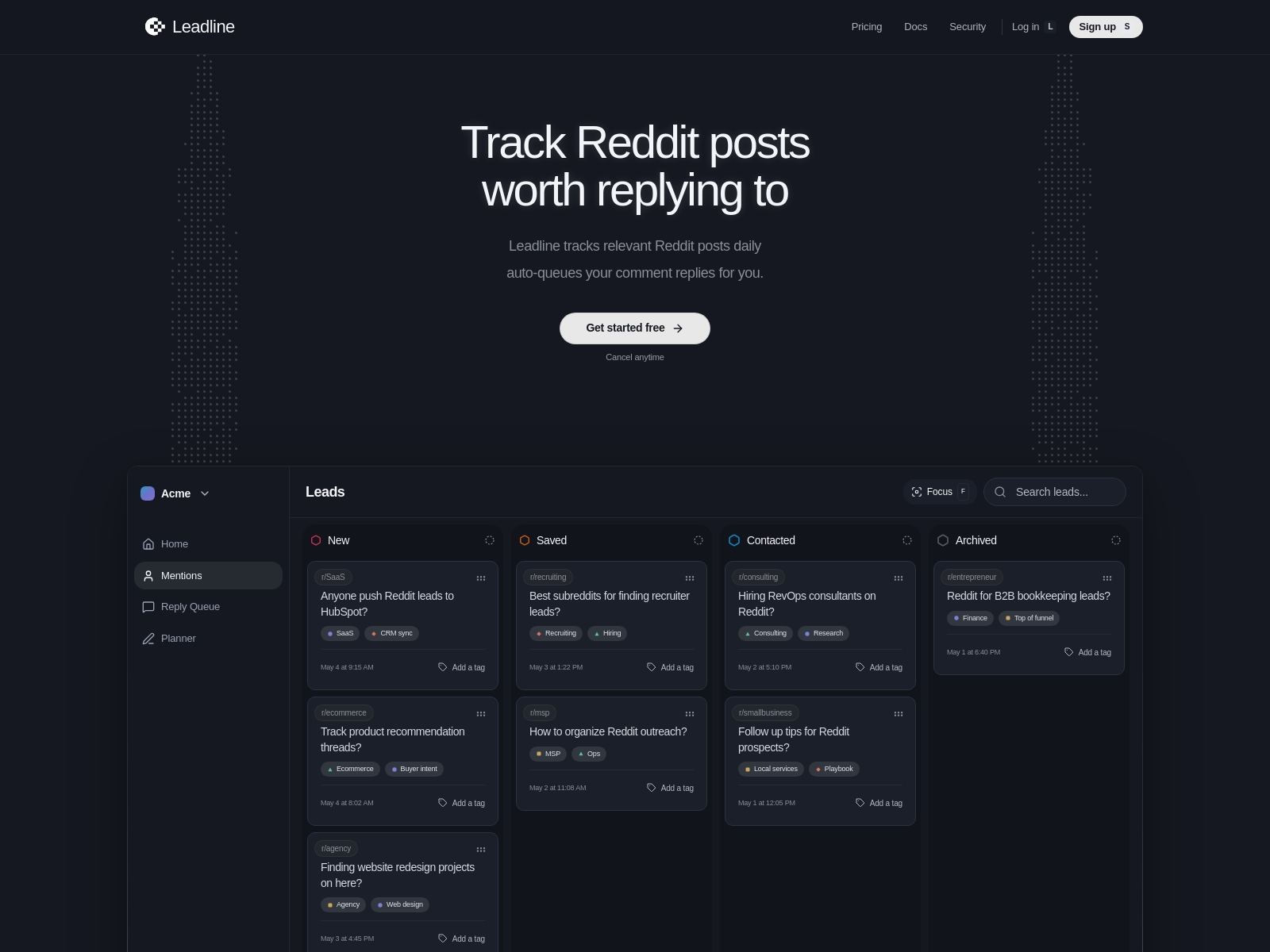
Leadline
Leadline is a real-time Reddit monitoring tool for B2B founders. It uses AI to analyze purchase intent in posts, helping discover potential customer conversations and respond quickly.
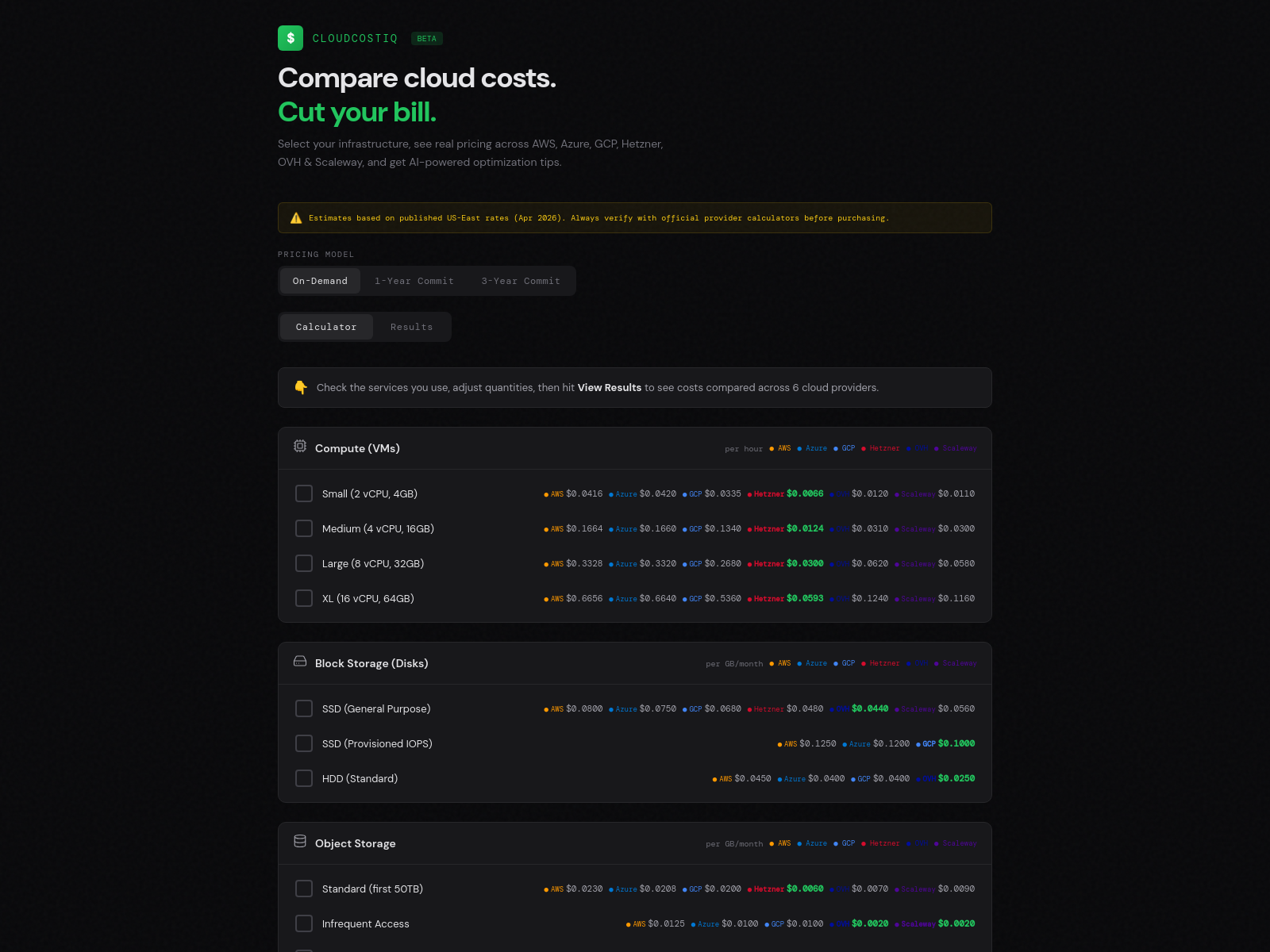
CloudCostIQ
CloudCostIQ is a free cloud cost comparison tool supporting real-time price comparisons across 12 service categories for AWS, Azure, and GCP, with no registration required.
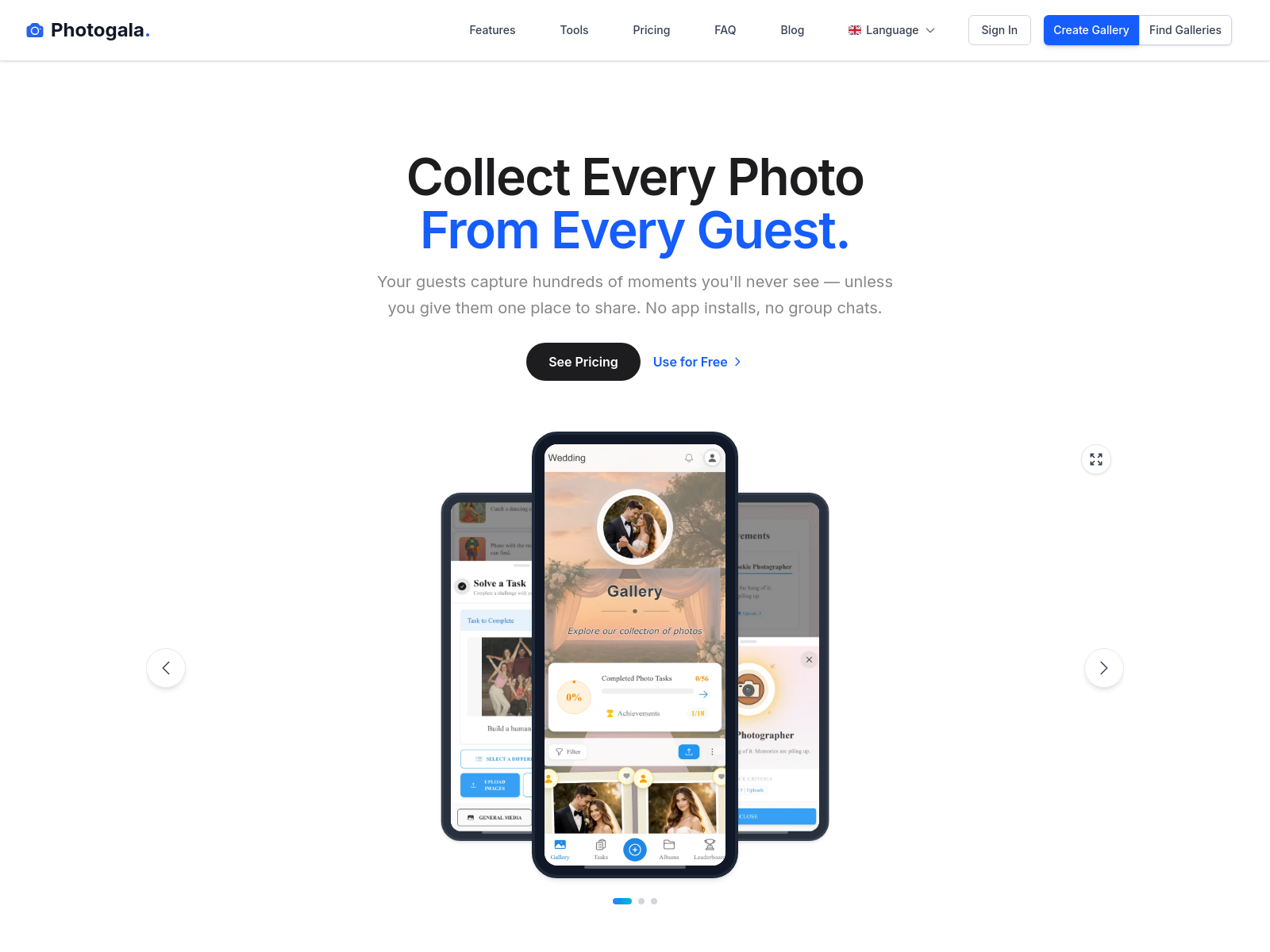
Photogala
Photogala is a QR-code-based event photo sharing website that uses gamification to improve guest participation, with real-time upload and AI face recognition support.
✍️ Notes
Daily project information:
Website: https://www.nomoyu.com/
RSS: https://www.nomoyu.com/rss/rss.xml
WeChat Official Account: 明航的AI副业
Feel free to connect and exchange ideas
See the website for all links.