2026-05-11. Nomoyu Daily for Indie Developers (Issue 359)
📰 News
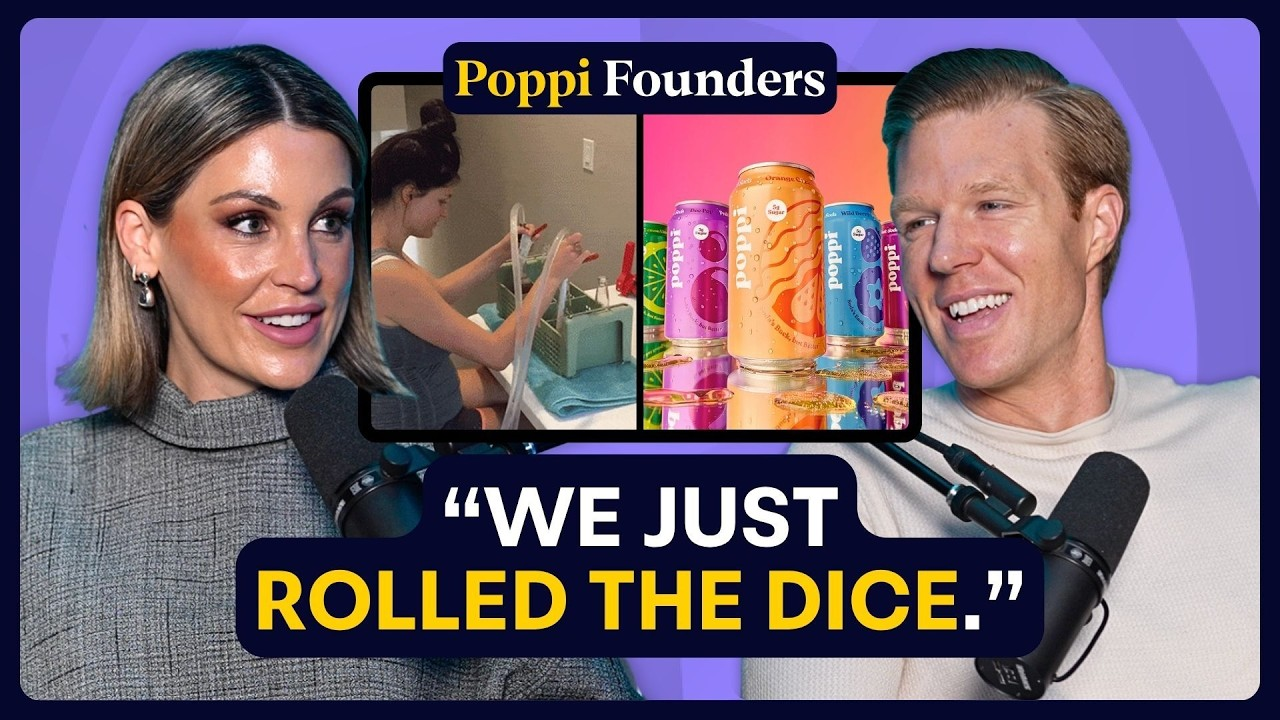
This soda sold for $1.95 billion, and the secret was not the recipe
Many people think Poppi’s victory was the victory of a healthier soda.
But the truth is that what it really sold was not just sparkling water with apple cider vinegar, but a new consumer brand growth playbook.
The problem is that when shelves, ads, and traffic are all reshuffled, the next products eliminated may not be the bad ones, but the ones that are too polished and restrained.
Founders Allison and Steven Ellsworth did not start as beverage experts.
Poppi’s predecessor was called Mother Beverage, born in their own kitchen. Allison had long-term digestive issues and started trying apple cider vinegar, but she hated the harsh taste in her throat. So she turned it into a drink more like soda, put it in glass jars, and sold it at farmers markets on weekends.
The earliest signal was simple: it sold out week after week.
On the third weekend, a Whole Foods buyer came to the booth, handed them a business card, and said they should enter Whole Foods. That was when they realized this might not be a weekend hobby, but a company.
Truly strong brands often do not start from grand business plans. They start from a sufficiently specific personal pain point.
But pain points only open the door. Growth requires another set of capabilities.
A good product is not enough. Ugly packaging can drag you down
When Poppi first got its Shark Tank opportunity, annual revenue had already reached about $500,000. But they still lacked money, experience, and strategic partners.
In 2017, Allison was three months pregnant, and the couple waited in line for eight hours to audition for Shark Tank. Six months later, she appeared on the show almost nine months pregnant.
They received investment from Rohan Oza. His judgment was direct: the liquid was good, the brand was bad.
That sentence is brutal for founders.
Because many founders treat the product like their child. When someone says the packaging is bad, it feels like they are calling the child ugly. But Allison and Steven did not respond defensively. They accepted it: if the goal is to win, then rebuild it.
Mother Beverage became Poppi. Bottles became cans, packaging changed to brighter colors, and the brand positioning shifted from healthy drink to reinventing the next generation of soda.
There is a fact many founders underestimate:
Users do not buy your effort. They buy whether they can understand you at a glance.
If product value cannot be quickly translated through packaging, name, color, and scene, even the best recipe may die in front of the shelf.
The pandemic did not destroy it. It forced out a new playbook
Poppi relaunched at a very dramatic time: March 3, 2020.
Then the world stopped.
For a consumer brand dependent on retail channels, this was almost a disaster. But Poppi was forced to turn digital-first instead: inventory moved to Amazon, marketing moved to TikTok, and the brand stopped looking only at New York and Los Angeles and entered more real American soda-consumption contexts such as Fargo and Cincinnati.
The numbers were striking.
In March 2020, Poppi did about $9,000 in sales on Amazon. In April, it became about $250,000.
This was not the traditional path for consumer goods.
Old new-consumer brands first entered boutique channels, gained recognition in first-tier cities, then slowly moved downward. Poppi’s path was more like the reverse: first make ordinary people interested on the internet, then let demand push channels and shelves to catch up.
More importantly, Allison personally stepped onto the stage.
She danced, filmed transitions, put her children in videos, and brought Steven into TikToks too. She later summarized it with one sentence: the most underestimated emotion for founders is embarrassment.
The most effective video was not a polished ad.
It was a Friday night. She had just showered, her hair was still wet, and she sat down to tell her story: my name is Allison, I went on Shark Tank, and I was still pitching my product when I was nine months pregnant.
That video passed one million views while she was asleep. That night, Amazon sales reached $100,000. Later, the video accumulated hundreds of millions of views.
This is the most counterintuitive part of brand growth today:
Users may not believe a brand first, but they may first believe a person willing to put themselves on stage.
Being too respectable is the chronic disease of new brands
The most useful thing to unpack from Poppi is not that it knows how to make TikToks, but that it dares to turn “not being respectable” into a growth asset.
Many founders do not want to appear publicly. They fear embarrassment, being seen by acquaintances, content not being sophisticated enough, or looking like a marketing account.
But in an age of extremely crowded attention, being overly respectable often means being overly quiet.
Poppi’s approach was not merely to make short videos. It connected the founder, story, product, and purchase path: TikTok built awareness, the website collected emails and phone numbers, and then users jumped to Amazon to buy. More cleverly, the jump link was an Amazon affiliate link, meaning they brought traffic to Amazon while getting some fees back.
This is not a trick. It is a new consumer brand reusing platform infrastructure.
They never even ran Google ads. For the first four years, the core KPI was not short-term conversion, but brand awareness.
That was risky, but also clear-headed.
Because soda is not a category that needs a long education cycle. The real difficulty is: can you occupy the user’s mind before the next time they want a soda?
The final leap was turning the brand into a statement of the era
By 2024, Poppi was no longer a small brand. But it made an even more aggressive decision: buy a Super Bowl ad.
Even crazier, the decision happened four days before the game.
They already had a film with the theme “the future of soda.” The team felt it did not look like an ordinary ad, but more like a brand manifesto. So they decided to gamble.
It was a floating ad slot with an uncertain airing time. It might run during garbage time or even after the game ended. In the end, it aired one minute before Usher’s halftime show and effectively landed one of the best positions.
That year, Poppi originally forecast 2024 revenue between $200 million and $350 million. It ultimately exceeded $500 million.
Later, Pepsi acquired Poppi for $1.95 billion.
This is not a feel-good story about going from farmers markets to a huge exit. It is more like a signal: the moat of consumer brands is changing.
In the past, brands relied on shelves, channels, TV ads, and budget pressure.
Now, brands first rely on founders standing up, stories forming trust, content creating community, platforms completing fulfillment, and finally returning to traditional channels for amplification.
Poppi’s core lesson is not to make soda or to shoot TikToks.
It is that today, brands are not designed into existence. They are publicly verified again and again.
Whether you dare to be seen, dare to be mocked, and dare to step on stage before everything is perfect is becoming a business capability.
In the AI era or the short-video era, tools will always change. What remains scarce is the person willing to carry judgment, story, and risk together.
The most dangerous future founder is not the one who cannot buy ads.
It is the one who is afraid of losing face before even starting.
🖥️ Software
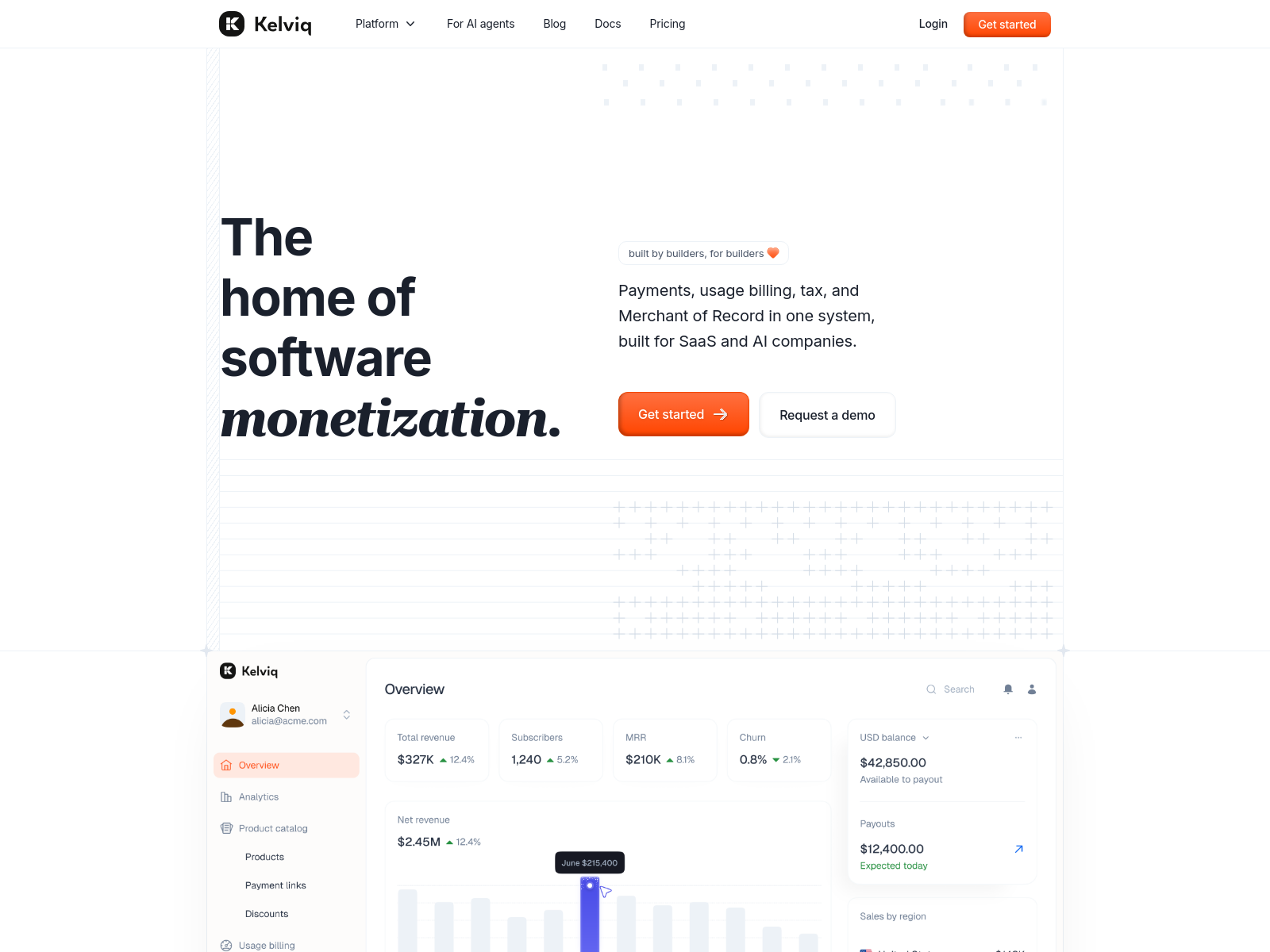
Kelviq
Kelviq is a full-stack merchant payment platform for SaaS and AI products, supporting global tax compliance and localized pricing.
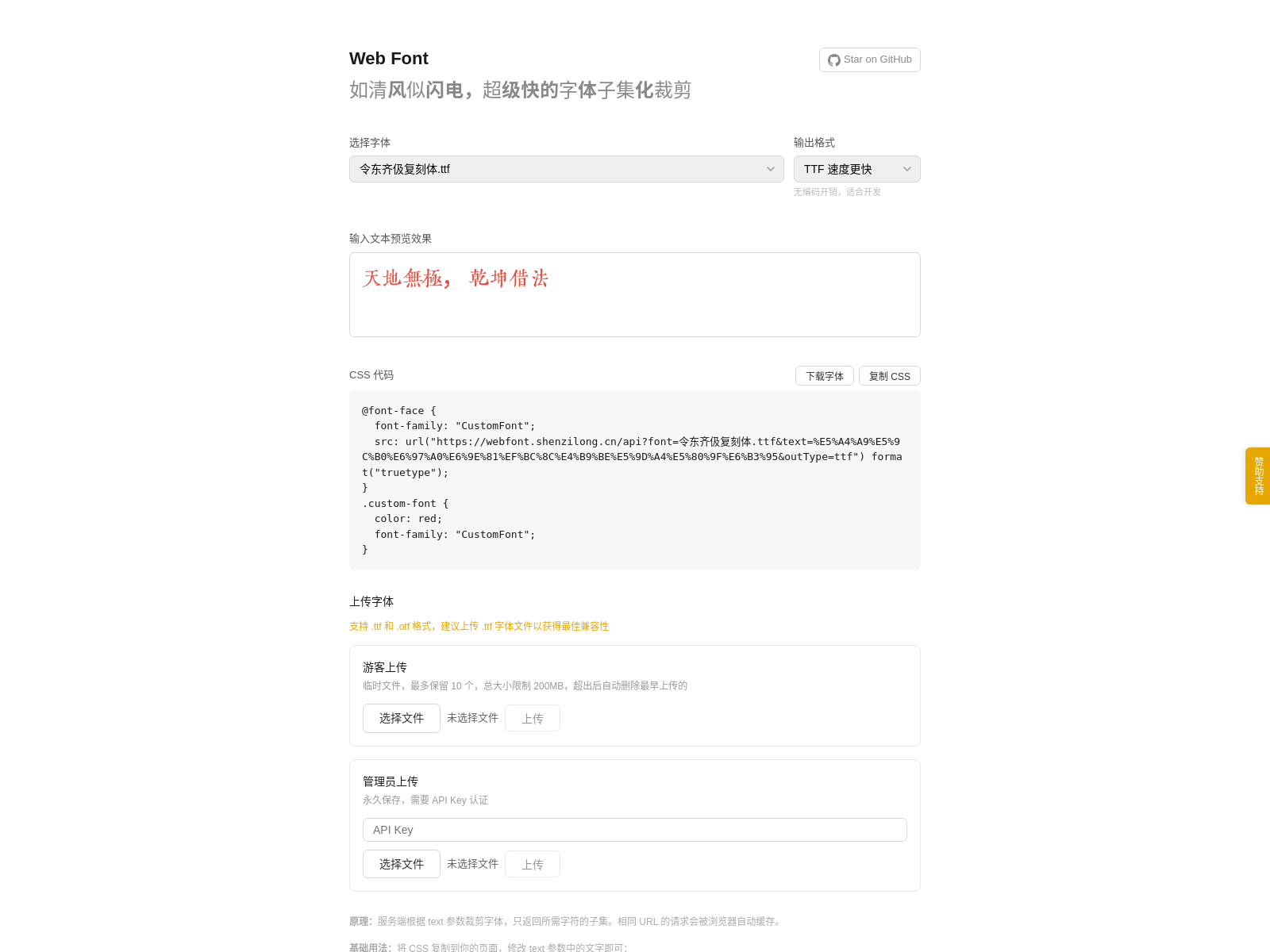
cc loop
cc loop is an open-source font subsetting tool that uses AI to automatically optimize code performance, achieving nearly a tenfold performance improvement.
VoxBoo
VoxBoo is a local voice assistant running on Mac. It supports voice input, AI agent operations, and text chat, can connect to custom large models, and uses one-time purchase instead of subscription.
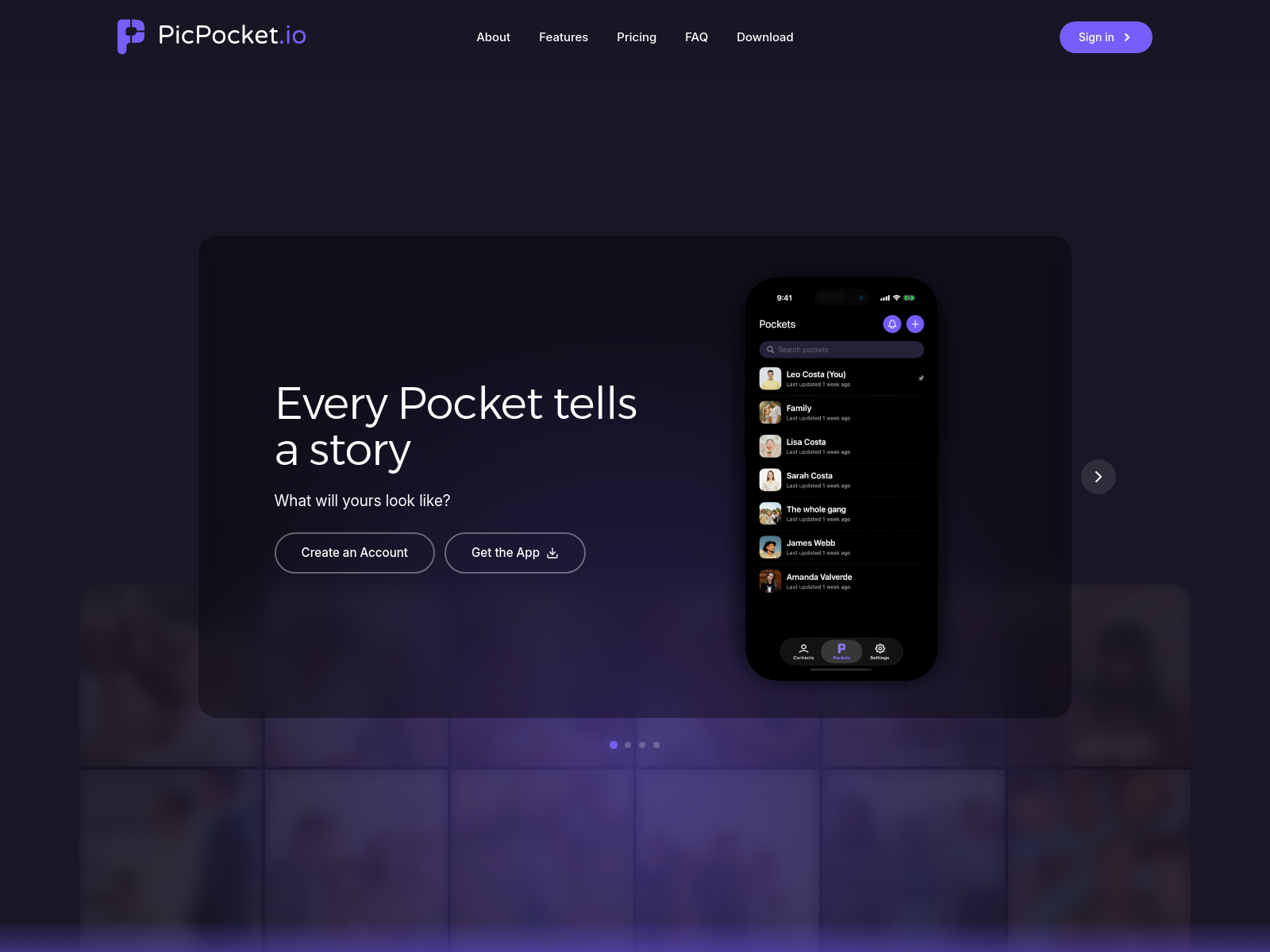
PicPocket
PicPocket is an image cloud storage tool that looks like a chat app, with App Store and web support for convenient image management and sharing.
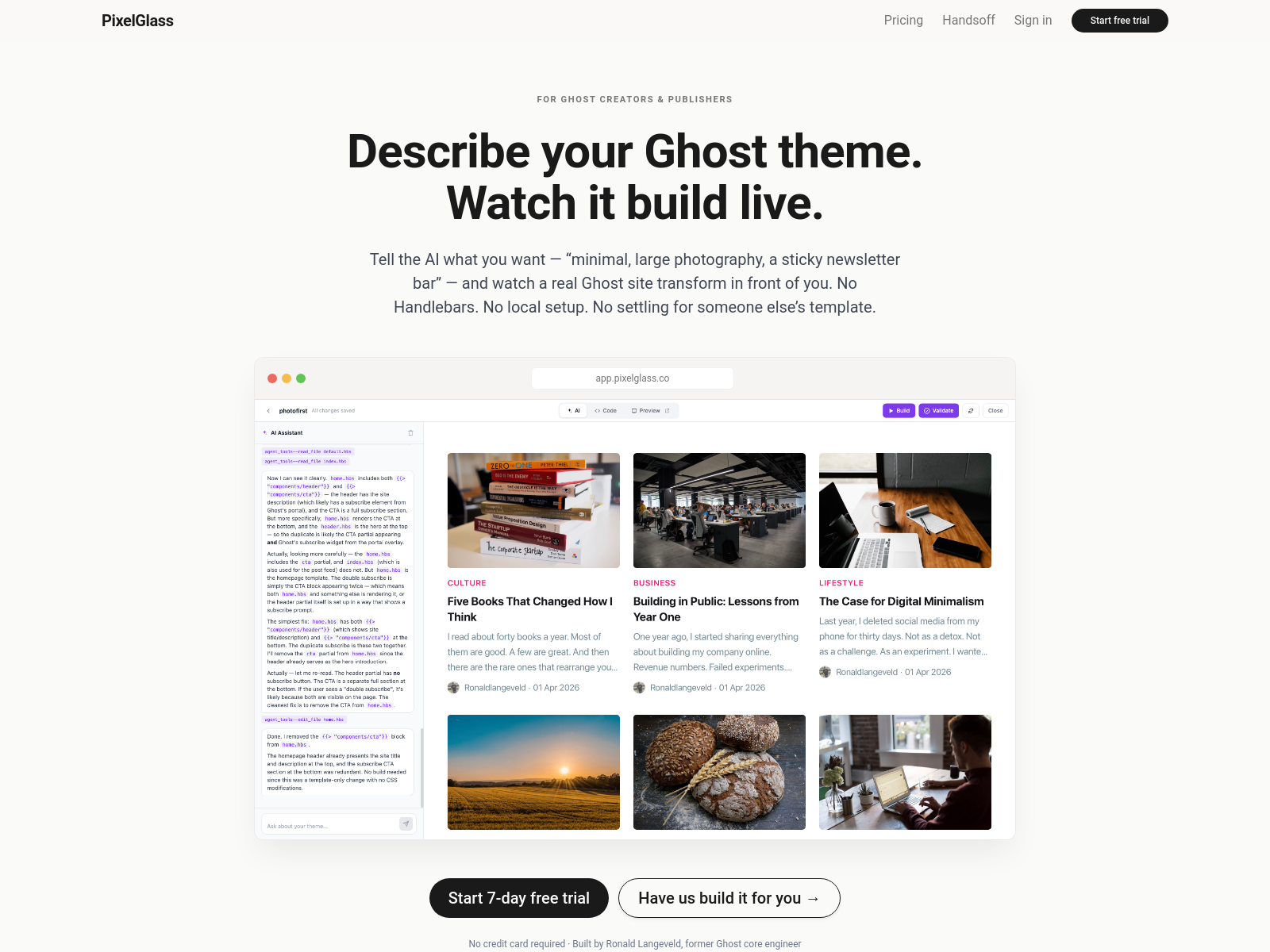
PixelGlass
PixelGlass is an AI theme builder for non-developers. It generates Ghost blog themes from natural-language descriptions and supports one-click deployment or theme package download.
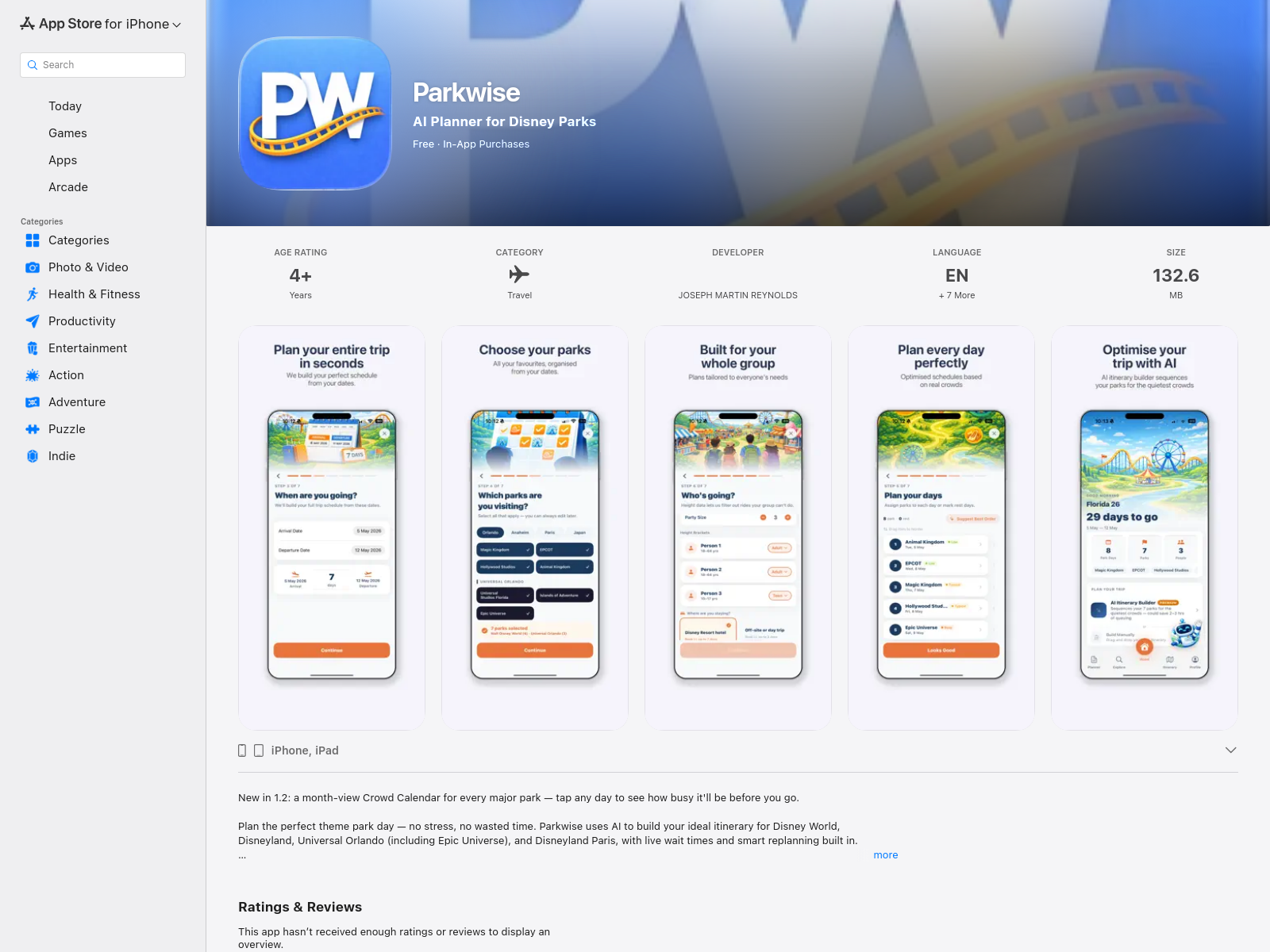
Parkwise
Parkwise is a Disney and Universal theme park itinerary planning app built by an indie developer, supporting crowd analysis and AI-generated itineraries.
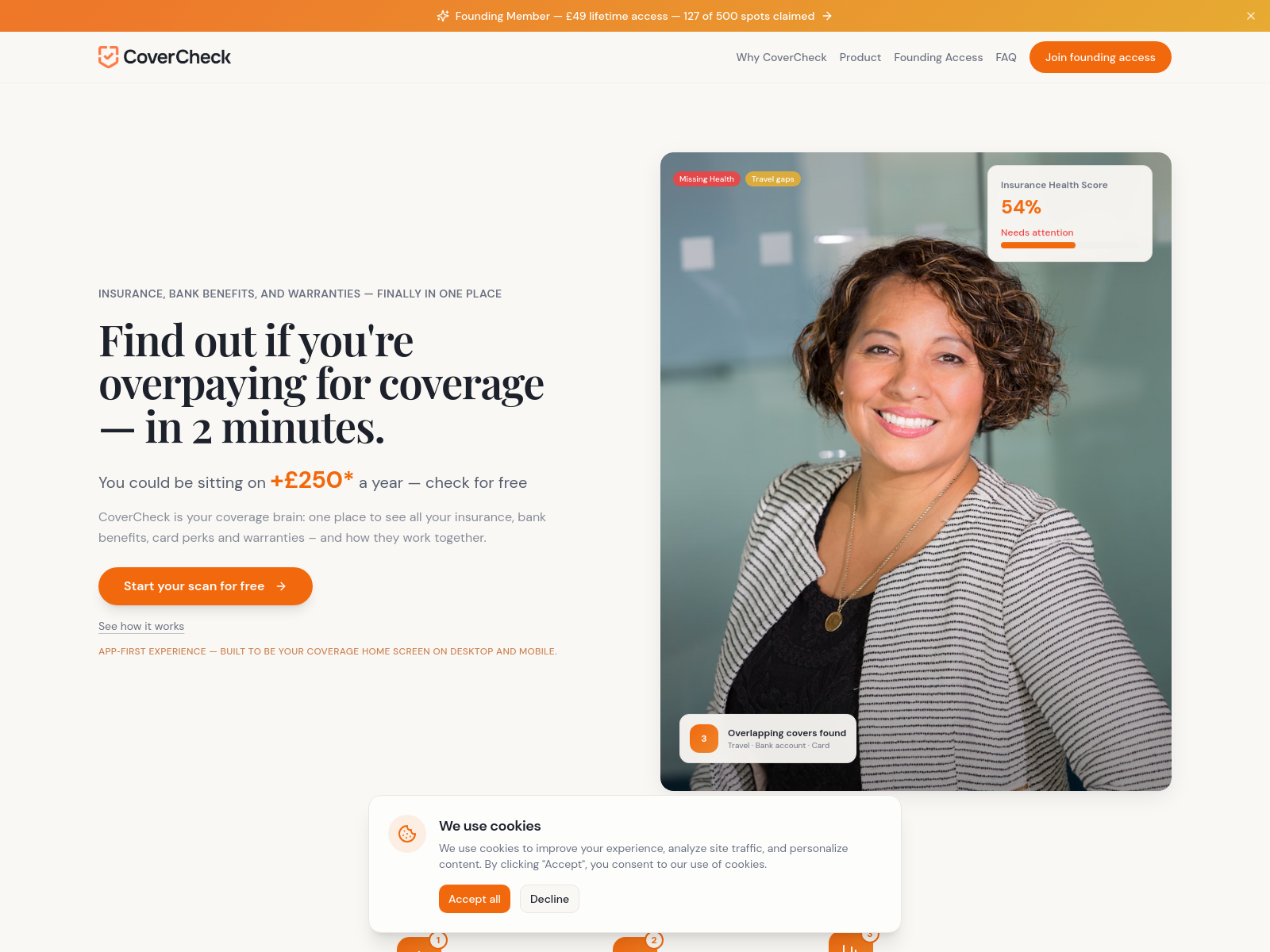
CoverCheck
CoverCheck is a personal finance tool that helps users consolidate insurance, banking benefits, credit-card perks, and product warranty information, providing a unified coverage dashboard and natural-language queries.
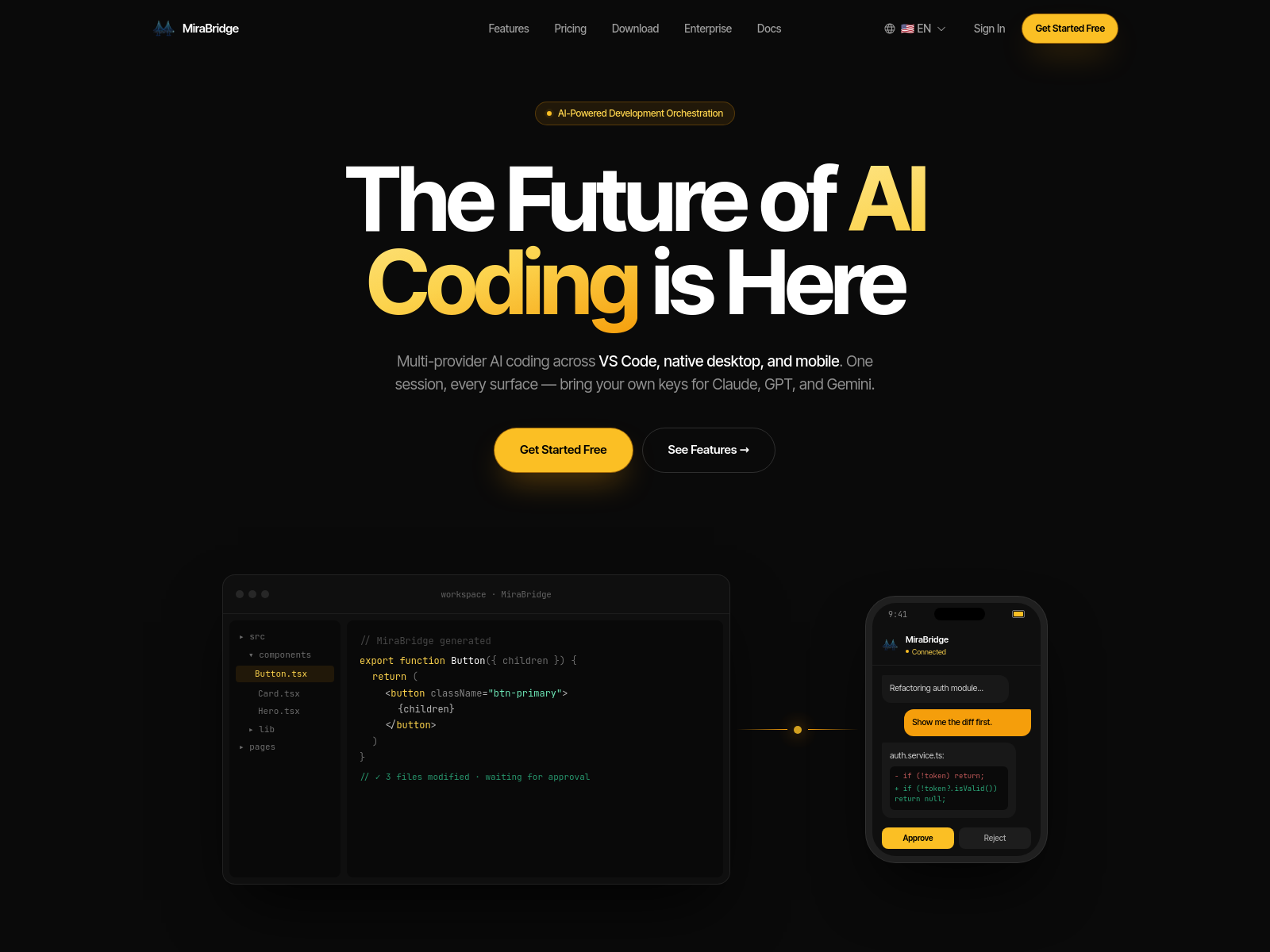
MiraBridge
MiraBridge is a multi-model AI coding platform that lets users manage VSCode coding sessions in real time from mobile devices for cross-device collaborative development.
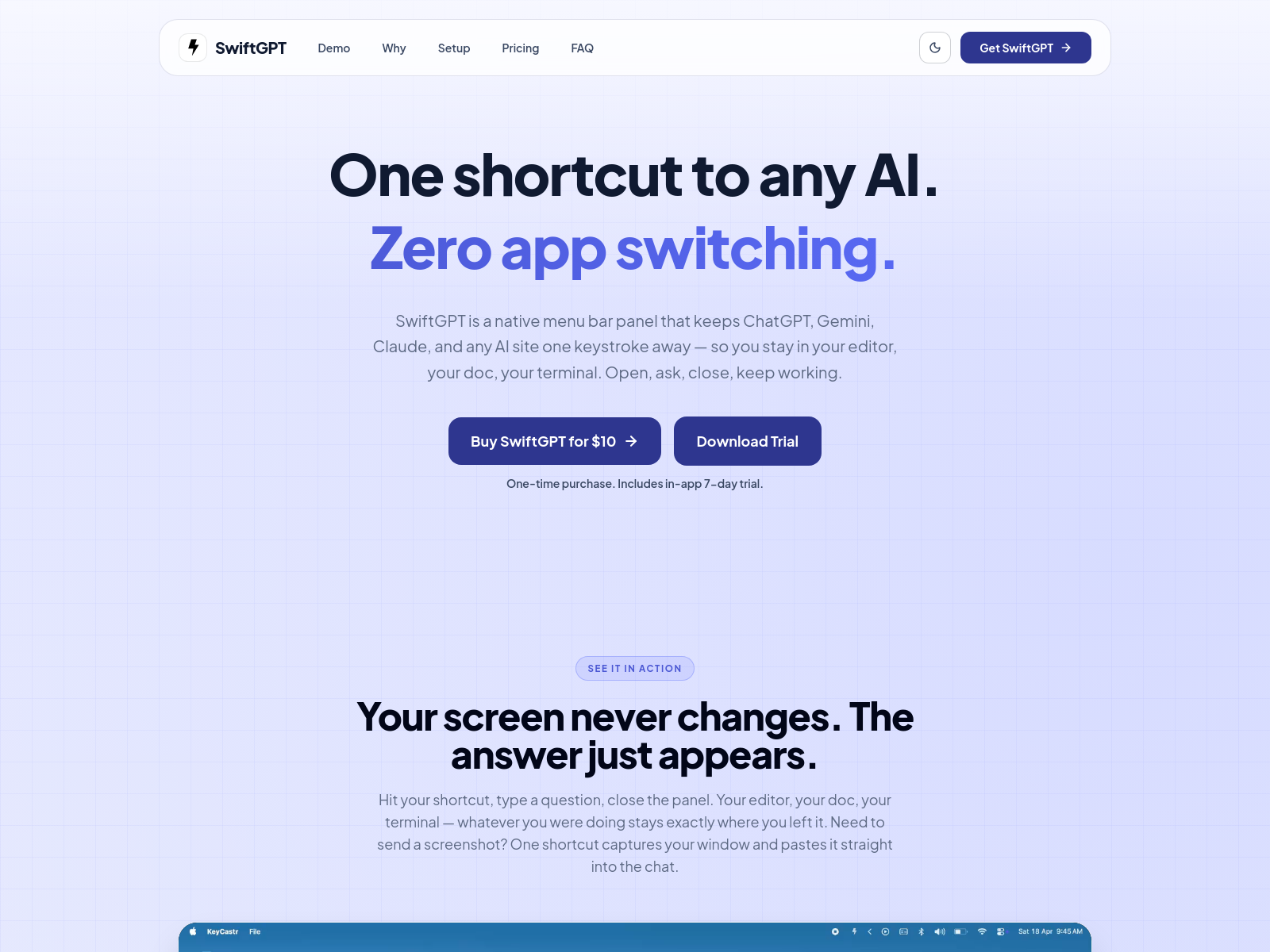
SwiftGPT
SwiftGPT is a lightweight macOS menu-bar app that supports global hotkeys for calling AI, seamless questions while coding, one-click model switching, and no account or subscription requirement.
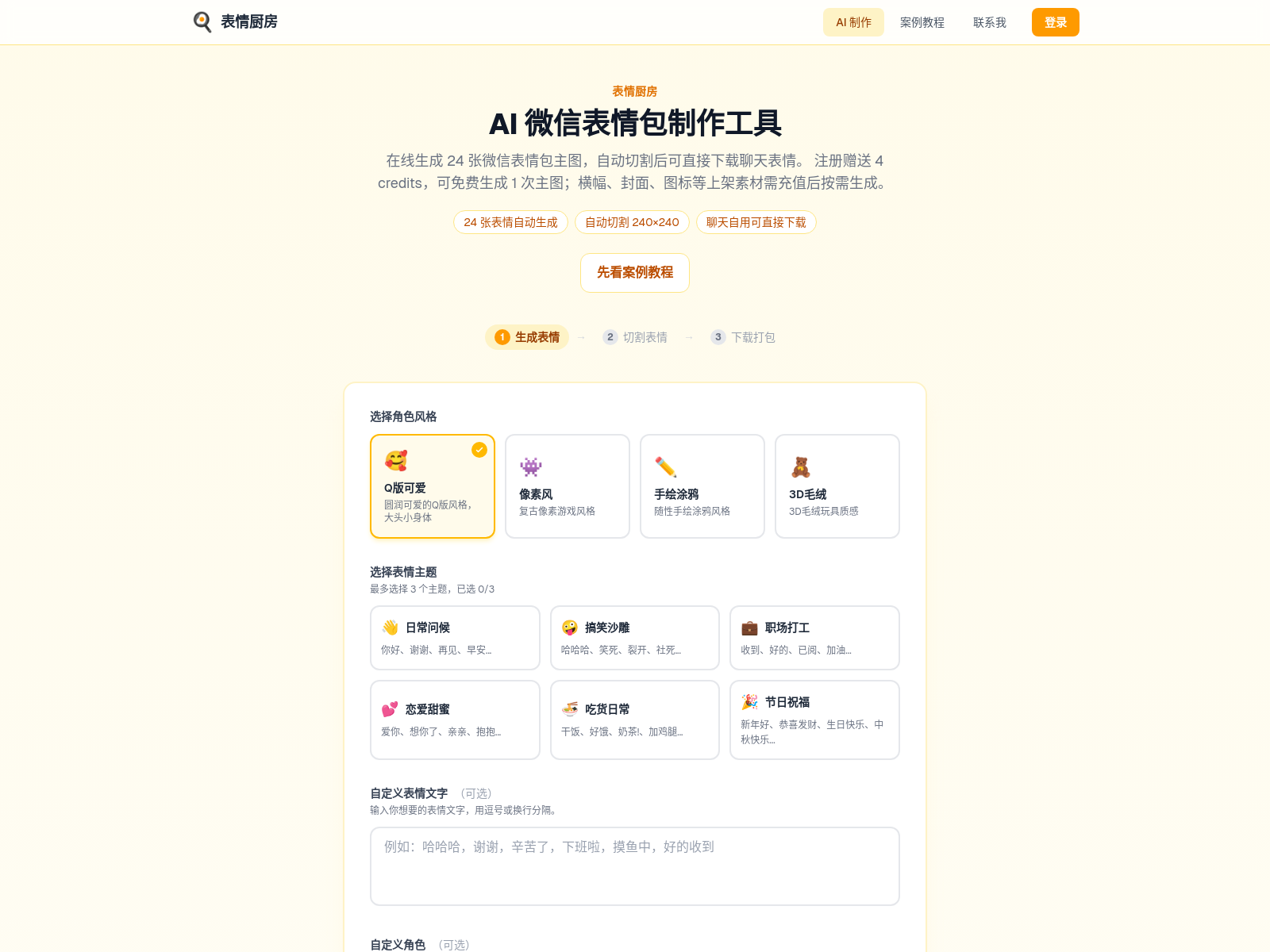
表情厨房
表情厨房 is a tool for generating WeChat sticker packs in one click. It supports custom text and automatic slicing, and can upload directly to the WeChat sticker platform.
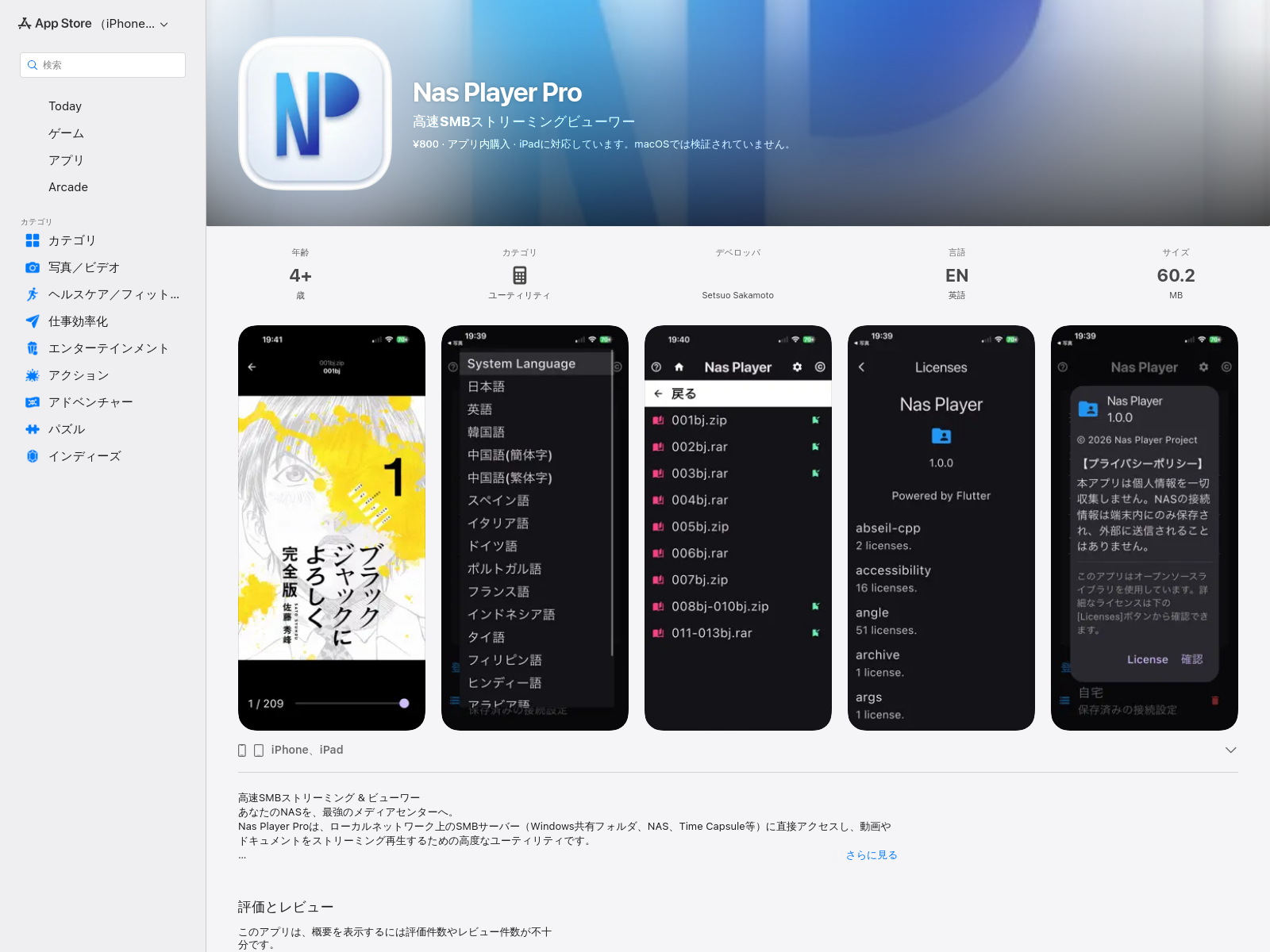
Nas Player Pro
Nas Player Pro is a fast media tool supporting SMB streaming playback and multi-format reading. It manages video, music, comics, documents, and more with near-instant playback.
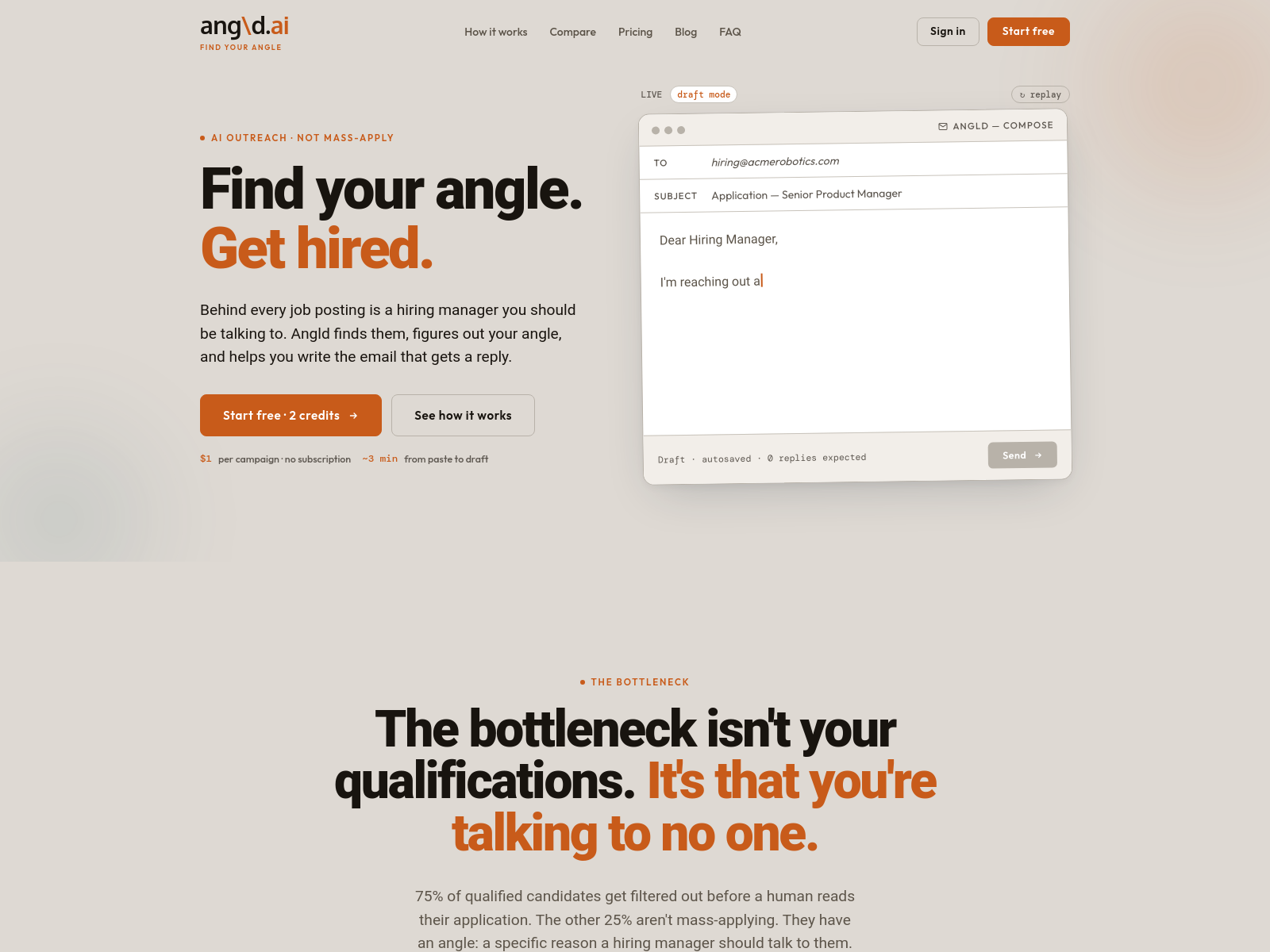
Foxhire.ai
Foxhire.ai is a job-search tool that uses AI to analyze job descriptions, automatically identify hiring managers, and generate personalized job application emails, with task tracking and credit-based payment.
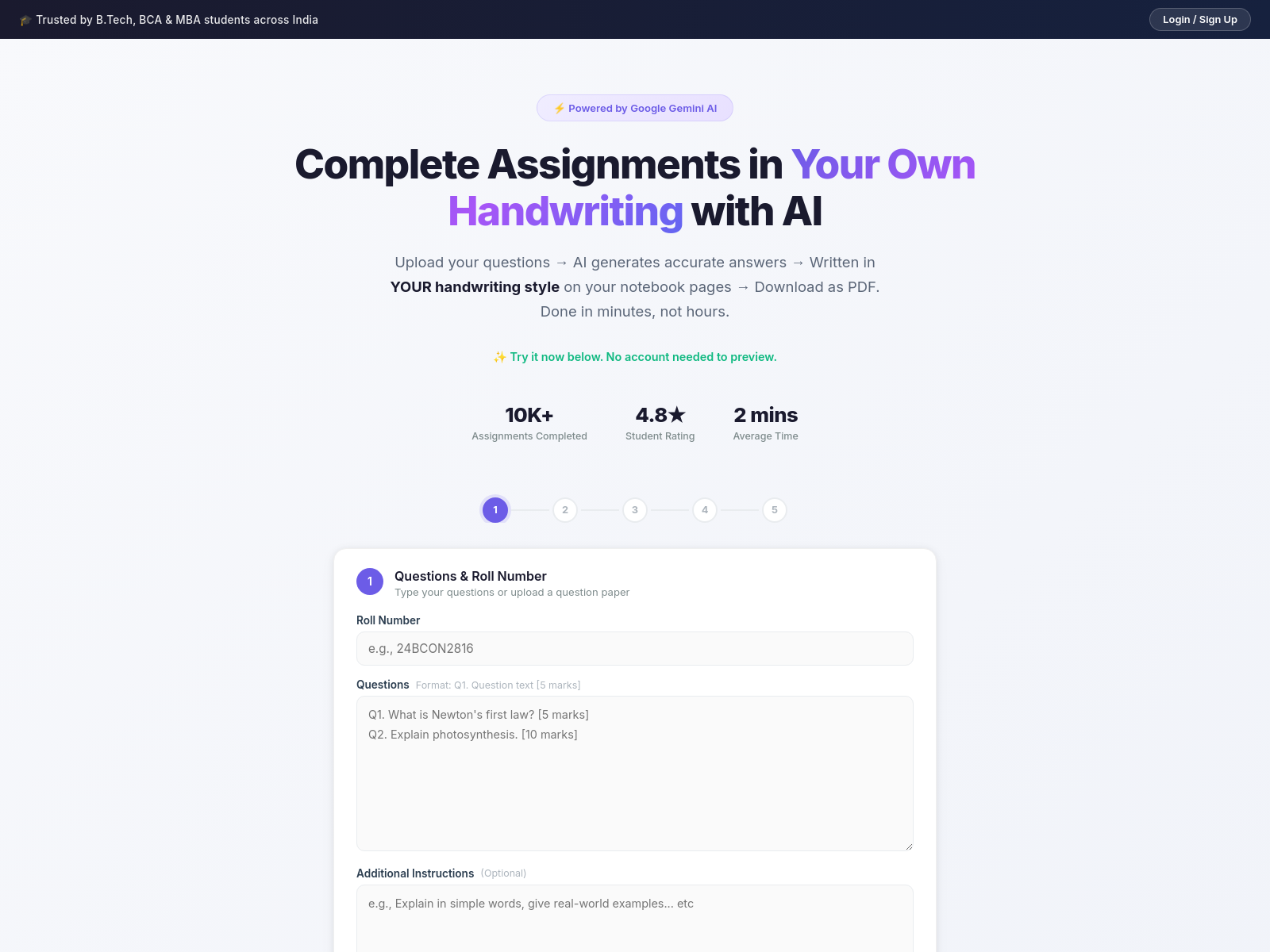
Assignment
Assignment is an education tool that recognizes handwritten homework questions and automatically generates answers in a realistic handwriting style, with AI editing support for PDF content.
🎮 Games
Krepogrib
Krepogrib is a free in-browser city-building game with random map generation and strategic settlement layout development.
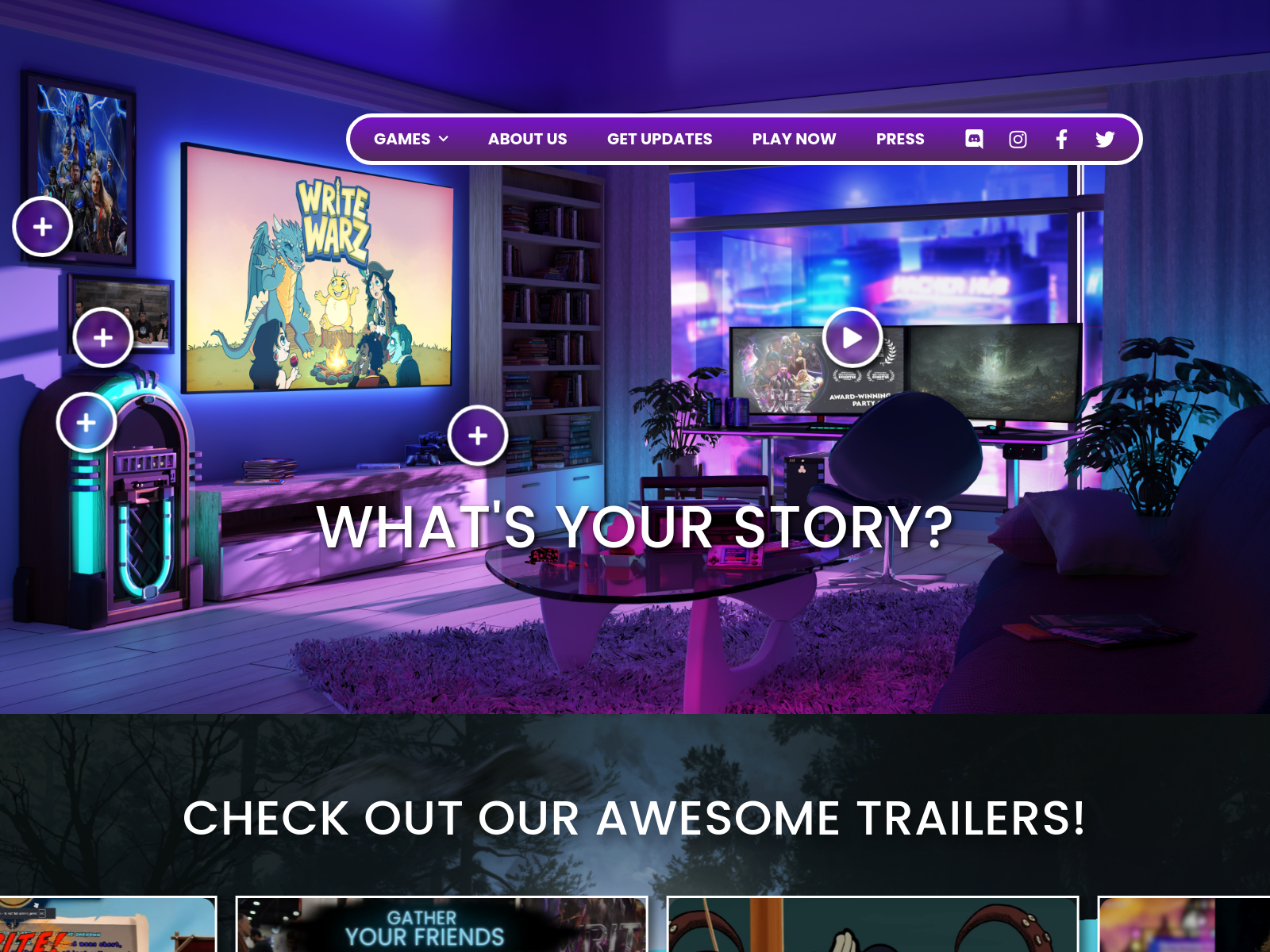
Write Warz
Write Warz is a Jackbox-like multiplayer collaborative storytelling party game where players take turns writing sentences and voting for the best ones to build humorous stories together.
🌐 Websites
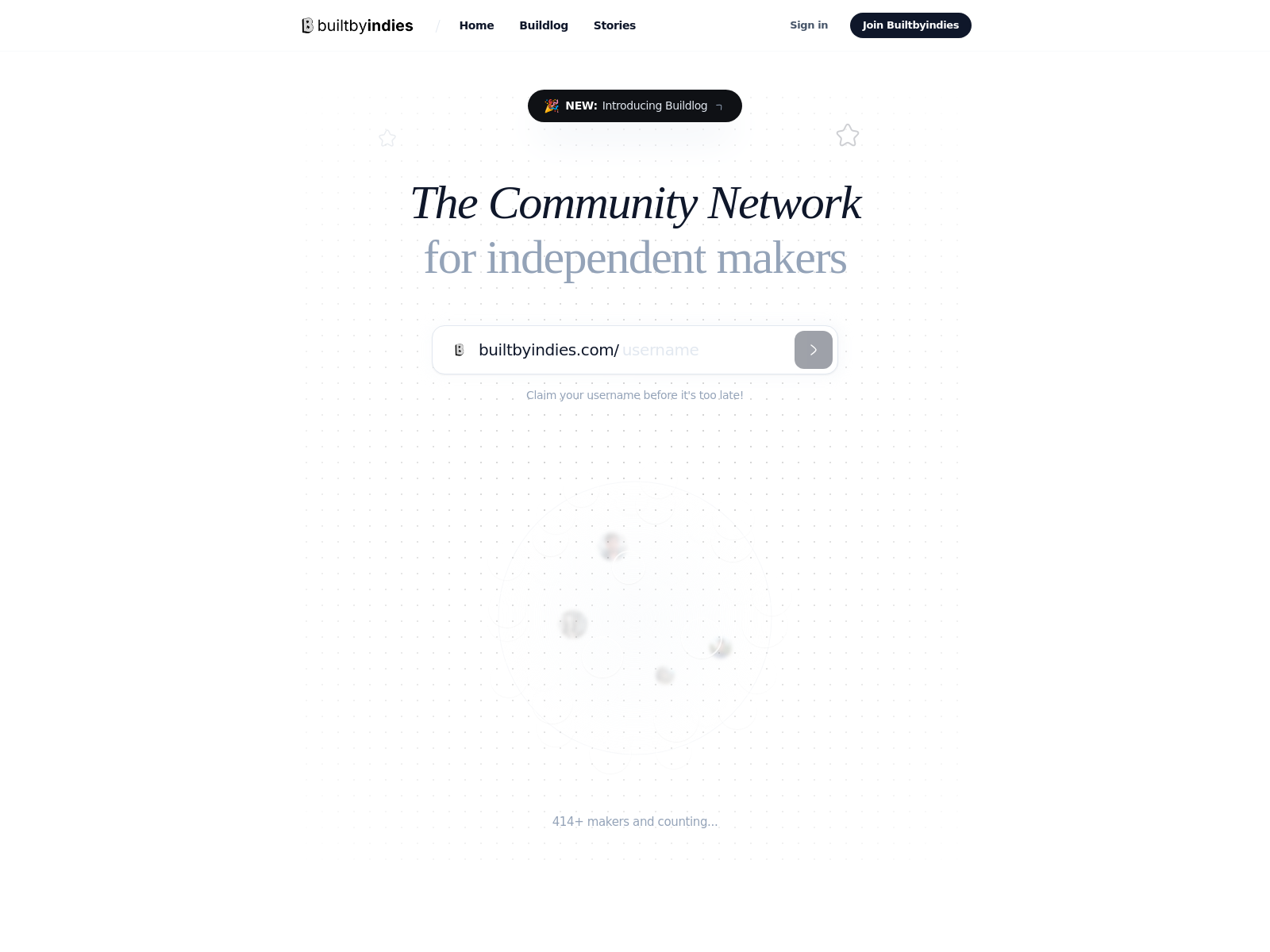
Built by Indies
Built by Indies is an indie developer community platform for publishing projects, sharing progress, and getting peer feedback, supporting collaboration and growth.
Cinebla
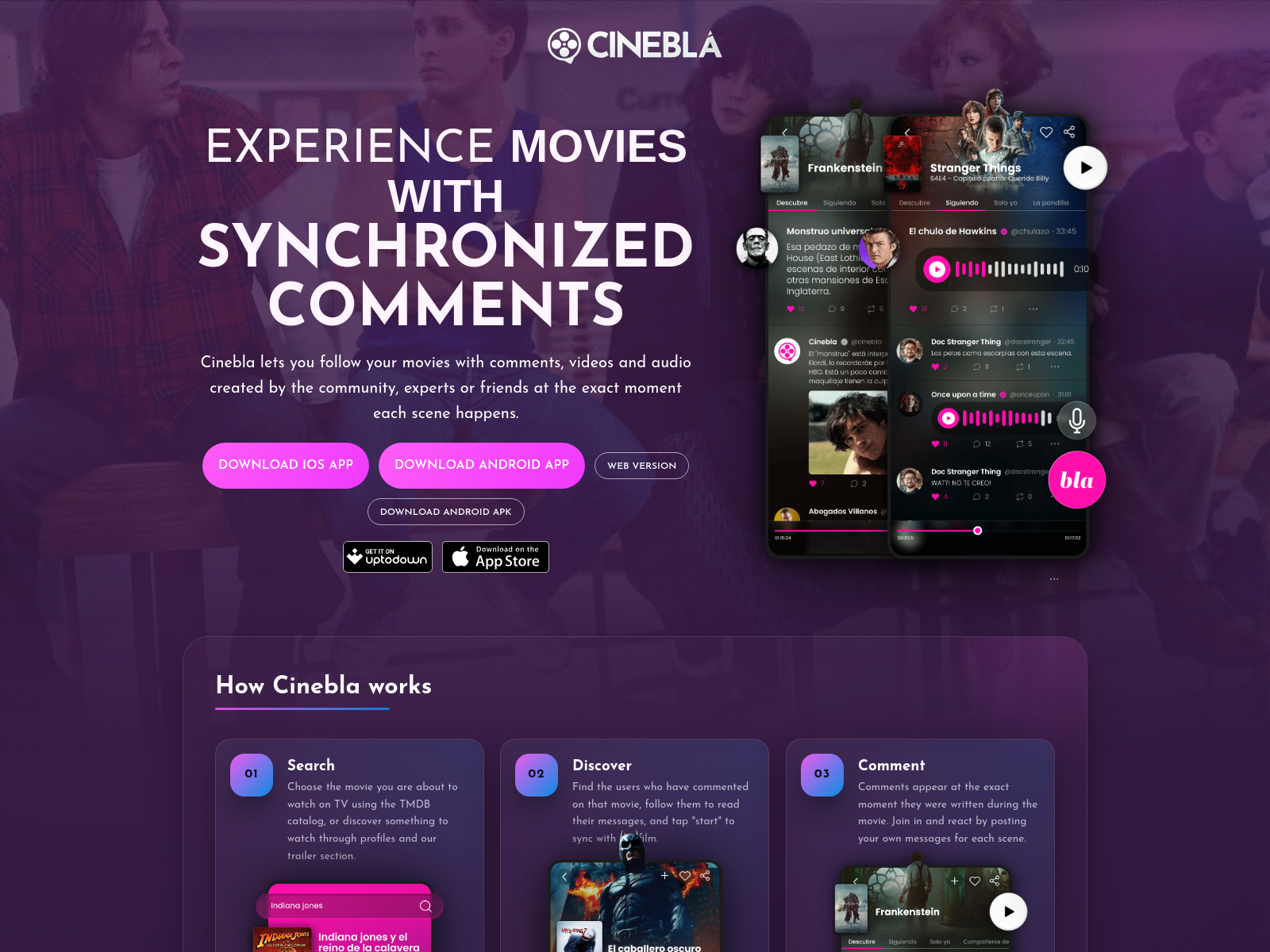
Cinebla is a social website that supports synchronized comments for movie and TV scenes, including real-time/asynchronous comments, audio comments, and live watch parties.
✍️ Notes
Daily project information:
Website: https://www.nomoyu.com/
RSS: https://www.nomoyu.com/rss/rss.xml
WeChat Official Account: 明航的AI副业
Feel free to connect and exchange ideas
See the website for all links.