2026-05-13. Nomoyu Daily for Indie Developers (Issue 361)
📰 News
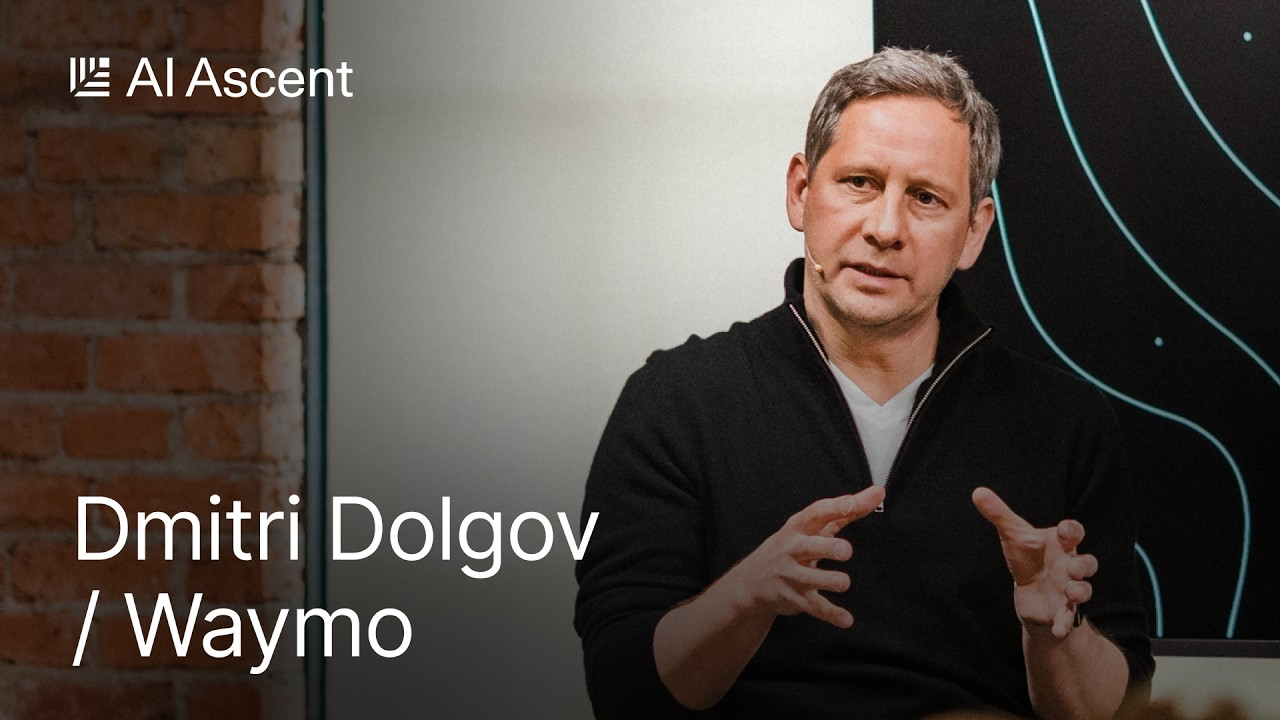
A 13x safety gap: the most restrained company in Silicon Valley is taking over the city’s night roads
Many people think AI’s endgame is to pile on compute at any cost and build ever more omnipotent end-to-end black-box models.
But Waymo co-founder Dmitri Dolgov argues that, even in today’s Silicon Valley, where brute force is celebrated, blind faith in pure end-to-end systems may be a death trap.
When every autonomous-driving company was either wiped out or left behind during the last capital winter, what was it that let this company, after 20 years on the bench, suddenly hit an astonishing exponential breakout in the past seven months?
A model that can see through buses
It all starts with a tiny, extremely unlikely event at an intersection in San Francisco.
A Waymo robotaxi was waiting at a red light. The light turned green and the car was ready to move, but the system suddenly slammed on the brakes. One second later, a pedestrian quickly stepped out from the bus blind spot in front of the car.
A human driver simply could not have seen that person in advance. Our eyes cannot see through a bus’s steel shell.
But Waymo did. Not because the AI had X-ray vision, but because its lidar signal bounced off the gap under the bus and caught an extremely faint reflection from the pedestrian’s moving feet.
In an instant, the AI not only detected the person hidden in the blind spot, but also accurately predicted the next second of motion and made a defensive stop.
That is the reality of autonomous driving today: what we need is not a helper that can score 90 points, but an absolute decision-maker with superhuman safety instincts in an extremely chaotic physical world.
The tech industry’s biggest illusion: the trap of the first 90%
Over the past few years, we have seen far too many AI boom-and-bust cycles.
Dmitri lays out the brutal logic behind them: autonomous driving, and most AI revolutions, share one fatal trait. They are incredibly easy to start, but unimaginably hard to finish.
Every breakthrough, from convolutional neural networks to Transformers to large language models, brings a surge forward. Capital floods in, dozens of companies clear the first 90% of scenarios with an extremely low barrier, drive around with no hands on the wheel, and think the revolution has already arrived.
But then they all die in the last 10% of long-tail scenarios.
Most people think a technical breakthrough can be monetized directly. In reality, what truly separates companies is absolute control over long-tail risk.
Waymo survived because it never looked for shortcuts from day one. In Silicon Valley’s “move fast and break things” culture, Dmitri and his team demonstrated another kind of restraint: do not treat human life as test data for land-grabbing.
Misread end-to-end: power without control is worthless
Today, everyone in AI is praising end-to-end systems: sensors in, steering wheel out, with the neural network figuring out everything in between.
But in Dmitri’s view, that only tells half the story. Pure end-to-end is a giant black box, and a black box means something that cannot be verified.
If you hand absolute steering power to a black box, you are really gambling with users’ lives. Waymo’s real moat is a complex ecosystem built around what it calls a multimodal world-action language model.
It has three roles: the driver, the simulator, and the critic.
Waymo does not blindly trust end-to-end systems. Instead, it forces structured intermediate representations into the end-to-end architecture.
In simple terms, they build clear rules and verification mechanisms into the AI black box, so the model is constantly reviewed by a critic inside a closed loop.
This is not just a technical difference. It is a difference in values: AI should not merely be a more efficient hacker. It must be an order keeper that can withstand scrutiny.
20 years on the bench, rewarded with 7 months of exponential gains
As it turns out, restraint is producing terrifying returns.
Dmitri shared numbers that are enough to make your skin crawl: Waymo spent eight years getting the public into robotaxis in just four cities; yet in the last few months, they opened four new cities on the same day, and now operate in 11 cities while eyeing London and Tokyo.
Waymo’s total number of rides has passed 20 million, and a full 10 million of those happened in just the past seven months. Every week, these cars with no steering wheels drive 4 million miles on city streets.
What is even scarier is the safety data: the crash rate that causes serious injury is only one thirteenth that of human drivers. Every week, because of Waymo, a serious bloody collision that should have happened on the road did not.
Who gets eliminated? Who gets repriced?
This 20-year technology marathon sounds an alarm for all of us swept into the AI wave.
We all want a disruptive AI tool that can generate articles, code, or video with one click and double our efficiency. But Waymo’s story tells us: in this era, the cheapest thing is generation, and the most expensive thing is verification and fallback.
The standards for organizations, products, and even individual value will be rewritten. If all you can offer is a raw result with 90% accuracy, you will be among the first to be pushed out by the system; if you can build rules and cover that final 10% of long-tail risk, you are the one who will control future power.
The real technological revolution has never been about machines looking cooler.
It is when machines learn how to brake, and the power hierarchy of human society quietly changes at that moment.
🖥️ Software
epheme
epheme is an open-source tool that argues for local execution and user ownership of software, pushing back against SaaS dependence with no tracking and no remote communication.

Burn After Reading
Burn After Reading is a personally built tool app that can destroy content automatically after reading, helping protect privacy and security.

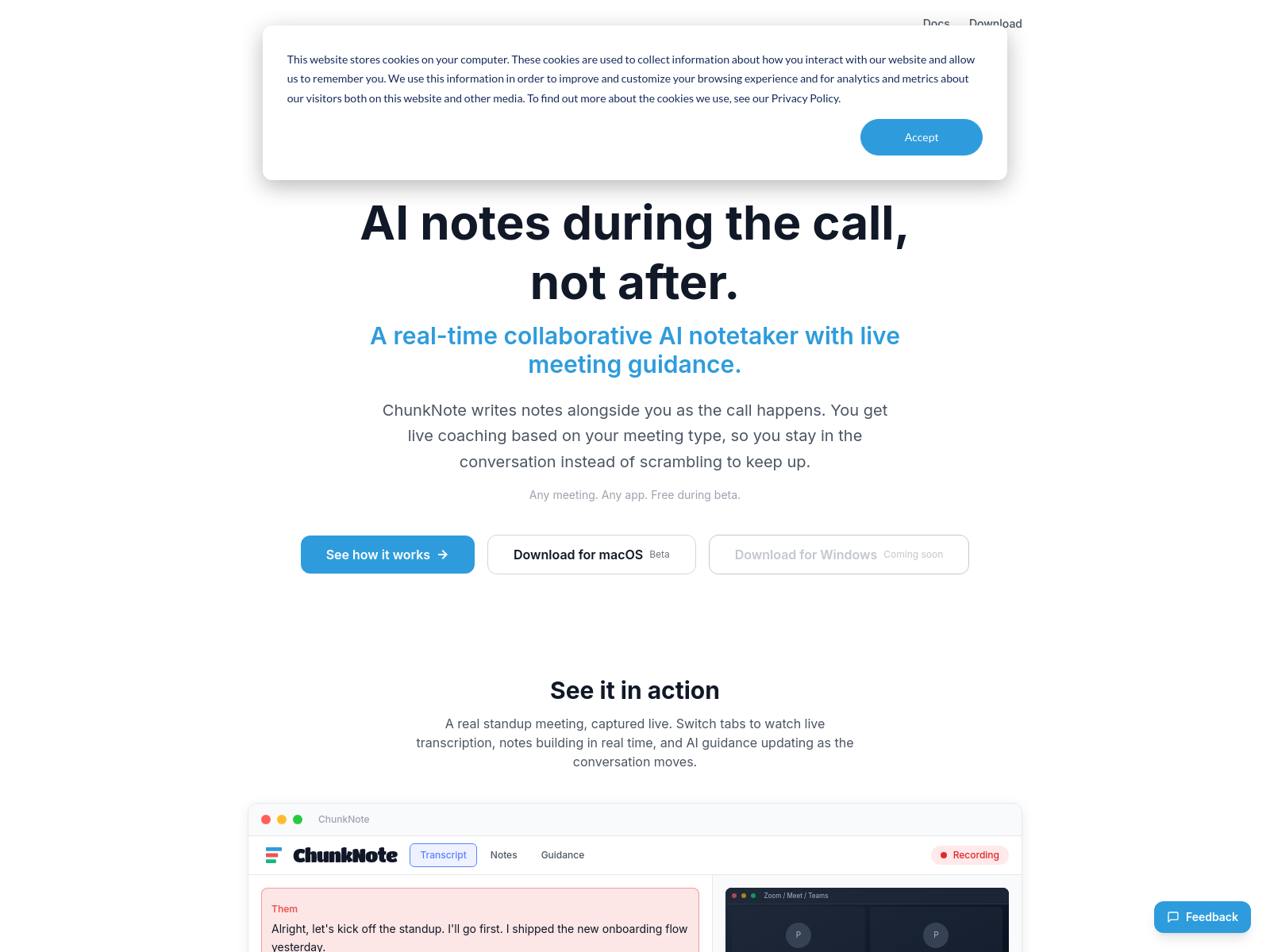
Chunknote
Chunknote is an AI note-taking tool with real-time collaboration, local speech transcription, and custom meeting guidance, designed for team meeting records and collaboration.
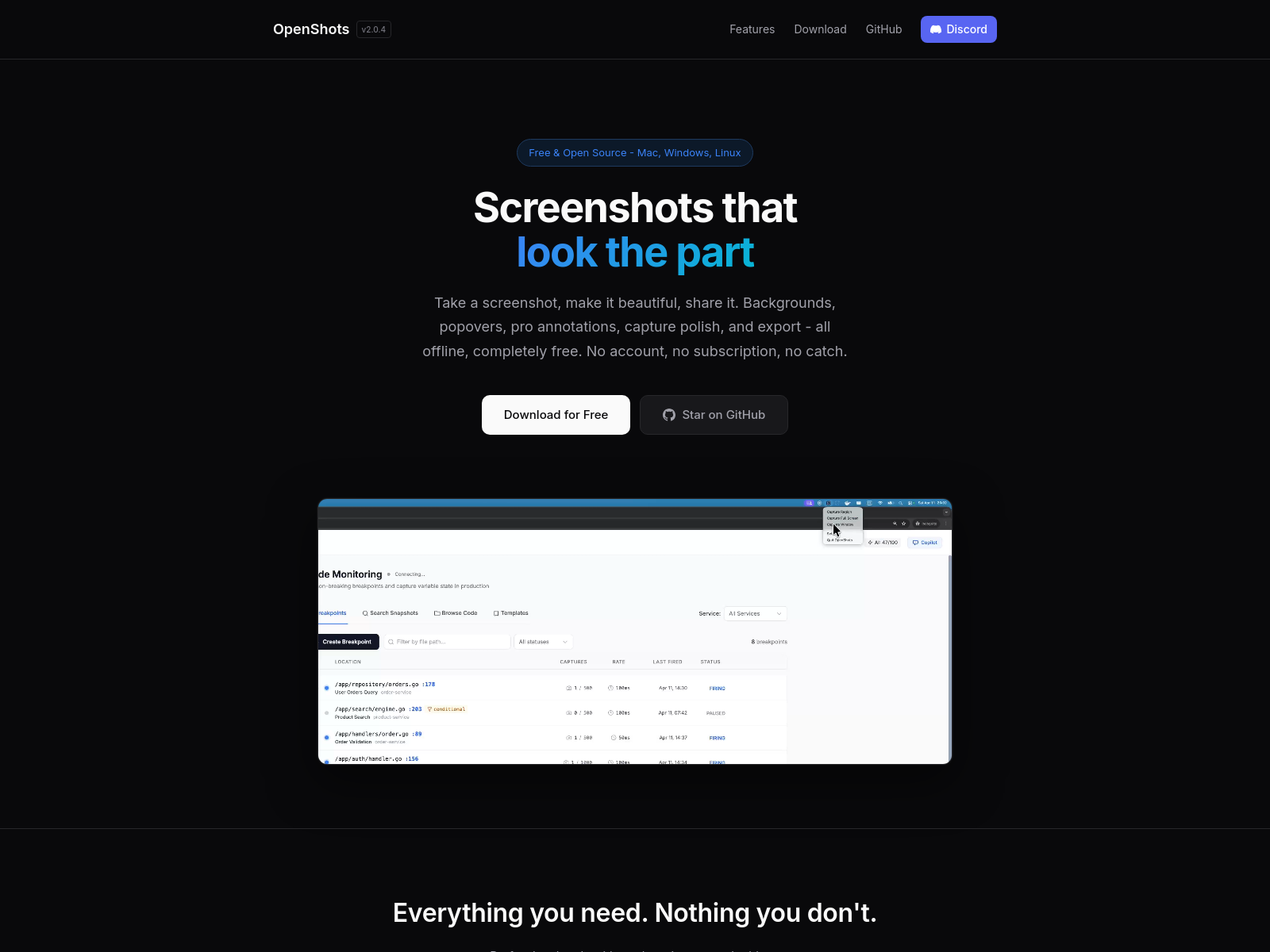
OpenShots
OpenShots is a free, cross-platform, open-source screenshot beautifier that supports backgrounds, annotations, and blur effects, and runs locally with no network requests.
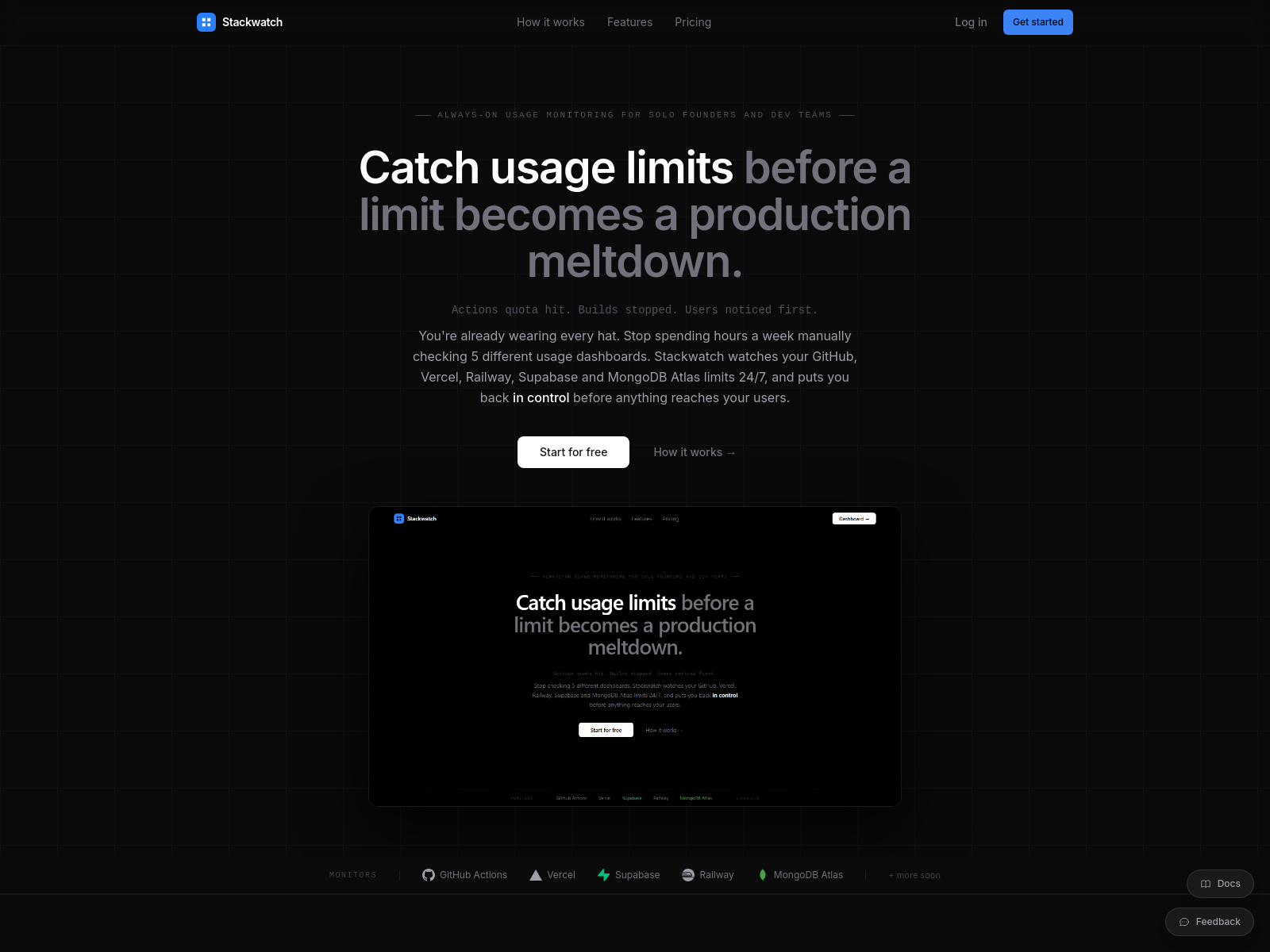
Stackwatch
Stackwatch is a cloud-spend monitoring tool built by an indie developer, letting users view costs across GitHub Actions, Vercel, and more in one place and get alerts for anomalies.
🎮 Games
Join My Table Games
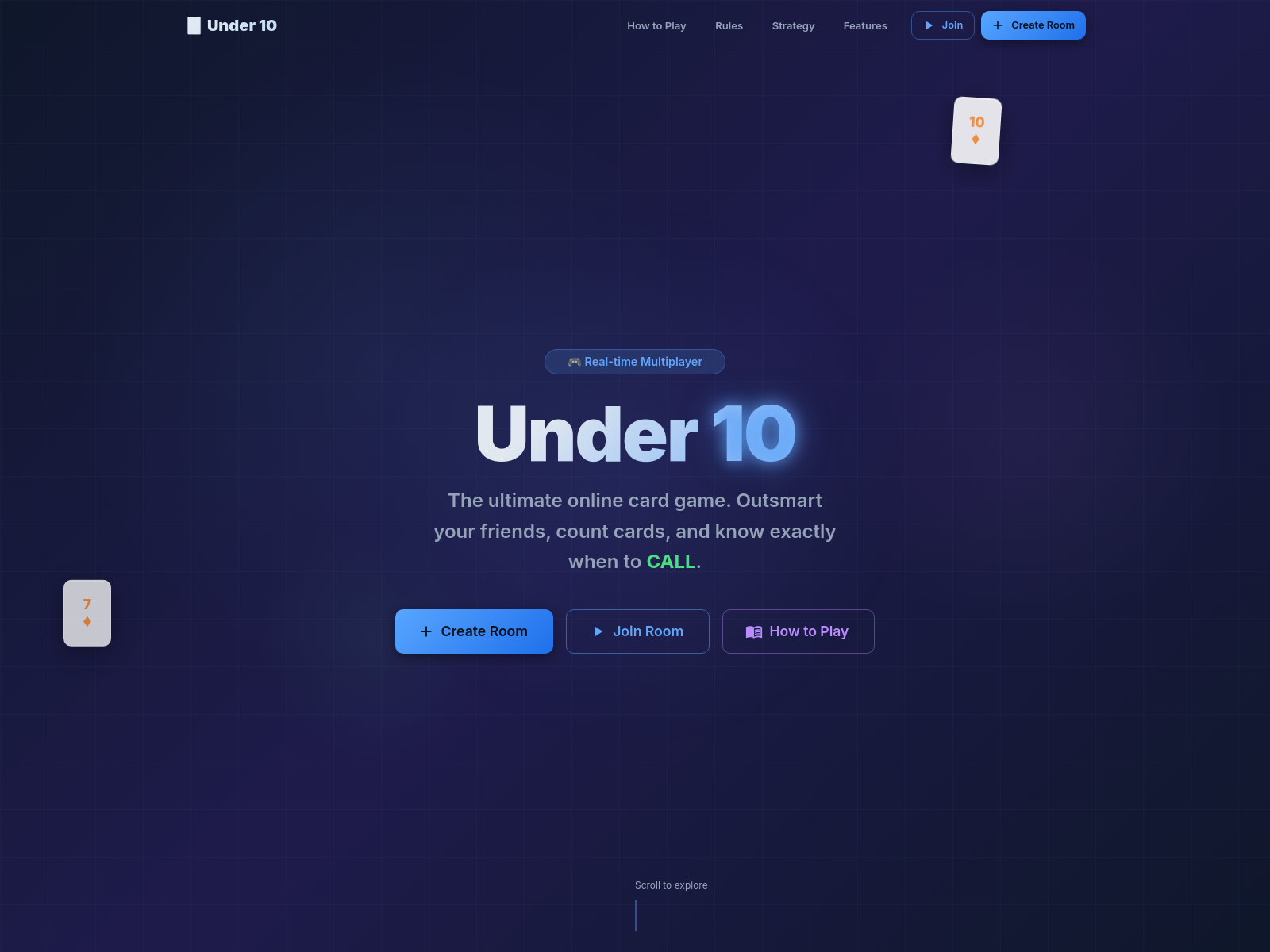
Join My Table Games is a browser-based multiplayer card game with no login required. It supports real-time play for 2 to 6 players, built-in voice chat, instant updates, and direct play on mobile.
Finger Frenzy
Finger Frenzy is a fingertip selection game based on reaction time, similar to Chwazi, and available only on iOS.

Sordit
Sordit is a daily timeline-ordering puzzle game where players must arrange seven events in the correct order within three tries, with a new puzzle unlocking every day.

Gears of Glory
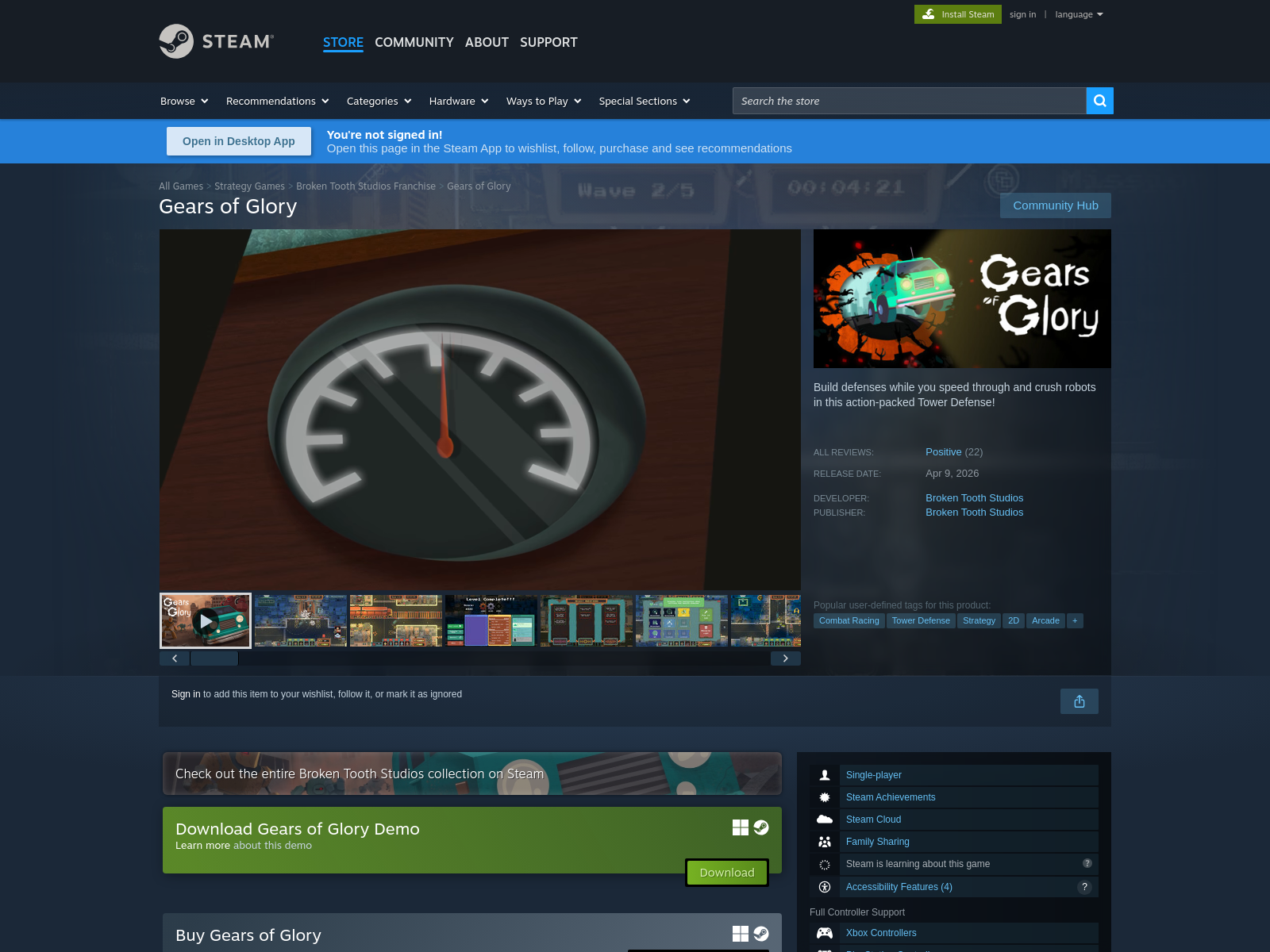
Gears of Glory is an indie game that combines driving and tower defense gameplay, built by the developer over two years and now live on Steam.
Acrophobia
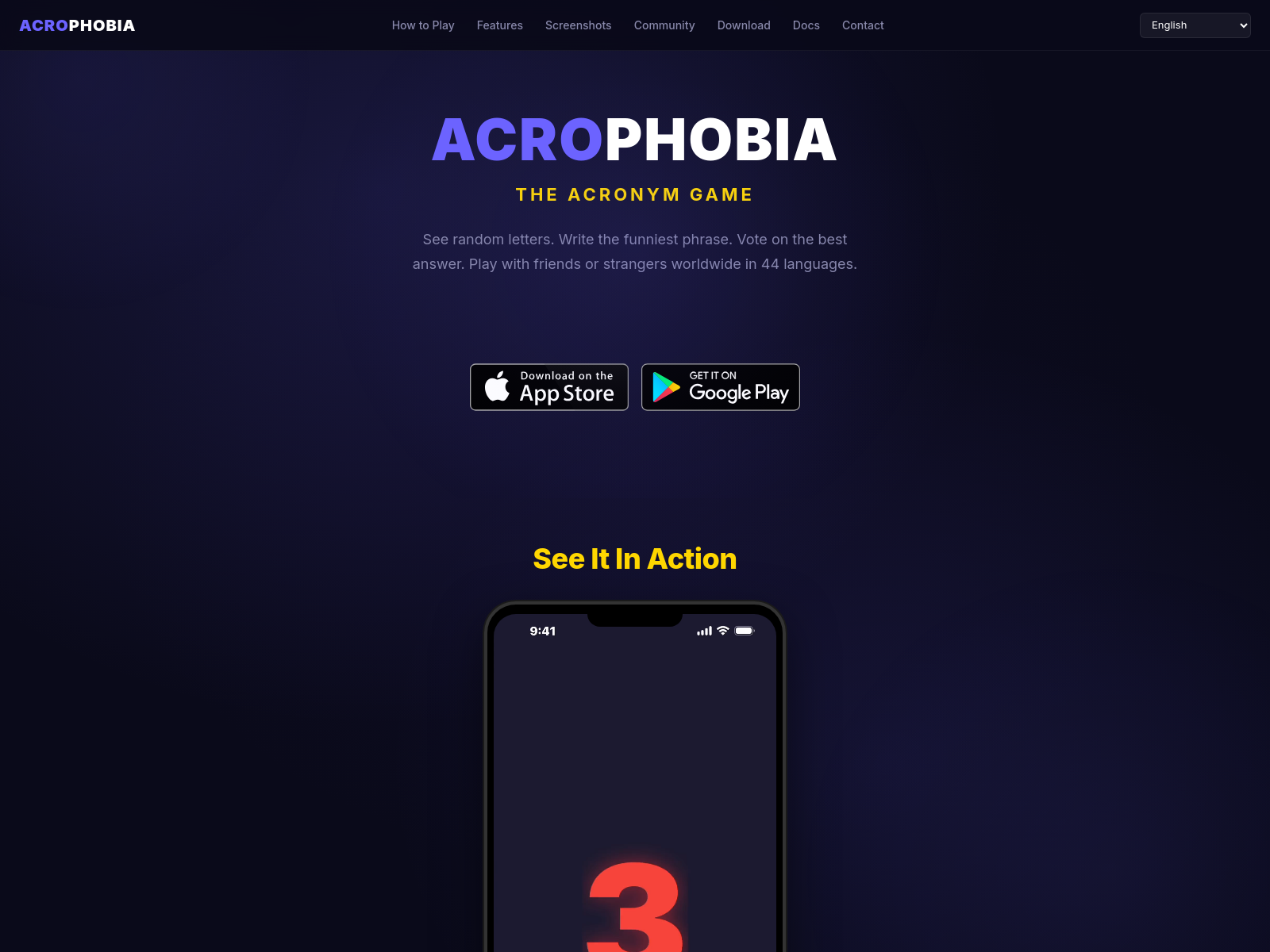
Acrophobia is a real-time multiplayer word game rebuilt from a 1990s AOL game, with AI opponents in 44 languages.
🌐 Websites
Peppermetrics
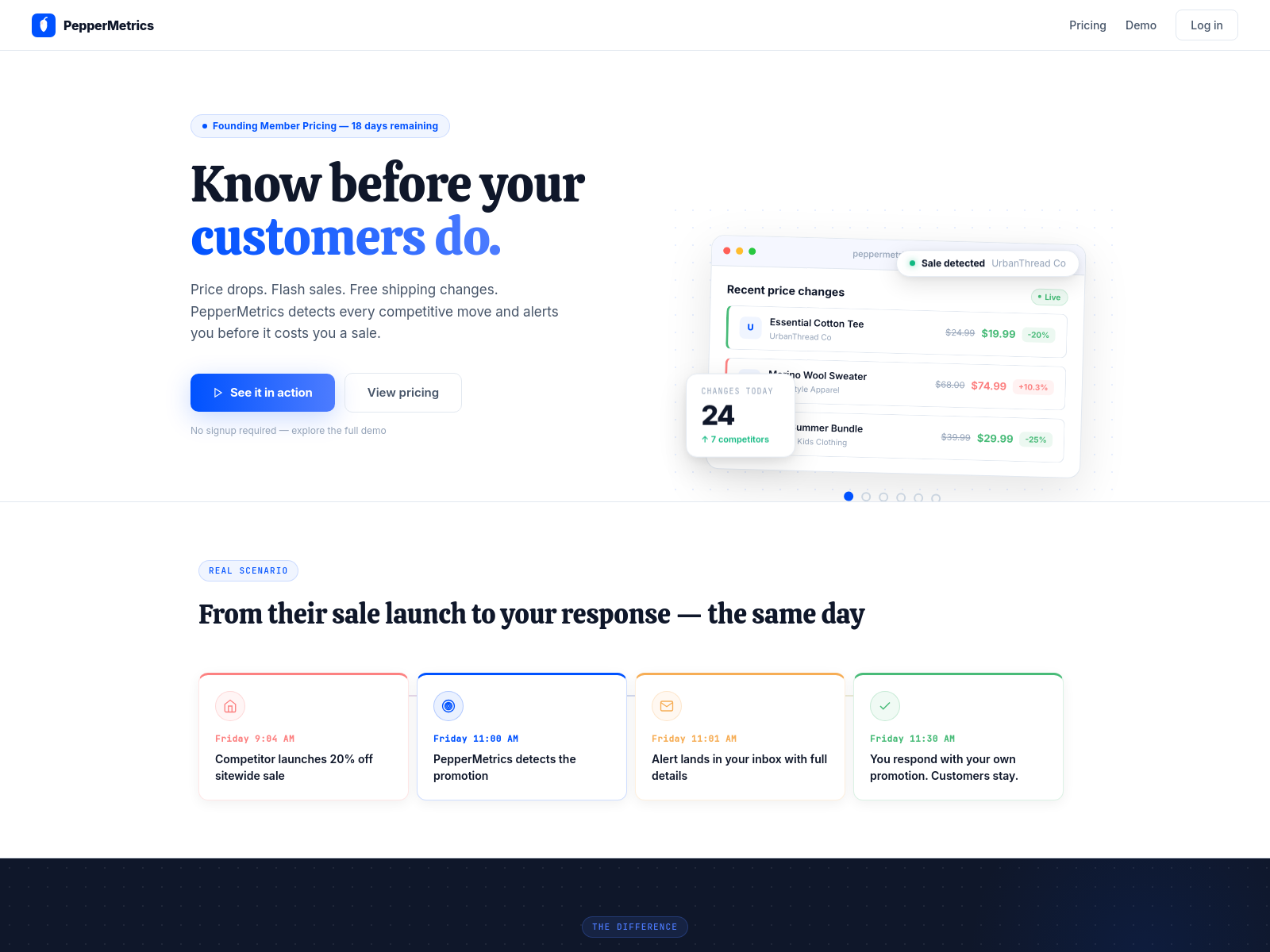
Peppermetrics is a pricing-monitoring site that lets users add stores for custom price tracking and includes updates to its site architecture and crawler configuration.
CIndex
CIndex is a Firebase-based members-only real-estate directory site that lets professionals register by city and claim limited slots.

hormuzopen
hormuzopen is a website that uses data visualization to reconstruct the historical look of the Strait of Hormuz, showing its geographic and cultural background as a global oil transit route.

Rankora
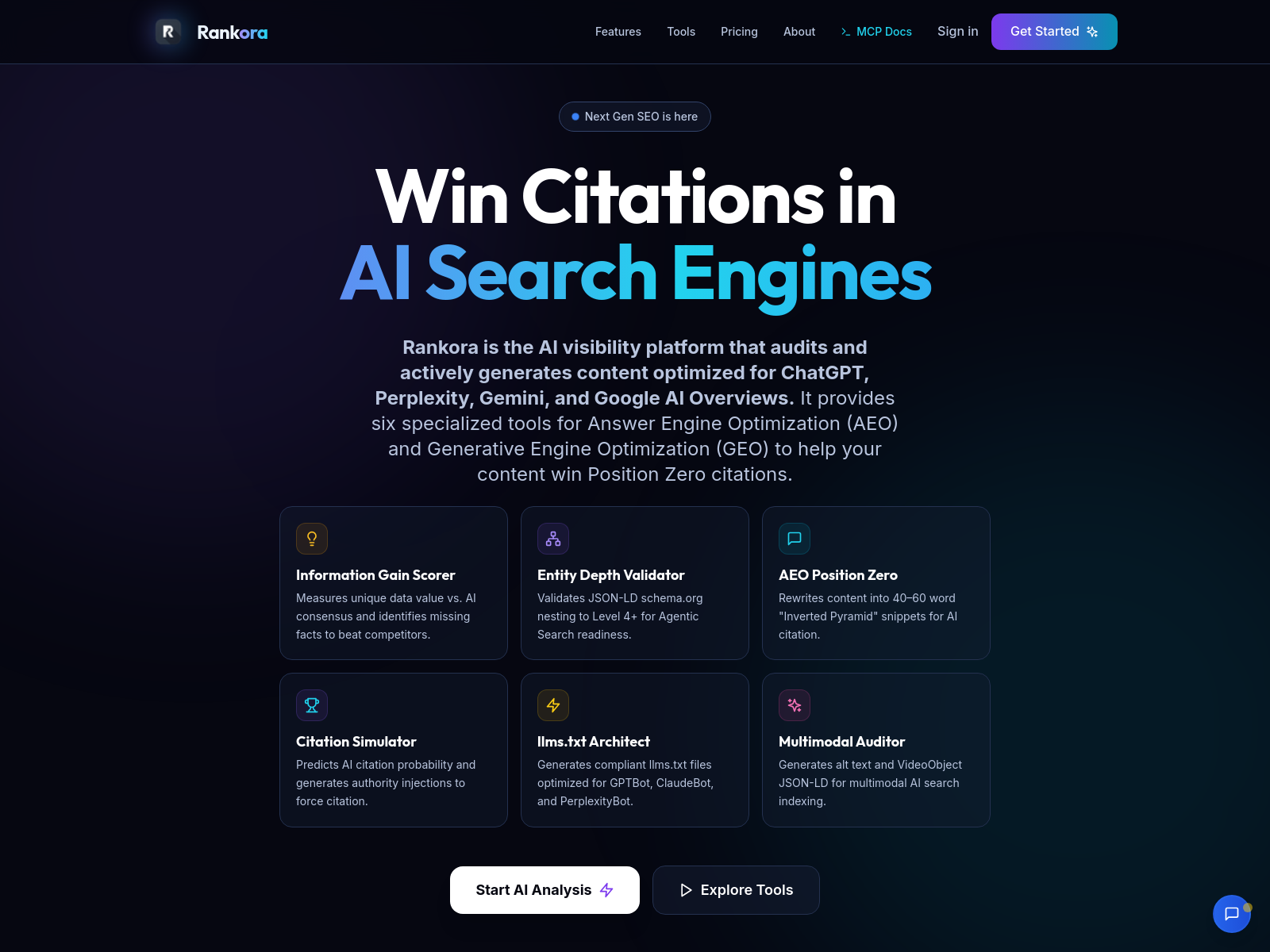
Rankora is an AI extraction engine that simulates how LLMs parse websites, supporting semantic HTML and JSON-LD analysis to solve SPA rendering issues.
PronoStats
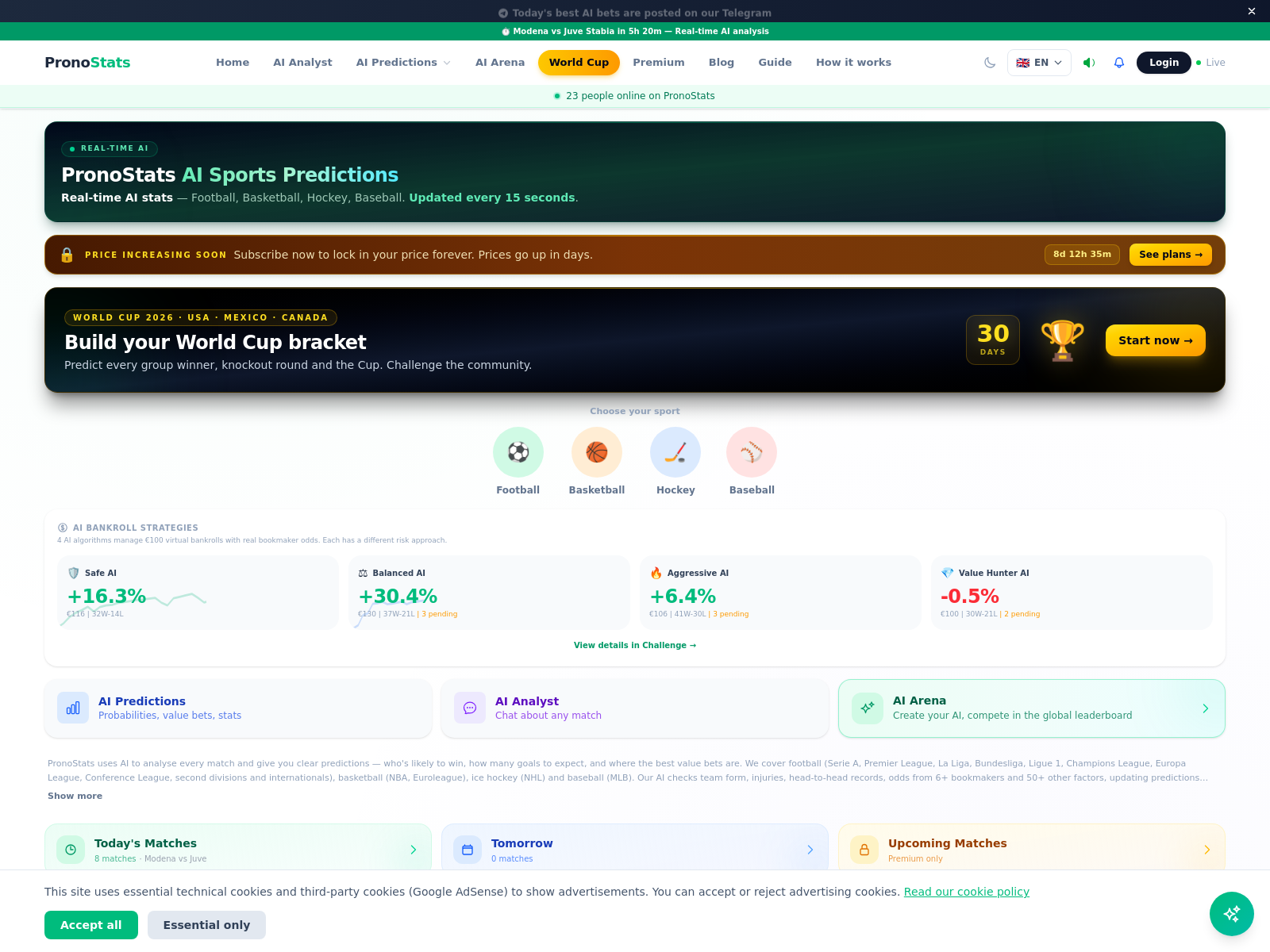
PronoStats is an AI prediction site for football and basketball with real-time chat, combining live data and dynamic analysis to create an interactive analyst-like experience.
dmcheck
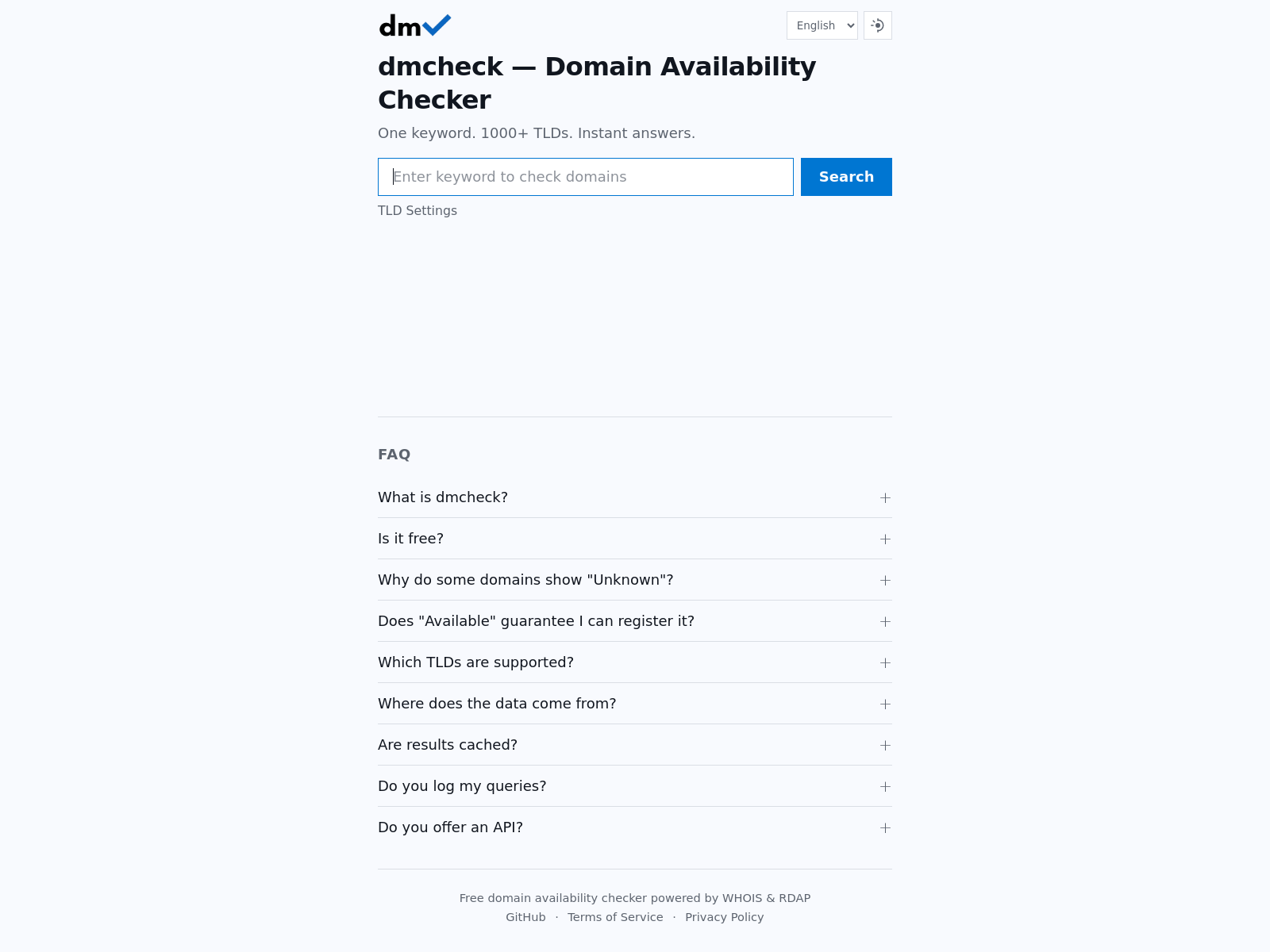
dmcheck is a tool that can batch-check registration status across 1,000+ domain extensions in real time, making it useful for domain screening and registration research.
✍️ Notes
Daily project information:
Website: https://www.nomoyu.com/
RSS: https://www.nomoyu.com/rss/rss.xml
WeChat Official Account: 明航的AI副业
Feel free to connect and exchange ideas
See the website for all links.