2026-04-06. Nomoyu Daily for Indie Developers (Issue 324)
📰 News
Can $10 million take you asteroid mining? Tech revolutions are not necessarily a solo show for giants
Do you think asteroid mining and hundred-billion-parameter large models are games reserved for giants like NASA and OpenAI?
Not necessarily.
Now, $10 million can launch a spacecraft to an asteroid to mine platinum. Ordinary people’s idle GPUs can participate in training a 72-billion-parameter large model. A startup even built a top-tier large model benchmarked against GPT-4 with less than $6 million.
A startup called Astroforge is turning science fiction into a business that could land as early as 2024.
Its next deep-space spacecraft, including launch and R&D, costs only $10.4 million in total. Its target is an asteroid 10 million kilometers away.
Using laser mining and magnetic separation for platinum-group metals, a single mission could bring back minerals worth up to $105 million.
It does not want to build one wildly expensive spacecraft. It wants hundreds or thousands of low-cost mass-produced spacecraft, moving the most environmentally destructive mining on Earth into space.
The threshold for space is being smashed, and AI monopolies are being pierced from two directions at once.
The Templar project based on the Tao network uses decentralized incentives to let hundreds of miners around the world collaboratively train a 72-billion-parameter large model with their own GPUs, at a total cost of only $2 million to $3 million.
Training a model of the same class would usually cost tech giants hundreds of millions of dollars.
It does not require you to own top-tier H100s. Even an idle old GPU or a home gaming PC can earn incentives as long as it can complete training tasks.
When OpenAI and Google used hundreds of millions of dollars in training costs and tens of thousands of top GPUs to build GPT-series models, labeling large models as something “only giants can afford,” DeepSeek used $5.57 million in training costs to create DeepSeek-V3, a model with performance benchmarked against GPT-4, at only one-twentieth of the cost.
The computing monopoly that giants spent a decade building was punched through by this startup’s algorithmic innovation.
If the first three cases pierced the “supply-side monopoly” of technology, then the open-source tool Open Oats has completely democratized the “right to use” AI.
One developer, in a single day, used AI assistance to write Swift code he did not understand at all and built an open-source real-time meeting AI assistant. It reached 1,000 GitHub stars overnight and directly challenged commercial products in the same category.
He even used AI to build an automatic maintenance bot that handles user requests 24 hours a day, leaving him almost nothing to manage.
The technology revolutions that truly change the world are not necessarily all created by giants throwing money at them.
While giants guard their moats, calculate input-output ratios, and think about how to preserve monopoly profits, a group of founders is using extreme cost innovation to bring science fiction to earth and break through barriers.
The ultimate progress of technology has always been turning wildly expensive luxuries into everyday products ordinary people can reach.
And the founders who dare to imagine, dare to build, and dare to turn science fiction into reality are the true technology protagonists of this era.
After all, when everyone thinks “only giants can do this,” someone always stands up and says: let me try, and I can make it cheaper, more open, and cooler.

🖥️ Software
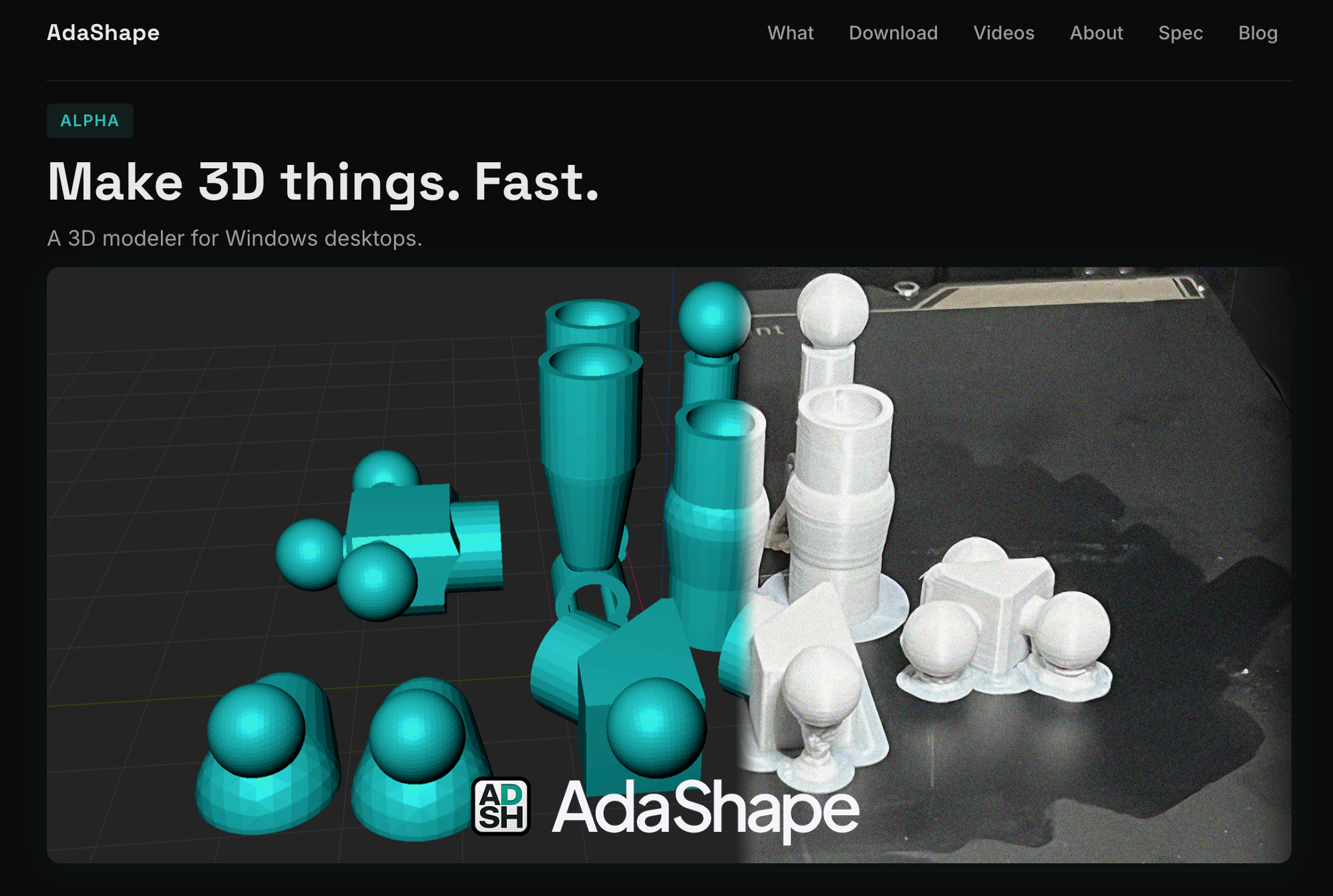
Adashape
Adashape is a lightweight Windows desktop modeler for 3D printing enthusiasts, focused on easy geometric modeling and STL remixing.
LiteStream
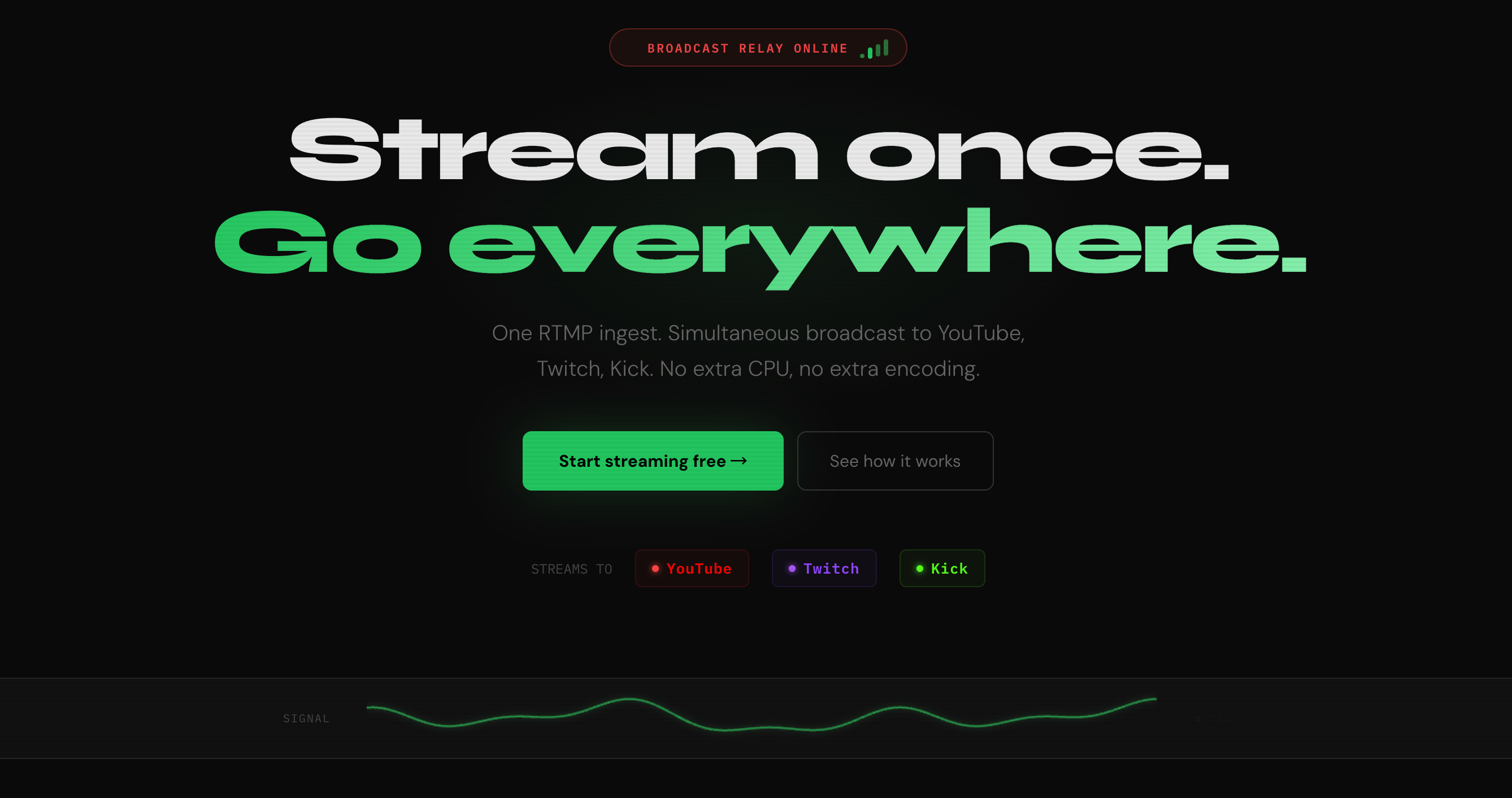
LiteStream is a lightweight RTMP relay tool that can forward OBS streams to multiple platforms without transcoding.
SheetPortal
SheetPortal is a Google Sheets add-on that replaces IMPORTRANGE for easier client sharing, offering sidebar and portal interfaces.

MyRepsCount
MyRepsCount is a free mobile fitness app that uses the camera to recognize and count 16 types of movements in real time. It supports multiple training modes and a Focus feature that blocks social apps until the workout is completed.

🎮 Games
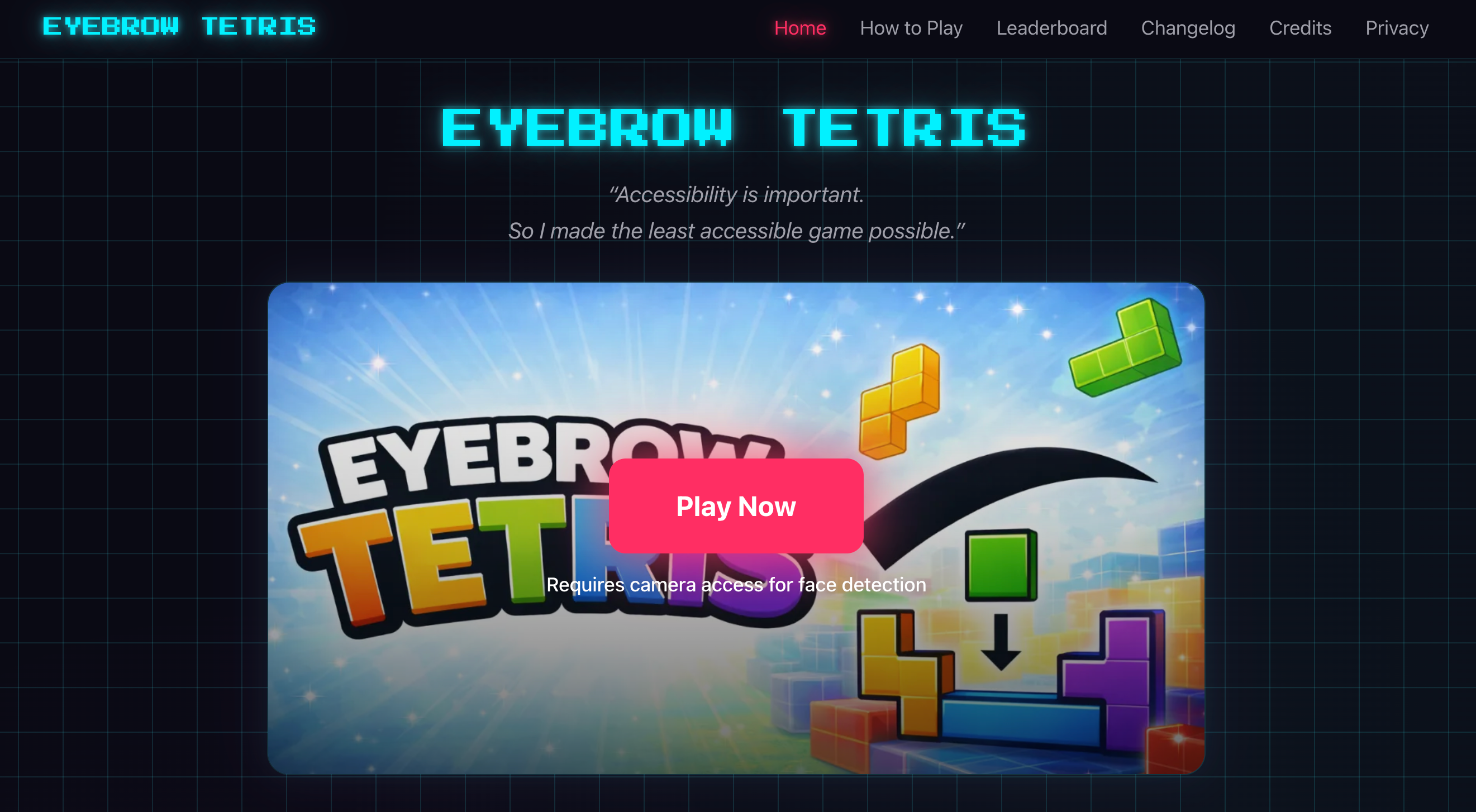
Eyebrow Tetris
Eyebrow Tetris is a web game that controls Tetris by tracking eyebrow and mouth movements through the webcam, playable online without extra hardware.
🌐 Websites
Renmory
Renmory is an online quiz web app for weddings, similar to Kahoot, with Chinese interaction support.

OpenLoom
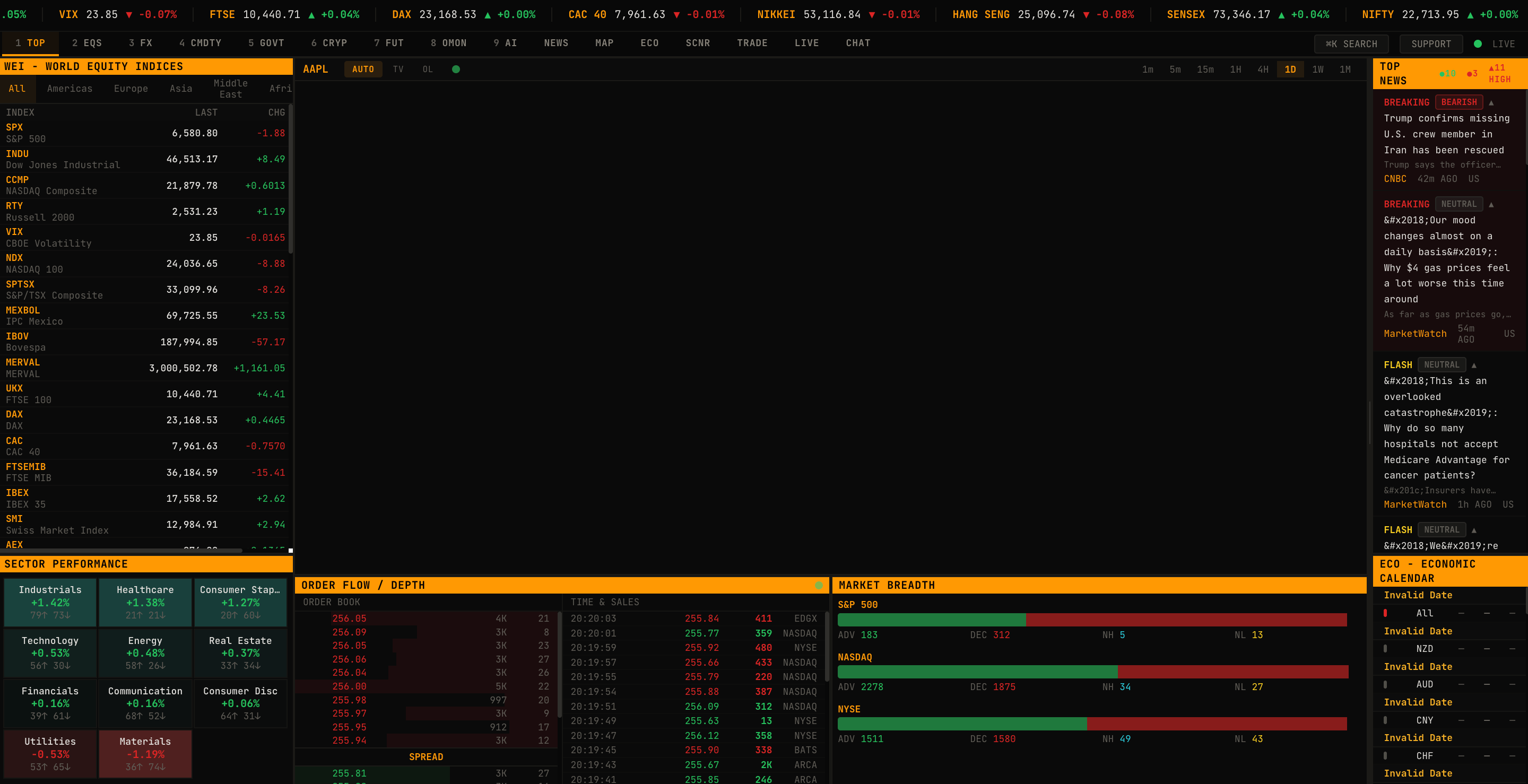
OpenLoom is a free, open-source, browser-based Bloomberg-style financial terminal that supports paper trading and backtesting across multiple asset classes, with no ads.
SitePrivacyScore
SitePrivacyScore is a tool website focused on gaining traffic through programmatic SEO, providing a single-function service.

sortwedpics
sortwedpics is a wedding photo sharing website based on facial recognition, automatically generating personal albums for guests and supporting sharing.

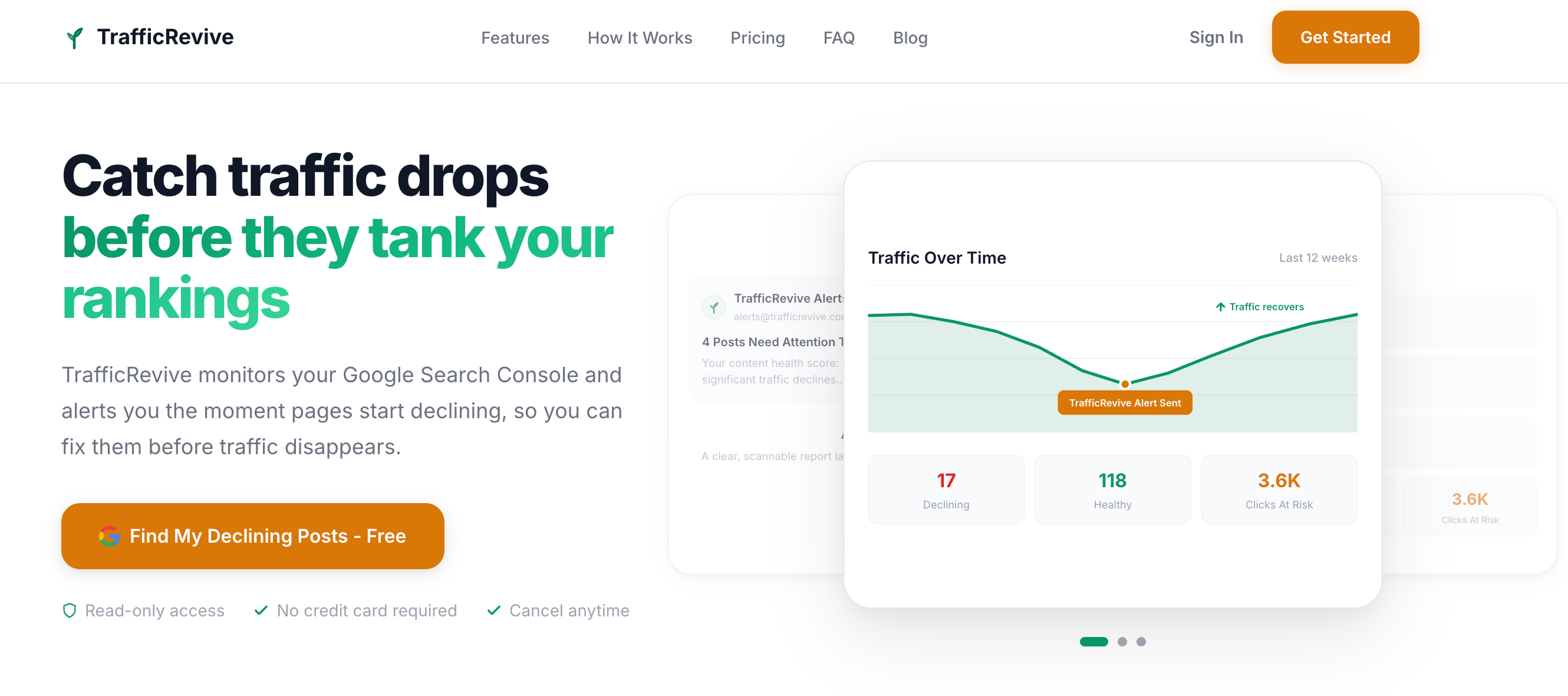
TrafficRevive
TrafficRevive is an SEO tool connected to Google Search Console that compares traffic data, detects declining pages, and sends email alerts.
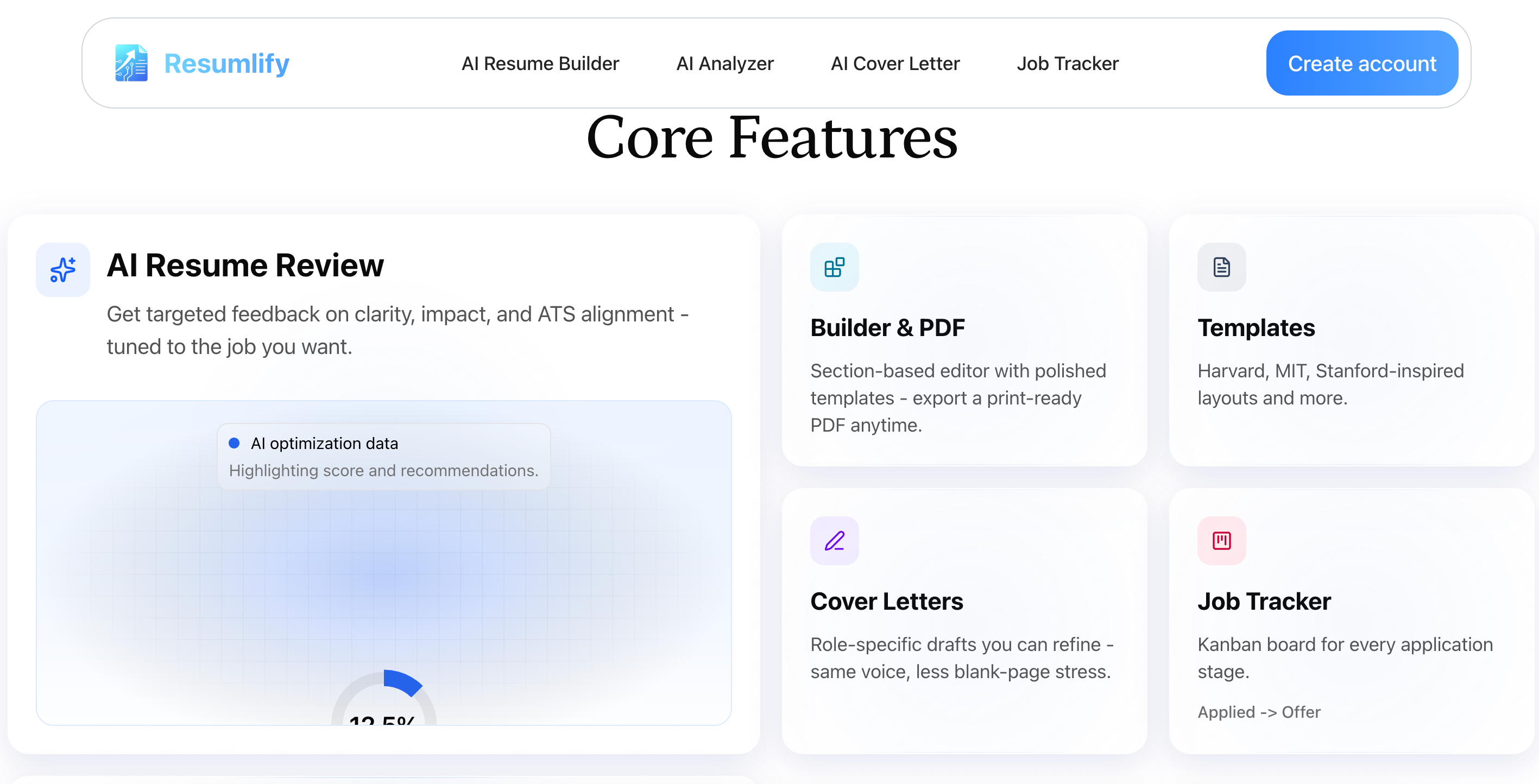
Resumlify
Resumlify is an AI-powered job search tool that helps students generate tailored resumes and cover letters, with an application tracker.
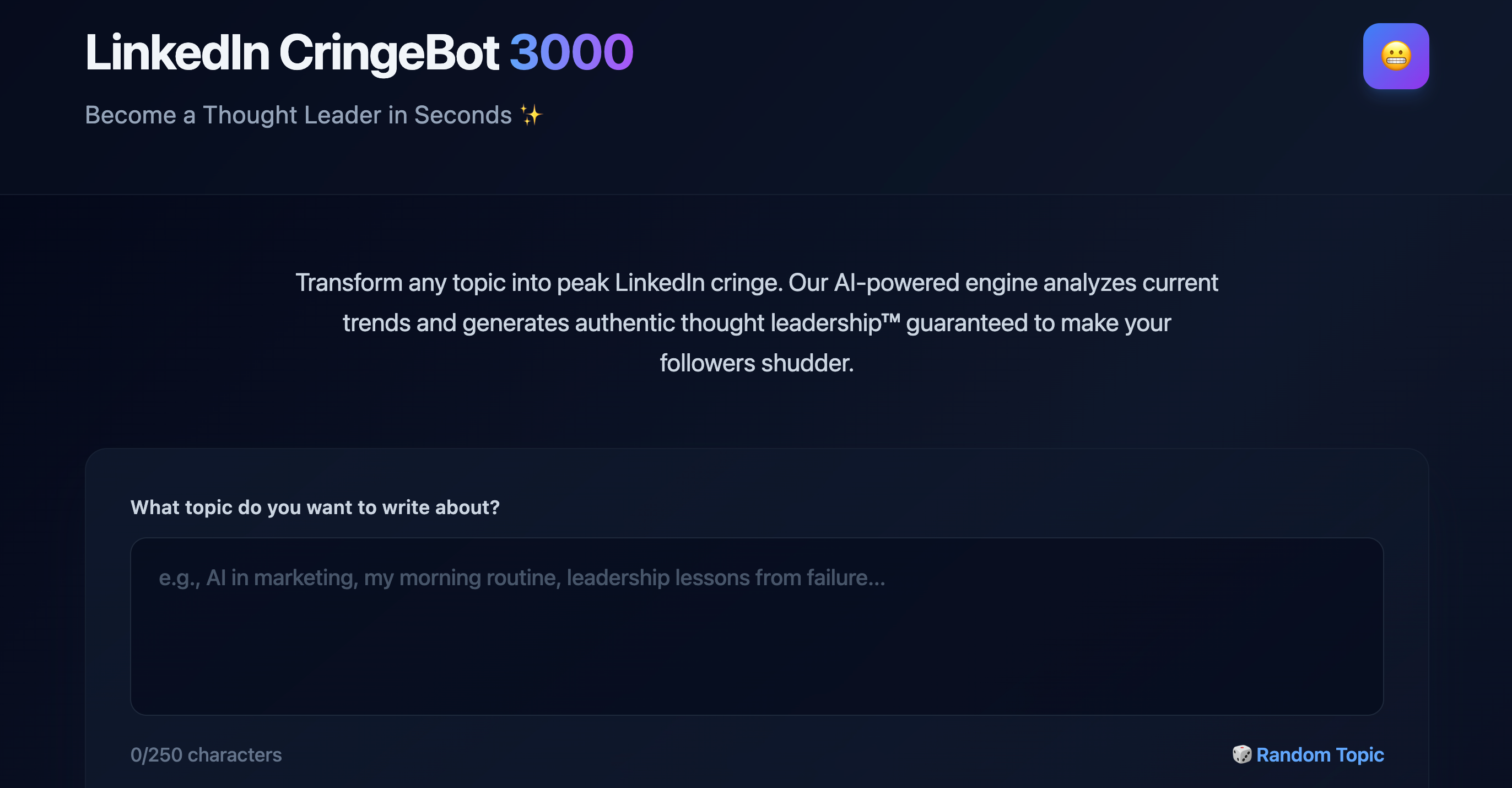
LinkedIn CringeBot 3000
LinkedIn CringeBot 3000 is a playful Claude-based tool that generates exaggerated and awkward AI-leader-style LinkedIn posts, free with no registration.
✍️ Notes
Daily project information:
Website: https://www.nomoyu.com/
RSS: https://www.nomoyu.com/rss/rss.xml
WeChat Official Account: 明航的AI副业
Feel free to connect and exchange ideas