2026-05-02. Nomoyu Daily for Indie Developers (Issue 350)
📰 News
Behind 1.3GW of compute, what else does AI still lack?
In the AI circle over the past two years, the most dangerous illusion has not been that models are not powerful enough. It is that everyone thinks stronger models are the whole answer.
Wrong. What increasingly determines the outcome is not who can stack more parameters, but who can connect compute, data, feedback, and standards into one network.
The first half of AI is about models. The second half is about order.
In a field like code, which has already been repeatedly validated, the marginal gains from models have indeed started to slow. But in materials, physics, scientific discovery, and other directions that have not yet been fully mined, compute is not a cost. It is the engine.
You will find that the truly frontier companies increasingly look more like laboratories than software companies: models read papers, robots perform synthesis, X-ray diffraction equipment validates results, and the results flow back into training. Models are not only able to talk; they are beginning to participate in discovery.
What is scarcer is not public internet data, but real-world data locked inside laboratories, factories, and supply chains. Whoever can connect robots, sensors, experimental equipment, and models into a closed loop can turn context into capability. Context is important, but context is not the moat. Feedback is.
The problem is that today’s compute is not standardized like electricity. It is more like a pile of incompatible generators: different chips, different interfaces, different security boundaries, unable to flow smoothly between one another.
The result is not that there is no compute, but that a large amount of compute is locked up, idle, and wasted. What you think you are seeing is an AI capability bubble. In reality, it looks more like a GPU waste bubble.
More practically, compute is not purely a business problem. Many times it is a system design problem. It is not that there is no money. What is truly missing are people who can package equity, debt, land, power, and data centers into a system that can actually run.
For some governments, large enterprises, and critical industries, data cannot casually leave the country, and models cannot casually be hosted elsewhere. So whoever can provide local, controllable, and compliant compute will win the most important orders in the next round.
So what grows in the future will often not be pure model companies, but frontier system companies. The model is only the entrance; the real barrier lies in the closed loop. Whether there are real scenarios, continuous feedback, and the ability to feed deployment results back into the training process is what determines a company’s ceiling.
The easiest people to make mistakes today are not ordinary people, but those who only know how to read market maps. PPT slides divide companies into model layer, application layer, and infrastructure layer, while reality keeps collapsing the boundaries. Anyone still staring rigidly at labels will miss the real moat.
The truly hard part of AI is often not AI alignment, but human alignment.
Technologists want speed, governments want safety, capital wants returns, and enterprises want efficiency. Everyone talks about innovation, but in practice everyone is guarding their own boundaries. As a result, standards are slow to emerge, protocols are slow to land, and compute is slow to be coordinated like a power grid.
What we really should do is define things clearly, like RFCs, instead of letting marketing terms replace standards. The problem has never only been how machines align. It is whether humans are willing to align first.
So the most important thing for this generation of young people to learn is not how to chase the latest leaderboard, but how to understand the whole stack: where data comes from, how feedback returns, how compute is scheduled, how standards are set, and how products land. Real opportunities are never on the noisy surface. They are in the lower layers nobody wants to chew through.
AI is not a pure model race. It is more like a reconstruction of order. Whoever builds that order first is not merely participating in the future. They are defining it.

🖥️ Software
Gemma Match
Gemma Match is an AI tool that can automatically detect a device and recommend suitable models and quantization options. It supports generating run commands for Ollama, llama.cpp, and Transformers.

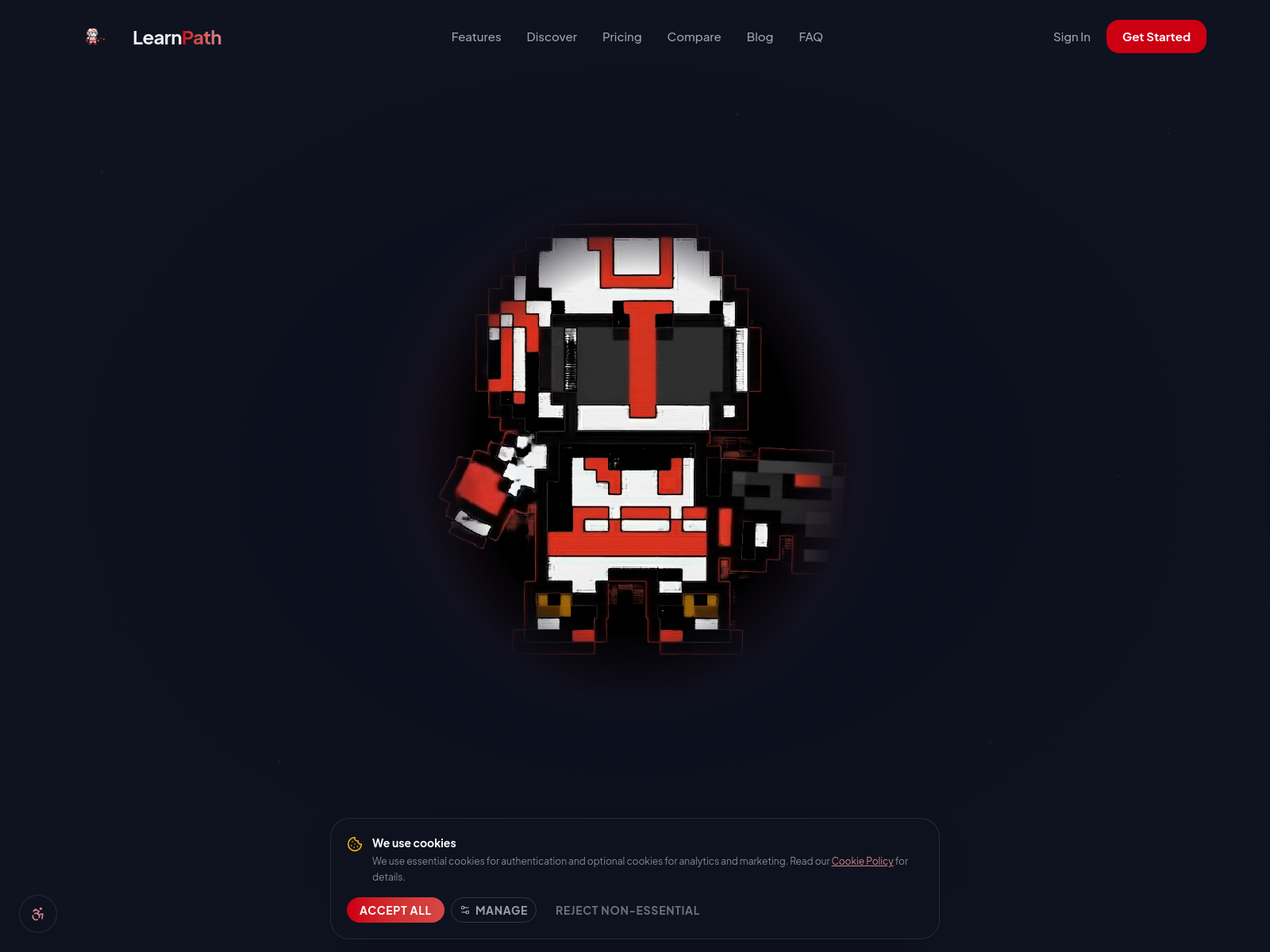
LearnPath
LearnPath is a tool that turns YouTube videos into structured learning courses, with support for AI-generated quizzes and adaptive learning paths.
VinXle
VinXle is a lightweight browser-based image editing tool with support for 50+ filters and animation effects. All processing is completed locally, with no login or file upload required.

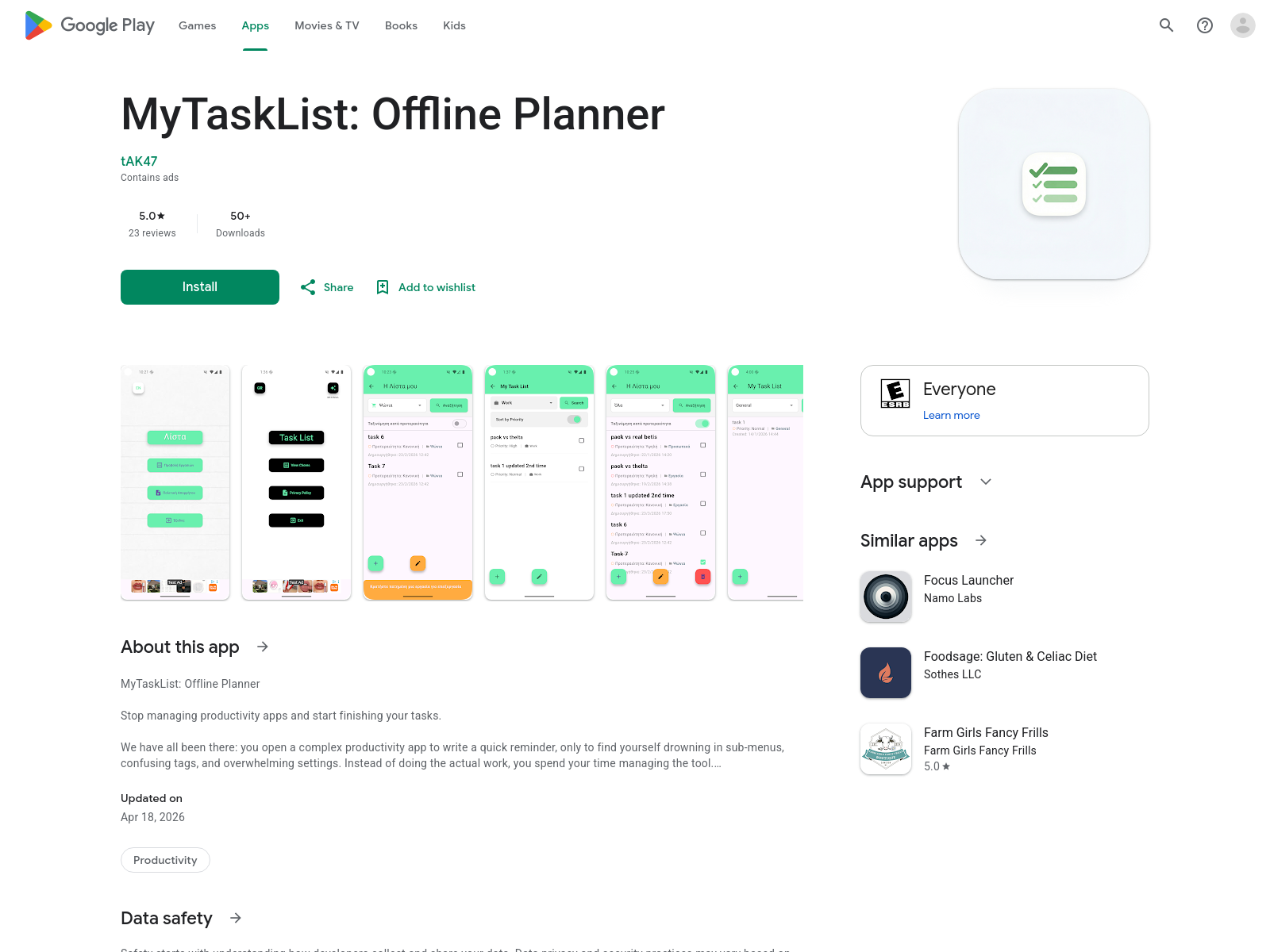
MyTaskList
MyTaskList is a minimalist to-do app that supports long-press editing and interface refinements to improve the user experience.
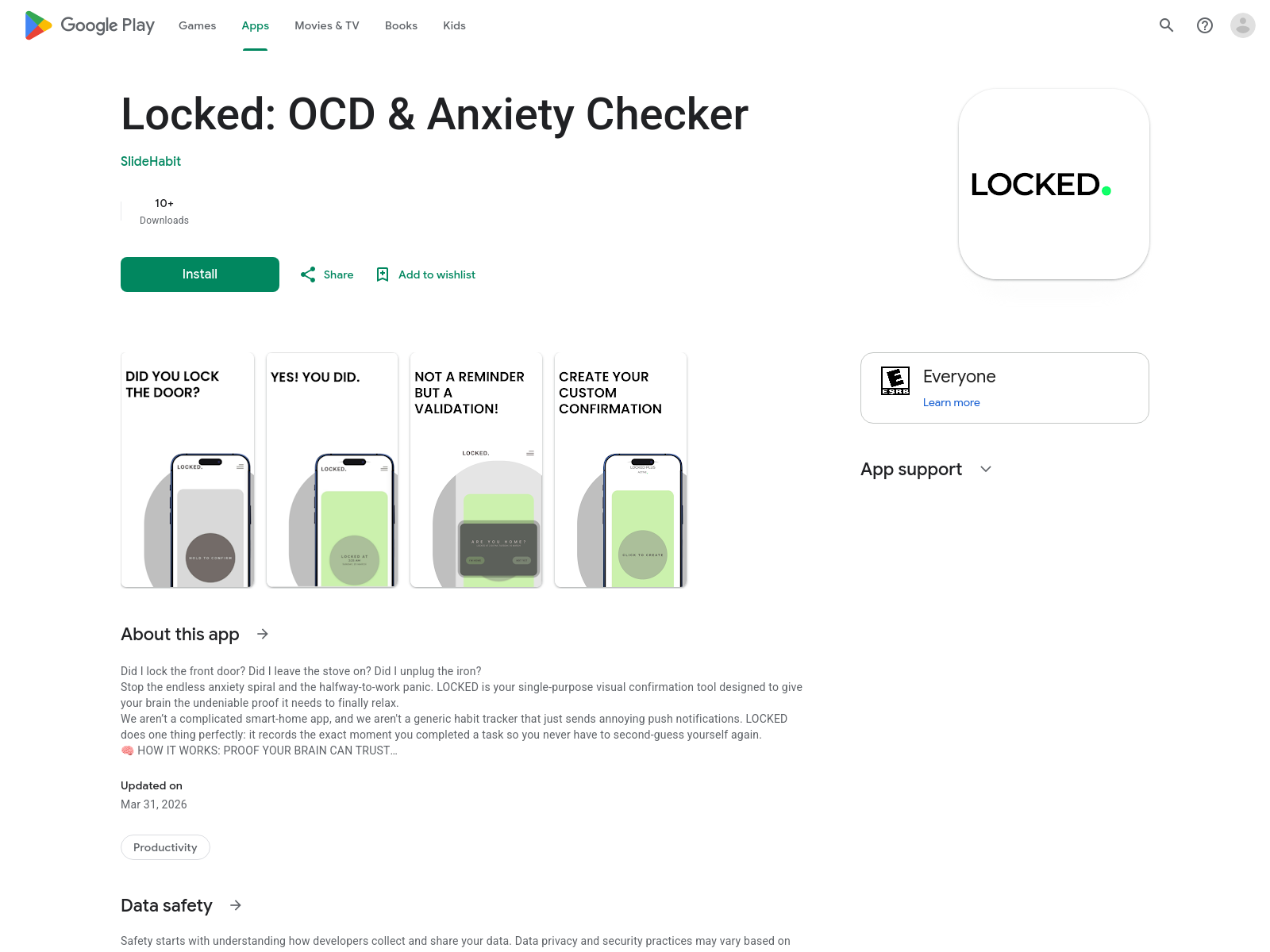
Locked
Locked is a free app that helps users record when they complete tasks, easing the anxiety of repeatedly checking whether something was done.
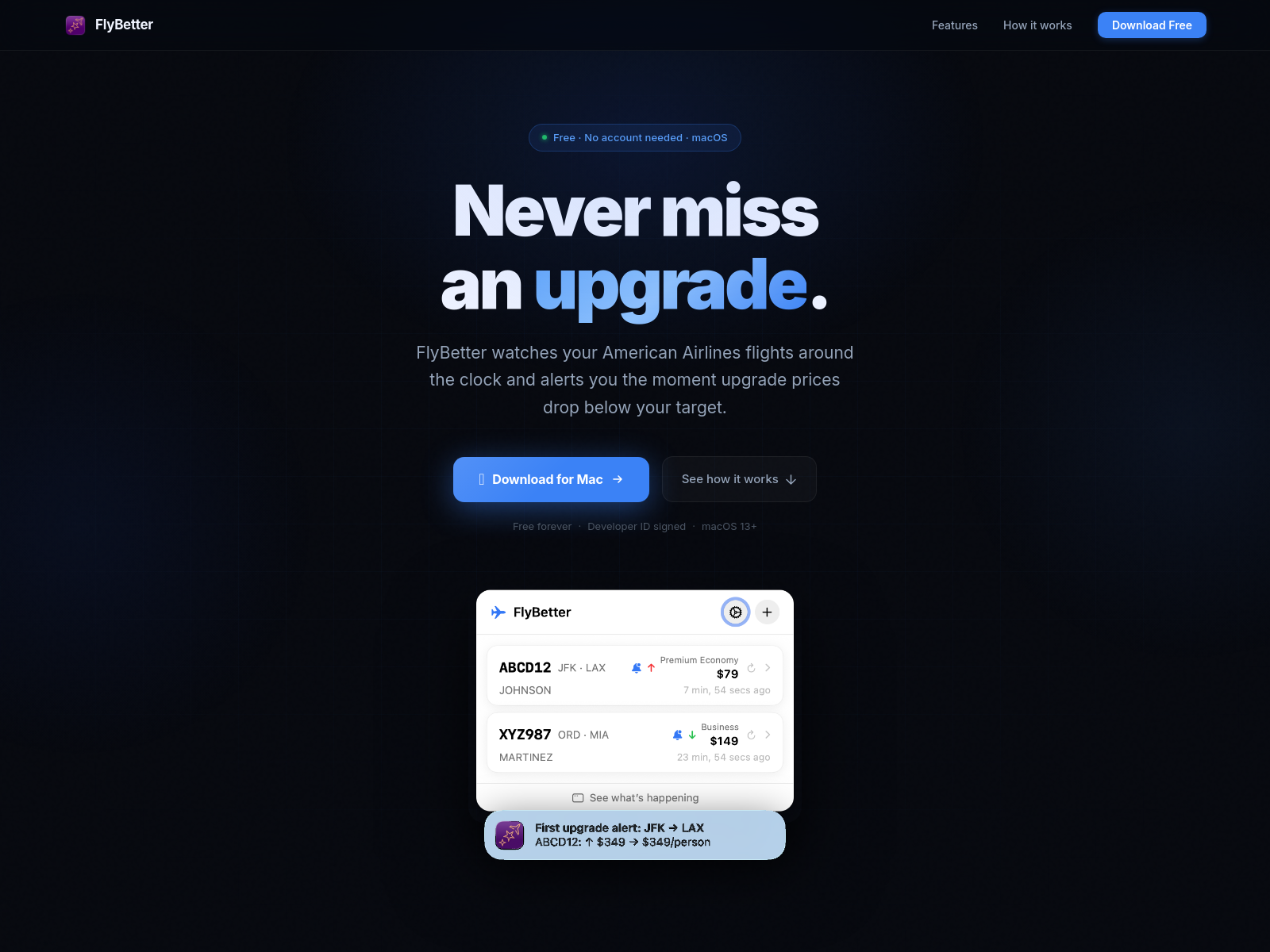
FlyBetter
FlyBetter is a macOS app for tracking American Airlines upgrade prices. It stores booking information locally to keep data secure and private.
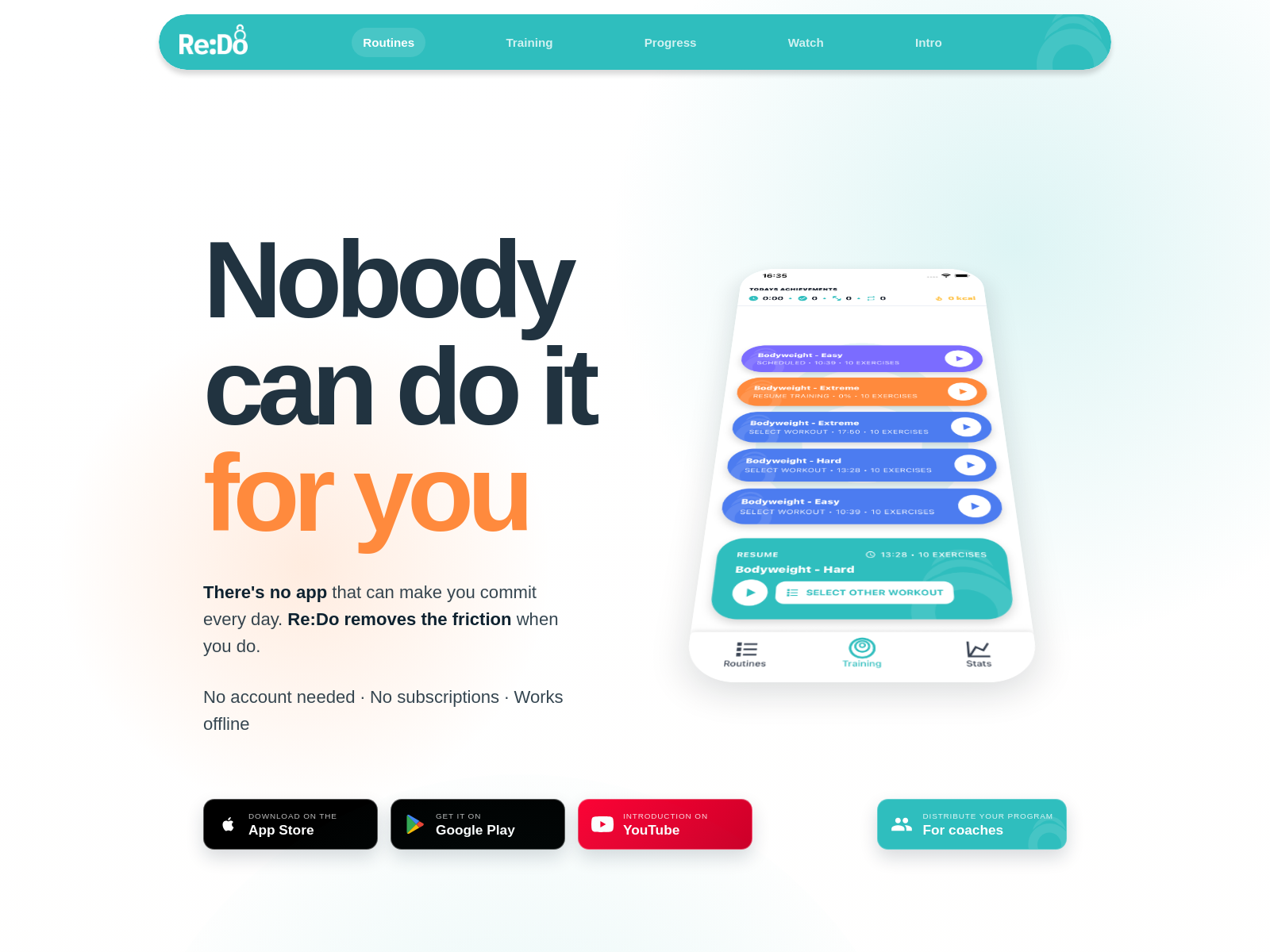
RedoWorkouts
RedoWorkouts is a minimalist fitness app that supports creating workout plans, running timed sessions, recording exercises, and viewing progress, with no ads, no accounts, and no motivational pressure.
Popshot
Popshot is a free tool that converts screenshots into social-media-ready visuals with one click, supporting automatic resizing and visual styles.

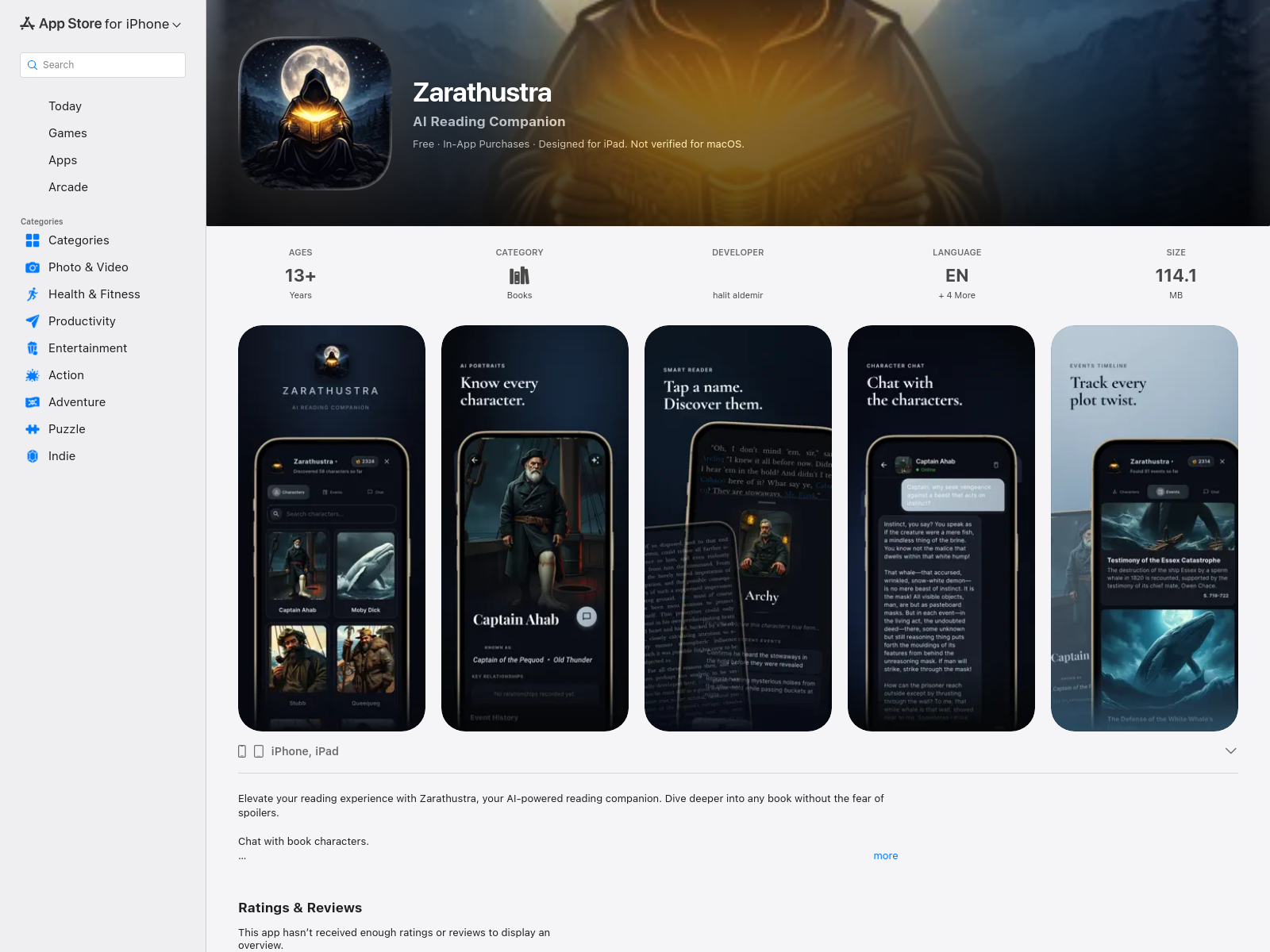
Zarathustra
Zarathustra is an AI-based EPUB reader that supports character tracking, contextual conversations, and event timeline generation, helping readers remember the plots and characters in complex novels.
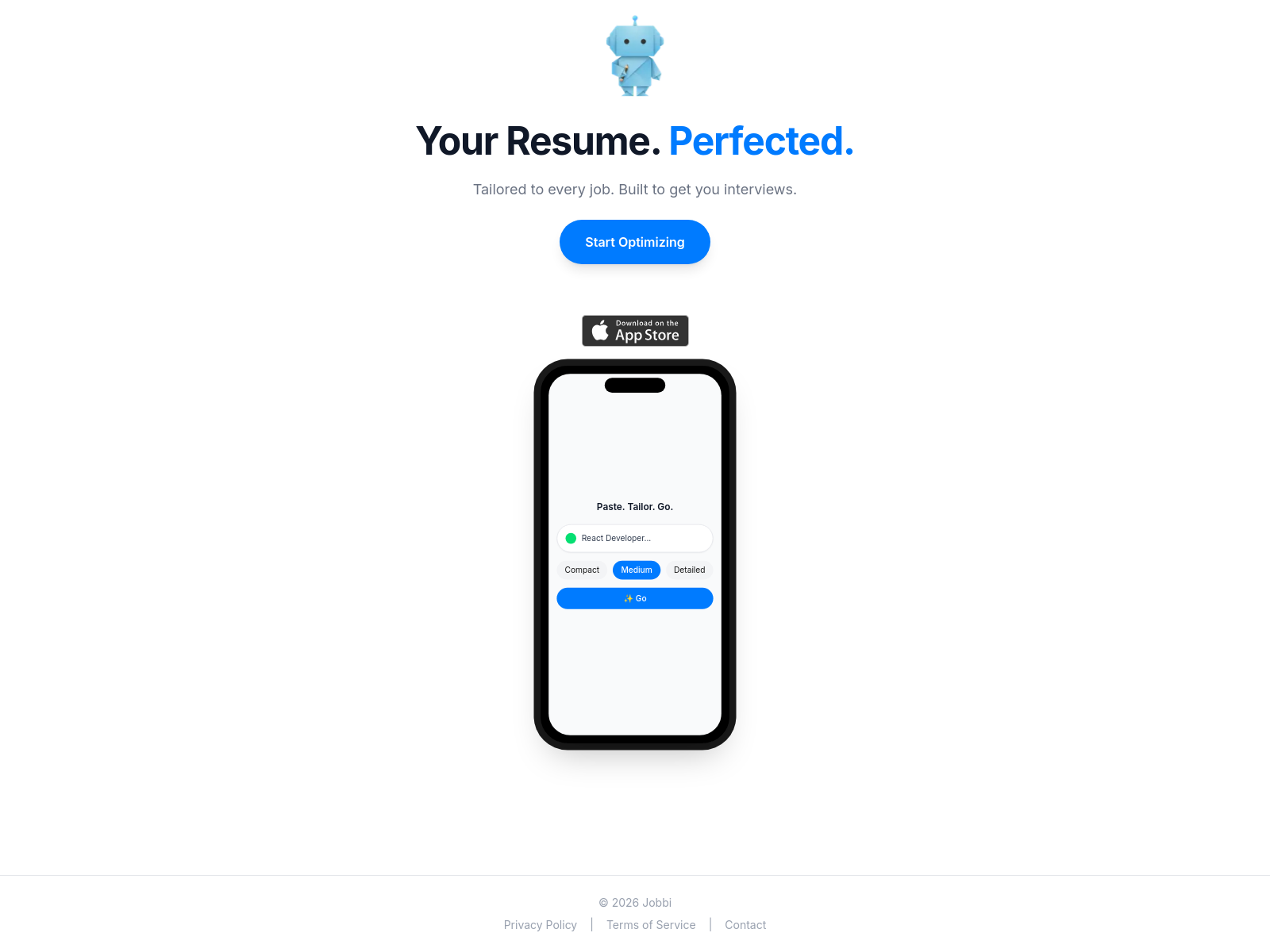
Jobbi
Jobbi is a tool that helps job seekers automatically optimize resumes. It supports multiple platforms and can match resume content to job descriptions while improving the wording.
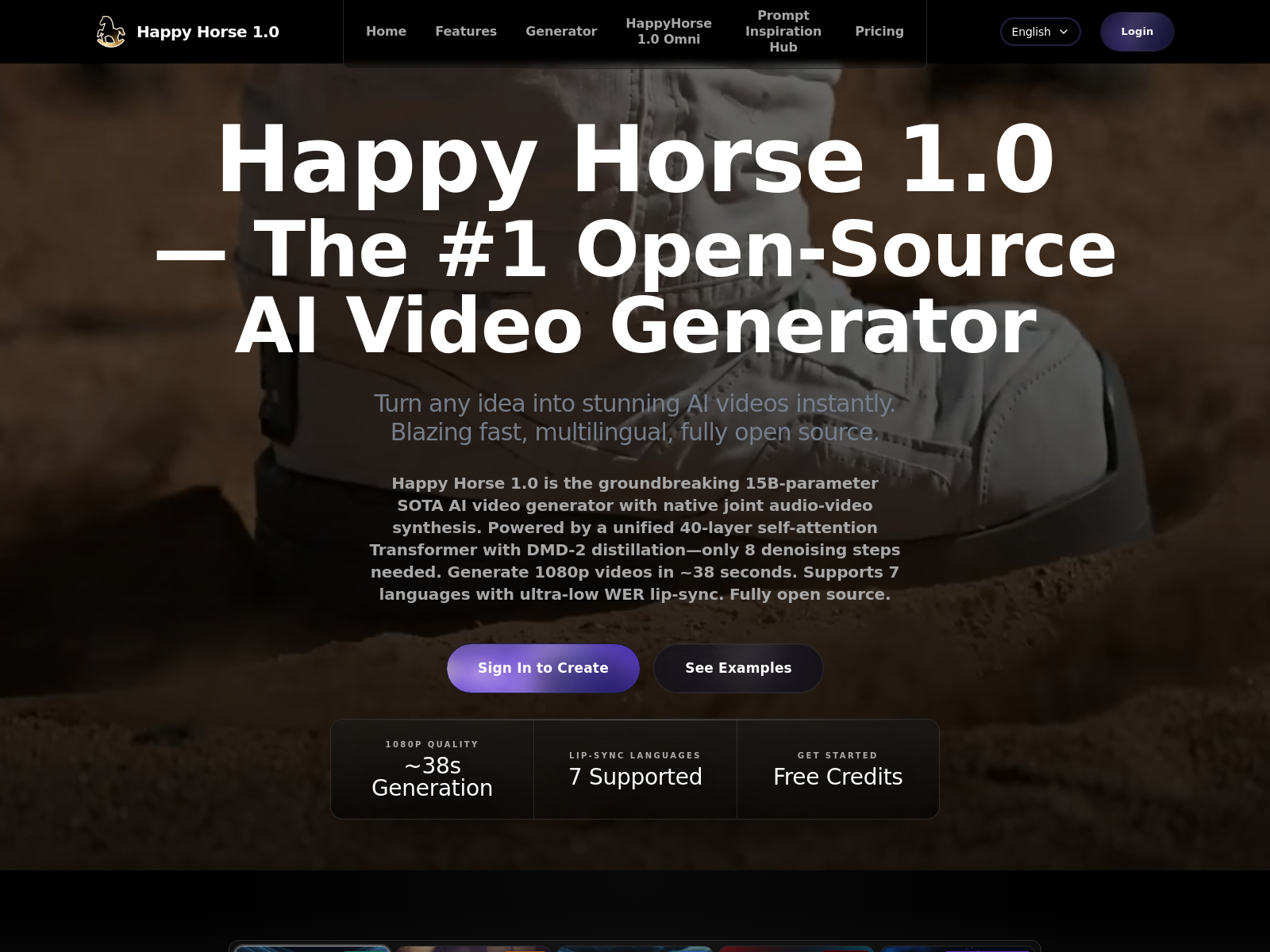
Happy Horse
Happy Horse is an open-source SOTA AI video generator that supports 1080p HD video and audio generation. It can produce a 5-second video in 38 seconds, can be self-deployed, and supports commercial use.
FeedbackQueue
FeedbackQueue is an indie developer tool that helps SaaS founders acquire users and feedback without needing marketing skills.

🎮 Games
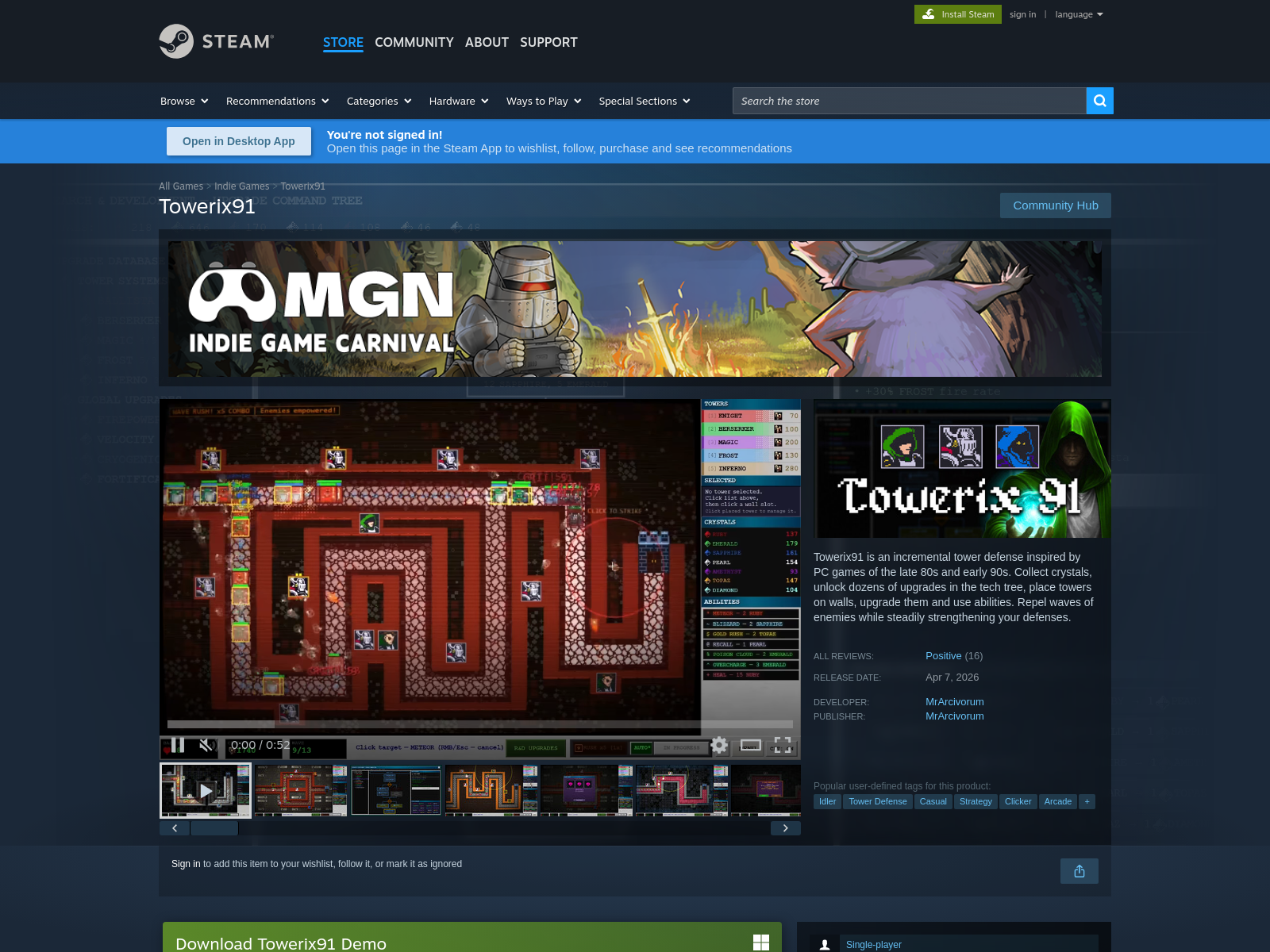
Towerix91
Towerix91 is an incremental tower defense game inspired by retro computer interfaces from the 1980s and 1990s, supporting crystal collection, tower upgrades, and wave challenges.
Tax Evaders
Tax Evaders is an 8-bit pixel-style indie game inspired by Space Invaders. Players take on the role of helping the wealthy avoid taxes, reflecting on social inequality.

🌐 Websites
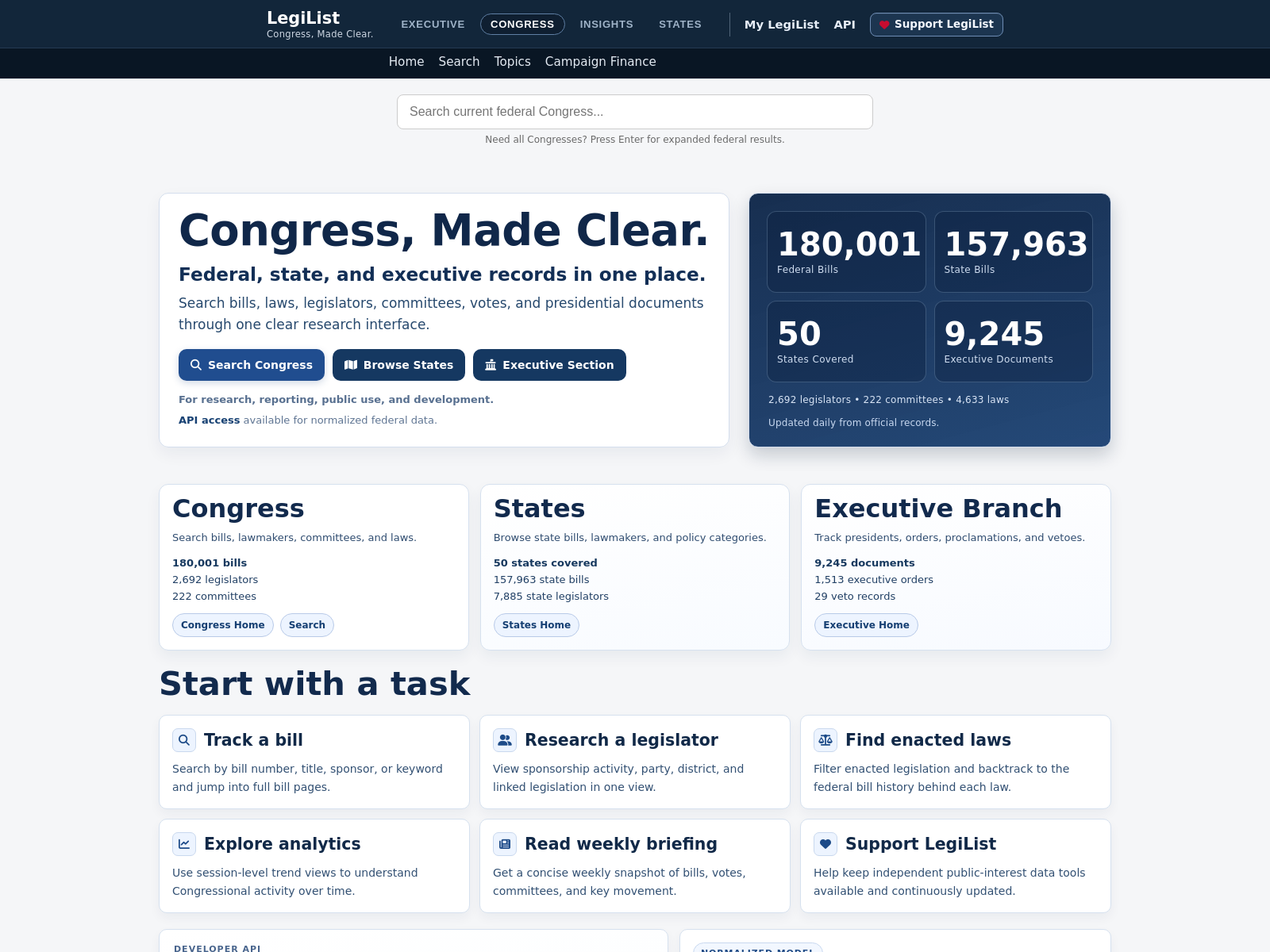
Legilist
Legilist is a website that integrates legislative data from the U.S. federal government and all 50 states, providing cross-linked browsing and API access for bills, laws, votes, and more.
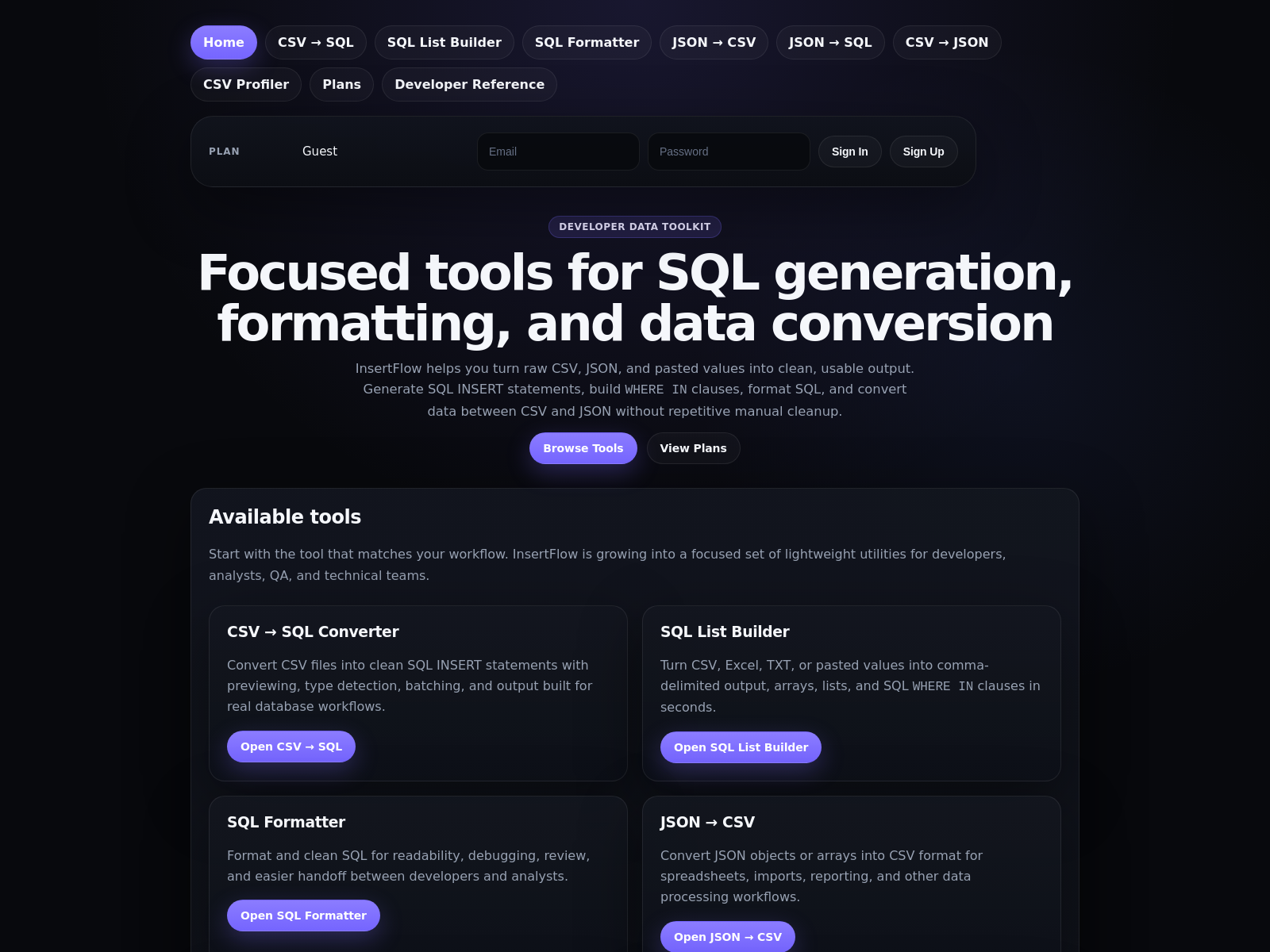
InsertFlow
InsertFlow is an install-free browser tool that converts CSV/JSON into SQL insert statements, with support for SQL formatting and data analysis.
Flight-Viz
Flight-Viz is a real-time 3D aircraft tracking website based on WebAssembly and WebGL2. It supports global routes, airport information, and weather radar, and can smoothly render more than 10,000 aircraft in the browser at 60fps.

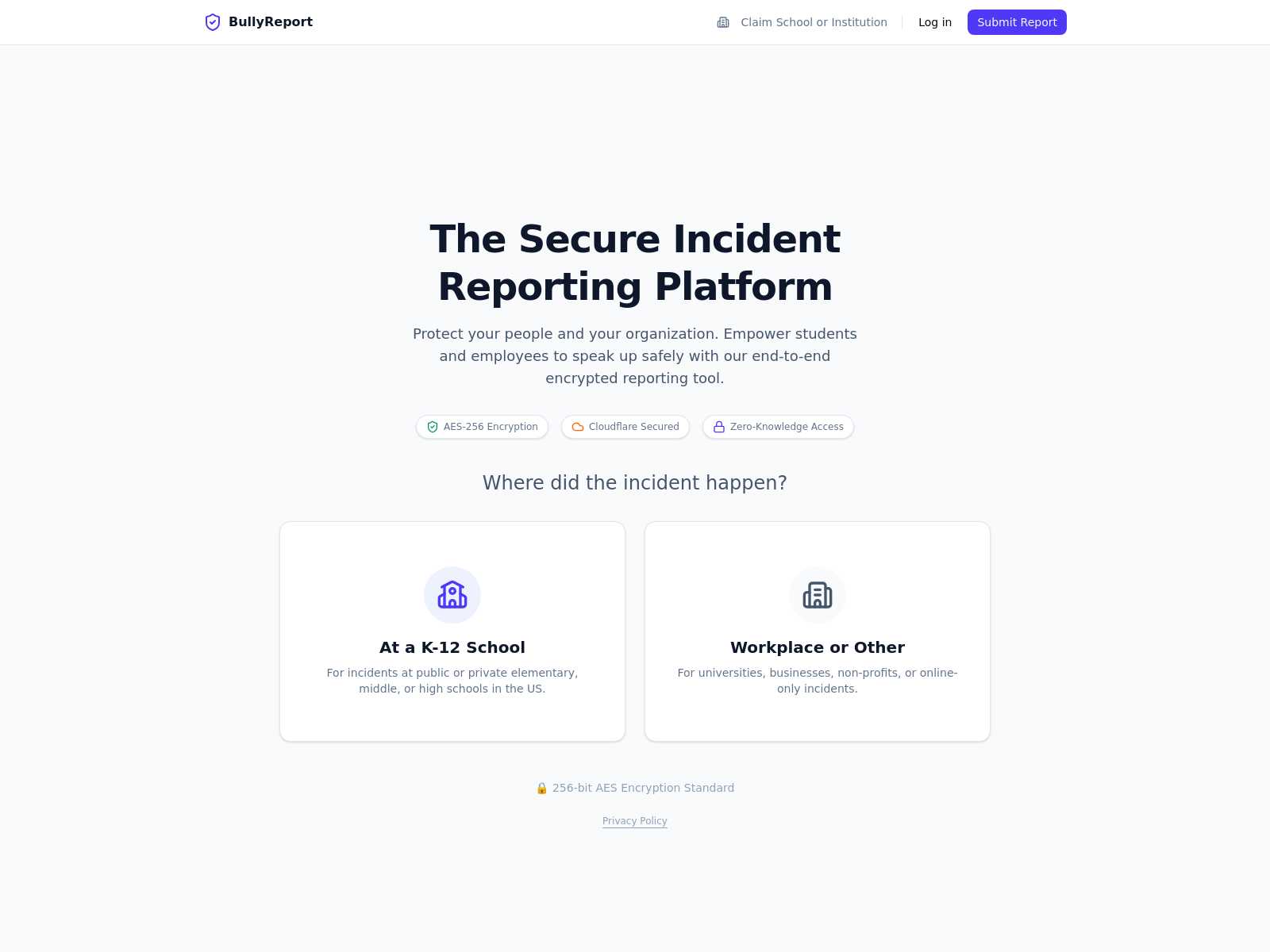
bully report
bully report is a privacy-protecting reporting platform designed for bullied children. It supports encrypted storage and manual verification, helping children record and report bullying incidents with a low barrier.
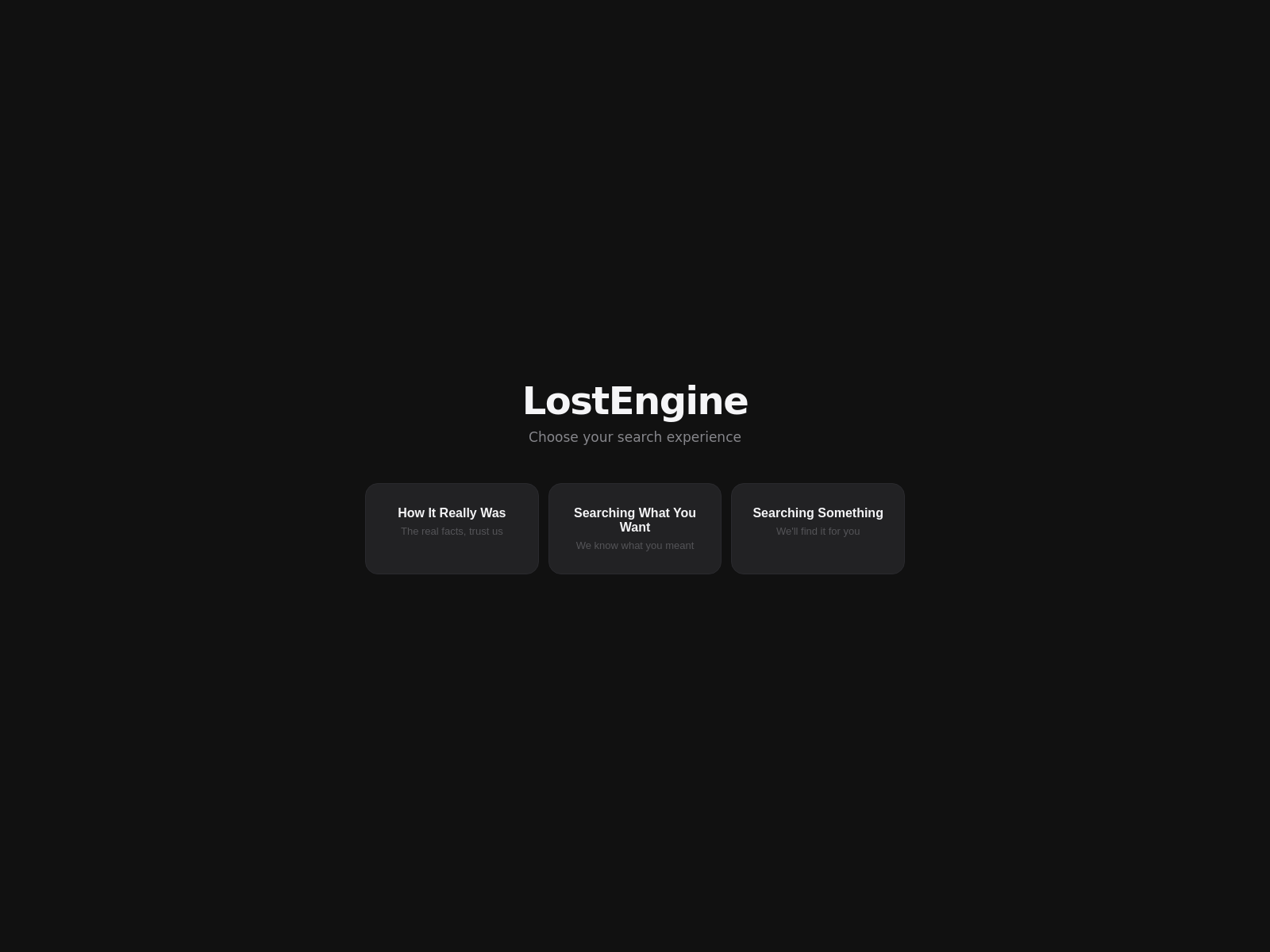
LostEngine
LostEngine is an experimental search engine that deliberately provides false information, misleading users through fabricated answers, wrong results, or random content.
✍️ Notes
Daily project information:
Website: https://www.nomoyu.com/
RSS: https://www.nomoyu.com/rss/rss.xml
WeChat Official Account: 明航的AI副业
Feel free to connect and exchange ideas
See the website for all links.