2026-05-04. Nomoyu Daily for Indie Developers (Issue 352)
📰 News
The most dangerous change in marketing: customers are no longer human
The most dangerous change in marketing is not that traffic entrances have changed, but that customers may no longer be human.
Doubao, ChatGPT, Claude, and Gemini are crawling web pages, comparing products, reorganizing information, and even participating in purchasing decisions on behalf of consumers.
If brands still only stare at SEO rankings, what they truly lose may not be search traffic, but eligibility to be recommended by AI agents.
It is not search that changed. The buyer changed.
The old marketing logic was simple: make people see you.
You wrote articles, built official websites, bought ads, and optimized keywords, with the goal of squeezing into the top few search results. Humans have little patience, and most people only click the first four or five blue links.
But agents are different.
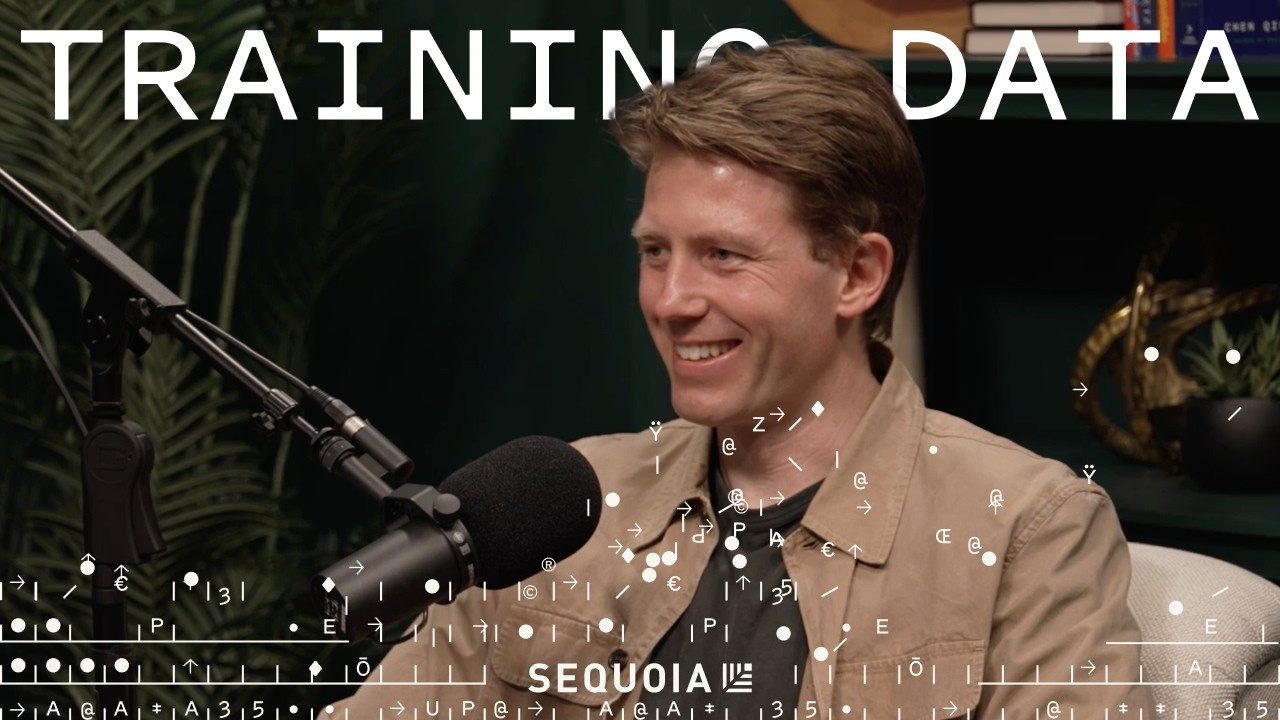
They do not rush to conclusions like humans do. There is a striking detail in the interview: James used ChatGPT to help him choose a showerhead for his apartment in New York, and to answer that question, the AI referenced 65 web pages.
An ordinary consumer will not read 65 web pages.
But AI will.
This means the battlefield of marketing is shifting from “capturing human attention” to “entering the agent’s chain of judgment.”
Previously, you had to persuade a person.
Now, you first have to persuade a system that makes decisions for that person.
New model or new SEO
Many marketers will instinctively understand this as “AI search optimization.”
Wrong.
The core of SEO is: content is discovered by algorithms and eventually consumed by humans.
The new model now emerging is: content is discovered by agents and also consumed by agents. It may never be opened by a human at all.
This is the cruel part.
The content you write may not be for the customer, but for the AI behind the customer.
James mentioned in the interview that Profound already serves close to 12% of the Fortune 500. What they care about is not only “did I appear,” but also: how does Claude describe me? Which sources did ChatGPT cite? Why did Gemini recommend a competitor?
Because different models are like different species.
Gemini is more likely to use YouTube content, ChatGPT often looks at Reddit in consumer scenarios, and LinkedIn in B2B scenarios. Claude used to rely more on pretrained models, but it is increasingly using real-time web information too.
So the question is no longer “what is my ranking?”
The question is: why does AI trust you?
AI is not afraid of too much content. It is afraid that you have nothing new.
This also explains another misconception: is AI content all garbage?
The New York Times once conducted a blind test comparing human-written articles and AI-written articles. The result was that 53% of readers preferred the AI-written content.
The real question is not “can AI write?”
It is whether you have anything worth having it write about.
James put it bluntly: brands now need to tell Claude something it does not already know.
Behind that sentence is a fundamental shift in marketing.
In the past, marketing could rely on packaging, emotion, slogans, and repeated exposure. Now, facing an agent with massive reading bandwidth, empty talk will become cheaper and cheaper.
You need to provide first-hand information.
Product details, real user problems, comparison scenarios, usage limits, failure cases, technical documents, customer objections, and industry insights.
In other words, the best marketing content in the future will not be better at praising itself. It will be easier for AI to understand, verify, and use.
AI will not persuade customers for you.
It will first judge you on behalf of customers.
The real danger is that internet incentives are hollowed out
The most worrying part of this interview is not AI search, but the possibility of a “dead internet.”
James mentioned a judgment: within the next three years, dead-internet-style outcomes may appear.
The logic is not complicated.
If people click fewer and fewer web pages and instead get answers directly from AI, then ad-funded content websites will lose revenue. The economic model of media, blogs, reviews, and independent content will weaken.
Then comes the question: if no one is willing to create high-quality original content anymore, where will AI understand the real world from?
This is the strange but accurate metaphor he used: humans are becoming the “flesh-and-blood API” between the real world and the internet.
We upload experiences, complaints, reviews, opinions, failures, and judgments to the web. AI then absorbs, reorganizes, and answers with these things for the next person.
But if creators only receive a citation that nobody clicks, their motivation will eventually dry up.
So the places that become truly valuable in the future may not be traditional web pages, but places that feel more “human”: Reddit, X, YouTube, Instagram, and LinkedIn.
Because there are still real arguments, real identities, real desires, and real feedback there.
AI needs that human texture, and brands do too.
🖥️ Software
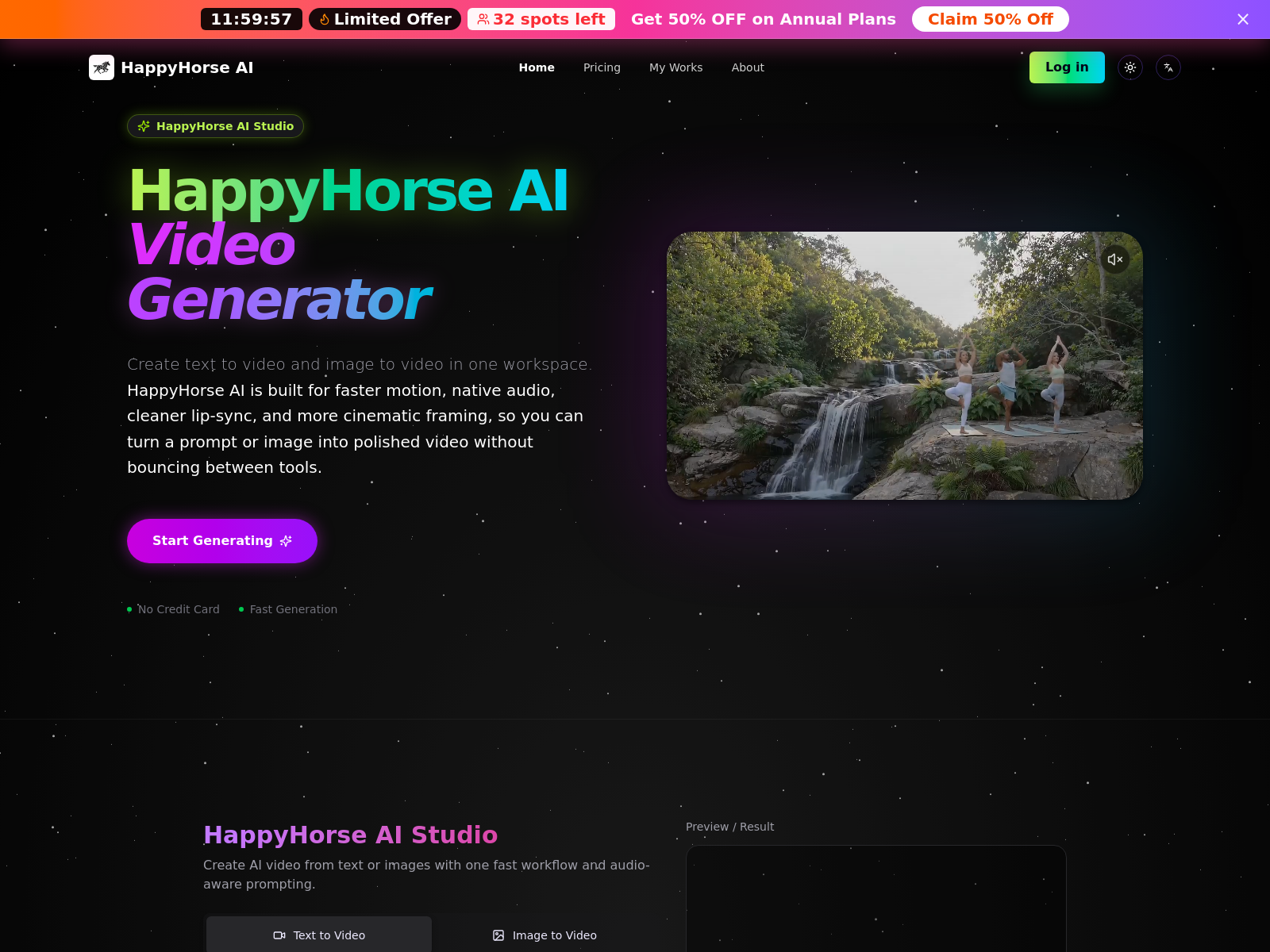
Happy Horse 1.0
Happy Horse 1.0 is an AI video generation tool supporting text-to-video and image-to-video. It can generate a 5-second 1080p video with audio on an H100 in 38 seconds and supports multilingual lip sync.
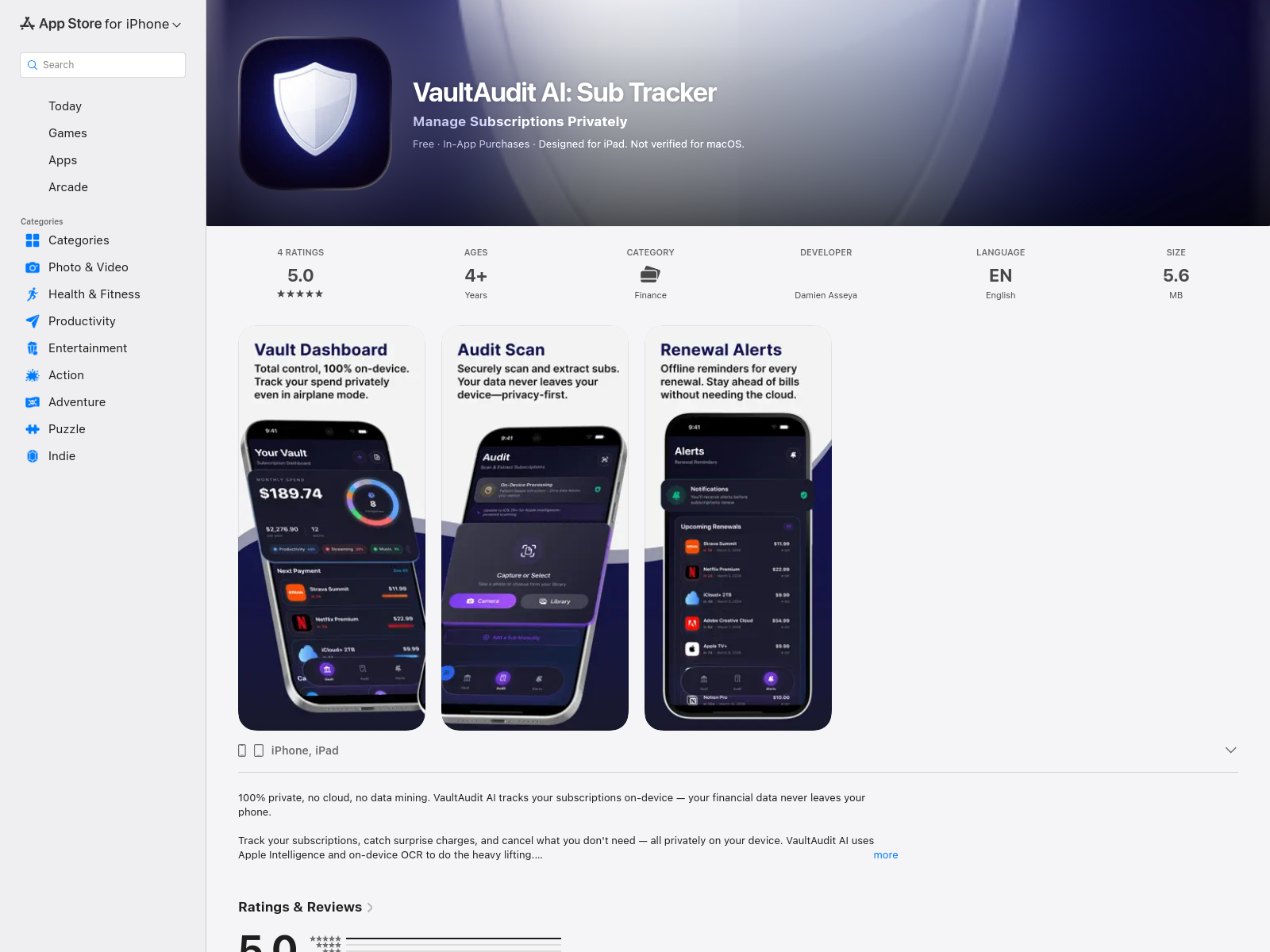
VaultAudit AI
VaultAudit AI is an iOS subscription management app that supports scanning receipts with the camera, auditing duplicate spending, and providing renewal reminders.
Contract Time Bomb Detector
Contract Time Bomb Detector is a tool that scans contract PDFs and identifies auto-renewals, hidden deadlines, price increases, and penalties.

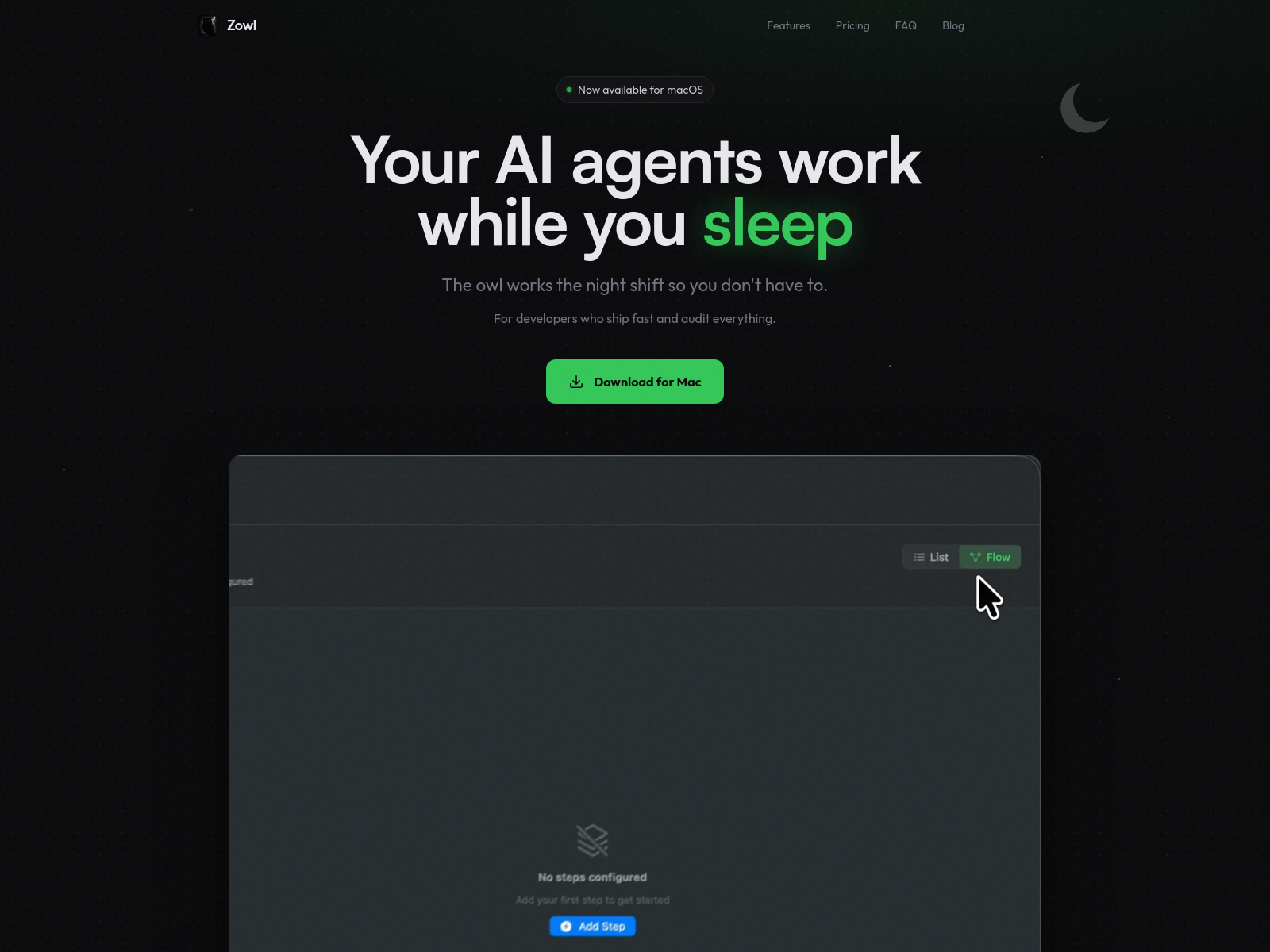
Zowl
Zowl is a free Mac app that lets you automatically run AI workflows such as Claude Code and Codex while you sleep, with support for visual building and failure isolation.
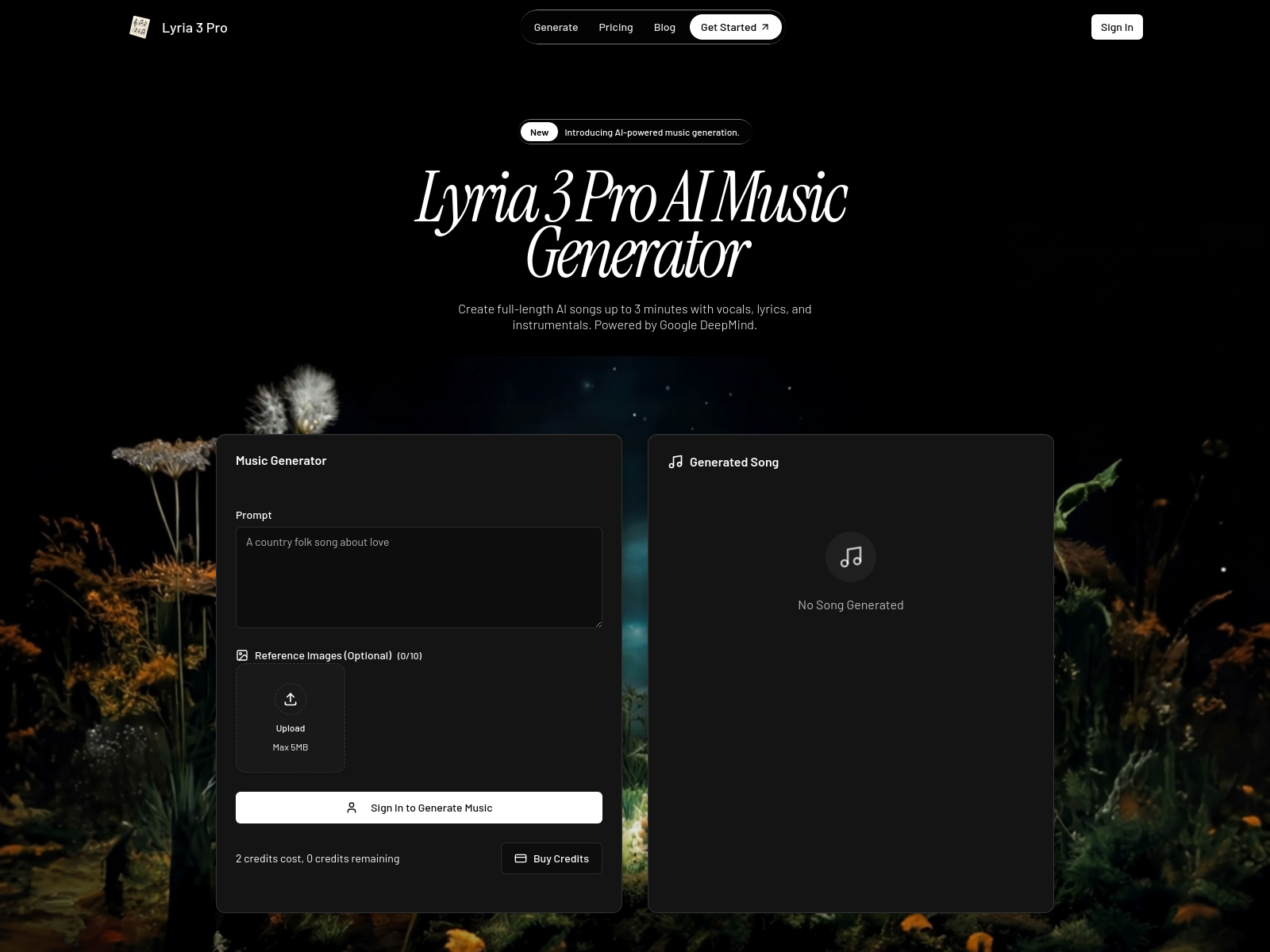
Lyria 3 Pro
Lyria 3 Pro is an AI music generation tool based on a Google DeepMind model. It supports generating complete 3-minute songs from text or images, with multiple styles and high-fidelity audio quality.
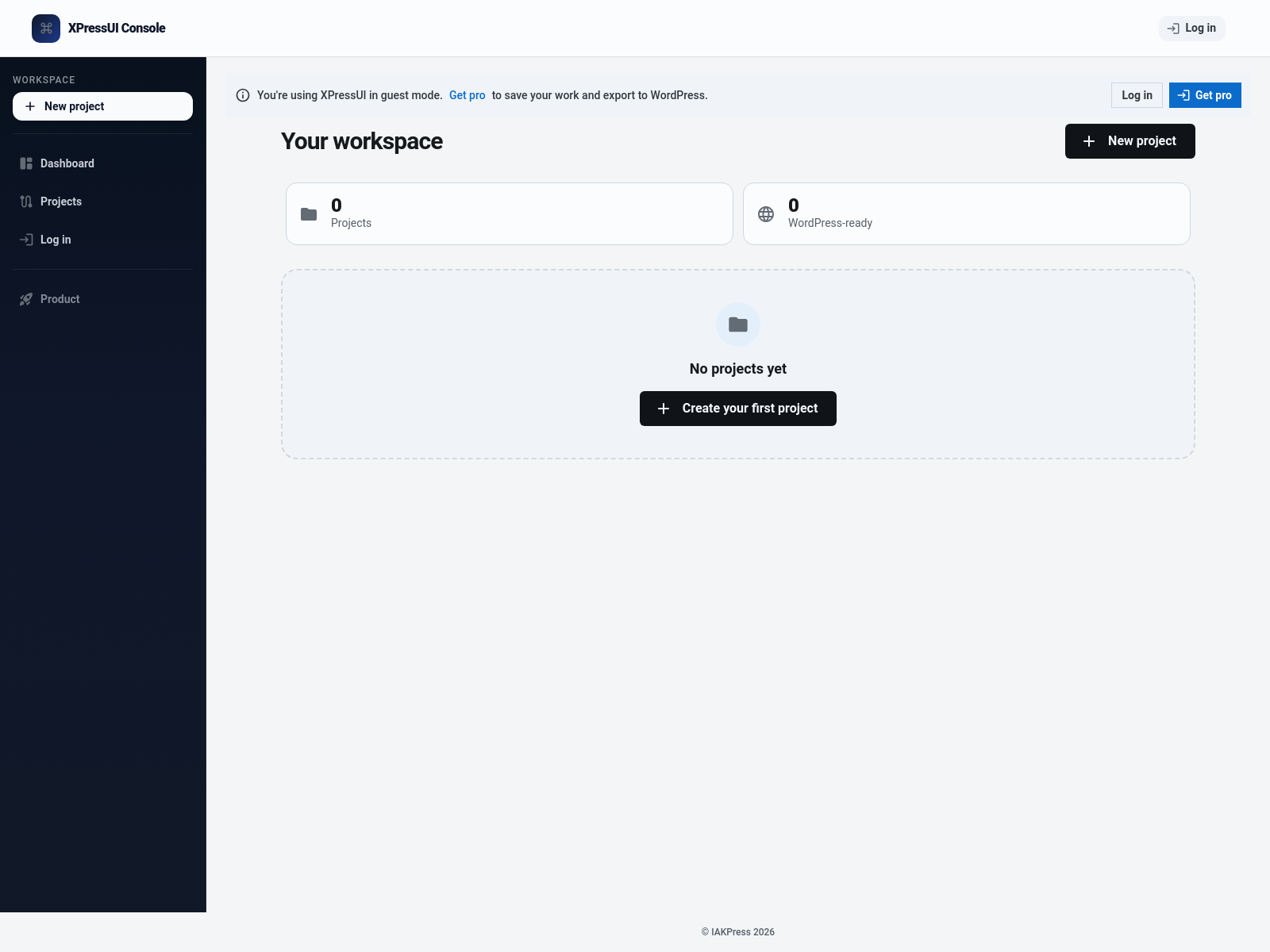
XPressUI
XPressUI is a decoupled form builder designed for WordPress, supporting theme-independent form layouts and brand customization.
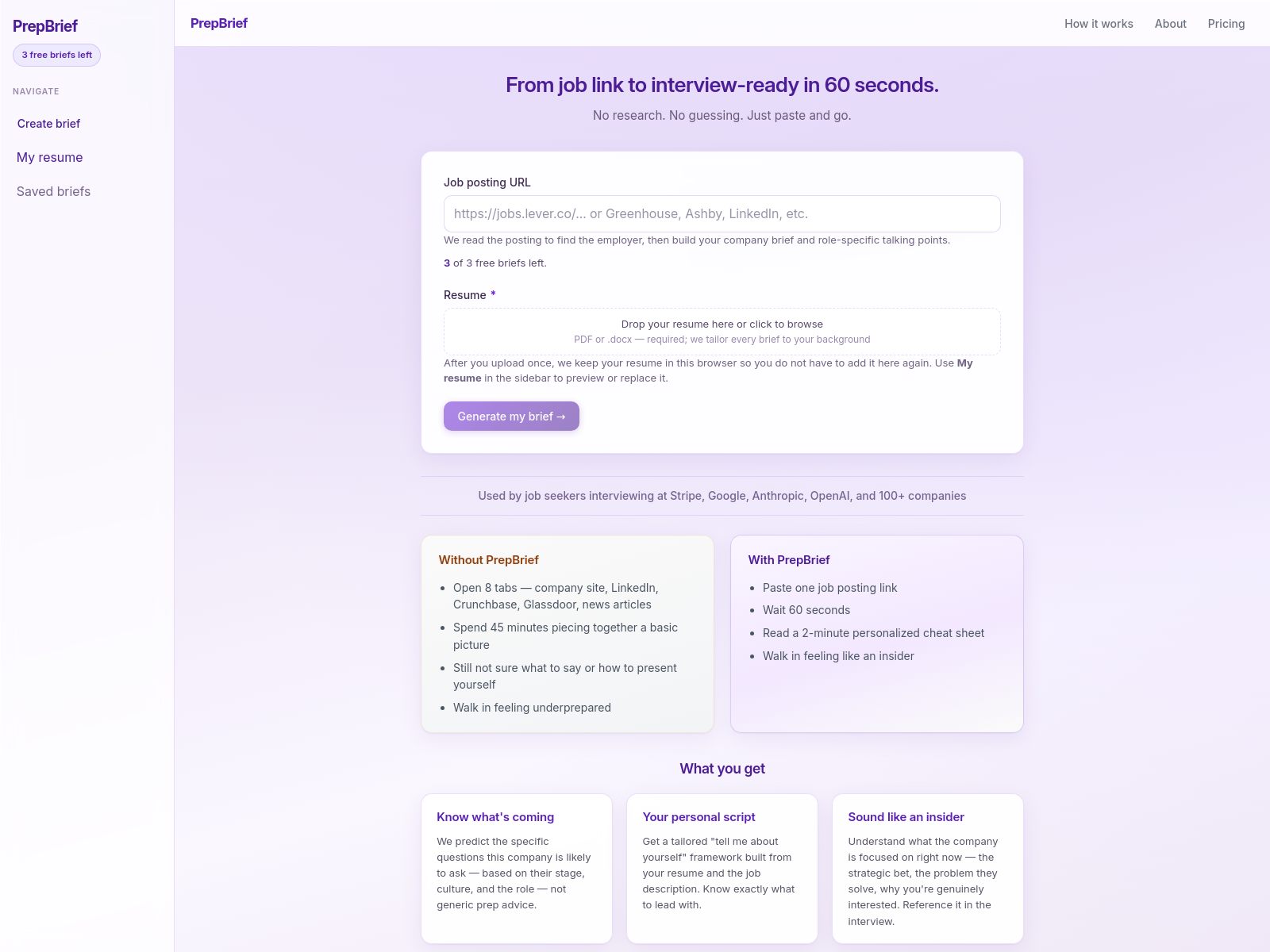
PrepBrief
PrepBrief is an interview preparation tool that can parse a job link and generate a summary of company background, focus areas, and answer suggestions in one minute.
🎮 Games
Box Office Tycoon
Box Office Tycoon is a solo-developed movie box office management simulation game. Players build theater lineups to earn real box office returns. It is currently in testing.

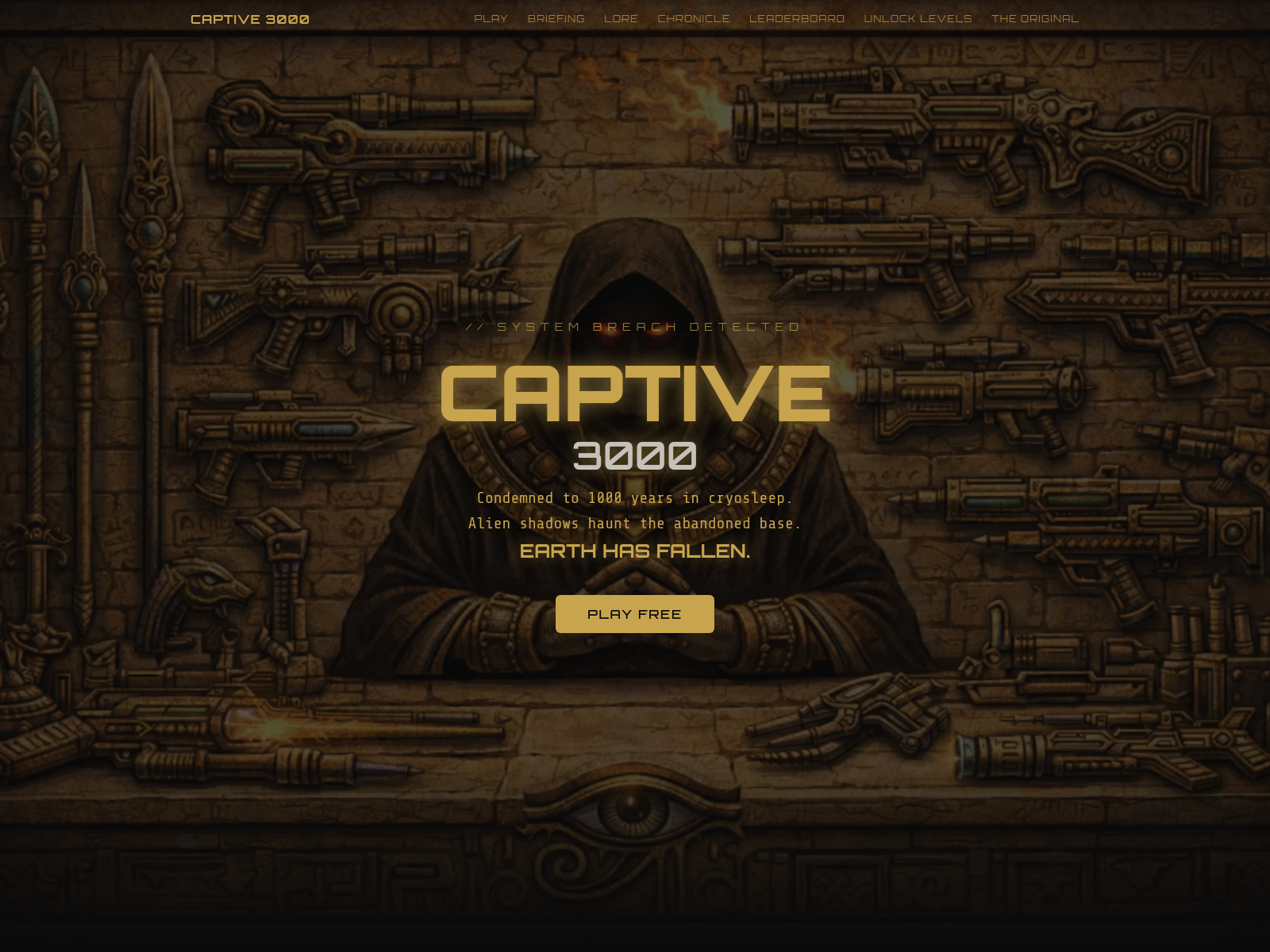
Captive3000
Captive3000 is a browser dungeon crawler built with 54,000 lines of vanilla JS. It has no dependencies or frameworks, supports a first-person view, and includes persistent storage on iOS.
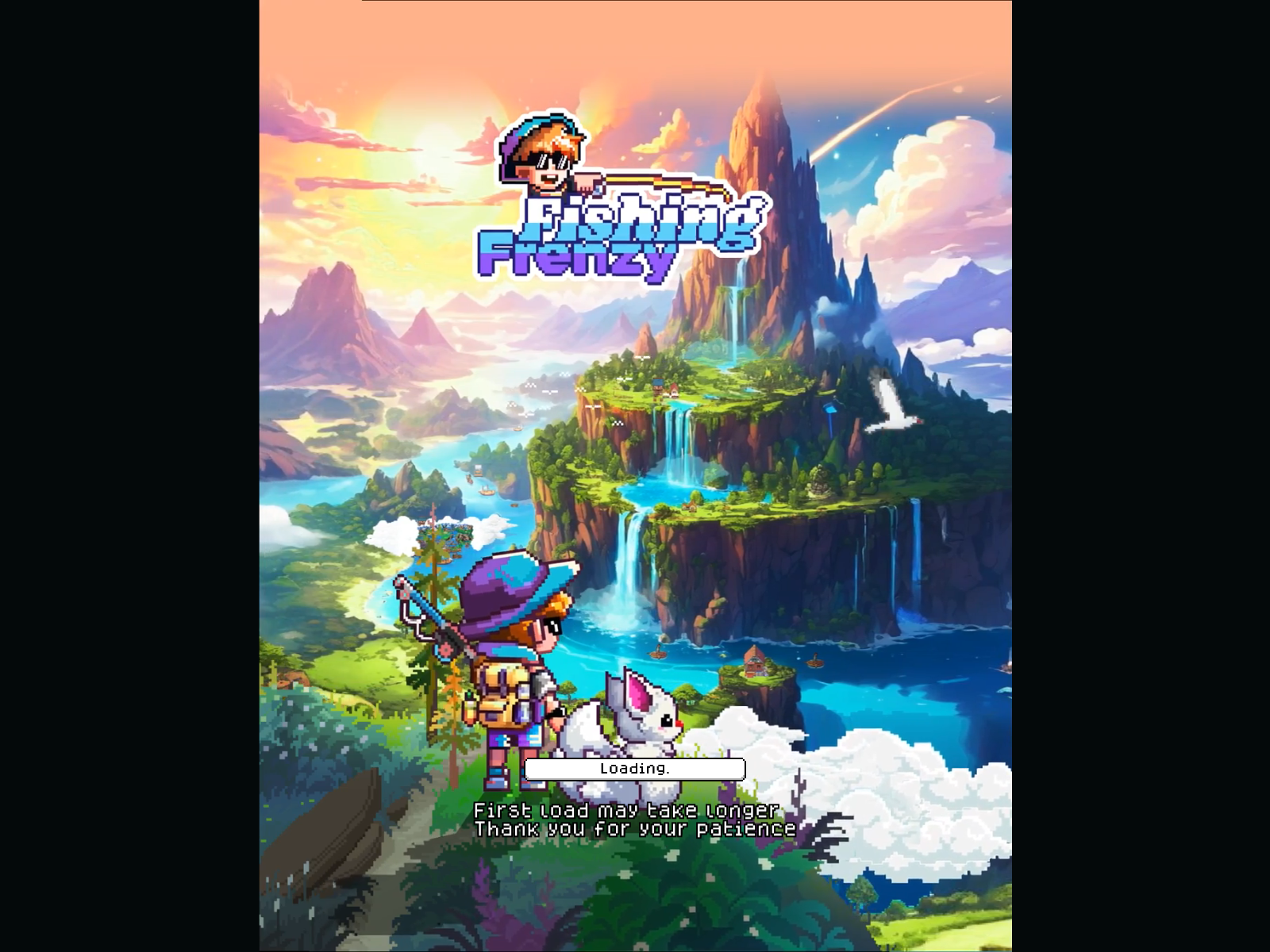
Fishing Frenzy
Fishing Frenzy is an RPG fishing game inspired by Stardew Valley. It supports web and mobile, combining relaxed progression with a deep economic system.
🌐 Websites
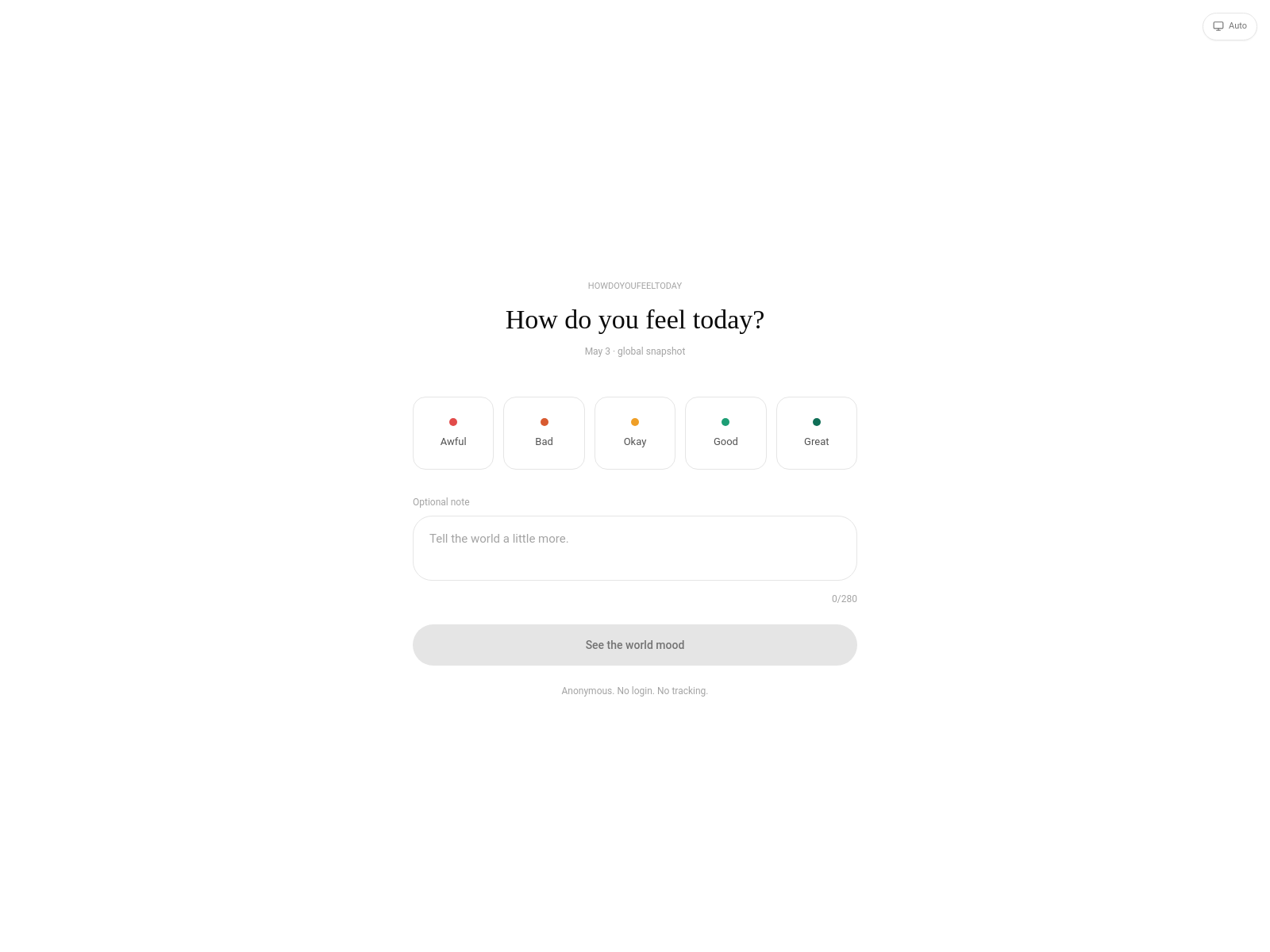
How Do You Feel Today
How Do You Feel Today is a global mood-tracking experiment based on anonymous daily questions, measuring changes in the world’s collective mood in real time through simple interactions.
Staff notation practice website
The staff notation practice website is a piano sight-reading and ear-training tool that supports MIDI device connections, suitable for real-time beginner practice.

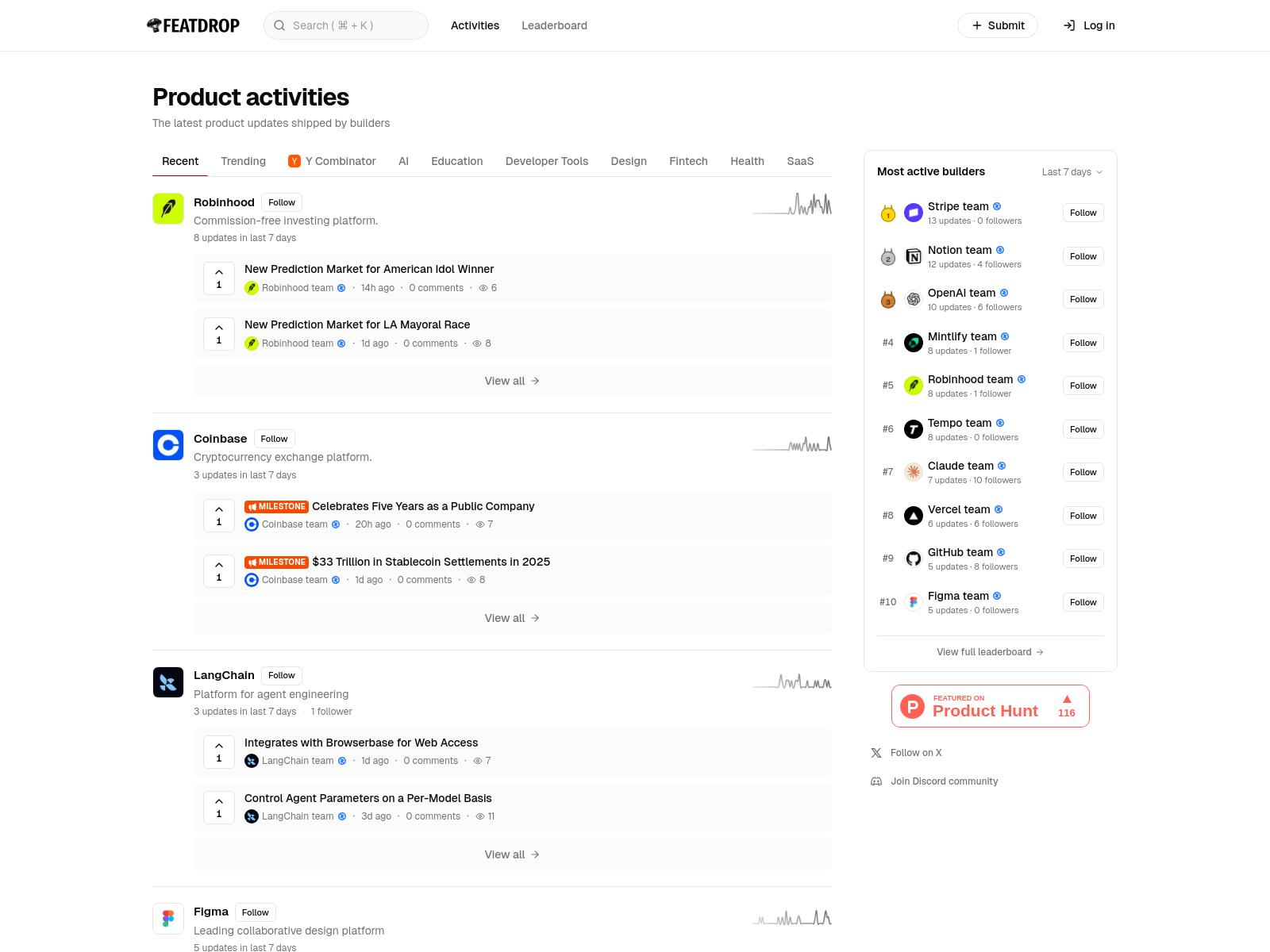
Featdrop
Featdrop is a website for developers to publicly share product updates. It supports managing multiple products, daily updates, viewing historical releases, and user interactions.
✍️ Notes
Daily project information:
Website: https://www.nomoyu.com/
RSS: https://www.nomoyu.com/rss/rss.xml
WeChat Official Account: 明航的AI副业
Feel free to connect and exchange ideas
See the website for all links.